Quick answer
Most Hostage Negotiator losses for new players come from three habits, not bad luck: spending conversation points on cards you never play, treating the threat level as a scoreboard instead of a lever, and misreading abductor cards as pure threats when several are actually timing windows. Fix the card-timing habit first, and your win rate improves faster than any dice strategy will.
Hostage Negotiator
Mistake 1: Buying cards you never play
The most common beginner error is treating the conversation point pool as a shopping list. You buy three or four cards in a round, then realize you only have enough actions to play one or two, and the rest sit in hand doing nothing while the threat track climbs.
The corrective habit is to buy for the current round, not the whole game. Before you spend, ask which card you will actually play this turn and what it does for the immediate situation. If a card only helps two rounds from now, it is usually better to hold the points and buy it when you can use it.
- Buy at most one card you cannot play this round.
- If two cards compete for the same action, buy the cheaper one and keep the leftover points.
- Track how many actions you have left before you start spending, not after.
Mistake 2: Treating the threat level as a scoreboard
New players often read the threat level as a score to keep low at all costs, so they spend every action on reducing it. That works until you run out of conversation points and have no cards left to answer the abductor's next demand.
The threat level is a lever, not a score. Sometimes the right play is to let it rise for one round while you build a hand that can actually resolve the situation. The point where this stops working is when the threat level would end the game on the next abductor phase, so check that threshold before you choose to absorb a rise.
- Check the abductor's escalation trigger before deciding to absorb a threat increase.
- If the threat level is one step from the loss condition, spend actions on it now.
- If you have a card that converts threat into progress, play it before reducing threat normally.
Mistake 3: Misreading abductor cards as pure threats
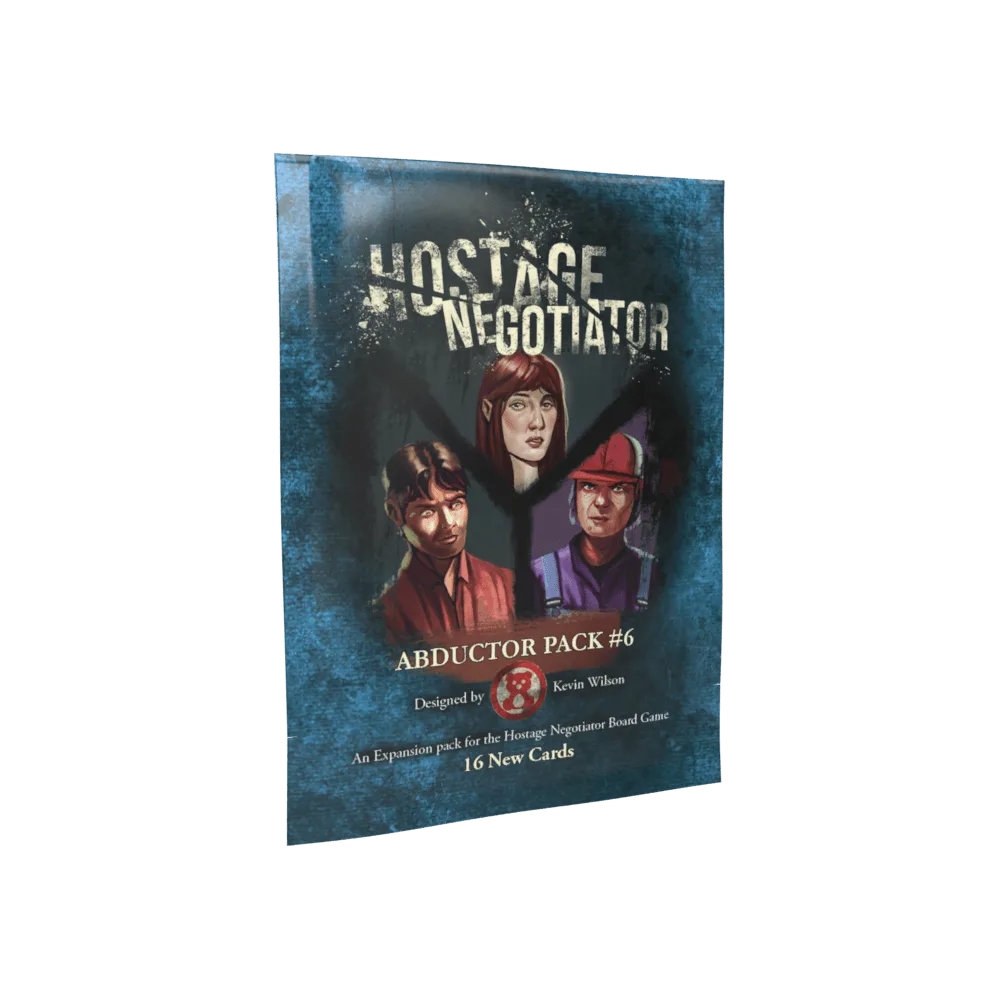
Abductor cards are not all the same kind of problem. Some raise the threat level, some change the demand, and some create a window you can exploit if you have the right card in hand. New players often read the card text, react to the worst-sounding line, and miss the part that tells them what the abductor will do next.
Read the abductor card twice: once for what it does now, once for what it sets up. If the card mentions a future phase or a specific demand, that is your planning cue. The point where you should stop and reconsider is when a card's text is ambiguous to you, so check the rules reference before you commit actions to a guess.
- Separate the immediate effect from the setup effect on every abductor card.
- If a card changes the demand, re-check which cards in your hand still apply.
- When the text is unclear, pause and check the rules rather than guessing.
Mistake 4: Rolling dice without a fallback
Dice rolls are tempting to treat as the main plan. New players often spend their whole turn on a roll, fail it, and end the round with no cards played and no points banked. The fix is to treat every roll as a bonus, not a plan.
Before you roll, decide what happens if you fail. If the answer is nothing, you probably should not roll. If the answer is that you still have a card or a point buffer to fall back on, the roll is worth taking. This is one of the hostage negotiator solo tips that transfers directly from solo play to any player count.
- Never make a roll your only action for the round.
- Keep at least one card or point in reserve before you roll.
- If a roll is high-risk and low-reward, skip it and play a card instead.
Mistake 5: Ignoring the clock
Hostage Negotiator is a game about running out of time, not about running out of cards. New players often play efficiently but slowly, building a strong hand while the abductor's timer runs down. The corrective action is to count rounds remaining out loud before each turn.
If you have fewer rounds left than actions needed to resolve the situation, stop optimizing and start taking the highest-progress action available. The point where you should choose another option is when the math says you cannot win this scenario, in which case reset and try a different abductor rather than grinding a lost game.
- Count remaining rounds before you plan your turn.
- If the math says you cannot win, reset rather than grind.
- Prioritize progress actions over efficiency actions when the clock is short.
Diagnosis: which mistake is costing you the game?
- You end rounds with unplayed cards in hand: You are buying for the future instead of the current turn. Buy only what you can play this round, and hold points instead of cards when you are unsure. Checkpoint: if you have more than one unplayed card at end of round, change your buying habit next round.
- You lose to the threat track, not the abductor: You are treating threat as a score to minimize rather than a resource to manage. Absorb a rise only when you have a card that converts it into progress. Checkpoint: if threat is one step from the loss condition, stop absorbing and start reducing.
- You are surprised by abductor effects: You are reading abductor cards once instead of twice. Read for the immediate effect and the setup effect, and check the rules when the text is ambiguous. Checkpoint: if you cannot state what the card sets up, pause before committing actions.
- You run out of rounds, not options: You are optimizing instead of progressing. Count remaining rounds before each turn, and switch to the highest-progress action when the clock is short. Stop point: if the math says you cannot win, reset and try a different abductor rather than grinding a lost game.
Products that support this style of play
- Graphic Novel Adventures Season 2 (With Slipcase): Graphic Novel Adventures Season 2 (With Slipcase) includes Mystery, Sherlock Holmes & Moriarty: Associates, Pirates: The Great Chase, Sherlock Holmes: The Challenge of Irene Adler, and Pirates: The City of Skulls. If you like the deduction and timing pressure of Hostage Negotiator, these game books offer a different solo format that rewards the same planning habits without dice.
- Final Girl: Slaughter in the Groves: Final Girl: Slaughter in the Groves is a Feature Film box that is not playable by itself and requires the Core Box. Solo players who want a different kind of tension should know this is an expansion, not a standalone game, so budget for the Core Box before buying.
- Final Girl: Terror From Destiny (vignette): Final Girl: Terror From Destiny (vignette) adds a new goal where you may let Fated Victims die and spend Premonition cards on Fated Consequences, or roll the dice and start a different path. Vignettes change how a scenario plays without replacing the core game, which is a useful low-commitment way to test whether the Final Girl system suits you.