Quick answer
Brew moringa leaf tea with water just off the boil, about 185–200°F (85–93°C), and steep 3–5 minutes for a fresh, grassy cup. Use roughly 1 teaspoon of dried leaf per 8 ounces, taste at 3 minutes, and stop before the liquor turns dull or bitter. If you take medications or are pregnant, check with your clinician before making it a daily habit.
What moringa leaf tea tastes like and why water temperature matters
Moringa leaf tea is earthy and grassy, with a mild spinach-like greenness and a faint peppery finish. It is not a sweet tea, and it is not a fruity one, so the biggest variable you control is heat. Water at a rolling boil can pull out harsh, stewed notes in seconds, while water that is too cool leaves the leaf tasting flat and dusty.
Aim for the middle ground: let the kettle sit for a minute or two after it boils, or heat to 185–200°F if you use a variable-temperature kettle. That range extracts the fresh green character without dragging out the bitter compounds that make people decide they dislike moringa after one cup.
Moringa tea nutrition: what the leaf brings to the cup
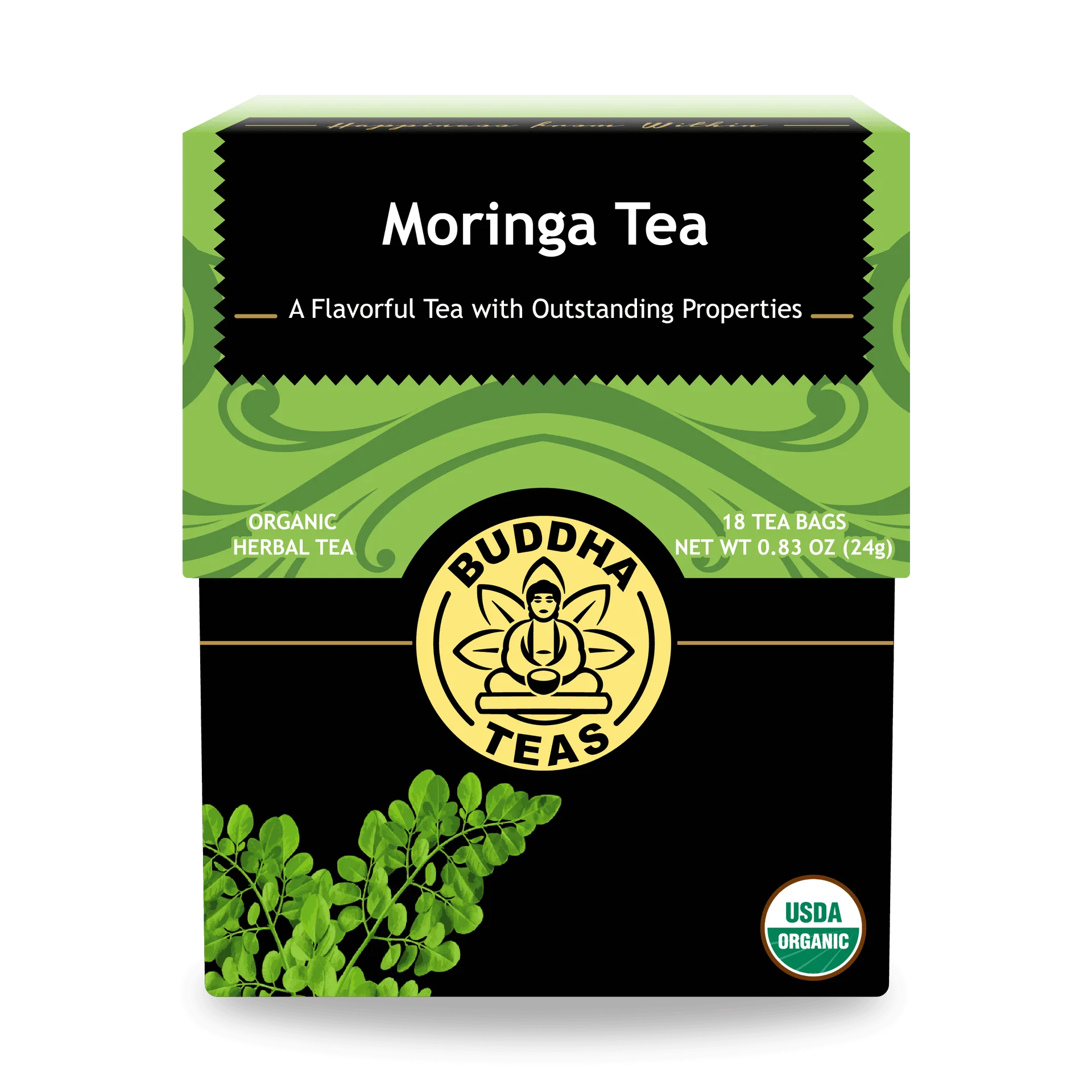
Moringa tea
Moringa leaves are traditionally valued as a nutrient-dense green, and the dried leaf keeps much of that reputation in tea form. The catch is that a cup of tea is a gentle infusion, not a concentrated supplement dose, so think of moringa tea as a pleasant way to add a green, mineral-rich drink to your day rather than a replacement for a balanced diet.
Because the brewing water is the only carrier, longer steeping does extract more from the leaf, but it also changes the flavor. If nutrition is your main goal, a 5-minute steep at the lower end of the temperature range is a reasonable compromise between extraction and drinkability.
Moringa tea side effects and who should be cautious
Moringa leaf is generally well tolerated in food amounts, but tea is not automatically risk-free just because it is herbal. Some people notice mild digestive upset, loose stools, or a slightly lowered blood sugar response, especially when drinking several strong cups a day.
If you take diabetes medication, blood pressure medication, thyroid medication, or blood thinners, talk to your clinician before making moringa tea a routine. The same goes for pregnancy and breastfeeding. Start with one modest cup and see how you feel rather than jumping straight to a daily pot.
Simple moringa leaf tea recipe with optional flavor additions
For one 8-ounce cup, use 1 teaspoon of dried moringa leaf, or 1 heaping teaspoon if you prefer a stronger green flavor. Add the leaf to an infuser or a teapot, pour the 185–200°F water over it, and cover the vessel while it steeps to keep the volatile aromatics in the cup.
Moringa plays well with ginger, lemongrass, mint, and a squeeze of lemon. If you want sweetness, add a little honey after the tea has cooled slightly so the flavor stays bright. Avoid adding milk, which tends to flatten the grassy notes and makes the cup taste muddy.
Step-by-step: brewing moringa leaf tea
- Measure the leaf: Use 1 teaspoon of dried moringa leaf per 8 ounces of water. If you are brewing in a mug without an infuser, use a paper filter or a fine-mesh basket so the leaf does not scatter. Checkpoint: too much leaf is the most common reason a first cup tastes bitter, so start with the smaller amount.
- Heat water to 185–200°F: Boil the kettle, then let it rest for 1–2 minutes, or set a variable-temperature kettle to 190°F. Pour the water over the leaf in a slow, steady stream. Mistake to avoid: pouring full rolling-boil water directly onto moringa leaf, which can make the cup taste stewed.
- Steep 3–5 minutes, covered: Cover the cup or teapot to hold in the aromatics. Taste at the 3-minute mark and decide whether you want a deeper green flavor or a lighter one. Checkpoint: if the liquor looks dark olive rather than bright green-gold, you have likely steeped too long.
- Remove the leaf and finish the cup: Take out the infuser or strain the tea. Add lemon, ginger, or a little honey if you want, but skip milk to keep the grassy notes clear. Next step: drink it warm, or chill the strained tea over ice for a summer version.
A related cup from our catalog
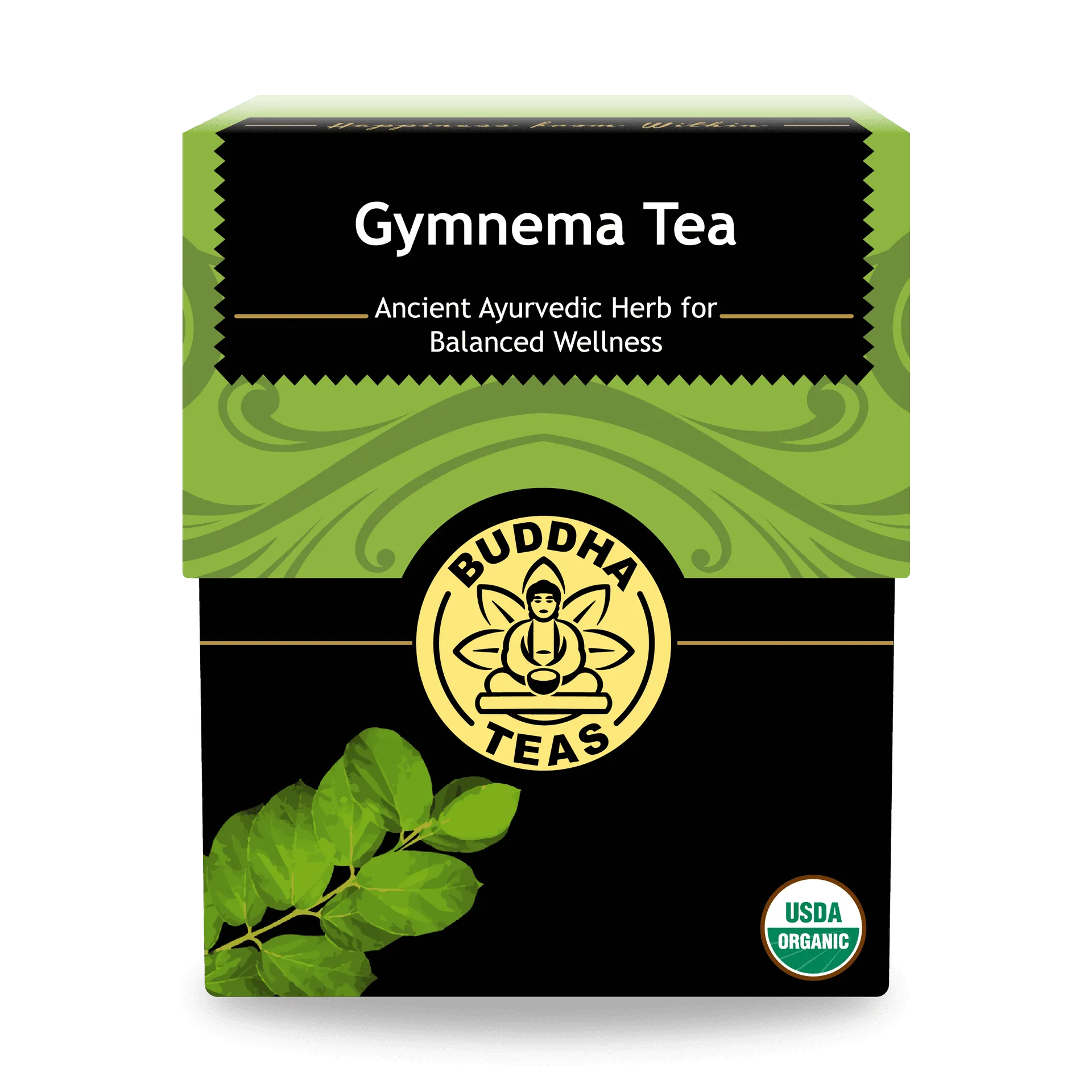
- Gymnema Tea: Gymnema Tea is a single-ingredient herbal tea delivered in bleach-free, plastic-free tea bags, described as a grounding, woody Ayurvedic ritual with no hidden additives. If you enjoy the earthy, unsweet character of moringa and want another single-herb cup with a clean bag, gymnema is a natural next step; just note it is a different botanical, not a moringa substitute.