Quick answer
Choose a blender by starting with what you blend most often, then match wattage, jar type, and speed control to that job. For daily smoothies with frozen fruit and ice, look for a high-speed model with a sturdy jar and at least one preset program. For light tasks like dressings or baby food, a standard blender with simple speeds is enough and costs less.
Start with your hardest ingredient, not the wattage number
Wattage tells you how much power the motor can draw, but it does not tell you how well the blender will handle frozen strawberries, ice cubes, or fibrous greens. A high-wattage motor paired with a poorly designed jar can still leave chunks. A lower-wattage motor with a good jar and sharp blades can do better on soft foods. So begin by listing the three hardest things you blend in a typical week. If that list includes ice or frozen fruit, you need a high-speed blender. If it is mostly cooked vegetables, yogurt, or liquids, a standard blender will work.
Blender wattage explained: what the number actually changes
More wattage generally means the motor can maintain speed under load, so it powers through thick mixtures without stalling. That matters for nut butters, frozen smoothie packs, and hot soups where you blend for a minute or more. But wattage alone does not guarantee smooth results. Blade design, jar shape, and the number of speed settings all affect how the mixture moves. A blender with a powerful motor and only one speed can still leave pockets of unblended food. Look for a model that pairs its motor with either multiple speed settings or one-touch programs that change speed automatically. If you see a very high wattage claim on a budget blender, check whether the jar and blades are built to handle that power over time.
Jar types and what they are good for
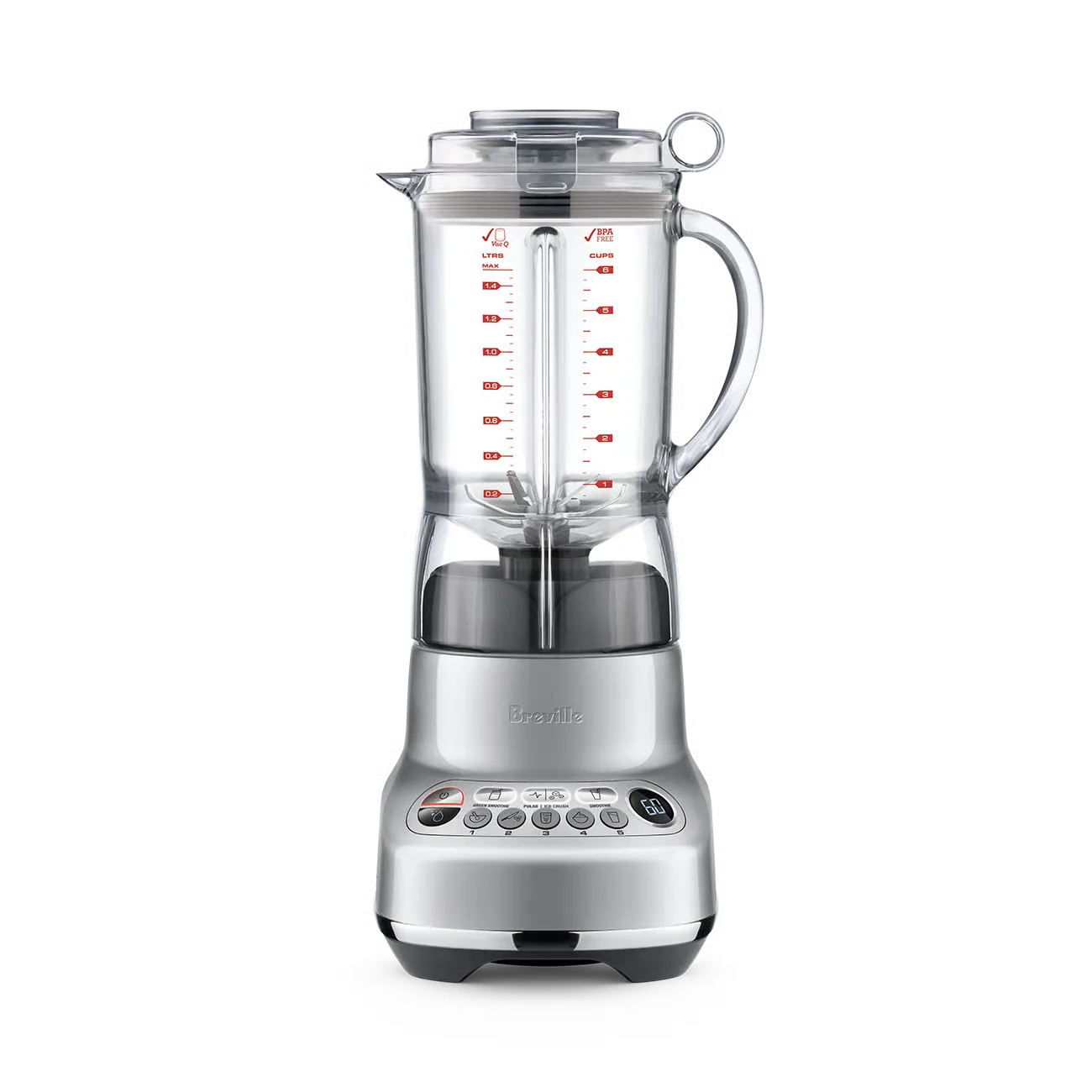
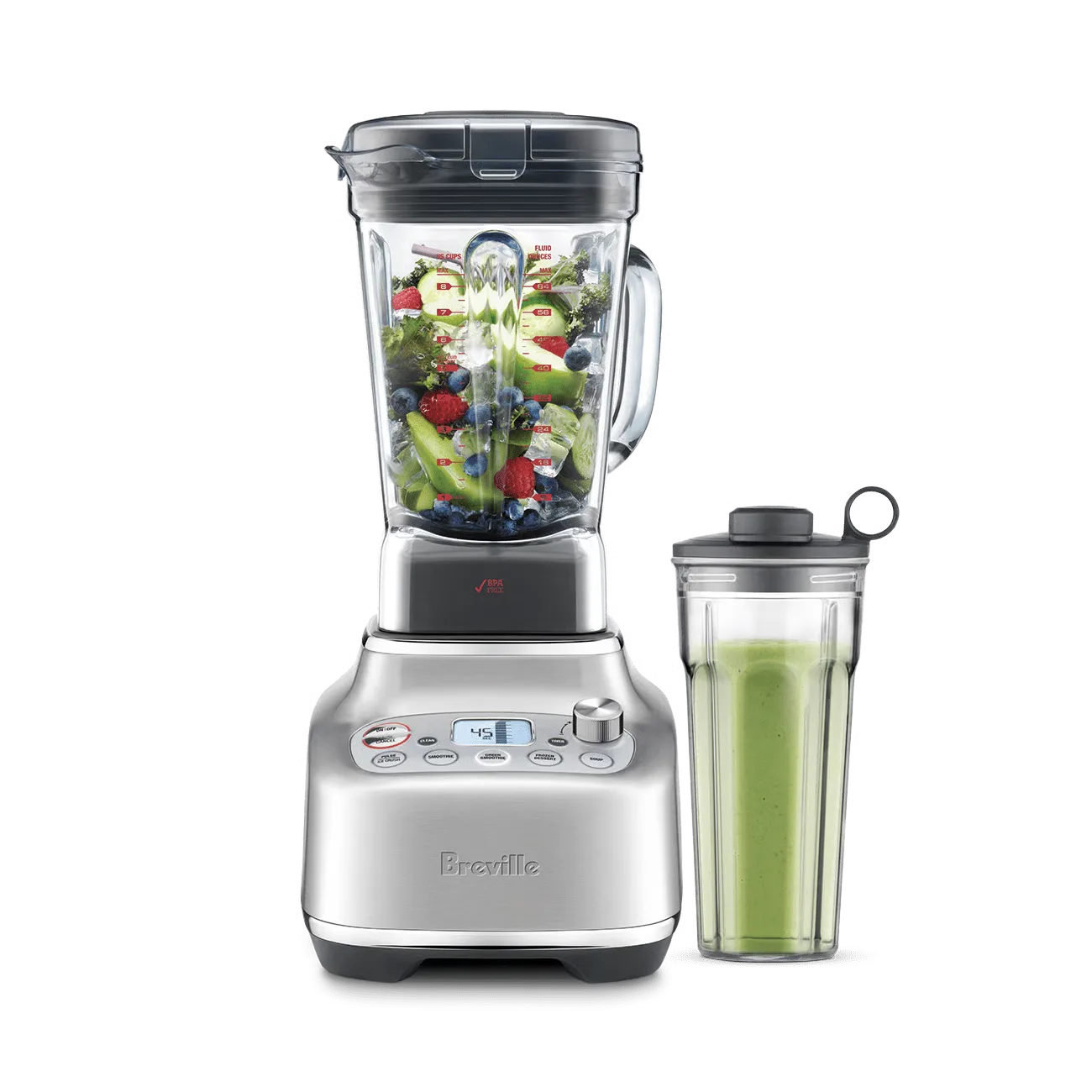
Most countertop blenders come with one of three jar styles. A traditional tall jar holds the most volume and works for family-size batches, but it can be harder to scrape and store. A wide, low-profile jar creates a better vortex for thick mixtures and is easier to clean, though it may not fit under all cabinets. A personal blending cup is convenient for single servings and travel, but it usually has a smaller capacity and less power. If you make smoothies for one person, a personal cup is fine. If you cook for a family or batch-cook sauces, choose a full-size jar with a lid that seals well. Some blenders offer a second jar or cup as an optional accessory, which lets you switch tasks without buying a second machine.
Speed settings vs. one-touch programs
Manual speed settings give you direct control, which is useful when you want to pulse chunky salsa or slowly incorporate flour into a batter. One-touch programs are preset sequences that ramp up and down automatically for tasks like smoothies, soups, or frozen desserts. Programs reduce guesswork and produce more consistent texture, but they offer less flexibility for unusual recipes. If you mostly make the same things, a program is a time-saver. If you like to experiment, look for a blender that offers both: a few presets plus manual speeds or a pulse button. That combination covers everyday routines and one-off projects without forcing you to upgrade later.
High-speed blender vs standard: which one fits your kitchen
A high-speed blender is built for daily heavy use: frozen fruit, ice, nuts, and fibrous vegetables. It usually has a more powerful motor, a sturdier jar, and often one-touch programs. It takes up more counter space and costs more. A standard blender handles lighter tasks like pancake batter, salad dressings, and pureed soups. It is lighter, cheaper, and easier to store. The trade-off is that a standard blender may struggle with frozen ingredients or require more stopping and scraping. If you make a smoothie every morning with frozen fruit, the high-speed route is worth it. If you blend occasionally for recipes, a standard blender with a good jar will serve you well.
Decision rules for buying a blender
- If you blend frozen fruit or ice daily: Choose a high-speed blender with a powerful motor, a sturdy jar, and at least one preset program. Prioritize motor durability and jar design over the number of speeds. This is the one case where spending more upfront saves you from replacing a weak blender later.
- If you blend mostly soft foods or liquids: A standard blender with a few manual speeds and a well-sealed jar is enough. You do not need a high-wattage motor for dressings, batters, or pureed soups. Put the savings toward a second jar or a personal blending cup if you want convenience.
- If you want flexibility for both everyday and occasional heavy tasks: Look for a blender that offers both one-touch programs and manual speed control or a pulse button. That combination handles routine smoothies and one-off recipes like nut butter or frozen desserts. Check that the jar fits under your cabinets and that the lid seals tightly before you commit.
Two real blenders that show the trade-offs
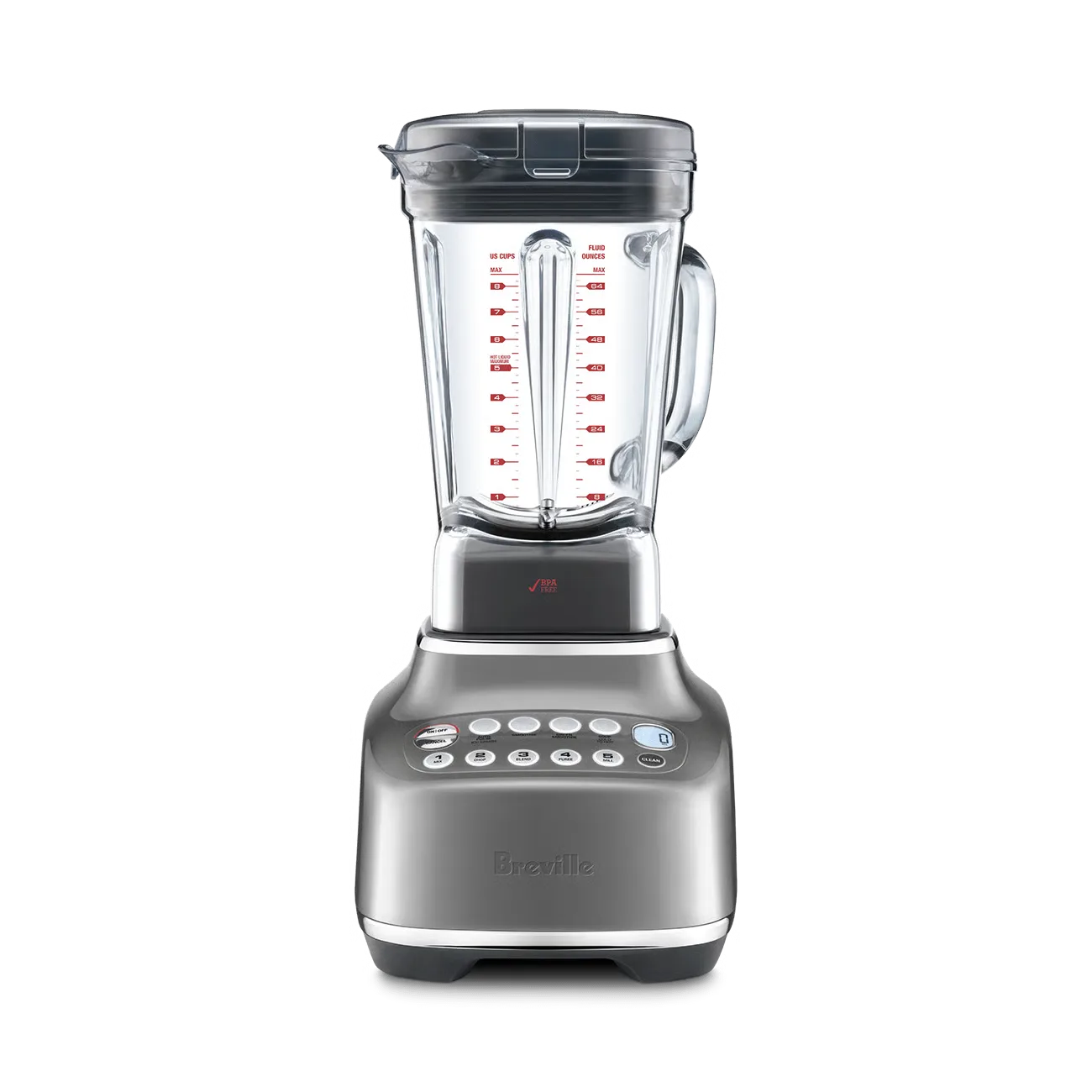
- the Q™: Commercial grade blender specially designed for the home kitchen. With the most powerful motor, unique one touch programs and different speed settings, the Q is able to deliver an advanced texture optimization for smoother & softer textures. This is a high-speed option for daily frozen smoothies, nut butters, and soups. The one-touch programs and multiple speeds mean you can get consistent results without manually adjusting, which is the main reason to pay more for a high-speed blender.
- the 'Lift and Look'® Touch: Real world 1-touch innovations including 'Lift & Look'® and 'A Bit More'TM put total browning control at your fingertips. While this is a toaster, it illustrates the value of one-touch controls that let you check progress without restarting. If you value that kind of control in a toaster, you will likely appreciate preset programs and a pulse option in a blender.
Who should buy which blender
Best for
- Daily smoothie drinkers who use frozen fruit and ice
- Home cooks who make nut butters, soups, or frozen desserts regularly
- Anyone who wants preset programs for consistent texture without guesswork
Not for
- Someone who blends only occasionally for light tasks like dressings or baby food
- A kitchen with very limited counter space or storage
- A shopper who wants the lowest upfront cost and does not need heavy-duty performance