Quick Answer
To choose the right aquarium return pump, match the pump's flow rate to your tank volume and the height it needs to push water, and consider adjustable flow for flexibility.
Return Pump vs. Circulation Pump
A return pump moves water from a filter or sump back into the aquarium, while a circulation pump just moves water inside the tank. Return pumps need enough head pressure to overcome the height and tubing resistance, so flow rate alone isn't enough.
For canister filters, the pump is often built-in, but if you're replacing it or using a separate pump, you need one that matches the filter's flow requirements. Submersible pumps are common for this purpose because they're easy to install and quiet.
Flow Rate and Head Height: The Trade-off
Manufacturers rate pumps at zero head, but actual flow decreases as you push water higher. A pump rated for 300 gallons per hour at zero head might only deliver 200 gallons per hour at 3 feet of head. Always check the pump's flow curve if available, or choose a pump with a higher flow rating than your tank turnover target.
For most aquariums, a turnover rate of 4-6 times the tank volume per hour is a good starting point for return pumps. A 50-gallon tank would need a pump rated for 200-300 gph at the actual head height.
Adjustable Flow: Why It Matters
An adjustable flow pump lets you fine-tune the water movement without changing the pump. This is especially useful if you have fish that prefer gentle currents or if you plan to change your tank setup later. Pumps with flow control also help avoid over-filtering or creating too much surface agitation.
Decision Rules for Choosing a Return Pump
- Tank Size: For tanks under 20 gallons, choose a pump with a flow rate of 50-100 gallons per hour. For 20-50 gallons, aim for 100-300 gph. For over 50 gallons, look for 300 gph or more, adjusting for head height. Measure your tank's actual water volume, not just the nominal size, to avoid over- or under-sizing.
- Head Height: Measure the vertical distance from the pump to the highest point water must travel. Subtract about 20-30% from the pump's rated flow for every foot of head, or choose a pump with a higher rating to compensate. If your sump is below the tank, factor in the entire vertical rise, not just the tank height.
- Filter Type: For canister filters, use an external pump that matches the filter's recommended flow range. For sump systems, a submersible pump inside the sump is often easier to install and maintain. Check your filter's manual for the maximum flow rate to avoid damaging the filter media.
- Adjustability: Prefer a pump with adjustable flow, especially if you keep fish that prefer calm water or if you plan to change your tank setup. Adjustable flow lets you dial in the perfect current without buying a new pump. Start at a lower flow setting and increase gradually to avoid stressing your fish.
- Marine vs. Freshwater: For marine tanks, choose a pump that is safe for saltwater and has corrosion-resistant parts. Most quality pumps are suitable for both, but verify the materials. If you have a reef tank, consider a pump with a higher flow rate for better water movement around corals.
Pump Options to Consider
-
SELTZ L: The SELTZ L is an all-purpose high-performance pump for fresh and marine aquariums, with a flow control system and included filter sponge. Its adjustable flow and included sponge make it a versatile choice for both filtration and water circulation, reducing the need for extra accessories.
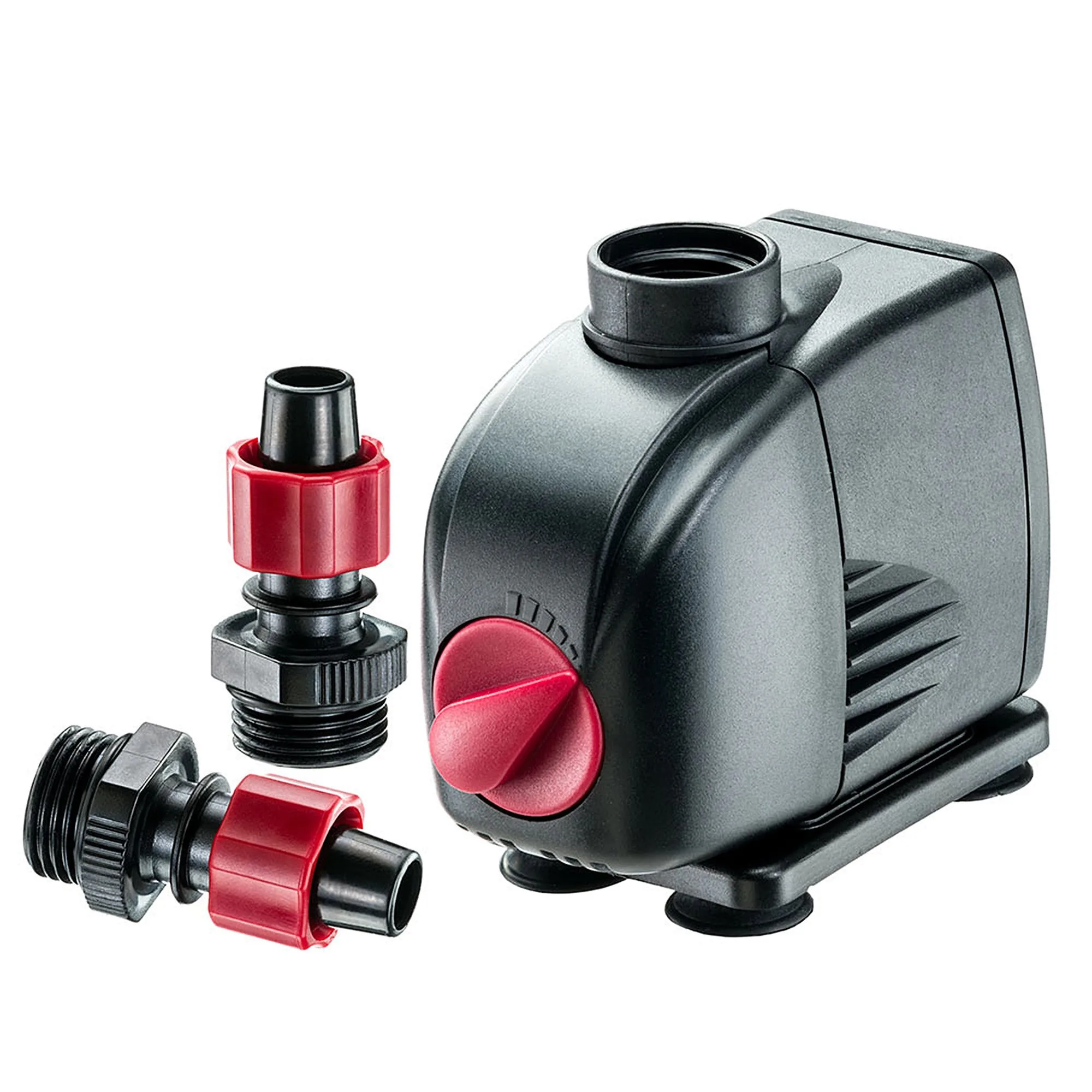
SELTZ L
-
PICO 750-1150: The PICO 750-1150 is a small, high-performance pump with flow regulation, ideal for fresh and marine aquariums, terrariums, and table fountains. Its compact size and flow control make it a good fit for smaller tanks or decorative water features where space is limited.
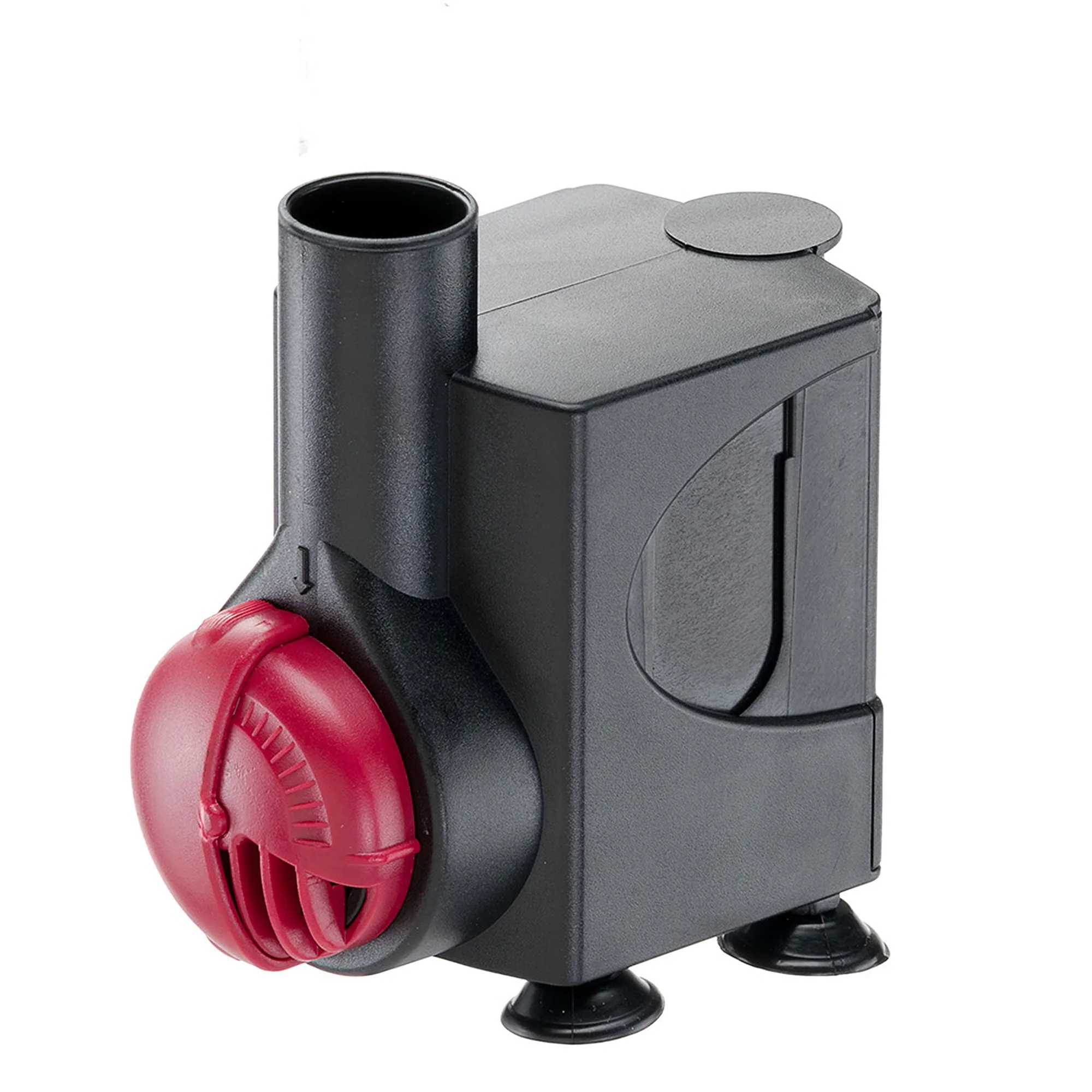
PICO 750-1150
Who Should Buy What
Best for
- Aquarists with sump or canister filter setups who need a reliable return pump with adjustable flow.
- Small tank owners looking for a compact, safe pump for water circulation or table fountains.
Not for
- Aquarists with very large tanks (over 150 gallons) who need high-flow pumps beyond the range of these models.
- Those looking for a pump specifically designed for external (dry) installation, as these are submersible models.