Quick answer
The best eye mask for sleep blocks light completely, fits your face shape without pressure on your eyes, and uses a breathable material like silk or cotton. Start by deciding between a contoured or flat mask, then check the strap adjustability and weight.
Contoured vs Flat Sleep Masks
Contoured masks have molded cups that keep fabric off your eyelids, allowing you to blink freely and reducing the chance of waking from pressure. Flat masks lie directly against your face, which can feel more secure but may press on your lashes or cause discomfort if you move a lot during sleep.
If you sleep on your side or stomach, a flat mask is less likely to shift than a bulky contoured one. For back sleepers who want zero eyelid contact, a contoured design is usually more comfortable.
Material and Breathability
Silk masks are naturally breathable, hypoallergenic, and gentle on delicate skin – especially helpful if you have sensitive skin or use retinol. Cotton masks wick moisture better and are easier to machine-wash, but may feel rougher over time. Avoid synthetic fabrics like polyester for the inner lining, as they trap heat and can cause sweating.
Look for masks with a padded or adjustable nose bridge to prevent light leaks. This matters more if you have a high nose bridge or sleep in a room with street lights.
Strap Adjustability and Fit
A mask that is too loose will slide off; one that is too tight can cause headaches or leave marks on your face. Choose a mask with an elastic strap that you can adjust at the back or with velcro. Some masks also come with a second strap that goes over your head for extra stability.
If you wear glasses, consider a mask that accommodates your nose bridge shape. A low-profile strap also helps if you sleep with a CPAP mask or earplugs.
Decision Rules for Choosing a Sleep Mask
- Light Blocking First: Test the mask in a dark room. If you see any light around the edges, the mask won't work for deep sleep. Look for a mask with a padded nose bridge or a contoured design that seals around your eyes. A flat mask with a good nose bridge is better than a contoured mask with gaps.
- Weight and Pressure: A heavier mask can feel grounding but may cause neck strain if you sleep on your side. A lightweight mask (under 30g) is less likely to disturb your sleep position. Lightweight contoured masks suit side sleepers best.
- Care Routine: Silk masks need hand-washing or a delicate cycle; cotton masks can be machine-washed. If you wash your mask weekly, choose a material that matches your cleaning habits. Cotton for easy care, silk for skin sensitivity.
Sleep Masks That Match These Criteria
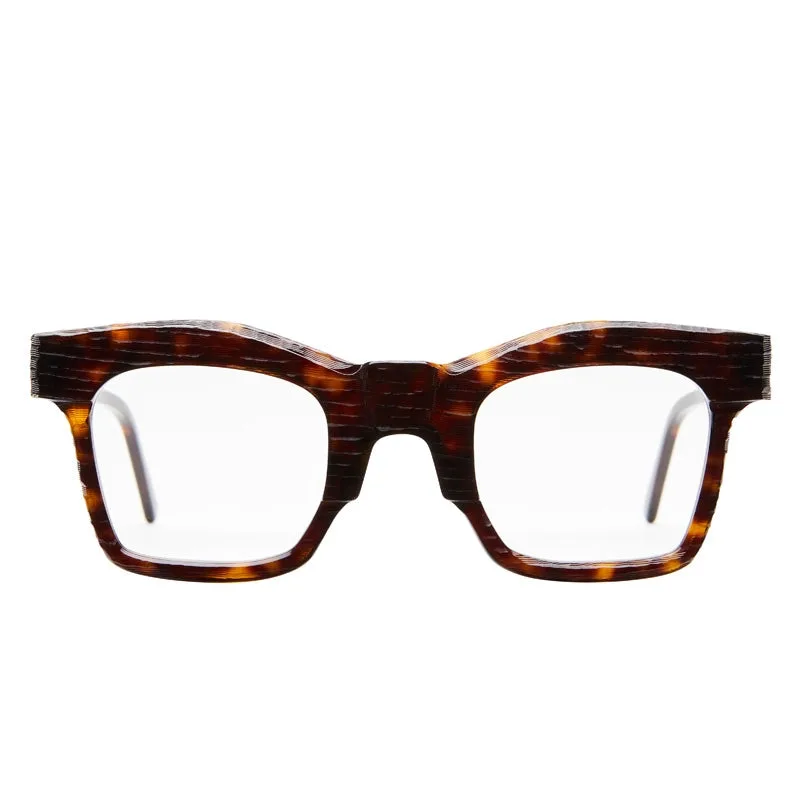
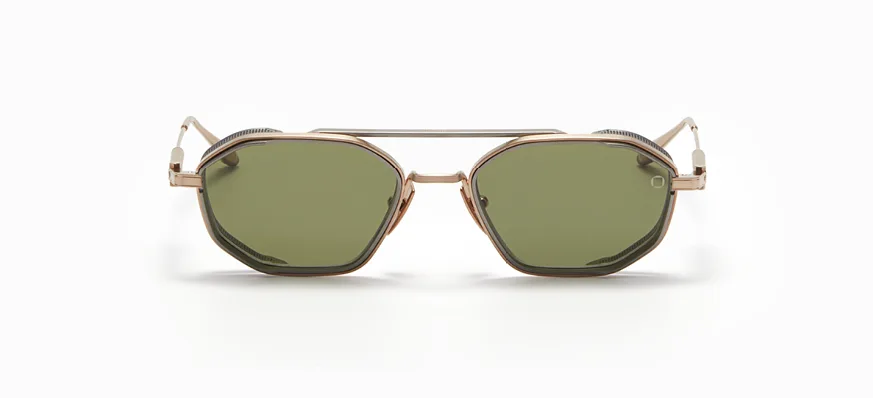
- MASK K21: The K21 Mask by Kuboraum is available in several colors and finishes. The details in the finish make all the difference in the overall aesthetic. Kuboraum masks are designed on the face of its wearers to highlight their personality and character. If you want a mask that feels like a personal accessory and blocks light with a custom fit, the K21's multiple color options let you match your bedroom decor or mood.
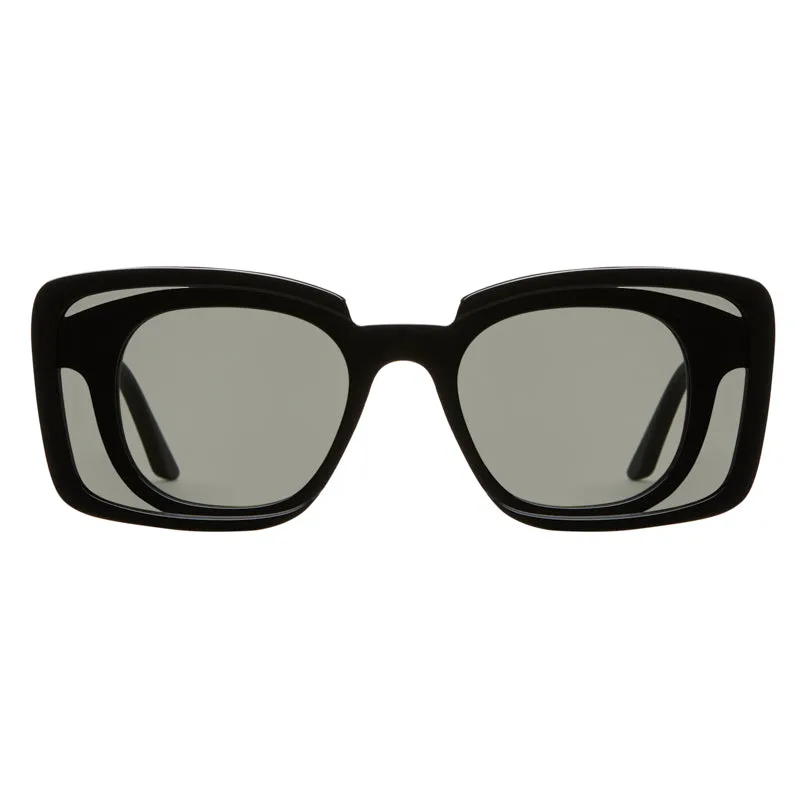
- MASK T7: Kuboraum masks are entirely dreamed in Berlin and handmade in Italy. All masks are designed to be cubic rooms where we shelter ourselves, free to live our intimacy and look at the world through two lenses. The T7 is a sunglass-style mask, but its Italian craftsmanship and contoured shape make it suitable for sleep if you prefer a firmer, more structured feel that stays in place.
Who Should Choose What
Best for
- Back sleepers who want zero eyelid pressure
- People with sensitive skin who need a soft, breathable inner layer
- Anyone who sleeps in a fully dark room and needs a secure fit
Not for
- Side or stomach sleepers who need a mask that won't shift
- People who prefer a mask that can be machine-washed weekly