Quick answer
If the cork is stuck but intact, grip it firmly with a waiter's corkscrew and pull straight up with steady pressure. If it has broken and the pieces are still reachable, use a two-pronged cork retriever or long tweezers to extract them. Stop if the cork crumbles into small fragments or falls completely into the bottle — at that point, decant the wine through a fine mesh strainer and serve it soon.
Why corks get stuck or break in the first place
A stuck cork usually means the cork has dried out and lost its elasticity, often from upright storage or a very old bottle. The glass neck may also have slight irregularities that grip the cork more tightly. A broken cork, on the other hand, often results from a corkscrew that wasn't centered, a spiral that's too short for the cork's length, or a cork that has become brittle with age. Knowing which situation you're facing determines the right removal method.
How to remove a stuck but intact cork
Start by wiping the bottle neck and cork top with a clean cloth so you can see what you're working with. Insert a waiter's corkscrew or lever corkscrew at a slight angle, aiming for the center of the cork. Once the spiral is fully inserted, brace the bottle on a stable surface and pull the handle up in one smooth motion. If the cork resists, apply steady pressure rather than yanking — sudden force is what causes breakage. For very stubborn corks, a lever corkscrew gives you more mechanical advantage than a basic waiter's model.
How to remove a broken cork with pieces still in the neck
When the cork has broken and the lower portion remains lodged in the neck, switch to a two-pronged cork retriever or a pair of long, blunt-nosed tweezers. Slide the tool along the inside of the bottle neck, past the cork fragment, then rotate gently to grip it. Pull upward slowly, keeping the tool against the glass to avoid pushing the cork deeper. If you don't have a retriever, a clean screwdriver or butter knife can sometimes work, but only if you can angle it under the fragment without crumbling it further. Work over a bowl or sink in case the cork drops.
What to do when the cork falls into the bottle
If the cork drops completely into the wine, don't try to fish it out with your fingers — that introduces bacteria and pushes it around. Instead, decant the wine through a fine mesh strainer or a clean coffee filter into a decanter or pitcher. The cork itself won't harm you, but it can add a slight corky taste if left in contact for too long. Once strained, serve the wine within a day or two, as the extra oxygen from decanting will accelerate its decline.
Dealing with cork crumbs in the wine
Small cork fragments that end up in the glass are harmless but unpleasant. If you notice crumbs floating in the bottle after removal, strain the wine as above. For future bottles, keep a spare spiral for your lever corkscrew on hand — a dull or bent spiral is a common cause of crumbling. Also, store bottles on their side so the cork stays moist and flexible, which dramatically reduces the chance of breakage.
Diagnosis: match the symptom to the right fix
- Cork is stuck but intact: The cork hasn't broken; it's just tight in the neck. Use a lever corkscrew or waiter's corkscrew, insert centered, and pull straight up with steady pressure. If it still won't budge after two attempts, stop — you're risking a break. Try a two-pronged retriever instead.
- Cork has broken, pieces still in neck: The top half came out but the bottom remains lodged. Use a cork retriever or long tweezers to grip and extract the fragment without pushing it deeper. If the fragment crumbles into small bits, switch to decanting through a strainer.
- Cork has fallen completely into the bottle: The entire cork is now floating in the wine. Don't fish it out with fingers; decant the wine through a fine mesh strainer into another vessel. Serve the strained wine within a day or two — it will oxidize faster after decanting.
- Cork crumbs are floating in the wine: Small fragments from a crumbled cork are in the bottle. Strain the wine through a coffee filter or fine strainer before serving. Prevent future crumbs by replacing a worn corkscrew spiral and storing bottles on their side.
Tools that make cork removal easier
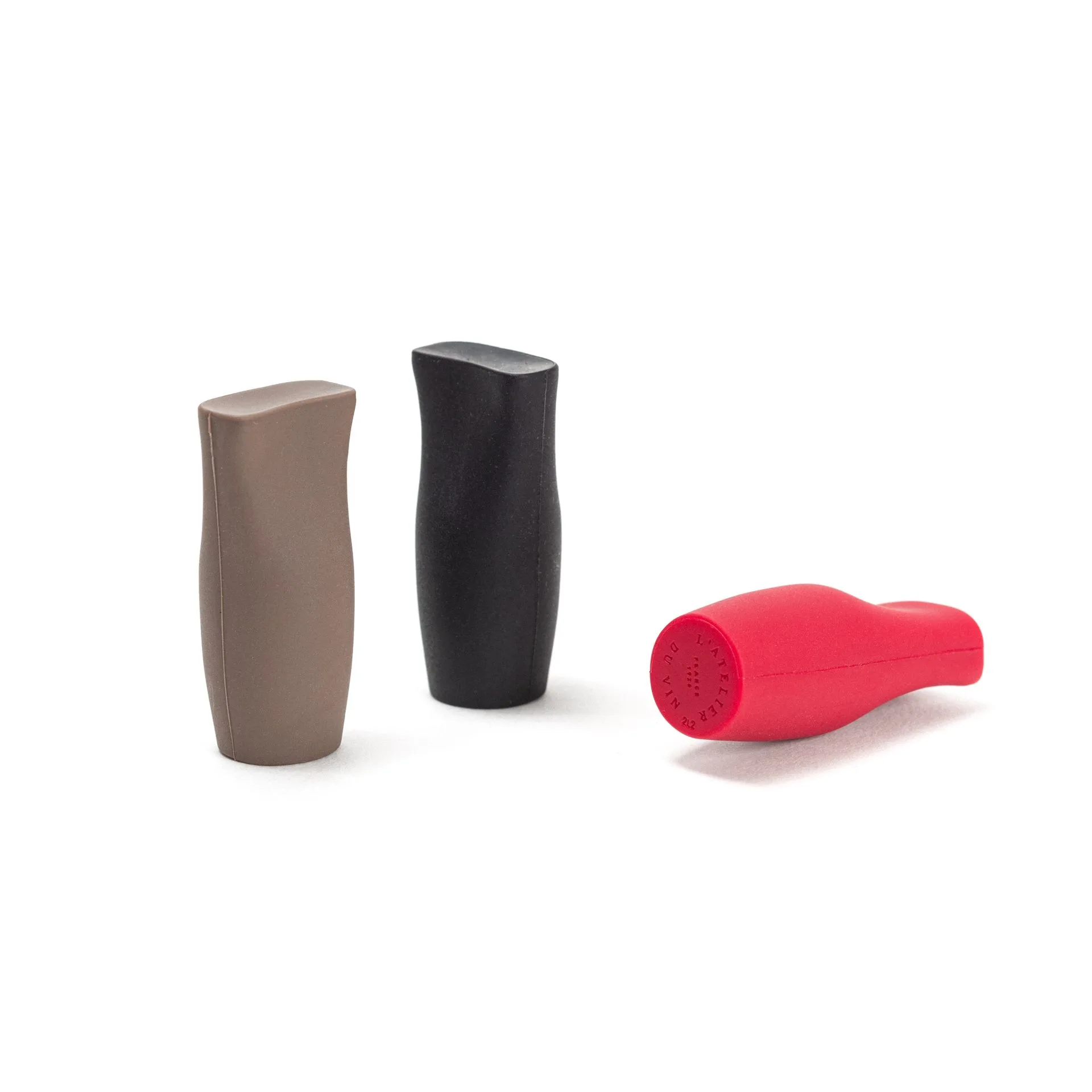
- Universal Wine Bottle Stopper | L’Atelier du Vin: Universal Wine Bottle Stopper | L’Atelier du Vin — reusable stopper that securely seals opened bottles and fits most standard neck diameters. If you've had to remove a broken cork and don't plan to finish the bottle, this stopper lets you reseal it to preserve the wine's character between pours.
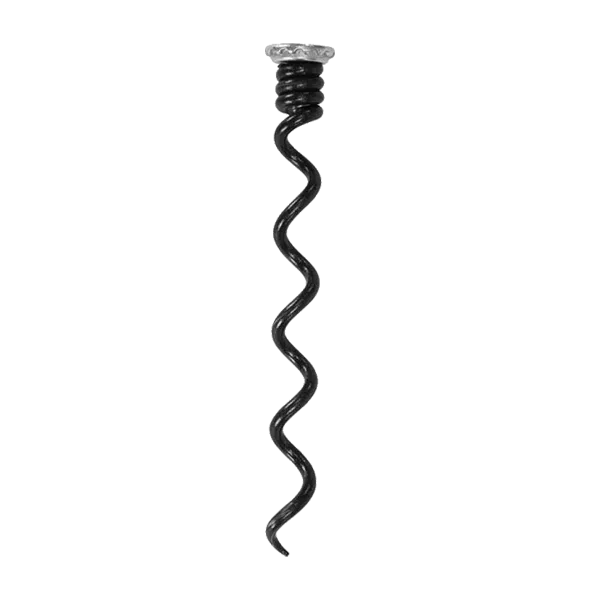
- Spare spiral for lever corkscrew - L'Atelier du Vin: Spare spiral for lever corkscrew - L'Atelier du Vin — direct replacement spiral for lever-style corkscrews, compatible with L’Atelier du Vin lever models. A worn spiral is a leading cause of broken corks; replacing it keeps your corkscrew performing smoothly and reduces the risk of crumbling.