Quick answer
Freeze bread the day you buy or bake it, wrapped tightly in plastic then foil or a freezer bag, and thaw it still wrapped at room temperature for 2 to 4 hours. For a crisp crust, refresh it in a 350°F oven for 5 to 10 minutes after thawing. Never thaw bread unwrapped on the counter, and never microwave a whole loaf unless you plan to eat it immediately.
Good bread rarely goes stale in a straight line. It dries from the outside in, so a loaf that was perfect at breakfast can be tough by dinner. Freezing pauses that process, but only if you wrap it before the crumb loses moisture and thaw it without forcing the water out.
The method below works for lean sourdough, enriched sandwich loaves, and soft buns alike. The main variables are how tight the wrap is, how fast the bread thaws, and whether you reheat it to bring the crust back. Get those three right and frozen bread can taste close to fresh.
Why freezing works, and where it goes wrong
Freezing stops mold and slows staling, but it does not stop moisture loss. Ice crystals form in the crumb, and if the bread is exposed to dry freezer air, those crystals migrate to the surface and evaporate. That is why an unwrapped loaf comes out dry and crumbly even though it was frozen at its peak.
The second problem is starch retrogradation. When bread cools, starch molecules reorganize and squeeze out water, which is what makes day-old bread firm. Freezing slows that process, but a slow thaw at room temperature lets it resume. A brief reheat reverses it, which is why toast always seems softer than the slice it came from.
- Freeze bread within 24 hours of baking or buying it. After that, you are preserving stale bread.
- Squeeze the air out of freezer bags, or wrap tightly in plastic wrap and then foil for longer storage.
- Label the package with the date. Most breads are best within 2 to 3 months.
How to wrap bread for the freezer
For a whole loaf, wrap it in two layers: plastic wrap pressed against the crust, then aluminum foil or a heavy freezer bag. The plastic keeps moisture in; the foil or bag keeps freezer air out. If you only use a paper bag or a loose bread bag, the loaf will dry out within a couple of weeks.
For buns, rolls, and baguettes, freeze them individually first on a sheet pan for about an hour, then transfer to a freezer bag. This keeps them from freezing into a solid block, so you can pull out one or two at a time. Sliced bread can go straight into a bag with parchment between slices if you plan to toast from frozen.
- Press plastic wrap directly onto the surface of the bread. Air pockets are the enemy.
- Use freezer-grade bags or foil, not thin produce bags or wax paper.
- For a segmented loaf like a pull-apart epi baguette, freeze the whole loaf if you plan to serve it all at once, or separate the segments first if you want single portions.
How to thaw bread without drying it out
Thaw bread in its wrapping at room temperature. A whole loaf takes about 3 to 4 hours; a baguette or a few buns take 1 to 2 hours. The wrap traps the moisture that would otherwise escape, so the crust reabsorbs some of it as the ice melts.
If you are in a hurry, you can thaw bread in a 300°F oven still wrapped in foil, but skip the plastic wrap. It will take 15 to 25 minutes for a loaf. A microwave works for a single slice or bun, but it makes the crust rubbery, so plan to eat it right away. Never thaw bread on a bare counter; the dry air pulls moisture out of the crust.
- For a crisp crust, unwrap the loaf after thawing and bake at 350°F for 5 to 10 minutes.
- For soft buns, leave them wrapped and warm them at 300°F for 8 to 10 minutes.
- If the bread feels damp after thawing, that is normal. The reheat step drives off surface moisture.
How to reheat frozen buns and rolls
Buns and rolls reheat best from frozen or partially thawed. Wrap them in foil and bake at 350°F for 10 to 15 minutes, or split them and toast cut-side down in a skillet for a crisp edge. For a larger batch, put them in a covered baking dish with a splash of water and warm at 325°F for 15 minutes.
If you are reheating a soft bun like a hot dog bun, keep it wrapped so the steam softens the crumb. If you want a crusty roll, leave it uncovered for the last 3 minutes. The goal is to warm the center without drying the outside, so lower heat and a covered pan beat high heat every time.
- Sprinkle a few drops of water on the foil before sealing it around buns to create steam.
- Reheat only what you will eat. Repeated thawing and reheating dries bread out fast.
- For a single bun, a 30-second microwave burst followed by a quick toast in a dry pan gives the best texture.
What not to freeze, and what to do instead
Very crusty breads with a thin, crackly crust, like a lean sourdough with a dark bake, lose some of that snap in the freezer. They are still good, but the crust will be softer after thawing. If crust is the whole point, eat those fresh and freeze a different loaf.
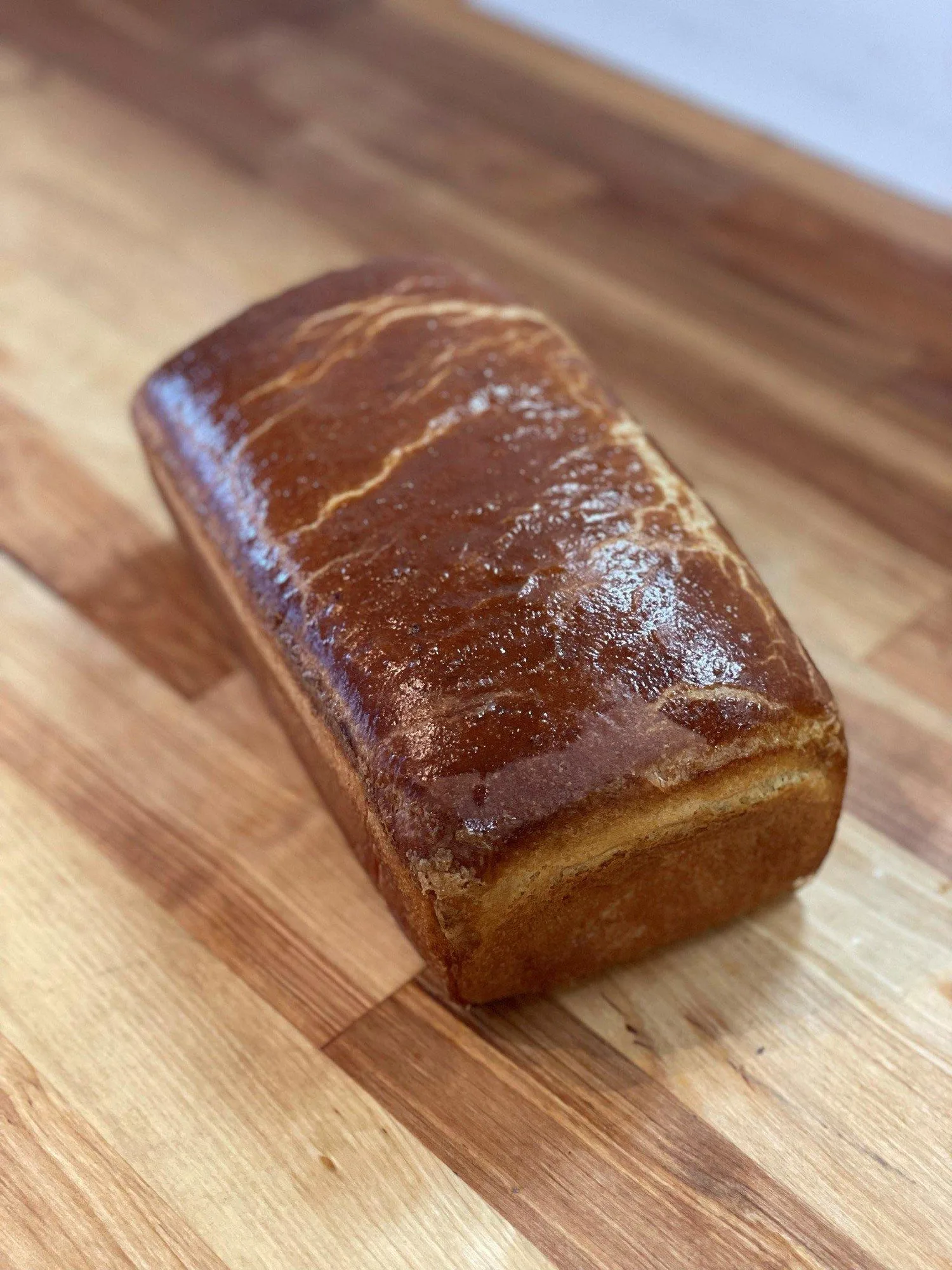
Enriched breads, buns, and sliced sandwich loaves freeze beautifully because their fat and sugar content helps hold moisture. If you have more bread than you can eat, freeze it the day you get it rather than waiting for it to stale. For a segmented loaf like the Sourdough Epi Baguette, the pull-apart shape means you can freeze the whole thing and thaw only what you need, or separate the segments before freezing for single servings.
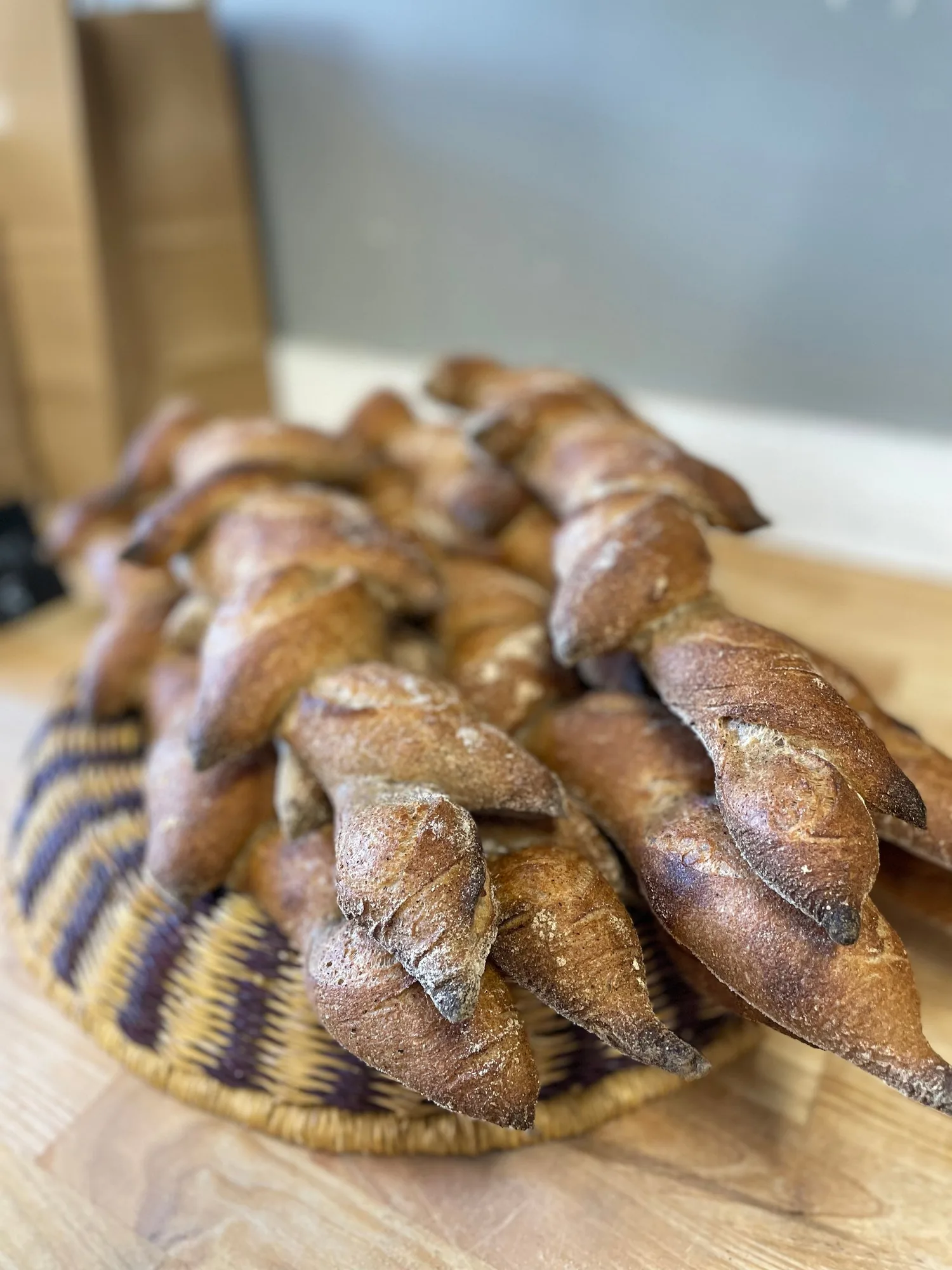
Sourdough Epi Baguette
- Do not refreeze bread that has already been thawed. The texture suffers.
- If you freeze a loaf that was already sliced, it will thaw faster but dry out faster too. Wrap it tightly.
- For long storage, double-wrap and use within 3 months for best flavor.
Freeze-and-thaw steps that protect texture
- Freeze at peak freshness: Wrap the bread the same day you buy or bake it, while the crumb is still soft. If it is already a day old, the freezer will preserve that staleness rather than reverse it. Checkpoint: if the crust is already hard, plan to reheat it before serving.
- Wrap in two layers: Press plastic wrap against the crust, then add foil or a freezer bag. For buns, freeze individually on a sheet pan first, then bag them so they do not clump. Mistake to avoid: using only a paper bag or loose wrap, which lets freezer air dry the bread out.
- Thaw in the wrapping: Leave the bread wrapped at room temperature for 2 to 4 hours, depending on size. The wrap traps moisture so the crust does not dry out as the ice melts. Checkpoint: the bread should feel soft at the center, not cold or icy.
- Refresh with gentle heat: For a crisp crust, unwrap and bake at 350°F for 5 to 10 minutes. For soft buns, keep them wrapped and warm at 300°F for 8 to 10 minutes. Mistake to avoid: microwaving a whole loaf, which makes the crust rubbery and the crumb tough.
- Reheat only what you need: Pull out individual buns or slices and warm them as you go. Repeated thawing and reheating dries bread out faster than any other step. Next step: label your freezer packages with the date and use them within 2 to 3 months.
Bakery picks that freeze well
- Sourdough Epi Baguette: Pull-apart baguette shaped to resemble a wheat stalk, with each piece pulling away from the loaf. The segmented shape lets you freeze the whole loaf and thaw only the pieces you need, or separate segments before freezing for single servings.
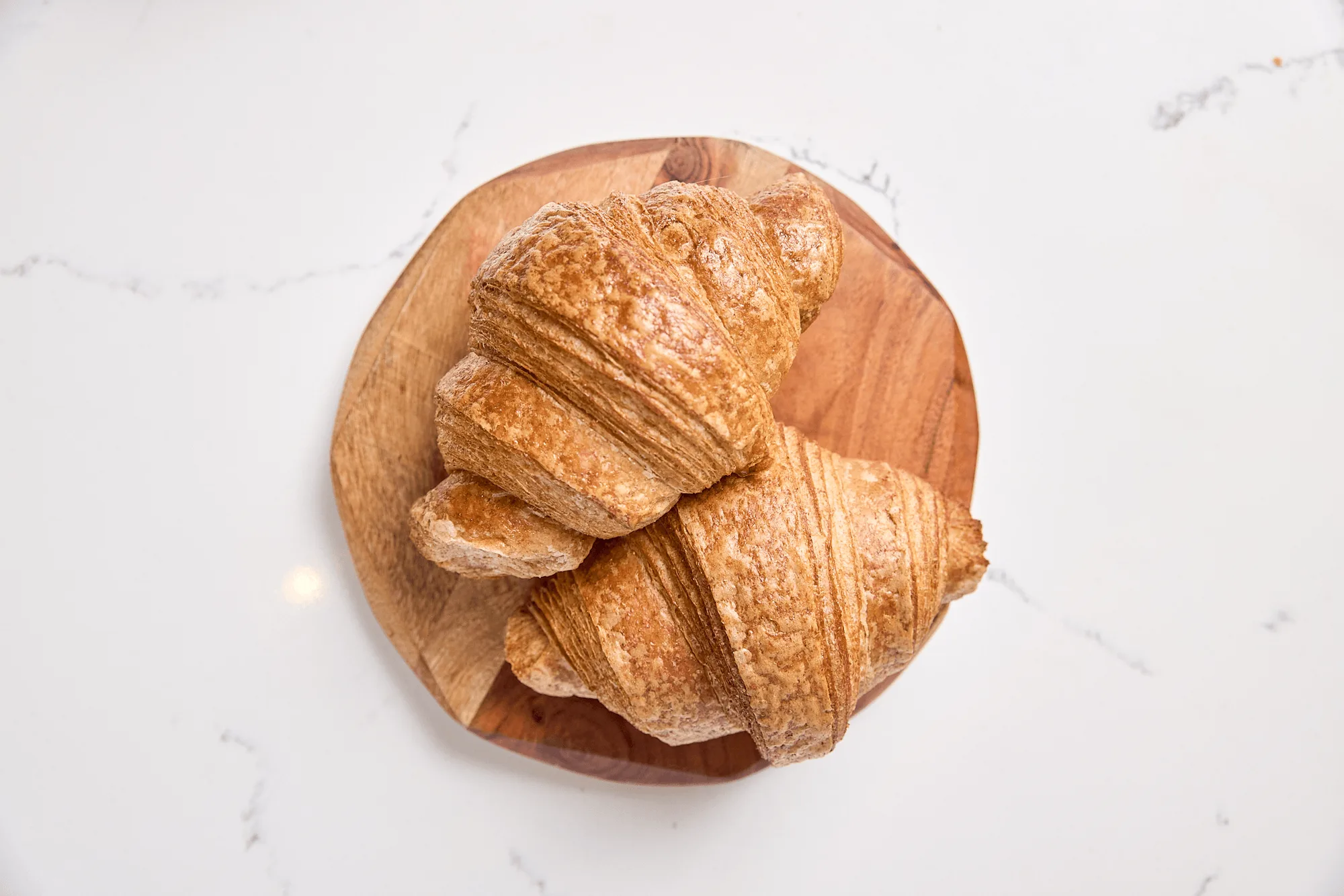
- Croissant: Offered as part of the Pastries & Scones selection and suited to morning coffee, an afternoon break, or a shared table. Croissants freeze well individually and reheat in a few minutes, making them a good candidate for freezing on a sheet pan before bagging.
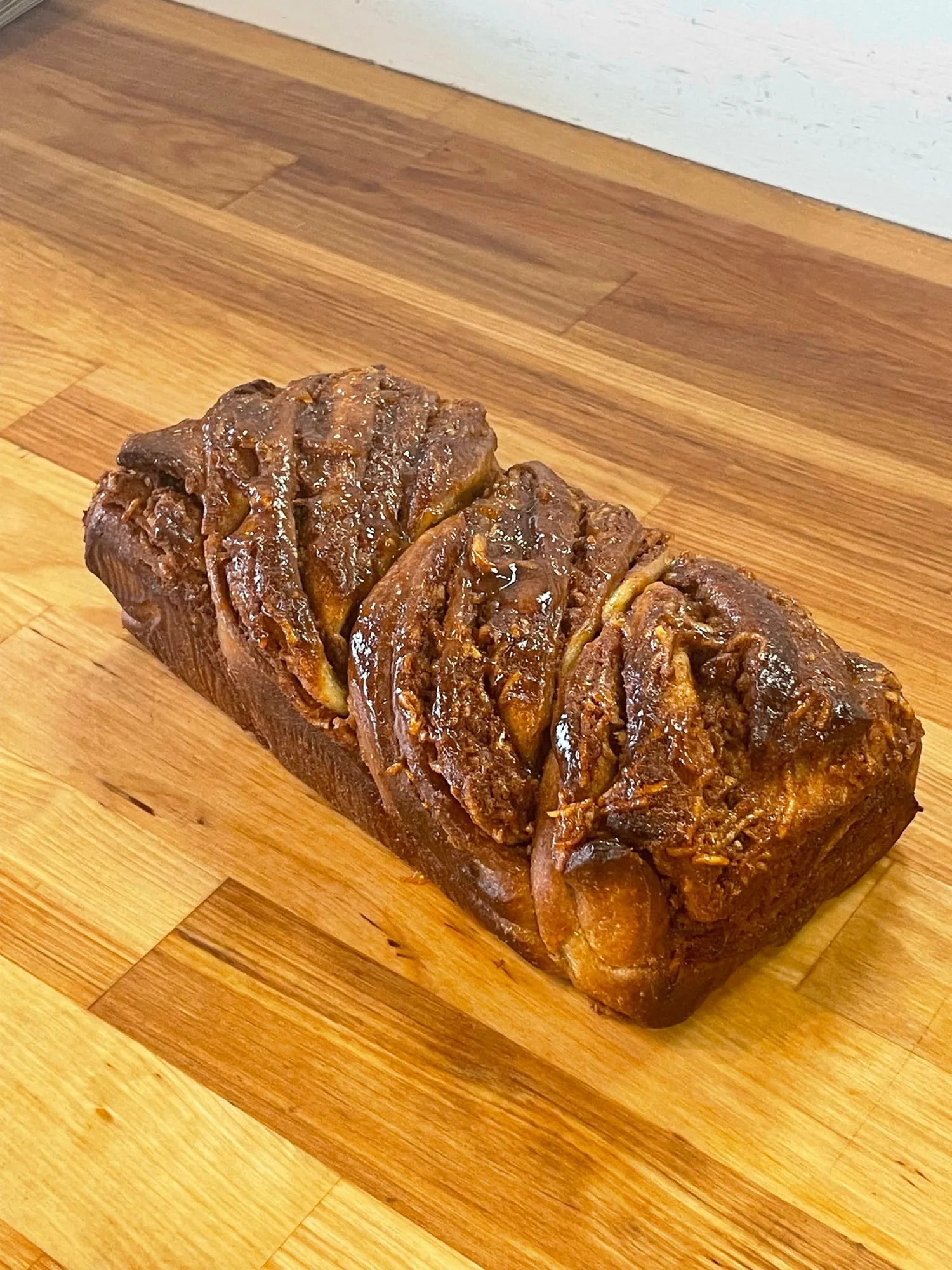
- Cinnamon Babka: Braided brioche-style bread made with Saigon cinnamon, listed under Bread & Pastry Dough. Enriched breads like babka hold moisture well in the freezer; slice before freezing so you can thaw one piece at a time.
Freezing bread is not complicated, but the details matter: wrap it tight, thaw it slow, and give it a quick reheat to bring the crust back. Do that and a frozen loaf or bun can be nearly as good as the day you brought it home.