Quick answer
Wear a moisture-wicking base layer against your skin, add a breathable midlayer for warmth, then a windproof and waterproof shell. For cold belays or lift rides, carry a lightweight insulation jacket and put it on under your shell. Adjust layers before you sweat, not after you chill.
Start with a base layer that moves sweat away from skin
Choose a synthetic or merino wool base layer that fits snugly without restricting movement. The goal is to move moisture off your skin so the next layers can insulate effectively. If you are layering for ski touring, a thinner base layer often works better because you generate more heat on the uphill. For cold-weather climbing, a midweight base layer can be a better start when you expect long periods of standing at belays.
Add a midlayer for warmth and breathability
A grid fleece or light synthetic jacket works as a midlayer. It traps warmth while letting vapor escape, so you stay drier during hard effort. Look for a midlayer that fits close to the body but leaves room for a base layer underneath. If your midlayer is too loose, it will not move moisture efficiently and can feel bulky under a harness or pack.
Choose a shell that blocks wind and precipitation
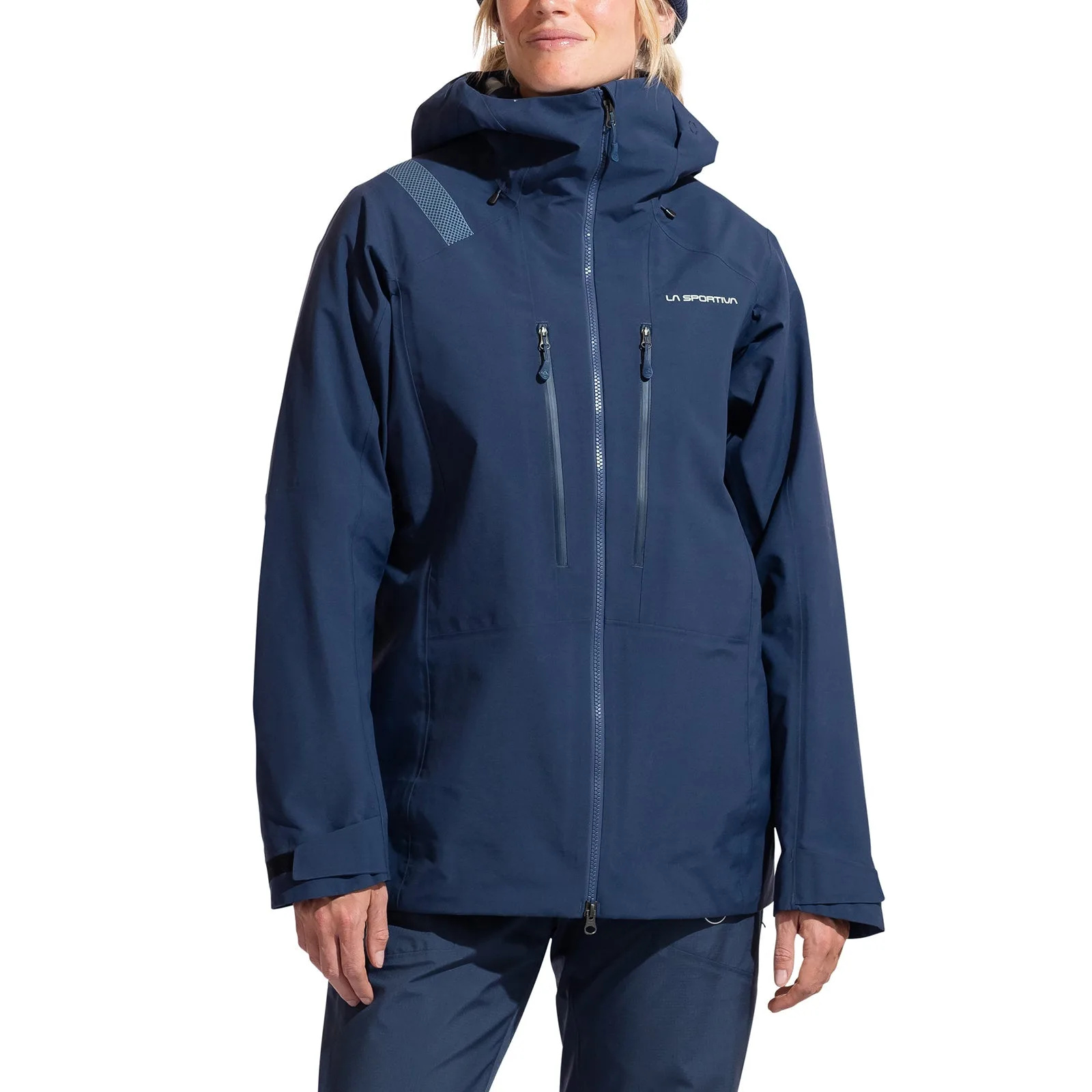
Your shell is your outer defense against wind, snow, and rain. For skiing, a waterproof and breathable shell with a helmet-compatible hood and pit zips gives you ventilation on the skin track and protection on the lift. For ice climbing, a shell that allows overhead reach and fits over your harness is essential. Make sure the shell has room for your midlayer and an insulation jacket underneath without compressing the insulation.
Carry an insulation jacket for stops and cold snaps
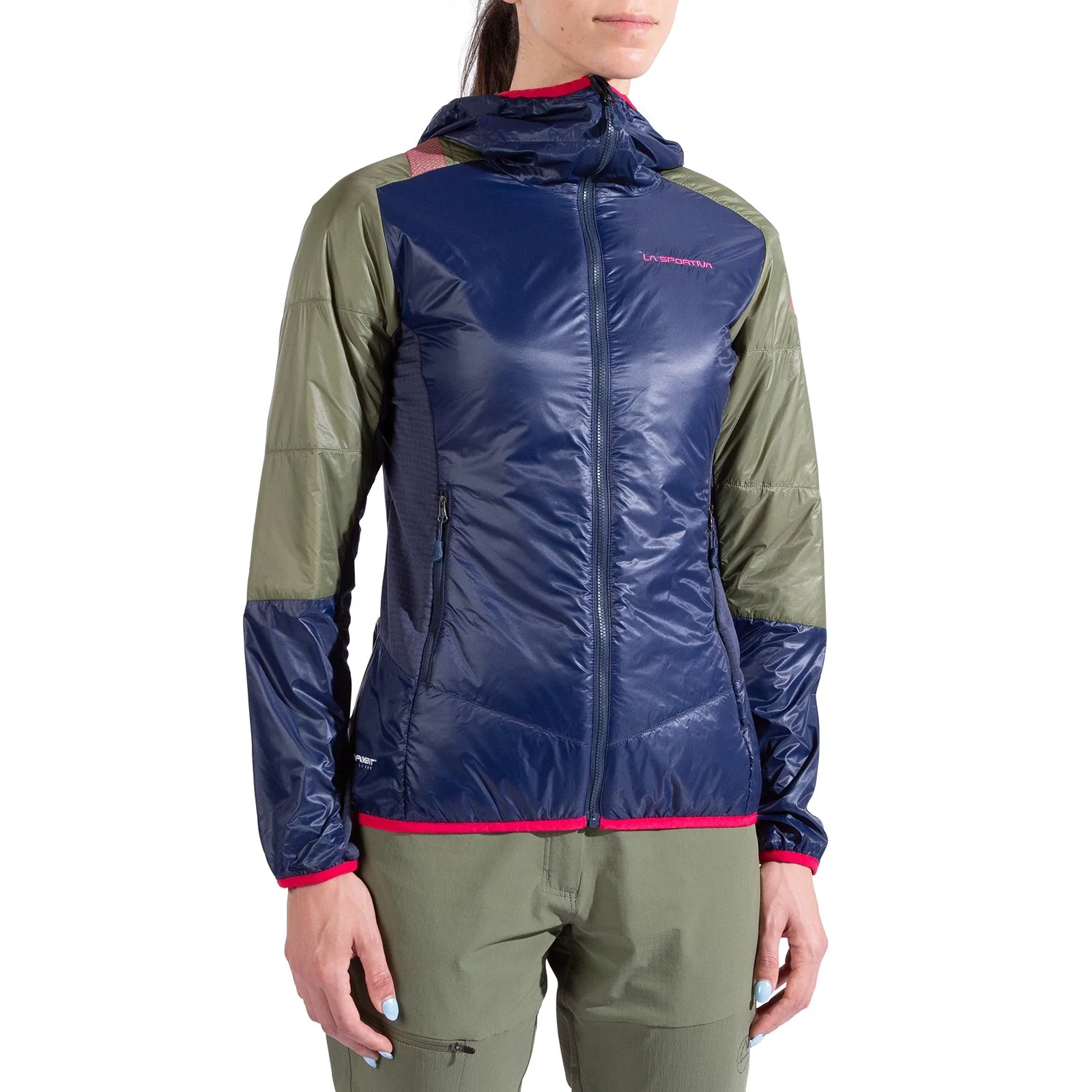
A lightweight synthetic or down insulation jacket is your emergency warmth. Put it on under your shell when you stop for a belay, a lunch break, or a transition. This keeps your core warm without adding bulk on the outside. The Aequilibrium Lite Insulation Jacket Women's is designed for swift starts and technical climbs, with a warmth-to-weight ratio and freedom of movement that suit this role. It has harness-compatible pockets and a hood that can be worn over your helmet, which matters when you need warmth without removing your helmet.
Adjust layers before you sweat or chill
The biggest mistake is waiting until you are soaked with sweat or shivering to change layers. Vent your shell, open pit zips, or remove your midlayer before you overheat on the uphill. Add your insulation jacket before you get cold at a belay. This proactive approach keeps your clothing dry and your temperature stable. For layering for ski touring, start slightly cool at the trailhead and add layers as you warm up.
Step-by-step layering system
- 1. Put on your base layer first: Choose a synthetic or merino base layer that fits snugly against your skin. It should wick moisture and dry quickly. For high-output ski touring, go thinner; for cold ice climbing, go midweight. Checkpoint: Your base layer should feel like a second skin, not loose or baggy.
- 2. Add a breathable midlayer: A grid fleece or light synthetic jacket traps warmth and lets vapor escape. It should fit close to the body but not compress your base layer. This is your main adjustable layer for active climbing or skiing. Checkpoint: You should be able to move your arms overhead without the midlayer riding up.
- 3. Put on your shell: Your shell blocks wind and precipitation. Look for a helmet-compatible hood, pit zips, and enough room to fit over your midlayer and an insulation jacket. For climbing, ensure it does not restrict overhead reach. Checkpoint: Zip up the shell and reach overhead. If it pulls at the shoulders, size up or choose a more stretchy shell.
- 4. Carry and deploy an insulation jacket: Pack a lightweight insulation jacket like the Aequilibrium Lite Insulation Jacket Women's. Put it on under your shell when you stop for a belay or a break. It adds warmth without bulk and works with your harness and helmet. Checkpoint: Practice putting it on and taking it off with your pack and harness on before you need it.
- 5. Adjust before you sweat or chill: Open pit zips, remove your midlayer, or add your insulation jacket before you overheat or get cold. The goal is to stay dry and comfortable all day. For ski touring, start cool and add layers as you warm up. Checkpoint: If you feel sweat on your back, vent immediately. If you shiver, add insulation before you get colder.
Product facts
- Aequilibrium Lite Insulation Jacket Women's: The Aequilibrium Lite Insulation Jacket Women's is designed for swift starts and technical climbs, offering optimal warmth-to-weight ratio and freedom of movement. It combines Pertex® Quantum and Polartec® Power GridTM fabrics for breathability and warmth, and features harness-compatible pockets and a hood that can be worn over your helmet for practicality on the wall. This makes it a strong choice as an insulation jacket under shell for cold-weather climbing, because it adds warmth without restricting movement and works with a harness and helmet.
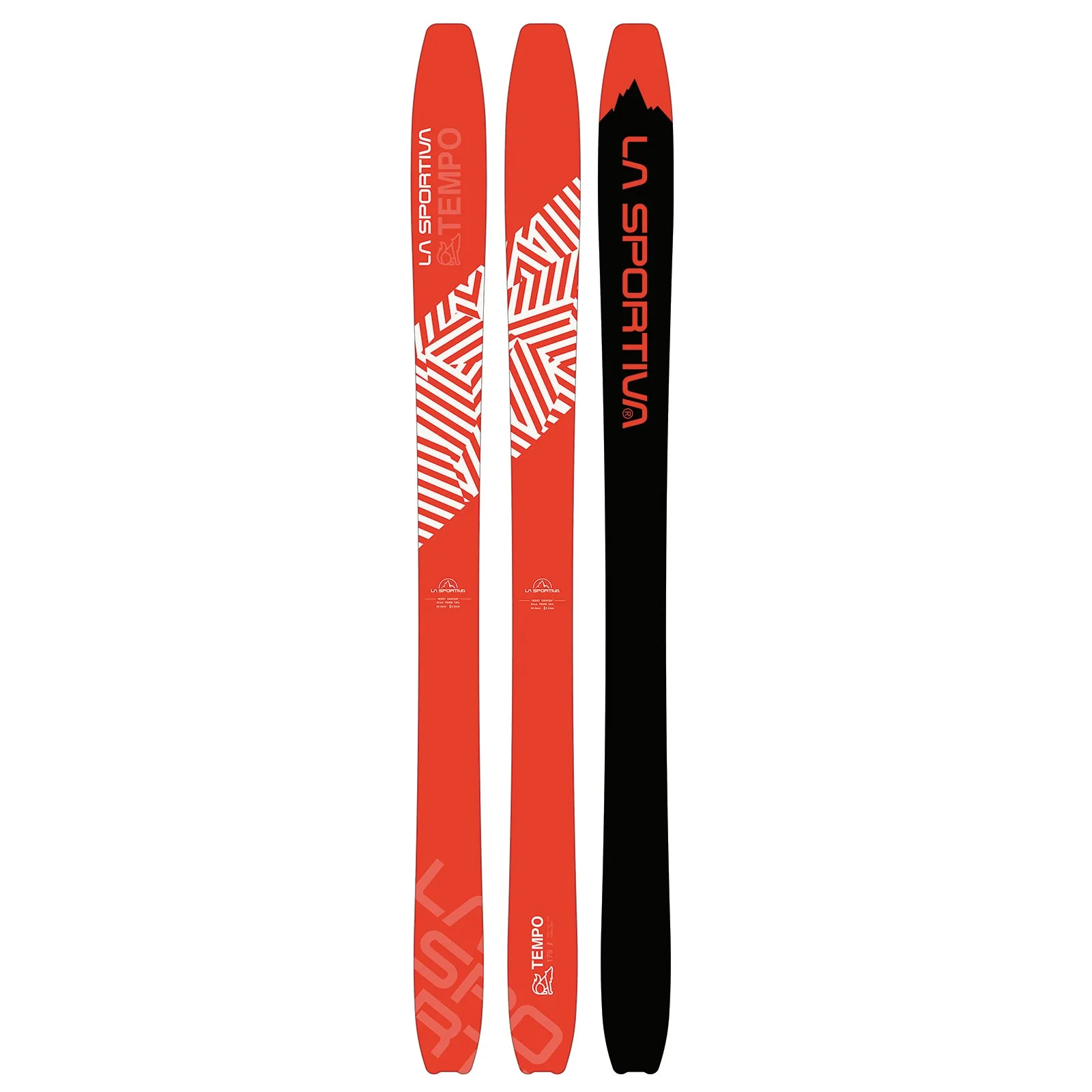
- Ski - Tempo (2023): The Tempo sets the pace at 103 underfoot and the 18m radius lets you charge through soft, variable or hard-pack snow. PU sidewalls dampen high-speed chatter and the all mountain rocker profile lets you porpoise through the fluff. If you are layering for ski touring, a ski like the Tempo that handles variable snow gives you a stable platform so you can focus on managing your temperature and layers rather than fighting your gear.