Quick answer
Measure your underbust snugly and your bust loosely over the fullest part, both in centimetres, then subtract the underbust from the bust to find your cup size. Take both measurements with a soft tape and no padded bra, and round to the nearest whole number. Once you have the numbers, confirm the fit on your body, because a tape measure gives you a starting point, not a guarantee.
What you need before you start
A soft, flexible tape measure is the only tool you really need. If you do not have one, a piece of non-stretch string and a ruler works, but check the string has not stretched before you trust the result. Stand in front of a mirror so you can keep the tape level, and wear an unpadded bra or no bra at all. A padded or push-up bra adds volume that is not yours, so it will skew the bust number.
How to read your measurements
Write both numbers down in centimetres and round to the nearest whole number. The difference between your bust and underbust gives you the cup size: roughly 2.5 cm per cup step, so a 10 cm difference sits around a DD or E depending on the brand. This is why the same body can wear different sizes in different labels. Use the numbers as a starting point, then try the bra on and adjust the band or cup if the fit is not right.
Step-by-step bra size measurement
- Step 1: Measure your underbust: Wrap the tape around your ribcage, directly under your bust, keeping it level and snug but not tight. Breathe out normally and read the number in centimetres. Common mistake: pulling the tape too tight. It should sit flat against your skin, not dig in.
- Step 2: Measure your bust: Wrap the tape around the fullest part of your bust, usually across the nipple line, keeping it level and relaxed. Do not pull it tight or let it slip down at the back. Checkpoint: the tape should be parallel to the floor all the way around.
- Step 3: Work out your cup size: Subtract your underbust measurement from your bust measurement. Each 2.5 cm of difference is roughly one cup step, so a 10 cm difference is around a DD or E depending on the brand. Common mistake: rounding the difference down too far. If you are between cup steps, try the larger cup first.
- Step 4: Check the band first: Put on a bra in your calculated size and fasten it on the loosest hook. The band should feel firm and stay level at the back, not ride up. If it rides up, go down a band size and up a cup size. Checkpoint: you should be able to fit two fingers under the band, no more.
- Step 5: Adjust the cup and straps: Scoop your breast tissue into the cup and adjust the straps so they sit flat without digging in. The centre front should sit against your chest, and the cups should not gap or overflow. Next step: if the cup wrinkles, try one cup size down. If it cuts in, try one cup size up.
Bras to try once you have your measurements
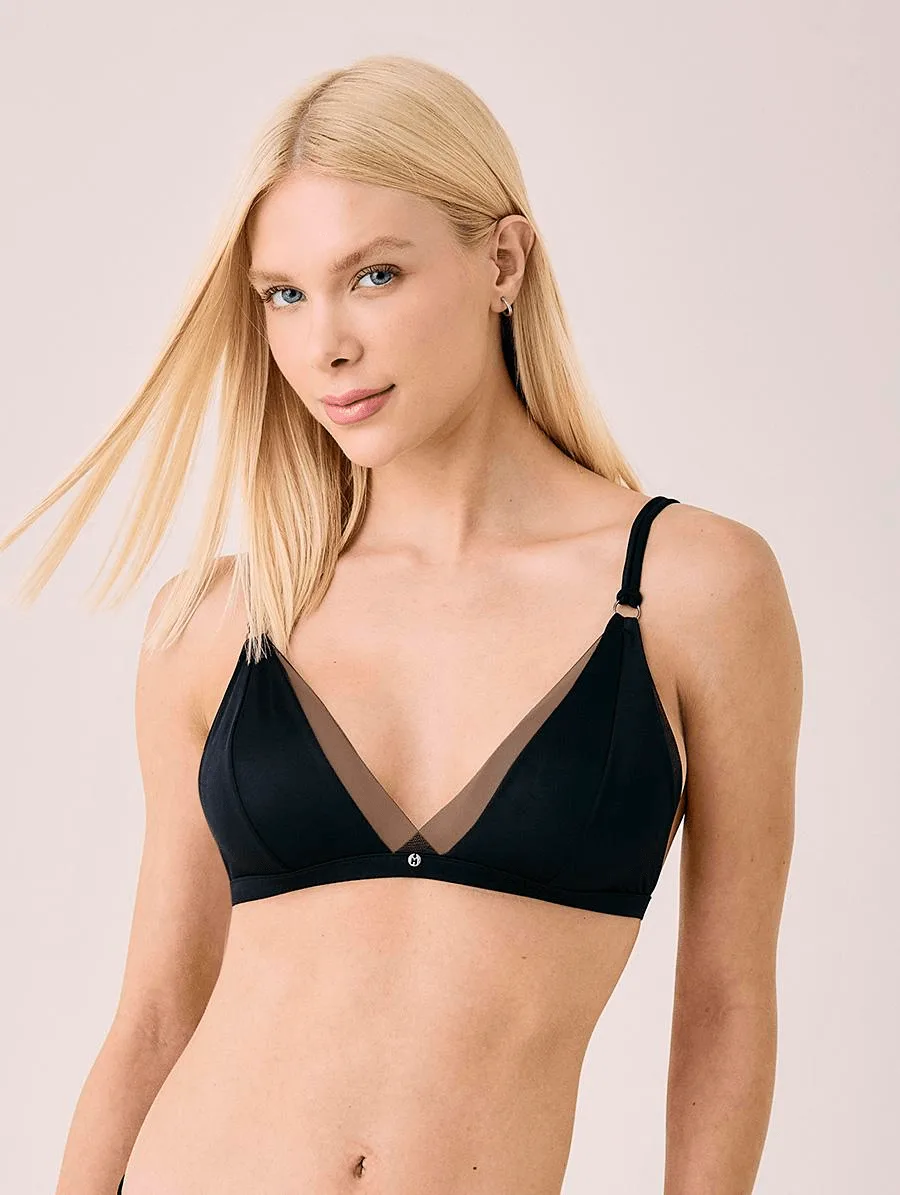
- Lace-Underwire Bra - Full Cup: A soft triangle bra with a plunge neckline, fine adjustable straps and a wire-free, light feel. If your measurements put you between sizes, the adjustable straps and soft shape make this an easy everyday option to test your new size without a rigid underwire.
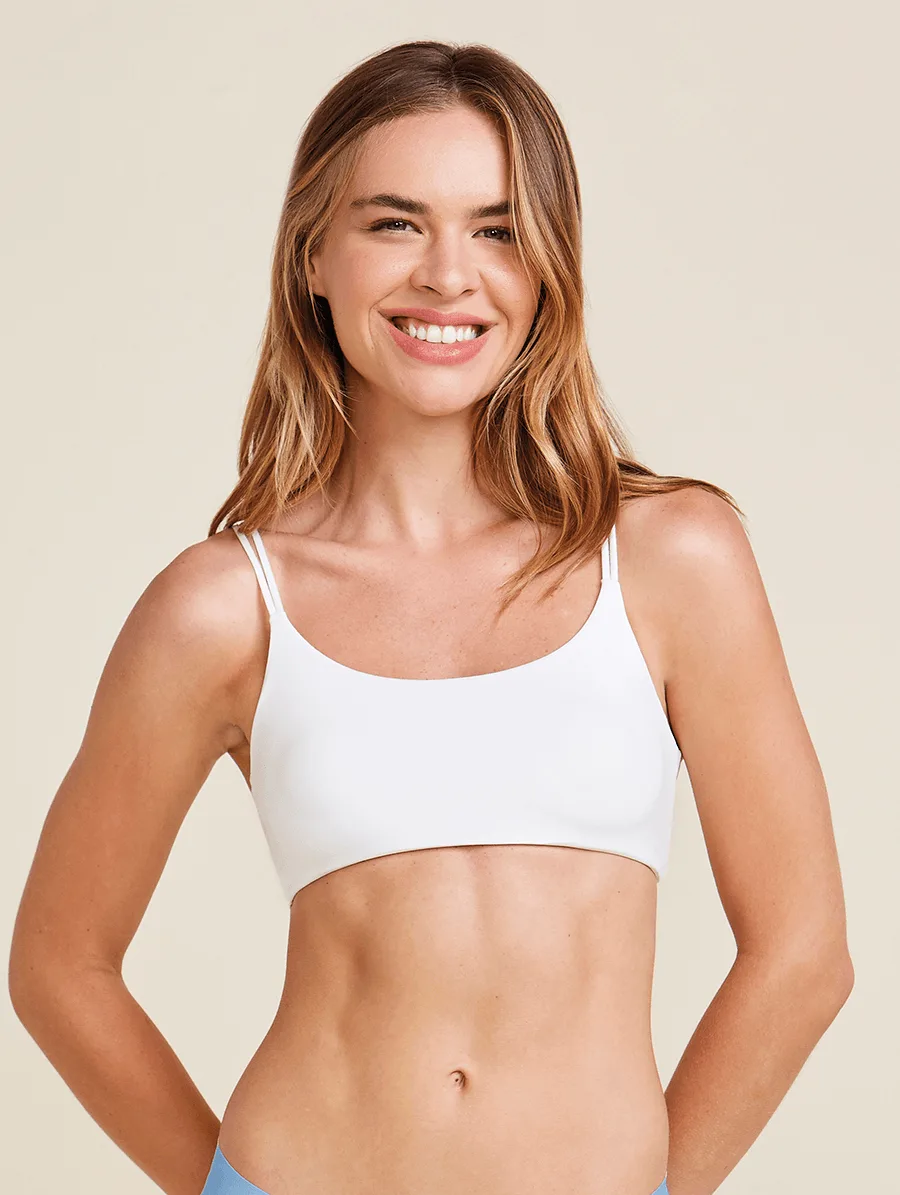
- Bralette - Twin Straps: A soft microfibre bralette with removable cups, stretch fabric and light support. Removable cups let you add or remove shaping as your size shifts, which is useful when you are still confirming your measurement.
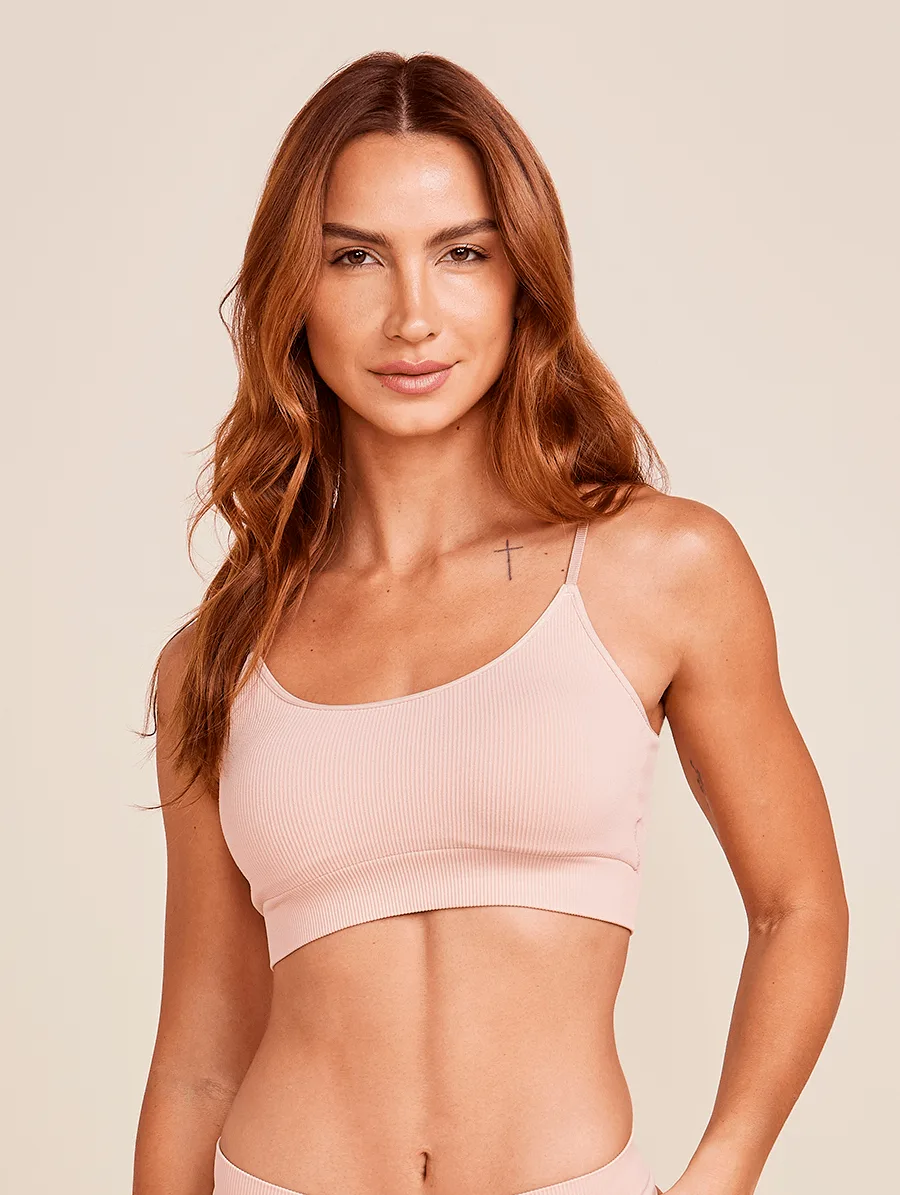
- Ribbed Bralette - Thin Straps: A ribbed microfibre bralette with thin adjustable straps, removable cups and flat finishes. The thin straps and flat finishes sit smoothly under clothing, so you can check whether your measured size feels comfortable for a full day.