Quick Answer
Alternator whine is a grounding or cable-routing problem in most cases, not a failed amplifier. Start by confirming the noise changes with engine RPM, then move your amplifier ground to bare chassis metal and reroute RCA cables away from power wires. If the whine remains, test with a temporary ground or a different source unit before buying new gear.
Confirm the Noise Is Actually Alternator Whine
Turn the engine on and rev it slowly in neutral. If the high-pitched whine rises and falls with RPM, you have alternator whine. If the noise stays constant or only appears with the stereo on, it is likely a different issue such as a bad speaker connection or a noisy source unit. This distinction matters because the fix for RPM-linked noise is almost always in the power and ground path, not the speakers themselves.
Check the Amplifier Ground First
The amplifier ground is the most common cause of a ground loop car stereo. The ground cable should be as short as possible and bolted to bare metal on the chassis, not to a painted surface, seat bracket, or existing factory bolt that also carries other electronics. Sand the paint away, use a star washer, and tighten the bolt firmly. If your ground wire is longer than about 18 inches, move the amplifier or find a closer grounding point.
Reroute RCA Cables Away From Power Wires
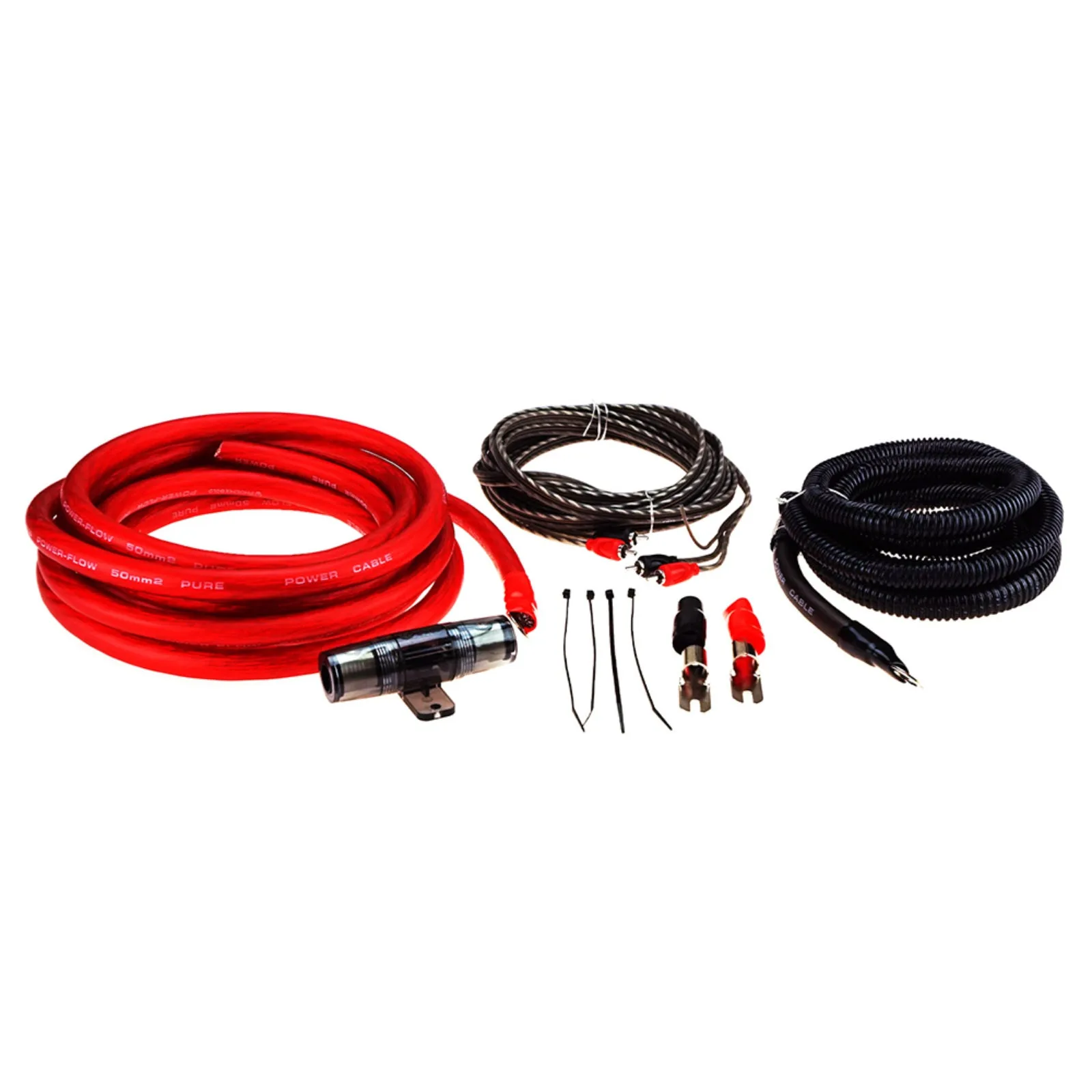
RCA cables carry a low-voltage audio signal, and running them parallel to the main power cable induces noise. Separate them: run power down one side of the vehicle and RCA cables down the other. If they must cross, cross at 90 degrees. Also check that your RCA cables are not coiled near the amplifier's power terminals or the alternator wiring under the hood. A shielded twisted-pair RCA cable, like the one included in the Phoenix Gold ZRK50 kit, rejects interference better than a basic unshielded cable.
Test the Source Unit and Ground Loop Isolator
If grounding and routing do not fix it, unplug the RCA cables from the amplifier and turn the system on. If the whine disappears, the noise is entering through the RCA path. Try a different source unit or a ground loop isolator as a temporary test. If the whine is still there with the RCAs disconnected, the amplifier itself may have an internal grounding issue. Do not keep buying parts until you have isolated the stage where the noise enters.
Diagnosis Checklist: Symptom, Cause, Action, Stop Point
- Symptom: whine rises and falls with engine RPM: This confirms alternator whine rather than a speaker or source unit fault. Rev the engine in neutral and listen for the pitch change. If the pitch does not change with RPM, stop here and troubleshoot the source unit or speaker wiring instead.
- Likely cause: high-resistance or painted amplifier ground: A ground that is loose, painted, or shared with factory electronics creates a voltage difference that the audio signal picks up as noise. Sand to bare metal, use a star washer, and keep the ground cable under 18 inches. If the whine remains, move to the next step.
- Corrective action: separate RCA and power cable runs: Run RCA cables on the opposite side of the vehicle from the power wire and cross at 90 degrees if they must intersect. Replace unshielded RCAs with a twisted-pair cable. If the whine is gone, button up the interior. If it persists, test with the RCAs disconnected at the amplifier.
- Stop point: noise still present with RCAs disconnected: If the whine continues with no RCA input, the amplifier or its internal grounding is the likely source. A ground loop isolator will not fix this. At this point, bench-test or replace the amplifier rather than buying more cables.
Parts That Help Prevent or Solve Alternator Whine
- Phoenix Gold ZRK50 OFC Amplifier Wiring Kit 0 AWG Car Amp Power Kit Fuse Holder: Phoenix Gold ZRK50 OFC Amplifier Wiring Kit 0 AWG includes oxygen-free copper cable, a fuse holder, and a twisted pair RCA cable, rated for systems up to 2700 watts. OFC cable and twisted-pair RCA are the two components that most directly reduce induced noise, so a complete kit removes the guesswork of matching gauge and shielding.
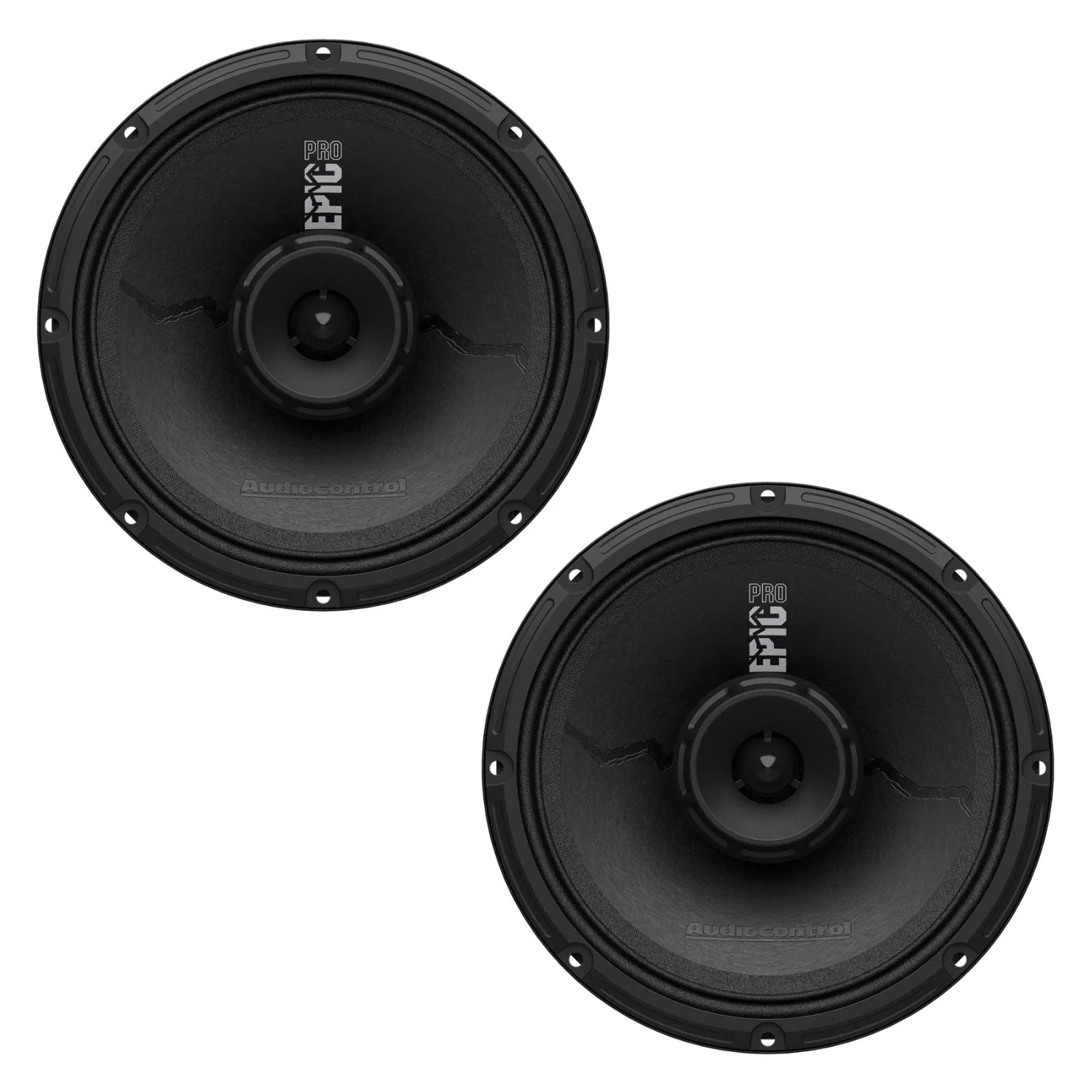
- AudioControl EPICPRO6CX 6.5 Inch Coaxial Speakers 200w: AudioControl EPICPRO6CX 6.5 Inch Coaxial Speakers are rated 200 Watt RMS / 300 Watt Max at 4 Ohm, with lightweight composite cones designed for efficiency and SPL. If your whine is solved but your speakers still sound harsh at high volume, these are a drop-in upgrade, though they will not fix a ground loop on their own.