The Short Answer
Creasing under the eyes almost always comes down to three things: skin that isn't hydrated enough, too much product in the fine lines, or powder that's too heavy. Start by prepping with a rich, non-drying cleanser and a thin layer of https://jonesroadbeautyud.com/products/eye-cream-37054https://jonesroadbeautyud.com/products/eye-cream-2-37204https://jonesroadbeautyud.com/products/eye-cream-3-37259https://jonesroadbeautyud.com/products/eye-cream-4-37463eye cream, then apply concealer in sheer layers and set only the areas that actually move. If creasing continues after that, your concealer formula or your setting method is the next thing to change.
Why Under-Eye Concealer Creases in the First Place
The skin under your eyes is thinner and has fewer oil glands than the rest of your face, so it dries out faster and shows every fine line. When you apply a creamy product over dry or dehydrated skin, it sits on top rather than blending in, and every blink pushes it into those lines. That's why the same concealer can look smooth on a humid day and crease by lunchtime in winter.
There's also a mechanical factor: your under-eye area moves constantly. Any product that stays flexible will move with it; any product that dries down stiff will crack or settle. The goal isn't to freeze the area, it's to keep the product thin enough that movement doesn't create visible lines.
Fix Hydration Before You Fix Your Concealer
If your under-eyes feel tight or look flaky before makeup, no concealer will sit smoothly. Start your routine with a gentle, cream-based cleanser that doesn't strip moisture, then apply a hydrating eye cream and let it absorb for a minute or two before concealer. You want the skin slightly tacky, not wet, so the concealer has something to grip without sliding.
For very dry under-eyes, a thin layer of facial oil or a balm patted over the eye area before concealer can add slip. Just keep it light, too much emollient and the concealer will break down and migrate into the creases even faster.
Apply Less Concealer Than You Think You Need
The most common mistake is applying concealer in a thick triangle under the eye. That much product has nowhere to go but into your fine lines. Instead, dot a tiny amount at the inner corner and the darkest point of the shadow, then tap outward with a finger or a small brush. Build only where you still see darkness after the first layer.
For dark circles, color-correcting first with a peach or orange-toned corrector can mean you need far less concealer on top. That keeps the under-eye area thin, which is the single most effective way to prevent creasing.
Set Strategically, Not Heavily
Powder is a tool, not a requirement. If your under-eyes are dry, you may not need to set at all, or only in the small area where you see movement. Use a light dusting of finely milled powder on a small fluffy brush, press it in rather than sweeping, and avoid baking the area with a thick layer.
If you prefer a creamier finish, a tiny amount of the same concealer tapped over the top after powder can re-smooth the surface without adding heaviness. The key is to keep the total number of layers low. Each additional product increases the chance of creasing.
Diagnose Your Creasing
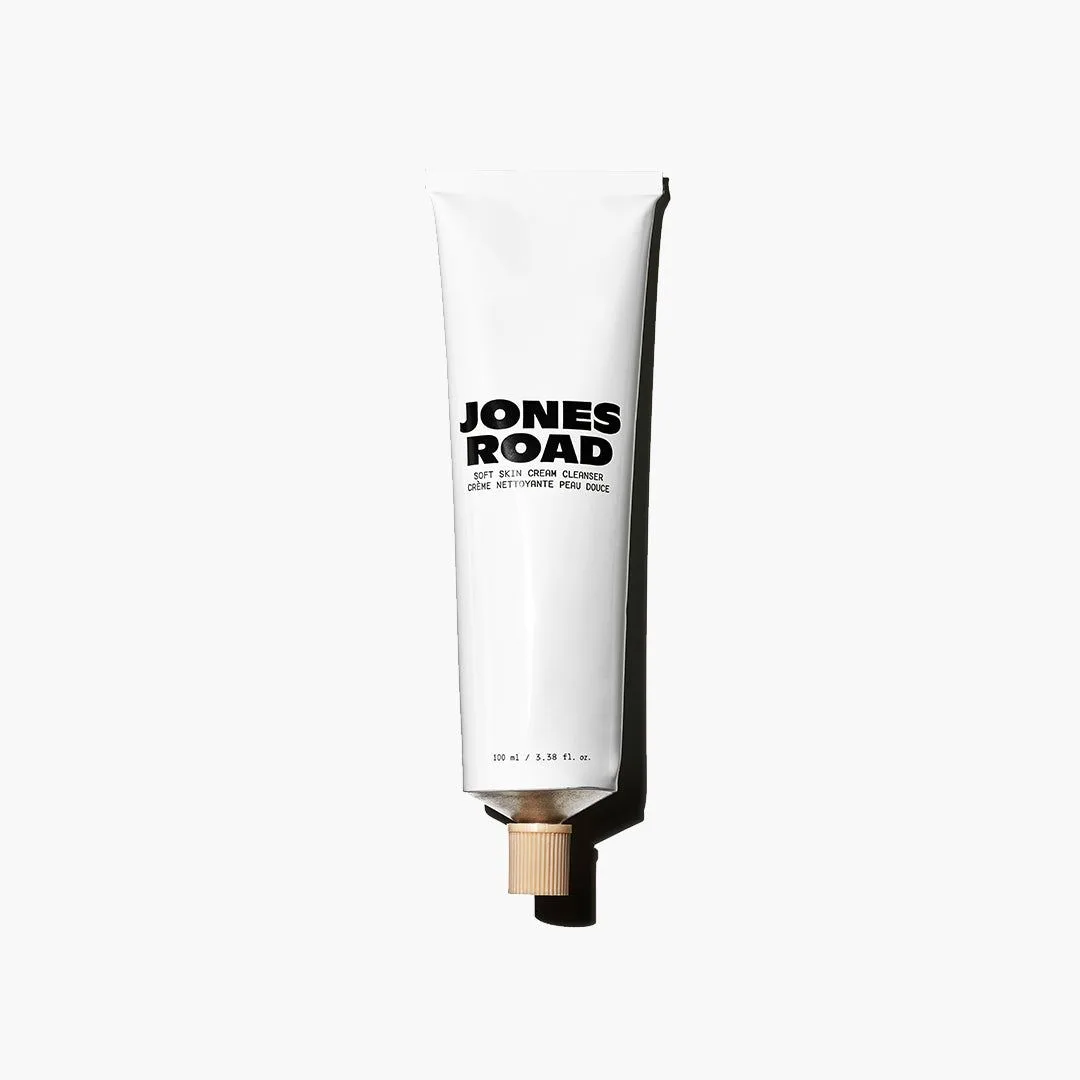
- Creasing within an hour, with a flaky or tight feeling: Your under-eye skin is likely dehydrated. Add a hydrating eye cream and consider a cream cleanser like Soft Skin Cream Cleanser to avoid stripping moisture. If skin feels soft and supple before makeup, creasing should improve immediately.
- Creasing only in the fine lines closest to the lash line: You're probably applying too much product or setting with too heavy a powder. Switch to a thin layer of concealer and set only the moving area with a light touch. If creasing persists, try skipping powder entirely for a few days to see if that's the culprit.
- Creasing that appears after several hours, even with thin layers: Your concealer formula may be too emollient or too drying for your skin type. A flexible, hydrating formula works better for dry under-eyes, while a drier formula suits oily lids. If you've adjusted hydration and application and still crease, it's time to try a different concealer texture.
Products That Help
- Soft Skin Cream Cleanser: Soft Skin Cream Cleanser is a sulfate-free, creamy facial wash that dissolves makeup and daily buildup while leaving skin feeling moisturized and velvety soft. Starting with a non-stripping cleanser keeps your under-eye area hydrated, which is the foundation for concealer that doesn't crease.
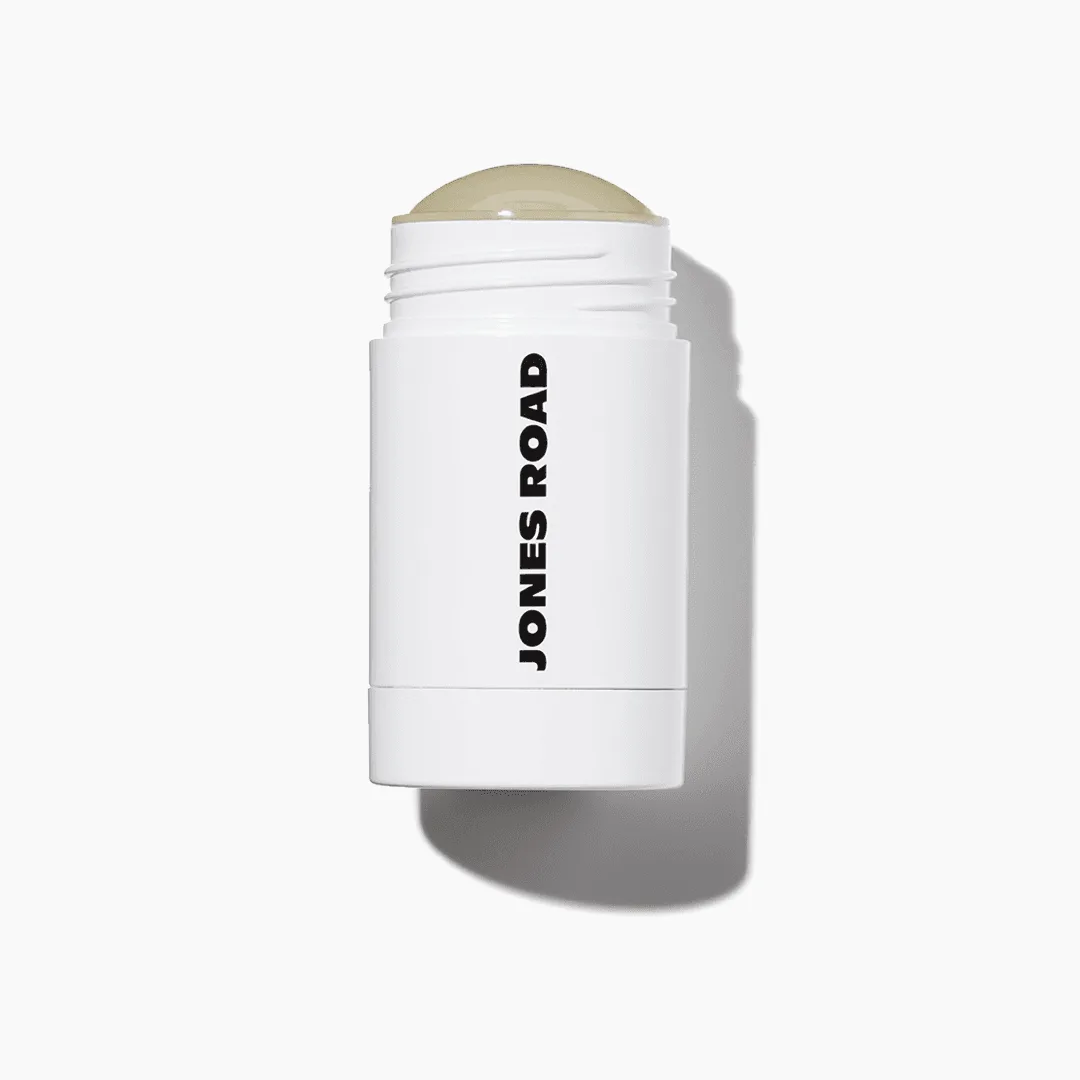
- Hippie Stick: Hippie Stick is a buttery, all-over balm that melts onto face, body, and hair, acting as a barrier against the elements. A thin layer patted under the eyes before concealer adds moisture and slip, helping dry under-eyes hold makeup more smoothly.