Quick answer
Bala sliders need a smooth, non-abrasive surface to glide. Tile and hardwood are ideal, low-pile carpet with a firm backing can work, and plush or high-pile carpet will grab the discs and stall your reps. If your only floor is plush carpet, place a thin rigid board or a low-pile rug pad over it before you start, or switch to a low-friction move like the balance ball rollout instead.
Why the floor changes how sliders feel
A slider works by reducing friction between your foot or hand and the floor. The lower the friction, the more your core has to control the movement. Tile and sealed hardwood offer consistent low friction, so the discs move freely and your muscles do the stabilizing. Carpet fibers create drag, which makes the disc feel sticky, forces you to push harder, and often shifts the work from your core to your shoulders or lower back.
That difference matters for programming. On a hard floor, you can use longer ranges and slower tempos. On carpet, shorten the range, reduce reps, and expect more grip. If the disc will not move at all, the surface is the problem, not your strength.
Surface-by-surface setup
Hardwood and laminate: check for grit first. A single grain of sand under a disc can scratch the finish and ruin the glide. Wipe the floor and the underside of each disc with a damp cloth, then dry both. Bare feet or socks give the best feel; if you wear shoes, use a clean pair with no tread pattern.
Tile: grout lines are the main issue. They catch the disc edge and cause a sudden stop. Work parallel to the grout lines rather than across them, and keep your range of motion inside one or two tiles until you learn how the disc tracks.
Low-pile carpet: this is the only carpet type that reliably works. Test with one slow mountain climber. If the disc slides without lifting, you are fine. If it bunches or flips, the pile is too high. A thin cutting board, a large book under a towel, or a low-pile runner can create a usable surface without buying anything new.
Three moves that adapt to any surface
Mountain climbers: start in a plank with both feet on the discs. On hard floors, drive one knee toward your chest and extend fully. On carpet, shorten the drive to a half range and keep your hips level. Checkpoint: if your hips lift or your lower back sags, the surface is creating too much drag. Reduce the range or move to a hard floor.
Hamstring curls: lie on your back with heels on the discs. On hardwood or tile, slide your heels away and pull them back toward your glutes in one smooth line. On carpet, press down slightly less and expect a shorter slide. Checkpoint: if your hips cramp, you are pushing through your feet instead of pulling with your hamstrings.
Plank knee tucks: from a high plank with toes on the discs, draw both knees toward your chest. This is the most surface-sensitive move. On tile, watch the grout lines. On carpet, use a small range and slow tempo. Checkpoint: if the discs stop dead, do not force it. Switch to a floor-based core move such as a balance ball rollout, which does not require a smooth surface.
Common mistakes and how to fix them
Using lotion or oil on your feet or hands before a slider workout reduces grip on the disc and increases slip risk. Wash and dry your hands and feet first. Wearing thick athletic shoes on a hard floor adds tread friction and can scratch the surface; go barefoot or use clean, flat-soled shoes.
Another common error is starting on carpet with a full range of motion. Carpet drag makes the move harder, not easier, so begin with half reps and add range only when the disc glides smoothly. If you feel the work in your neck or lower back instead of your core, the surface is fighting you. Stop, reset, and either change surfaces or change the exercise.
Step-by-step slider setup for your floor
- Clear and clean the surface: Remove grit, hair, and dust from the floor and from the underside of each disc. On hardwood, a single grain of sand can scratch the finish and stop the glide. Run a dry hand across the floor. If you feel anything, wipe again before you start.
- Test one disc with a slow mountain climber: Place one foot on a disc and slide it slowly forward and back. On tile or hardwood it should move with light pressure. On carpet it should move without lifting or bunching. If the disc flips or sticks, the surface is wrong. Move to a hard floor or add a rigid, low-friction layer.
- Match your footwear to the surface: Barefoot or socks work on tile and hardwood. On low-pile carpet, bare feet give the best feedback. Avoid thick treaded shoes on hard floors because the tread adds friction and can mark the surface. If your feet slip on the disc, dry them and try again. Do not use lotion before a slider workout.
- Start with half range on carpet: Carpet drag makes every rep harder. Begin with half the range you would use on a hard floor and add range only when the disc glides without stopping. If your lower back or neck does the work, shorten the range further or switch surfaces.
- Work parallel to grout lines on tile: Grout lines catch the disc edge and cause sudden stops. Position your body so the discs travel along the tile, not across the grout. Keep your range inside one or two tiles until you can control the disc smoothly.
- Switch to a non-slider core move when the floor wins: If plush carpet will not let the discs move, use a balance ball rollout or a floor-based plank variation instead of forcing the slider. The goal is core work, not slider work. Change the tool, not your standards.
Bala gear that pairs with slider work
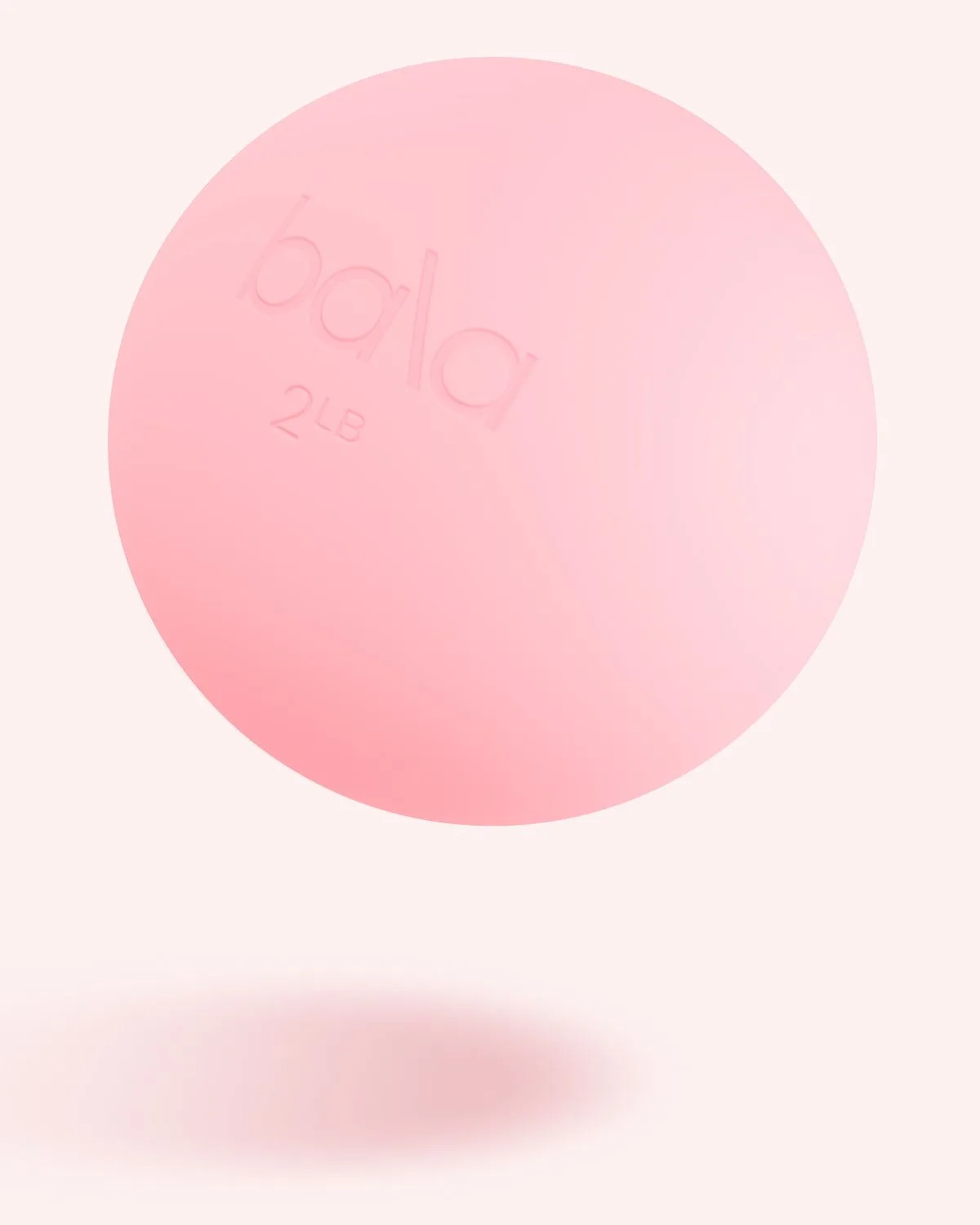
- Bala Balance Ball: The Bala Balance Ball is a versatile fitness accessory designed to support core strength and stability training, with a compact design that stores easily. If your floor will not let sliders glide, the balance ball gives you a core and stability option that does not depend on a smooth surface.
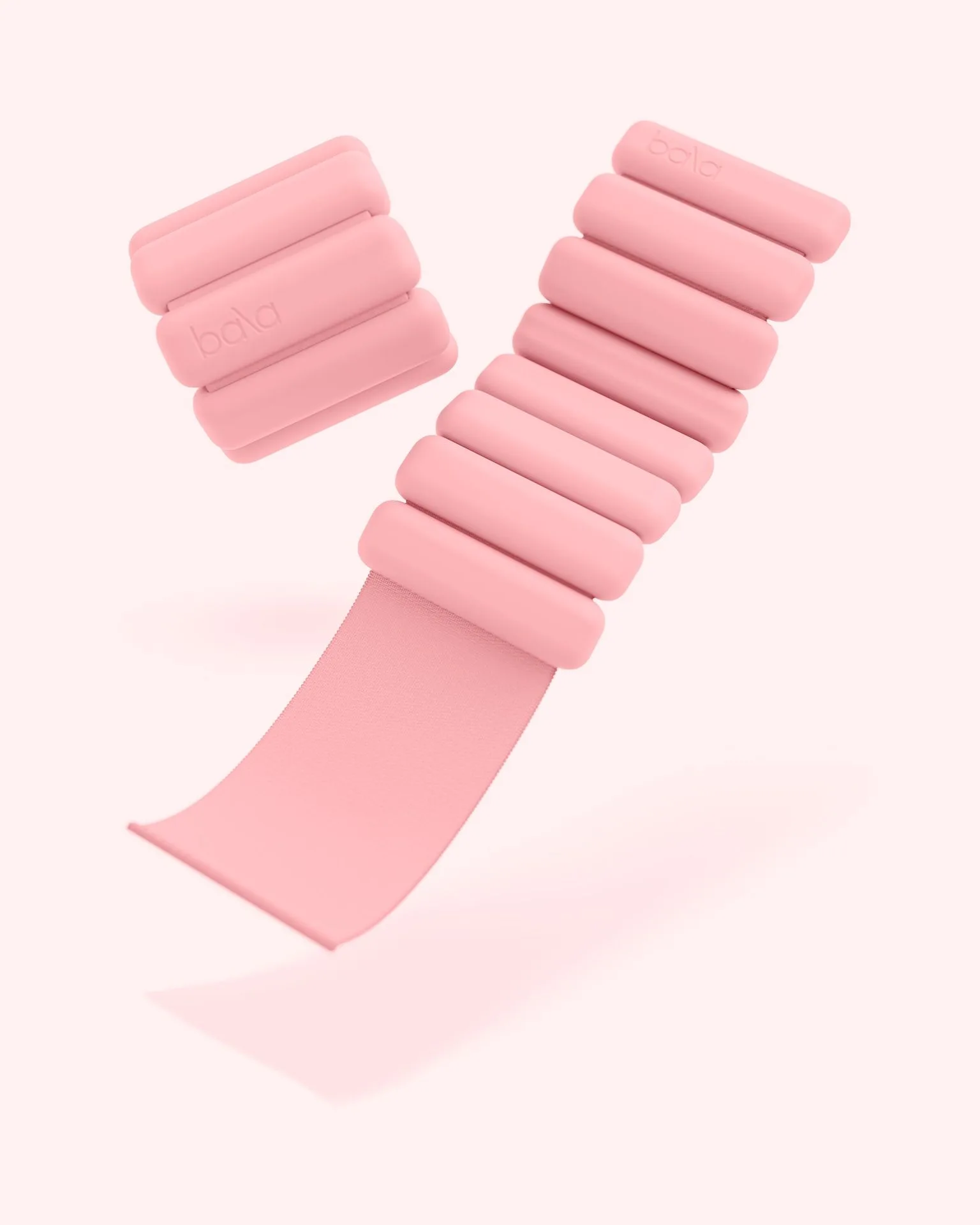
- The Weight Kit: The Weight Kit includes ankle weights and other components for full-body training and is available in blush, charcoal, heather, sage, sand, and stone. Adding ankle weights to slider moves increases resistance without changing the floor, which is useful when carpet drag already limits your range.