Quick answer
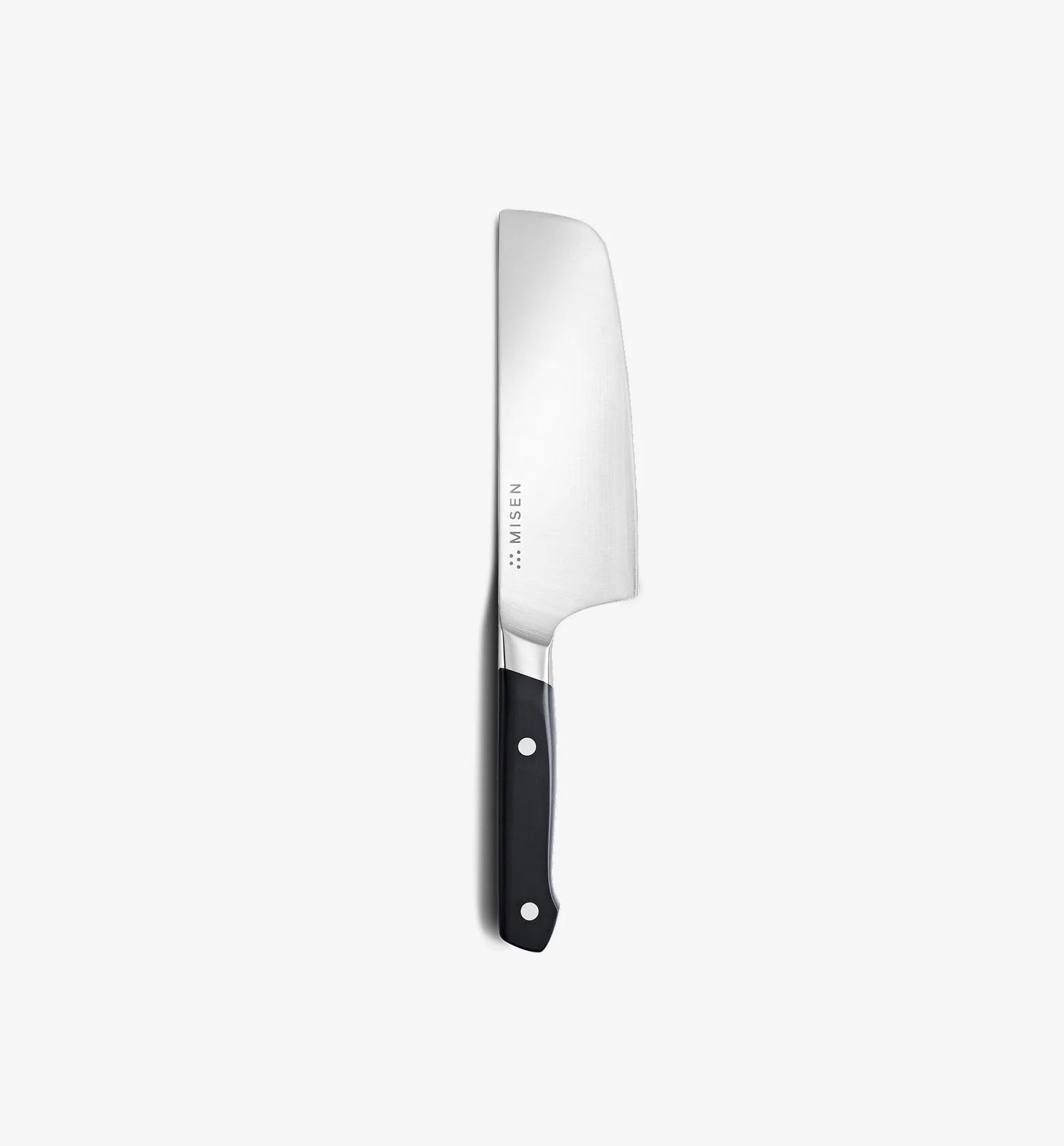
To use a nakiri knife, pinch the blade just above the heel and keep the blade straight up and down as you push it through vegetables. The flat profile and straight edge make clean, even chops easy, but the technique is different from a chef's knife: you push straight down rather than rock. A 5.5-inch nakiri is a practical size for most home vegetable prep.
Why a nakiri works differently from a chef's knife
A nakiri is a Japanese vegetable knife with a tall, flat blade and a straight edge. That shape lets you chop with a simple up-and-down push instead of a rocking motion, so onion, carrot, and pepper pieces come out more uniform. The tall blade also gives your knuckles clearance and doubles as a scoop for moving cut vegetables to the pan. A chef's knife is more versatile because it can rock, curve, and handle proteins, but for volume vegetable prep, the nakiri's straight edge is faster and tidier.
Set up your board and stance before you cut
A stable board and a relaxed stance do more for control than any single knife skill. Put a damp towel under your cutting board so it does not slide, and stand with your feet shoulder-width apart, slightly turned toward the board. Keep your guide hand curled into a claw with fingertips tucked back, and let the flat side of the blade rest against your knuckles as a guide. This claw grip is the single most important safety habit for nakiri cutting technique.
Match the cut to the vegetable
The nakiri's straight edge shines on firm, dense vegetables like carrots, potatoes, and squash, where a rocking motion can wedge or crack the piece. For leafy greens, stack and roll the leaves into a tight cylinder before slicing across. For onions, cut the onion in half, lay it flat, and make vertical cuts without fully separating the root end, then slice across. For herbs, pile them and use a gentle push-cut to avoid bruising. If a vegetable is very hard, such as a thick butternut squash, cut it into manageable chunks first rather than forcing the blade through.
Keep the blade straight and let the knife do the work
The most common mistake with a nakiri is trying to rock it like a chef's knife. The flat profile has no belly to rock on, so rocking lifts the heel or tip off the board and produces uneven cuts. Instead, keep the blade vertical and push straight down, using your shoulder rather than your wrist. Let the knife's weight and a sharp edge do the work; if you have to press hard, the knife needs sharpening or the vegetable is too dense for the blade. A 5.5-inch nakiri is light enough for most home cooks to control through a full pile of vegetables without fatigue.
Nakiri vegetable prep: step-by-step
- Secure your board: Place a damp towel or silicone mat under the cutting board so it cannot slide. A moving board is the fastest way to lose control. Checkpoint: press the board with your palm; it should not shift.
- Grip the knife with a pinch: Pinch the blade between thumb and forefinger just above the heel, wrap the remaining fingers around the handle, and keep your wrist straight. Checkpoint: the blade should feel like an extension of your hand, not a tool you are squeezing.
- Claw your guide hand: Curl the fingertips of your non-knife hand inward and rest the flat side of the blade against your knuckles. Move that hand back as you cut. Checkpoint: your fingertips should never extend past your knuckles.
- Push straight down: Raise the knife just enough to clear the vegetable, then push straight down through it. Do not rock or saw; the straight edge cuts cleanly on a vertical push. Checkpoint: if the blade lifts off the board at the heel or tip, you are rocking. Reset to vertical.
- Scoop and transfer: Use the wide flat side of the blade to scoop cut vegetables into your pot or bowl. This keeps your board clear and your prep moving. Next step: wipe the blade dry before moving to a different vegetable to avoid flavor transfer.
A nakiri built for vegetable prep
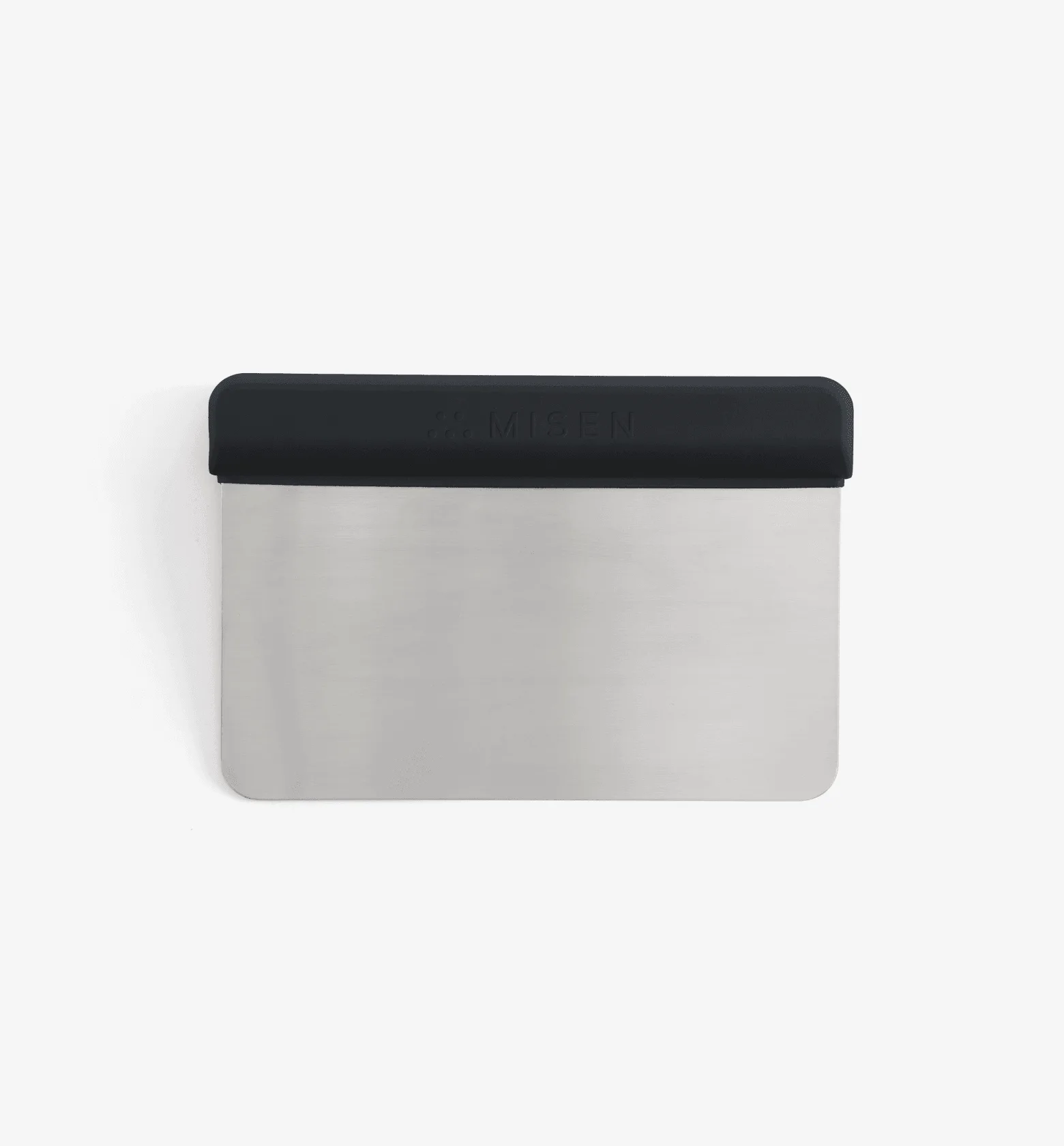
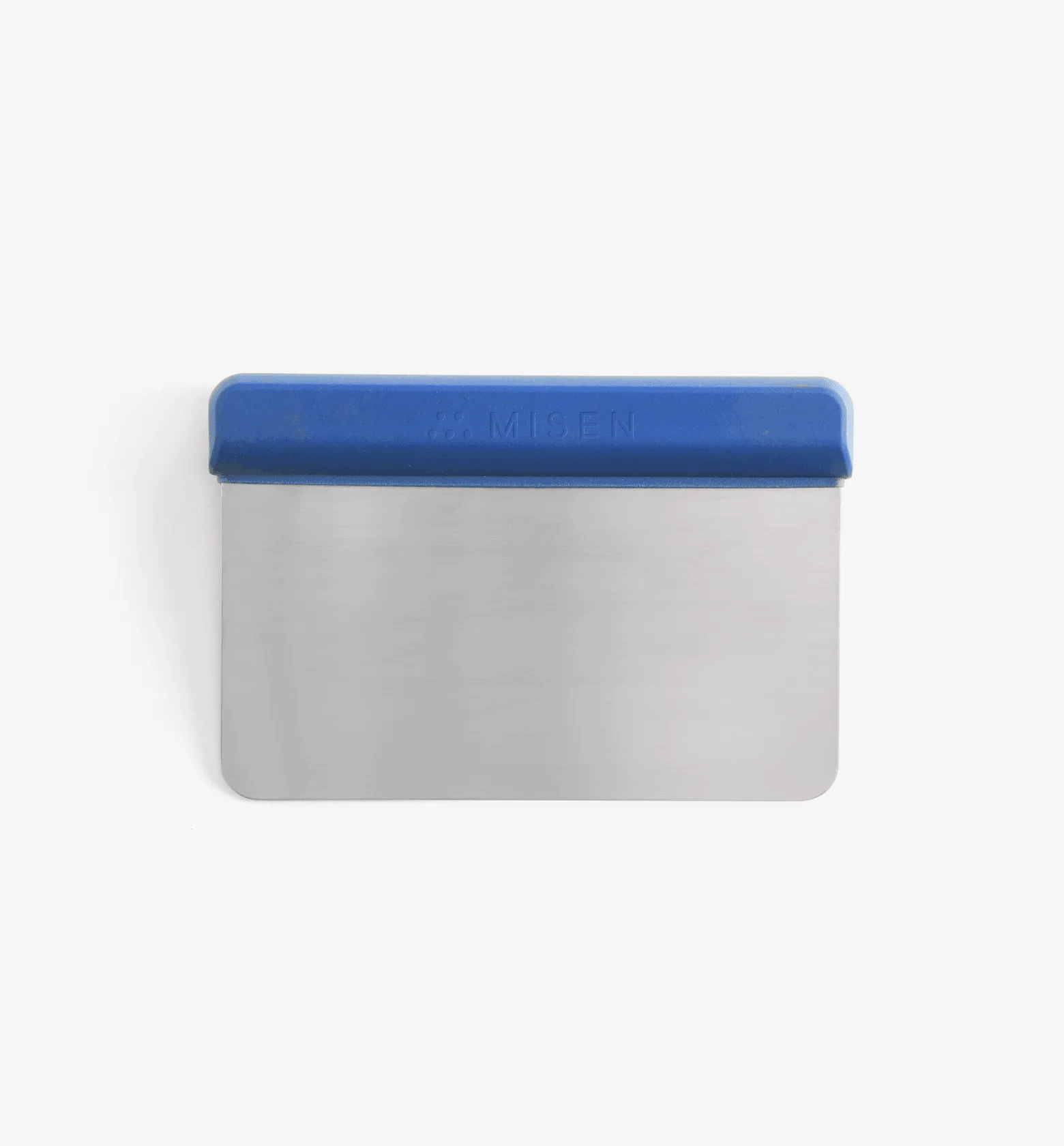
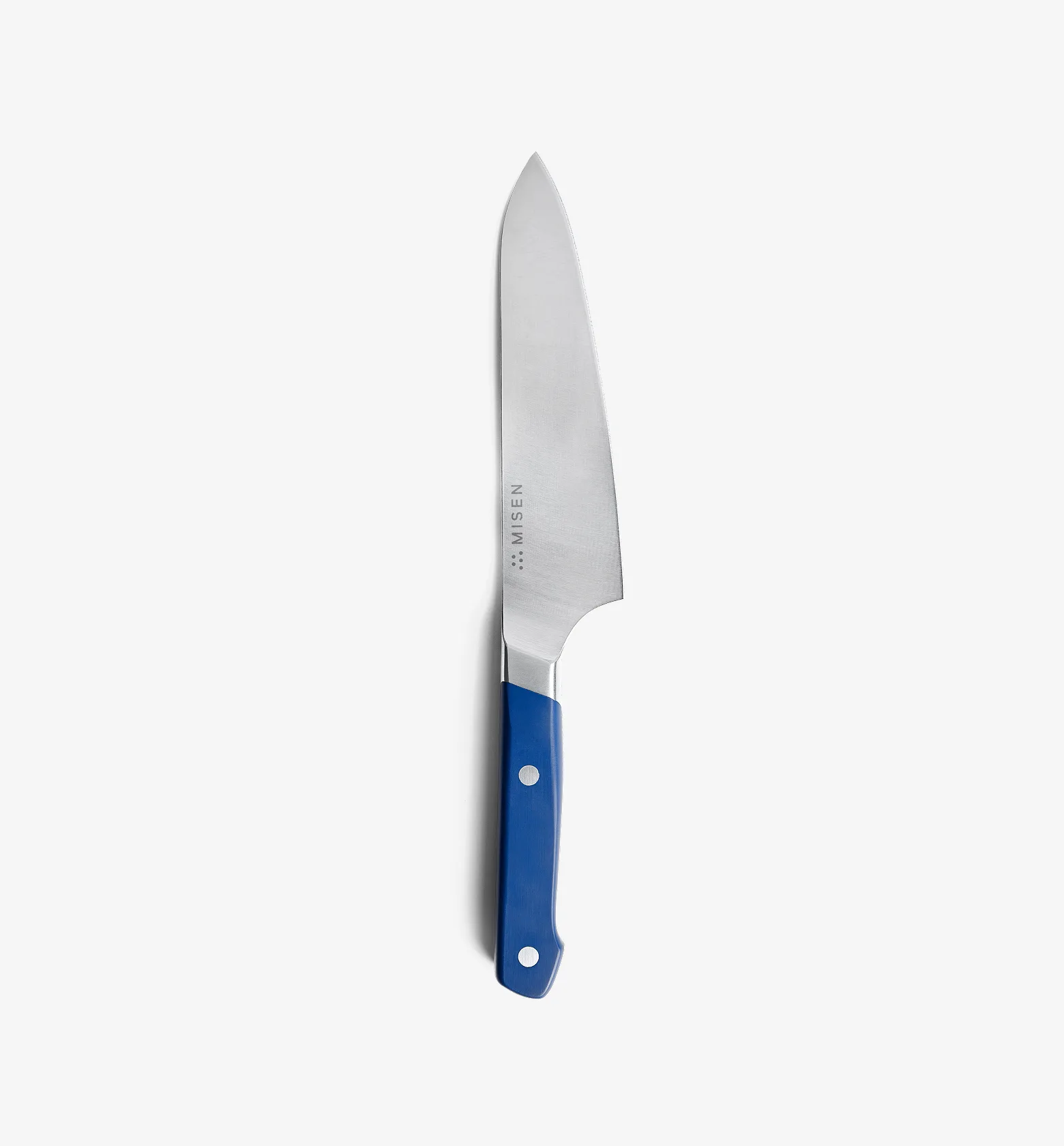
- 5.5" Nakiri Knife (ACUTO440: A 5.5-inch nakiri with a straight blade for clean, even chops and a wide surface for scooping cut vegetables into the pot. The straight edge supports the push-cut technique described above, and the wide blade saves you from reaching for a separate https://miseneut.com/products/bench-scraper-c3f96a27d5c22ecd41b75321-780846bench scraper.