Quick answer
Lip liner and lipstick are not competing products; they solve different problems. Liner defines the lip edge and gives color something to grip, while lipstick delivers the main color and finish. If your lipstick feathers, fades at the edges, or looks undefined, add a liner first. If your lips already hold a clean shape and you like a softer edge, lipstick alone is fine.
What each product actually does
A lip liner is a shaping tool. It draws a boundary, which is why it matters most on lips that feather, on deep or uneven lip lines, and under glossy or slippery formulas. A lipstick is a color and finish tool. It covers the lip surface, and its texture determines how it wears: creamy formulas move and fade faster at the edge, while matte and long-wear formulas hold a line longer but can feel drier.
That division explains the common question of whether you need lip liner with lipstick. You need it when the lipstick's texture or your lip shape creates a problem the lipstick alone cannot solve. You can skip it when the formula is already firm and your natural lip edge is well defined.
The order that works: liner, lipstick, then blend
Apply liner first, along the natural edge, then fill the center lightly. Follow with lipstick, pressing it on rather than dragging, and blend the two where they meet so there is no visible seam. If you want a softer look, blur the liner inward with a fingertip before the lipstick goes on. If you want a sharper look, keep the liner line crisp and apply lipstick only inside it.
For a longer wear time, blot once after the first lipstick layer and reapply. This sets the color without adding heavy texture. If you are using a gloss on top, apply it last and only in the center, since gloss is the layer most likely to travel outside the lip line.
How finish changes the decision
Finish is the variable most people overlook. Satin and cream lipsticks blend easily with liner but fade at the edges sooner, so liner earns its place. Matte lipsticks hold shape well but can emphasize dryness, which makes a creamy liner a useful buffer underneath. Glossy and sheer finishes offer the least edge control, so liner is close to essential if you want a defined shape.
The trade-off is texture. Adding liner adds a layer, and on very dry lips that can feel tight. If your lips are flaky, exfoliate and moisturize first, then use a creamy liner rather than a dry one.
Trade-offs to weigh before you buy
- Definition vs. softness: A crisp liner line gives a polished, precise shape but can look drawn-on if the shade contrasts too much with your lipstick. Blending the liner inward softens the result but reduces the edge control you added it for. Choose crisp edges for events and photos; blur the liner for everyday wear.
- Long wear vs. comfort: Waterproof, long-wear liners resist fading and transfer, but they are harder to correct once set and can feel drier on the lips. Creamier liners are more comfortable and easier to blend but need more frequent touch-ups. Match the formula to how long you need the look to last, not to habit.
- Extra step vs. extra layer: Adding liner means one more product and one more layer of texture. On already dry or flaky lips, that layer can emphasize texture unless you prep first. Prep your lips before layering, or skip liner and choose a firmer lipstick instead.
Two liners that show how shade and formula change the result
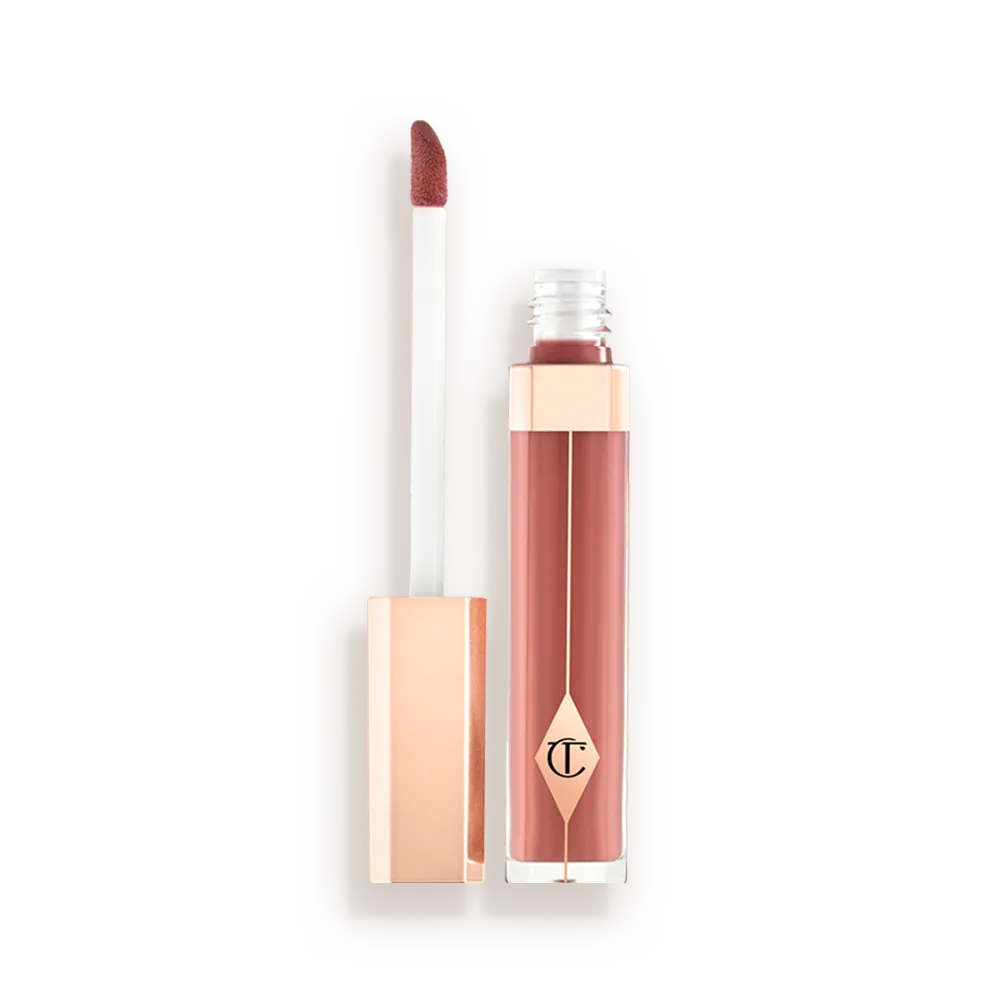
- LIP CHEAT - FOXY BROWN: Charlotte Tilbury LIP CHEAT in Foxy Brown is a suede brown lip liner with a natural, matte finish and a creamy formula that glides on smoothly for easy blending. The creamy texture makes it a good choice if you want to blur the liner inward rather than leave a hard line, and the suede brown tone works as a neutral base under many lipstick colors.
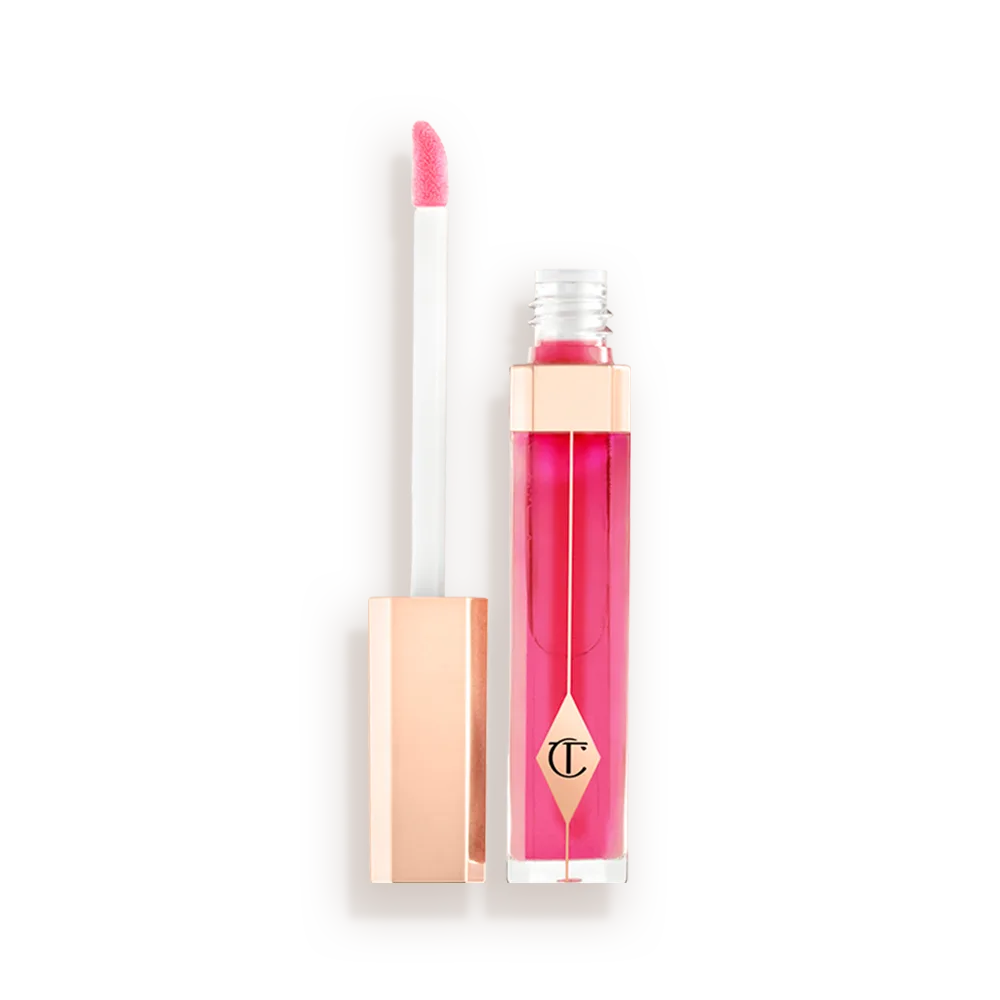
- LIP CHEAT - BERRY NAUGHTY: Charlotte Tilbury LIP CHEAT in Berry Naughty is a berry lip liner with a waterproof formula and long-lasting color that stays put for at least 6 hours, helping create a precise lip shape. If your main problem is fading or feathering rather than blending, this is the more useful option because the waterproof, long-wear formula holds the edge while the lipstick on top provides the finish.
Which approach fits you
Use liner with lipstick if
- Your lipstick feathers, bleeds, or fades at the edges
- You wear glossy, sheer, or creamy formulas that move easily
- You want a defined shape for photos, events, or long days
Skip liner if
- Your lips already hold a clean edge and you prefer a soft, blurred look
- You use firm matte lipsticks that stay in place on their own
- Your lips are very dry or flaky and an extra layer feels uncomfortable