Quick answer
Start with the tools you touch every day, not the ones that look best in photos. A tidy desk usually needs three things: a landing spot for small items, a container that keeps them visible, and a bag or pouch that moves them between home and work without spilling. Buy those first, then add decorative pieces only if they solve a real problem.
A tidy desk is less about willpower and more about having the right non-paper stationery essentials within reach. When your pens, cables, chargers, and small tools have a defined home, you stop shuffling piles and start actually using what you own. The trick is choosing pieces that fit your routine instead of buying a matching set you will never maintain.
This stationery buying guide walks through the desk organization supplies worth your money, the trade-offs between open and closed storage, and how to pick desk accessories for work that survive commutes and travel. You will also see how a few Vera Bradley Outlet pieces can double as both desk storage and on-the-go organizers, so your system works in more than one place.
Start With the Items You Touch Daily
Before you buy anything, empty your desk surface and sort what is actually there. Most people find a small cluster of daily-use items: pens, a charger, earbuds, a card or two, maybe a thumb drive. Those are the items that deserve a permanent home. Everything else can live in a drawer or a bin you open once a week.
This is where most desk organization supplies fail. A beautiful tray that holds twenty pens is useless if you only use two. A single small pouch or clutch that holds your daily carry is more effective because it forces you to keep only what you need. Choose capacity based on your real daily count, not the maximum you might theoretically own.
- Count your daily-use items before shopping; that number is your capacity target.
- Keep one open container for items you grab constantly and one closed container for everything else.
- If an item has not moved in a month, it does not belong on the desktop.
Open vs. Closed Storage: Pick Based on Dust and Visibility
Open storage wins when you need to see and grab things fast. Trays, cups, and shallow bowls work well for pens, clips, and charging cables. The trade-off is dust and visual clutter. If your desk sits near a window or you dislike seeing small objects, open storage will slowly become a mess you avoid.
Closed storage wins when you want a calm surface and you do not need instant access. Zippered pouches, small cases, and lidded containers hide the visual noise and keep dust off. The trade-off is that things can disappear into closed storage and never come back out. A good compromise is one open landing zone plus one closed pouch for the rest.
- Choose open storage for items used multiple times a day.
- Choose closed storage for items used weekly or for anything that tangles.
- Label closed containers if you own more than two; memory fails faster than you think.
Match Materials to How Rough You Are
Non-paper desk supplies take more abuse than paper ones because they get handled, dropped, and stuffed into bags. Fabric pouches with wipe-clean linings handle spills and crumbs better than untreated cloth. Hard-sided cases protect fragile items but add weight and take up more room when empty.
If your desk accessories for work travel with you, prioritize a wipe-clean interior and a secure closure. A zip closure keeps small items from escaping in a bag, while an open tray will spill the moment you tilt it. For a desk that never moves, an open tray is fine and easier to use.
- Wipe-clean linings matter most for anything that holds food, makeup, or cables.
- Zip closures are worth the extra second when a container leaves your desk.
- Hard cases protect fragile items but are harder to store when empty.
Plan for the Home-to-Work Shuffle
Many people do not need two separate systems. They need one system that moves. A pouch or wristlet that holds your daily small items can sit on your desk during the day and go into your bag at night. This reduces duplicate purchases and means you never forget a charger because it lives in the same place.
The trade-off is that a portable system holds less than a dedicated desk organizer. If you keep a large collection of pens or tools at work, you still need a stationary base there. The practical setup is a small portable core plus a larger container at each location for the overflow.
- A portable core pouch prevents duplicate buying and forgotten items.
- Keep a second, larger container at each location for overflow supplies.
- Choose a portable piece with a closure you trust in a bag.
Decision Rules for Buying Desk Stationery
- If you use it more than twice a day: Keep it in open storage on the desktop. Anything used less often goes into a closed pouch or drawer to reduce visual noise. Open for daily, closed for weekly.
- If it leaves your desk: Choose a piece with a zip closure and a wipe-clean lining. Open trays and untreated fabric will spill or stain in a bag. Portable means zippered and wipe-clean.
- If you are unsure about size: Measure the space you actually have, then buy one size smaller. It is easier to add a second small container than to live with an oversized one that crowds your workspace. Size down, then add if needed.
- If you already carry a wallet daily: Add a clip-on wristlet strap instead of buying a separate pouch. It converts what you already own into a portable desk core. Reuse before you buy new.
Products That Fit a Tidy Desk
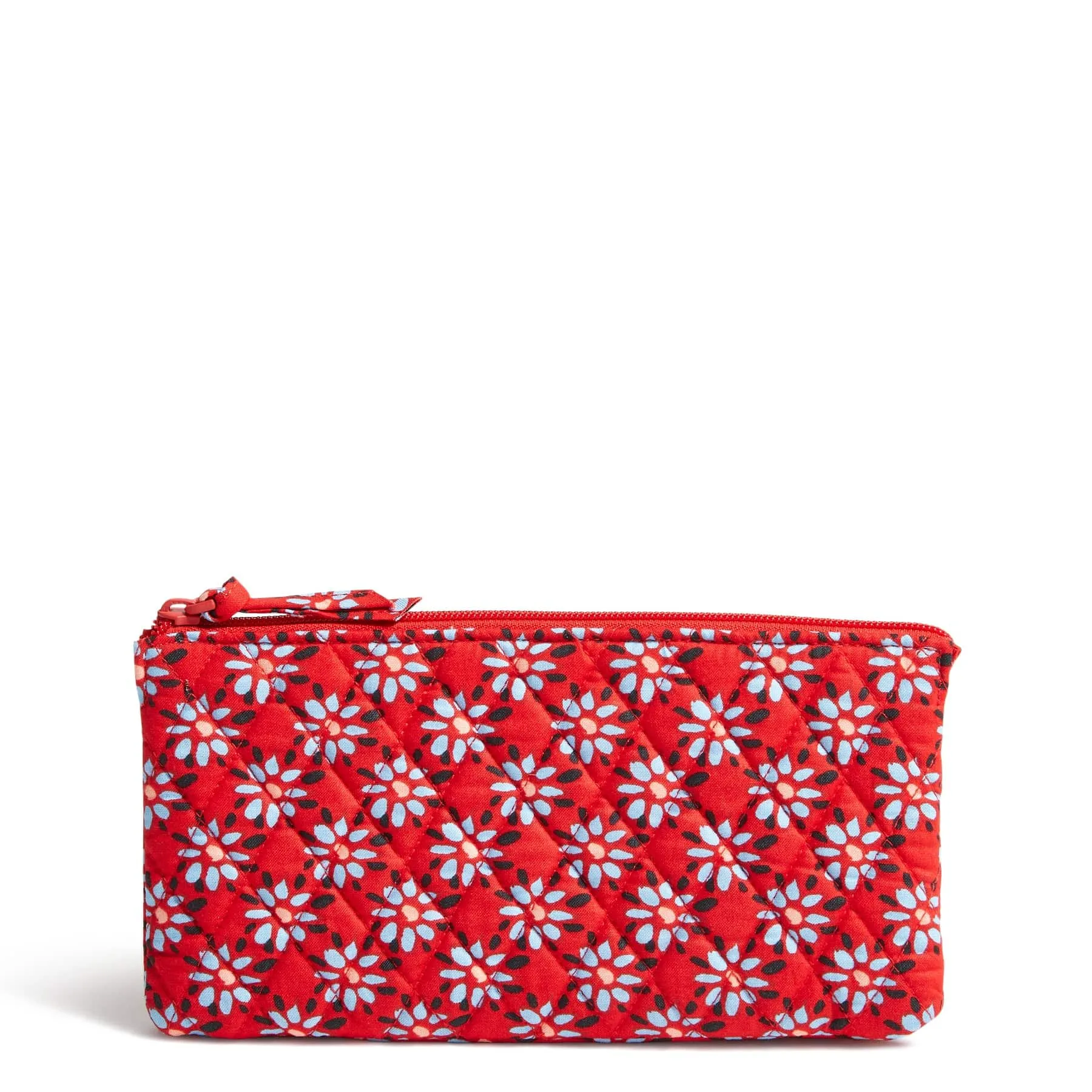
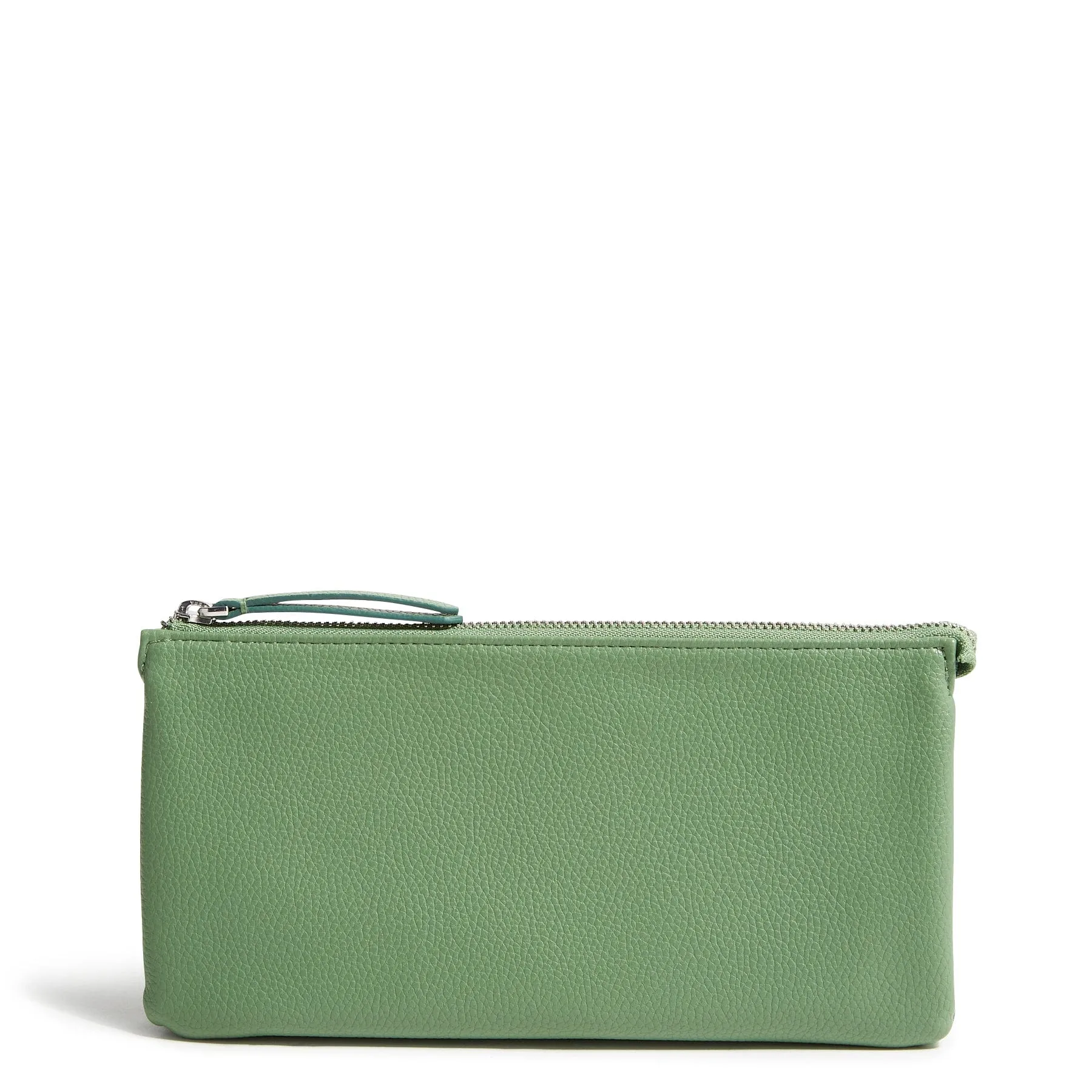
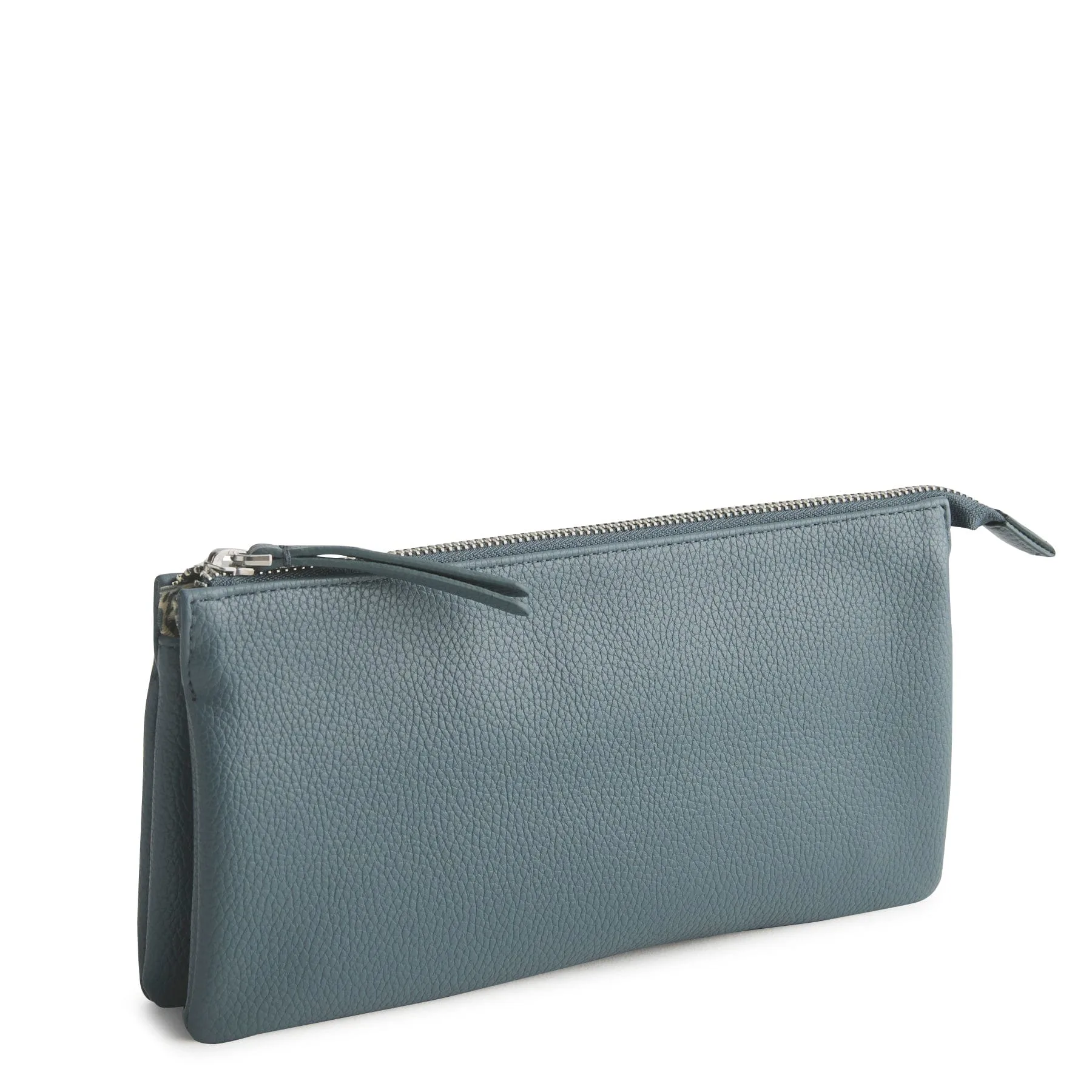
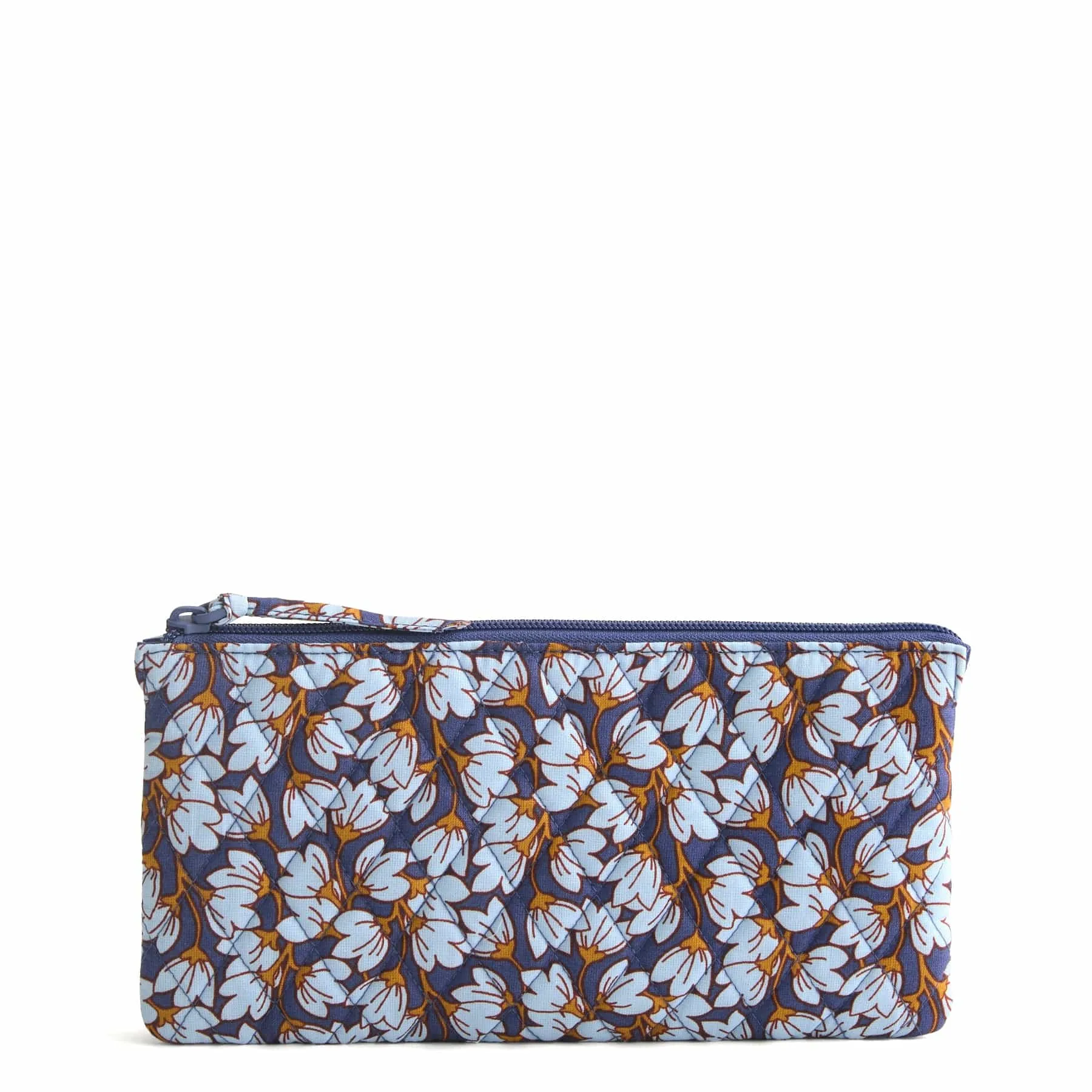
- https://verabradleyoutletex.com/products/outlet-essential-trio-clutch-5074922006-cca2d30a7643a1334b48b7c9-1642937https://verabradleyoutletex.com/products/outlet-essential-trio-clutch-5086520998-f5f85be9fd30463e7044d1d6-1642957https://verabradleyoutletex.com/products/outlet-essential-trio-clutch-5086522528-bbe9b37e185826abe516b31c-1642961https://verabradleyoutletex.com/products/outlet-essential-trio-clutch-5074920893-ec841fd667d4325ee43f2c70-1642967Outlet Essential Trio Clutch: Designed with three sleek compartments, this clutch keeps your essentials organized while maintaining an air of effortless ease. Outlet Exclusive. Three compartments. Interior features six card slip pockets, two slip pockets and a zip pocket. Zip closure. Dimensions: 10.0" w x 5.0" h x 1.25" d. Weight: 0.23 lb. The three compartments let you separate pens, cables, and small tools without digging. The zip closure means it can move from desk to bag without spilling, and the slim 1.25-inch depth keeps it from taking over your workspace.
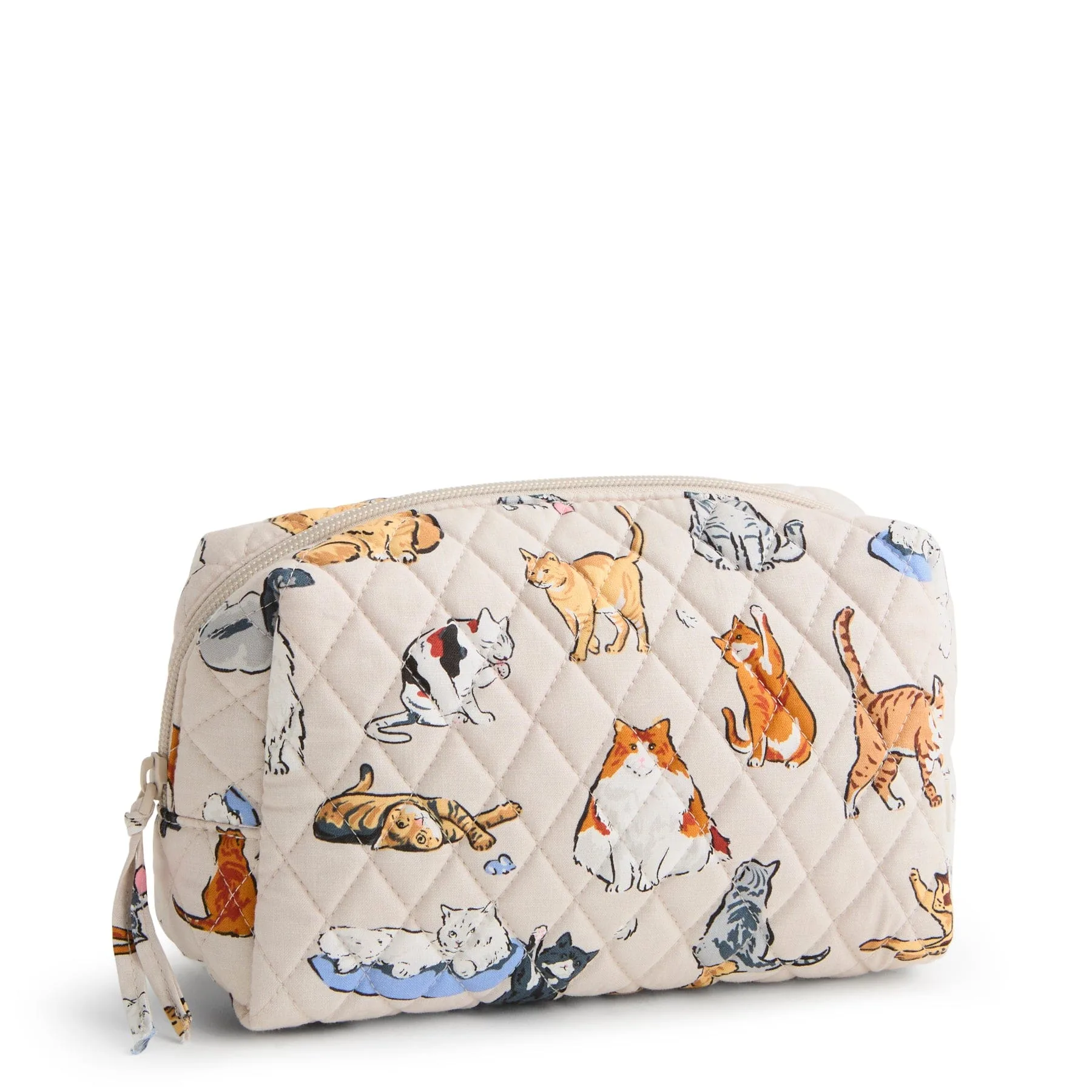
- Outlet Essential Medium Cosmetic: From your daily beauty routine to travel adventures, the Essential Medium Cosmetic is designed to enhance your experience with style and organization. Outlet Exclusive. Wipe-clean lining. Zip closure. Dimensions: 9.0" w x 5.25" h x 3.25" d. Weight: 0.18 lb. The wipe-clean lining handles ink, dust, and small spills, which makes it a practical choice for desk odds and ends that get grimy. The 3.25-inch depth holds bulkier items like a stapler or a small stack of sticky notes without bulging.
- Outlet XL Cosmetic: Travel in style with this large makeup bag. It features multiple pockets and a zip closure. Outlet Exclusive. Interior features six mesh slip pockets. Wipe-clean polyester lining. Zip closure. Dimensions: 11.75" w x 7.75" h x 4.0" d. Handle/Strap Handle drop 2.25". Weight: 0.18 lb. The six mesh slip pockets create visible, separated storage for small items like clips, adapters, and earbuds. The 2.25-inch handle drop makes it easy to pull off a shelf or out of a drawer, and the wipe-clean lining keeps it usable over time.
- Outlet Wide Wristlet Strap: Attach this Wide Wristlet Strap to a wallet to quickly make a wristlet. Outlet Exclusive. Features clip. Dimensions: 1.25" w x 5.75" h. Handle/Strap Wrist strap drop. Weight: 0.06 lb. If you already carry a wallet as your desk-to-bag core, this strap converts it into a wristlet in seconds. That means one fewer container to buy and one less thing to forget when you leave.
Who This Buying Approach Fits
Best for
- People who want one small system that moves between desk and bag
- Anyone who has tried open trays and ended up with clutter
- Shoppers who prefer wipe-clean, zip-closure storage over decorative open containers
Not for
- Anyone who needs to store a large volume of pens, tools, or paper files at one stationary desk
- Shoppers looking for hard-shell protection for fragile equipment
- People who want a purely decorative set and do not plan to move items between locations
A tidy desk comes from matching storage to your real habits, not from buying the largest set available. Start with one portable core, add one open landing zone, and let everything else live in closed storage. Replace pieces only when they stop solving a problem.