Quick answer
Prevent saddle sores by treating them as a fit, friction, and moisture problem, not a toughness problem. Get your saddle position and bib short fit checked, use a chamois cream if you chafe, and wash and dry your kit after every ride. If you already have a sore, stop riding, keep the area clean and dry, and use a barrier cream or padded dressing. See a doctor if it is painful, swollen, oozing, or not improving after a few days off the bike.
Why saddle sores happen on long rides
A saddle sore is skin damage caused by sustained pressure, repeated friction, and trapped sweat. On long rides, the same small area of skin is compressed against the saddle while your legs move, and sweat and bacteria sit in the fabric. That combination irritates hair follicles and creates chafing that can turn into a painful bump or open sore. The fix is rarely one product. It is usually a mix of better position, better shorts, and better hygiene.
Fix the three causes: pressure, friction, and moisture
Pressure: if you are constantly shifting or standing to relieve a hot spot, your saddle height, tilt, or fore-aft position may be wrong. A bike fit is the most reliable way to reduce peak pressure. Friction: bib shorts that bunch, have thick seams, or move against your skin will rub you raw. Moisture: sweat softens skin and feeds bacteria, so breathable, quick-drying fabrics and a clean, dry chamois matter more than most riders think.
- Set saddle height and tilt so you can stay seated without rocking.
- Choose bib shorts with a seam layout that matches your sit bones and riding position.
- Change out of wet kit immediately after a ride and wash it before wearing it again.
How to use chamois cream without making things worse
Chamois cream reduces friction and can help if you chafe in the same spot every long ride. Apply a thin layer to the chamois or directly to clean, dry skin before you start, not after you already feel raw. If you use too much, it can trap moisture and make irritation worse. Some riders do better with a barrier cream rather than a lubricating cream, especially once skin is already broken. Test any new cream on a short ride first.
What to do when you already have a sore
Get off the bike. Continuing to ride on an open sore deepens the damage and raises the risk of infection. Clean the area gently with water and a mild soap, pat it dry, and let air reach it. A barrier cream or a hydrocolloid dressing can protect it from rubbing during normal daily movement. Do not squeeze, pick, or lance a sore. If it is a small, surface-level chafe, it often settles in a day or two. If it is a firm lump, it may be deeper and needs medical assessment.
When to stop riding and get medical help
Stop and see a doctor if a sore is spreading, hot to the touch, leaking pus, or comes with fever. Also get help if you have a lump that does not shrink after several days off the bike, or if you keep getting sores in the same place despite fixing fit and hygiene. A saddle sore that keeps returning is a sign that something in your setup or routine still needs to change, not that you need to push through.
Diagnose your saddle sore
- Red, raw skin after a ride: Likely friction and moisture, not infection. Check for bunched shorts, a worn chamois, or a saddle that lets you slide. Wash and dry the area, use a barrier cream, and review your kit and position before your next long ride. If it settles within a day or two, fix the friction source before riding long again.
- A painful bump or lump under the skin: This is often a deeper pressure or follicle issue. Do not squeeze or lance it. Stay off the bike, keep the area clean and dry, and use a padded dressing if it rubs. If it is hot, swollen, or leaking pus, see a doctor. A lump that does not shrink after a few days off the bike needs medical assessment.
- Sores that keep coming back in the same spot: Recurring sores usually mean the cause was never fixed. Get a bike fit, check saddle width and tilt, and replace bib shorts that have lost their chamois shape or seam integrity. If the problem persists after those changes, see a doctor or a fit specialist. Recurring saddle sores are a setup problem, not a toughness problem.
Kit choices that reduce saddle sore risk
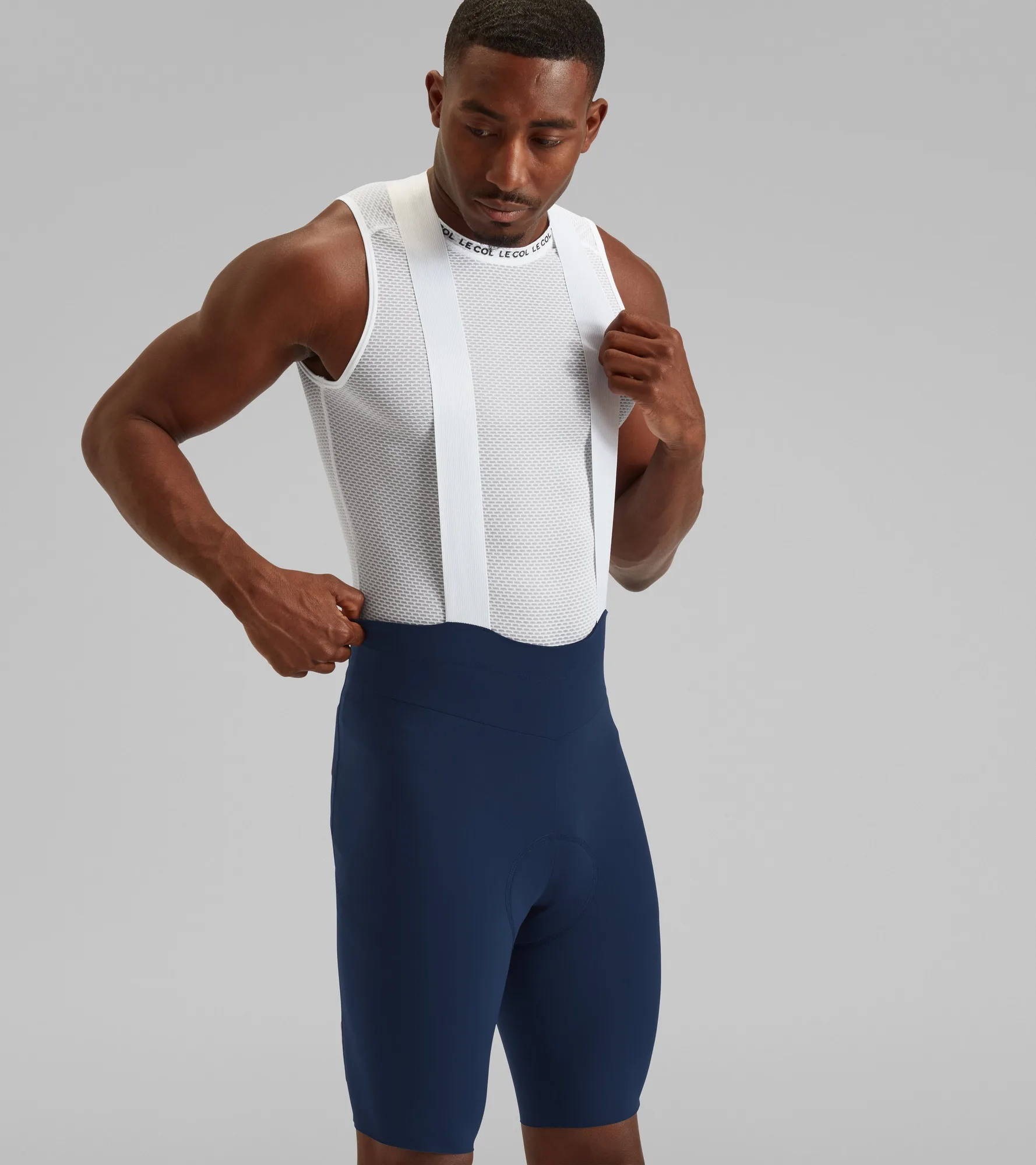
- Hors Categorie Bib Shorts: The Hors Categorie Bib Shorts use a new upper fabric for breathable support and quick-dry performance, with redesigned bib straps and a re-imagined seam layout. Quick-drying fabric and a smoother seam layout reduce trapped moisture and friction, two direct causes of saddle sores on long rides.
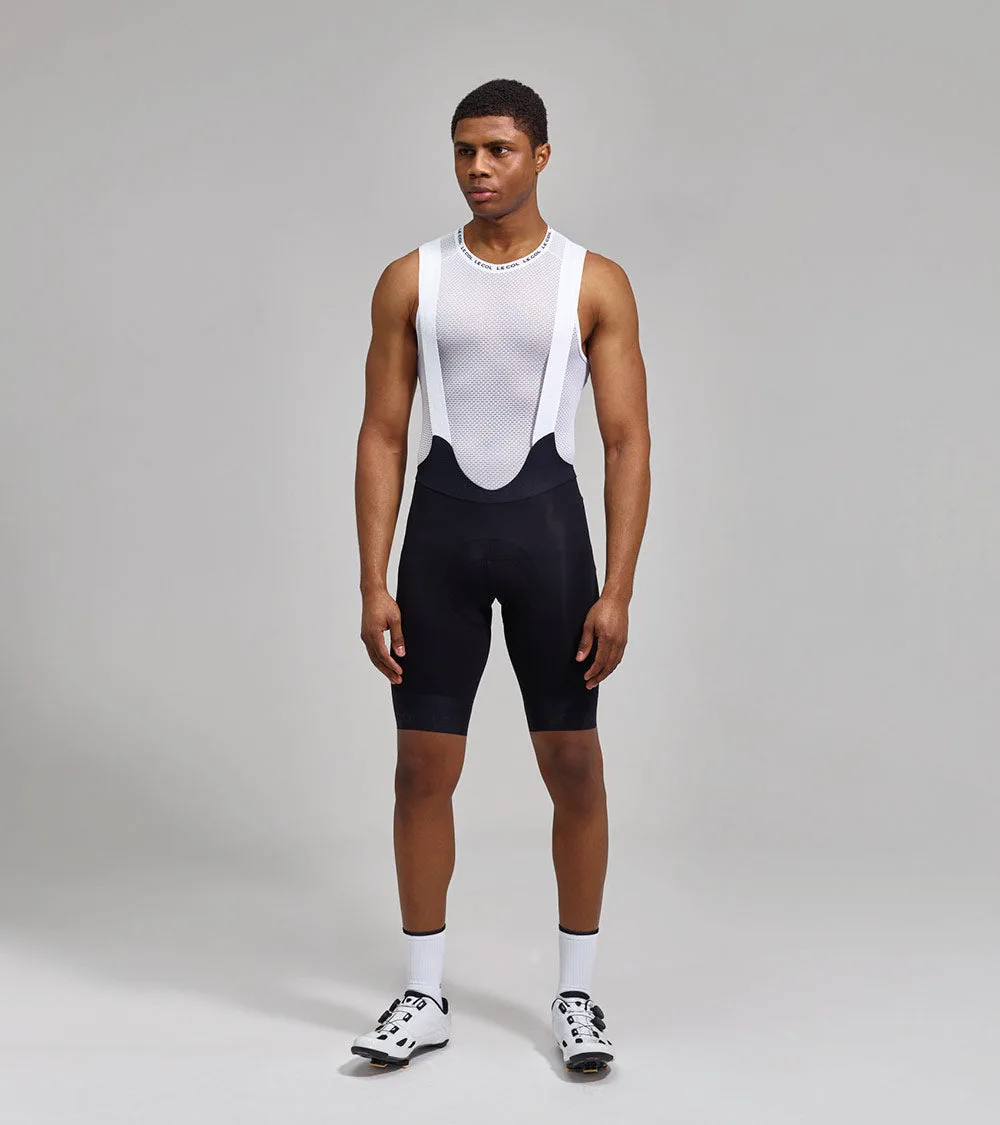
Hors Categorie Bib Shorts
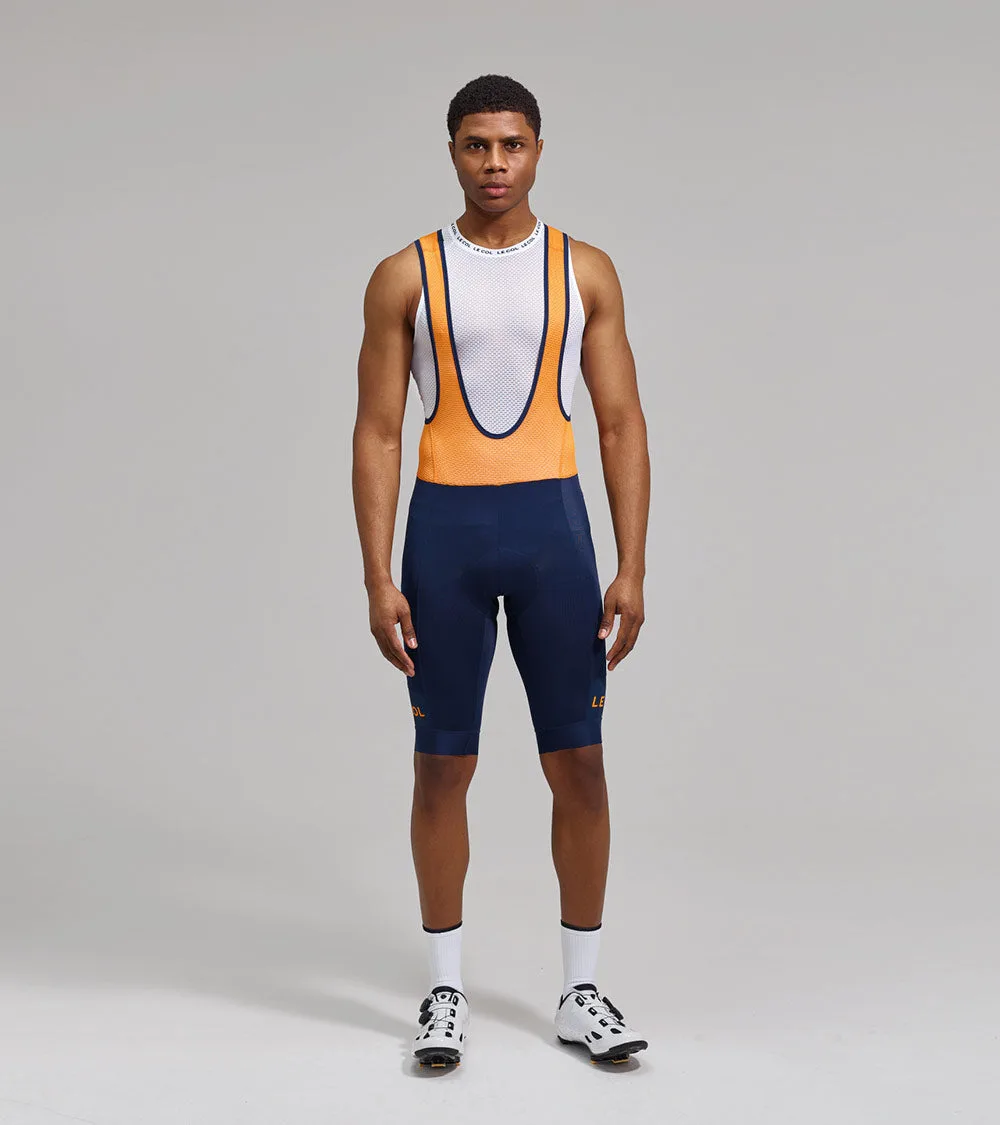
- Sport Bib Shorts: The Sport Bib Shorts are designed for speed with durability for everyday riding, using a lightweight yet supportive main fabric and an updated seam layout for a more streamlined fit. A streamlined fit that stays in place lowers the chance of bunching and chafing, which matters most on training rides and sportives where you sit for hours.
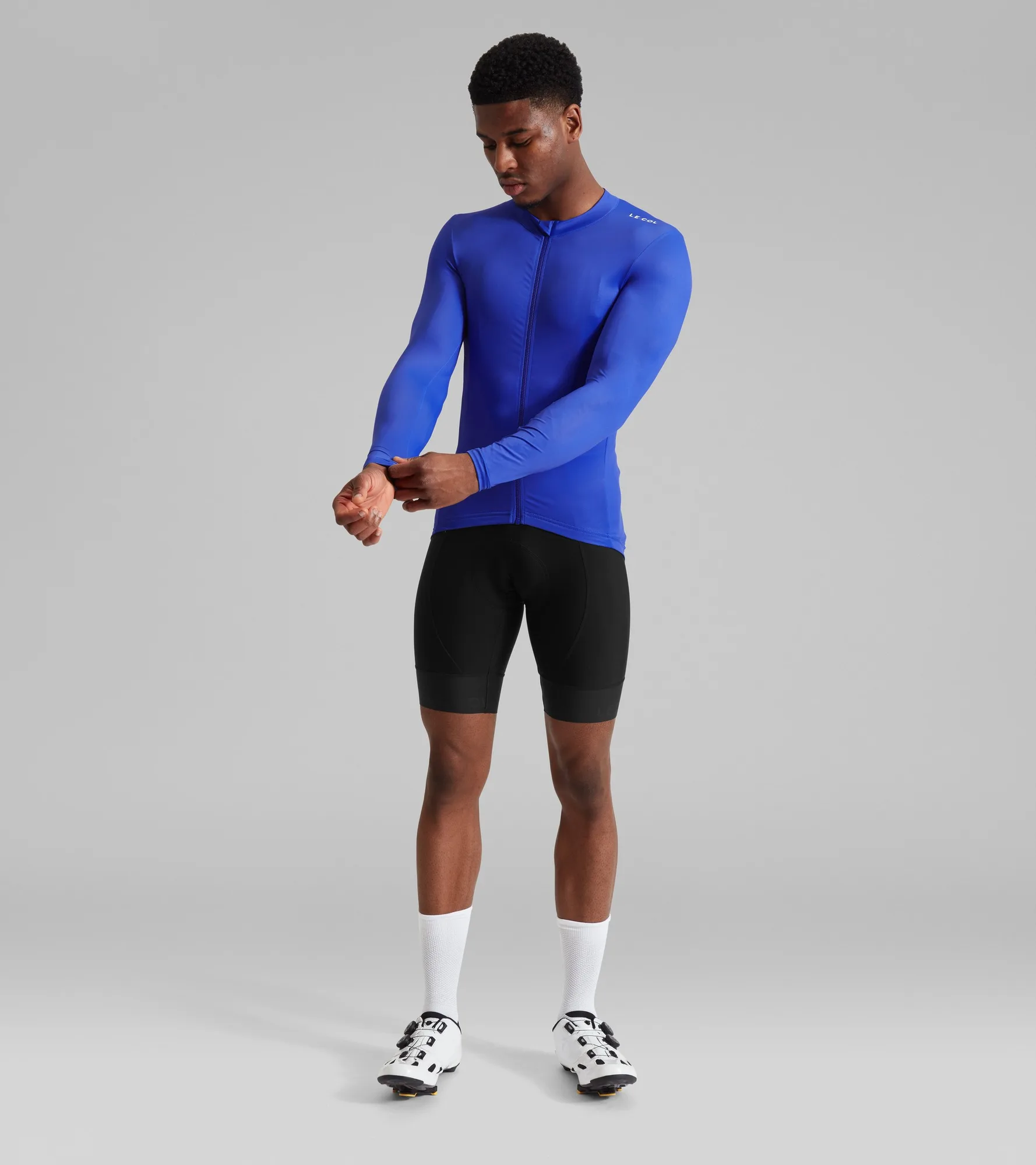
- Pro Long Sleeve Jersey: The Pro Long Sleeve Jersey uses a brushed-back Lycra that is thicker than typical to protect from cold air without losing breathability or fit, with a low-stack ergonomic collar. On cooler long rides, breathable insulation helps you avoid overheating and sweating through your base layer, which keeps the chamois area drier and less prone to irritation.