Quick answer
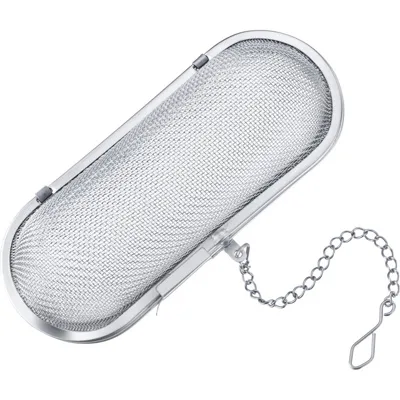
Choose a spice and herb strainer when you need to sift dry seasonings or remove clumps and larger particles from ground spices and dried herbs. Choose a tea strainer when you are brewing loose-leaf tea and need a basket that fits a cup or pot. They look similar, but the intended material, size, and handle shape push them toward different jobs. If you cook with whole spices or dried herbs often, the Westmark spice and herb strainer is the more useful single purchase.
What each strainer is actually built to do
A spice and herb strainer is designed for dry ingredients. The Westmark spice and herb strainer is a practical kitchen tool for sifting and straining dry ingredients like spices and herbs, helping to remove clumps or larger particles. That makes it useful when a recipe calls for a smooth dusting of ground spice or when you want to break up dried herb pieces before they hit the pan.
A tea strainer is built around liquid. It holds loose tea leaves while hot water passes through, then lifts out for easy disposal. The job is steeping and straining in one vessel, not sifting dry powder. If you try to use a tea strainer for clumpy spice blends, the small basket and fine mesh can clog quickly and the handle may not give you the leverage to work the powder through.
Mesh, size, and handle: the practical differences
Mesh size is the first thing to check. A fine mesh strainer for herbs and spices keeps smaller particles in the basket while letting air and fine powder through, which is what you want for sifting. Tea strainers also use fine mesh, but the mesh is often sized for leaf pieces rather than dry powder, so the two tools are not interchangeable for every task.
Size and handle shape matter just as much. A spice strainer tends to have a wider working surface so you can move dry ingredients around with a spoon. A tea strainer is usually smaller and shaped to rest on a cup or teapot rim. Neither design is better in the abstract; they solve different problems. If you only have room for one, decide whether you sift dry seasonings more often or brew loose-leaf tea more often.
Where a third tool solves the problem better
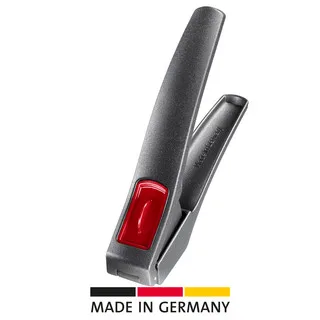
Some kitchen tasks are not about straining at all. If your goal is to crush fresh garlic directly into a pan, a garlic press does that faster than either strainer. The Westmark Garlic Press »Josie« Black Edition is designed for efficient crushing and lets you press cloves directly into your cooking, which is a different job from sifting or steeping.
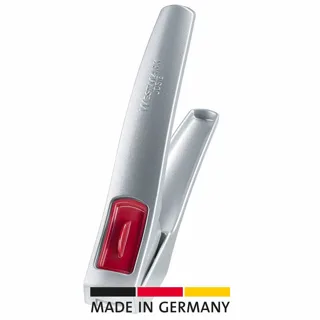
Garlic Press »Josie«
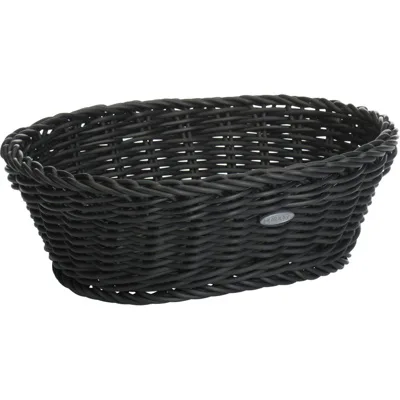
Similarly, if you are prepping or serving food rather than straining it, a bowl is the more useful purchase. The Westmark oval bowl measures 25.5 x 19 x 8 cm and works for serving, mixing, or storing. It does not replace a strainer, but it shows why matching the tool to the task beats buying a strainer you will rarely use.
Trade-offs to weigh before you buy
- Dry sifting vs liquid steeping: A spice and herb strainer is made for dry ingredients and removing clumps or larger particles. A tea strainer is made for holding leaves while hot water passes through. Pick based on whether your most common task is dry or wet.
- Fine mesh that clogs: Fine mesh is helpful for sifting powder and catching small herb pieces, but it can clog if you push damp or oily ingredients through it. Keep the tool dry and matched to the ingredient type.
- Counter space and frequency: A wider spice strainer takes more room than a small tea strainer. If you rarely sift spices, a tea strainer may be the more practical single purchase. Buy for the task you repeat most often, not the one you do once a year.
Product facts that affect the choice
- Spice and herb strainer: This Westmark spice and herb strainer is a practical kitchen tool designed for sifting and straining dry ingredients like spices and herbs. It matches the dry-ingredient job directly, so it is the better pick if you mostly work with ground spices and dried herbs.
- Garlic press »Josie« Black Edition: The Westmark Garlic Press »Josie« Black Edition is designed for efficient crushing and lets you press garlic cloves directly into your cooking. If your real need is fresh garlic rather than straining, this tool solves that task more directly than either strainer type.
- Bowl oval, 25,5 x 19 x 8 cm, black: This Westmark oval bowl measures 25.5 x 19 x 8 cm and is suited for serving, mixing, or storing. A useful reminder that prepping and serving are separate jobs from straining, so you do not buy the wrong tool for the task.
Which one fits your kitchen
Best for
- Cooks who sift ground spices or dried herbs and want to remove clumps and larger particles
- Anyone who wants a single dry-ingredient strainer for everyday seasoning
- Kitchens where a wider working surface and a simple, functional design are priorities
Not for
- Brewing loose-leaf tea, where a tea strainer shaped for a cup or pot is the better fit
- Crushing fresh garlic, which a garlic press handles more directly
- Serving or storing food, which a bowl is designed to do