Quick answer
Buy the ring that matches your lens's front filter thread, not the filter size you wish you had. For screw-in filters, choose a step-up ring when the filter is larger than the lens thread, and a step-down ring only if you accept possible vignetting. For NiSi holder systems, the adapter ring is lens-specific: the 77mm adapter ring for the S5/S6 is made for the Sigma 14-24mm f/2.8 DG Art Series in Canon and Nikon mount, while the 77mm ring for the 180mm holder is made for the Canon 11-24mm. If your lens is not one of those, check the holder's own compatibility list before ordering.
Read the thread size before you buy anything
Every lens has a front filter thread diameter printed on the barrel or inside the front cap, usually next to a symbol that looks like a circle with a line through it. That number, such as 77mm, is the only number that matters when you are choosing a step-up ring or a screw-in filter. Measure the outside of the thread with calipers if the marking has worn off, and round to the nearest common size rather than guessing.
Step-up rings are named by the direction of the change: a 72-77mm step-up ring takes a 72mm lens thread and accepts a 77mm filter. The first number is always the lens, the second is always the filter or accessory. If you reverse them, the ring will not thread on at all.
This is also why one large filter can serve several lenses. Buy the filter for your widest lens thread, then use inexpensive step-up rings to mount it on the smaller lenses in your bag. You spend once on the filter and a little on the rings.
Brass versus aluminum step-up rings
Brass rings resist thread galling and cross-threading better than aluminum, and they hold up to repeated mounting in cold or damp conditions. The trade-off is weight and price: a brass ring is noticeably heavier and costs more than the same size in aluminum.
Aluminum rings are lighter and cheaper, which suits travel kits and lenses you rarely re-rig. They can seize if you overtighten them onto a lens and leave them there for months, especially in humid conditions. Whichever material you choose, thread the ring on gently until it seats, then stop. Do not use force to seat a ring that is the wrong pitch.
For heavy filter holders, brass is the safer long-term choice because the ring carries the load. For a single lightweight screw-in filter on a compact lens, aluminum is usually enough.
When an adapter ring is not a step-up ring
A step-up ring changes thread diameter for screw-in filters. An adapter ring for a holder system does a different job: it attaches a specific lens to a specific holder so the holder sits at the correct distance and orientation. The two are not interchangeable, and a generic step-up ring will not substitute for a holder adapter ring.
NiSi holder adapter rings are made for named lenses. The 77mm filter adapter ring for the S5/S6 is designed for the Sigma 14-24mm f/2.8 DG Art Series in Canon and Nikon mount, and it is listed as no vignetting and compatible with the S6. The 77mm filter adapter ring for the NiSi 180mm holder is specially designed for the Canon 11-24mm. Both are aluminum with a male 77mm filter thread.
That lens-specific design is the point. A 14-24mm or 11-24mm lens has a bulbous front element and no normal filter thread, so the adapter ring is the only practical way to mount a square filter holder. If your lens is not on the list, do not assume a similar-looking ring will fit; check the holder's compatibility information first.
Fit rules that prevent returns
Match the ring to the lens mount and model, not just the thread diameter. Two lenses can share a 77mm thread and still need different holder adapters because the front element shape and holder spacing differ.
Check vignetting at your widest focal length before you commit. A step-up ring adds depth in front of the lens, and a holder adds more. The S5/S6 adapter ring is specified as no vignetting with its intended lens, but that claim applies to that lens and holder combination, not to every camera and focal length.
Keep one step-up ring per small lens thread in your kit rather than swapping a single ring between lenses on location. It is a small cost that removes a common source of dropped filters and cross-threading in the field.
Decision rules for choosing a NiSi ring
- Screw-in filter on a normal lens: Measure the lens front thread. Buy a step-up ring whose first number equals the lens thread and whose second number equals your largest filter thread. Choose brass for frequent use, aluminum for occasional travel use. One large filter plus step-up rings covers several lenses for less than buying a filter per lens.
- Bulbous ultra-wide on an S5 or S6 holder: Check whether your lens is the Sigma 14-24mm f/2.8 DG Art Series in Canon or Nikon mount. If it is, the 77mm S5/S6 adapter ring is the matching part and is specified as no vignetting with the S6. Do not buy a generic step-up ring for this lens; it has no standard front thread to attach to.
- Canon 11-24mm on a 180mm holder: Use the 77mm adapter ring made for the NiSi 180mm filter holder for the Canon 11-24mm. The diameter matches the S5/S6 ring, but the holder and lens are different. Same number, different system. Order by lens and holder name, not by thread size alone.
- Cinema lenses with rear or drop-in filters: If your lens already takes a drop-in or rear mount filter, such as the ATHENA PRIME kit or the PL mount 25mm, you may not need a front step-up ring for it. Spend the ring budget on the stills lenses that actually need front filtration.
NiSi rings and kits that show the sizing logic
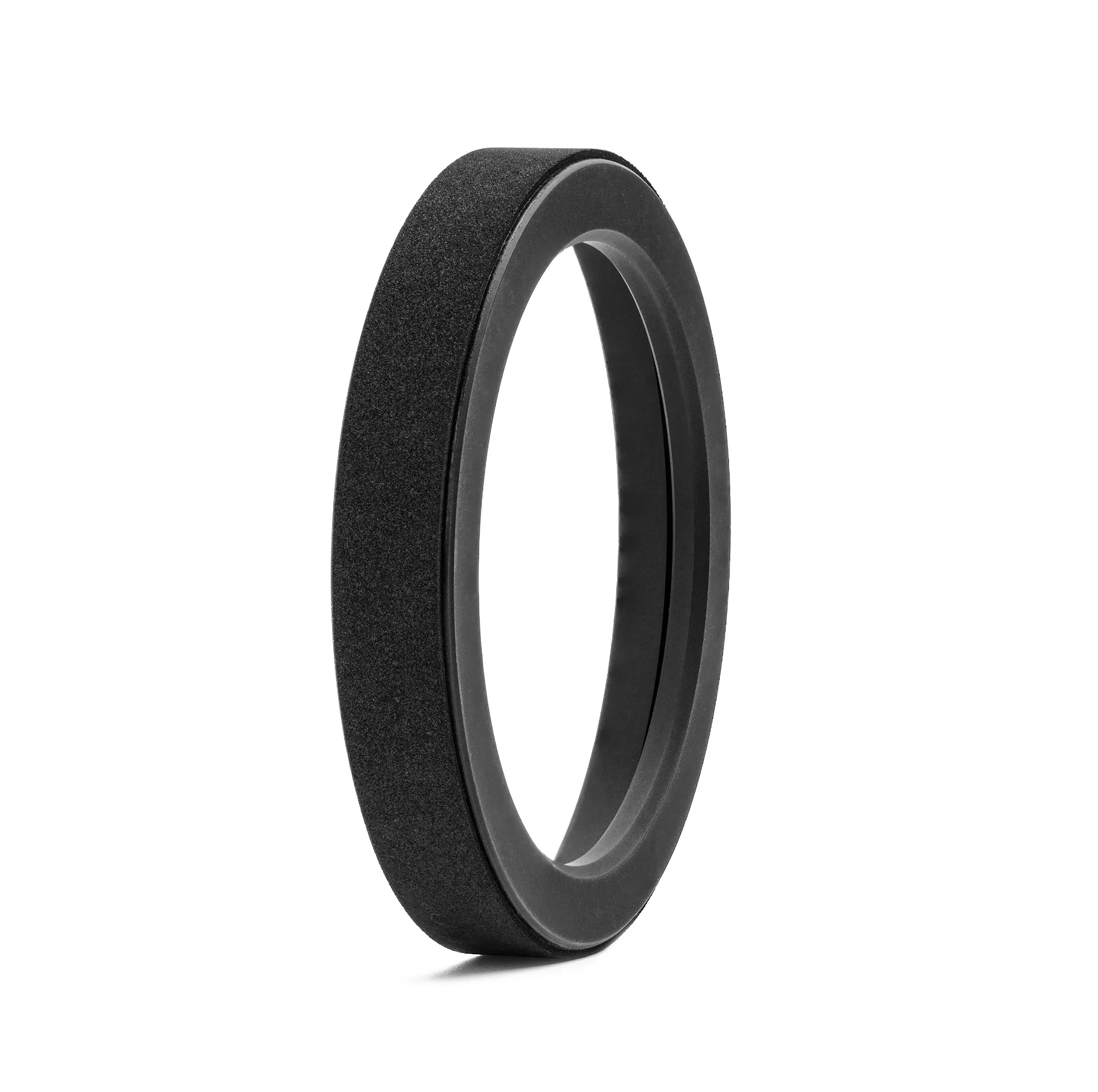
- NiSi 77mm Filter Adapter Ring for S5/S6 (Sigma 14-24mm f/2.8 DG Art Series – Canon and Nikon Mount): 77mm filter adapter ring for S5/S6, male 77mm thread, aluminum, designed for the Sigma 14-24mm f/2.8 DG Art Series in Canon and Nikon mount, no vignetting, compatible with the S6. This is the ring to buy if you shoot that specific Sigma lens and want to mount an S5 or S6 holder. The male 77mm thread tells you it screws into the holder side, not onto a normal lens filter thread.
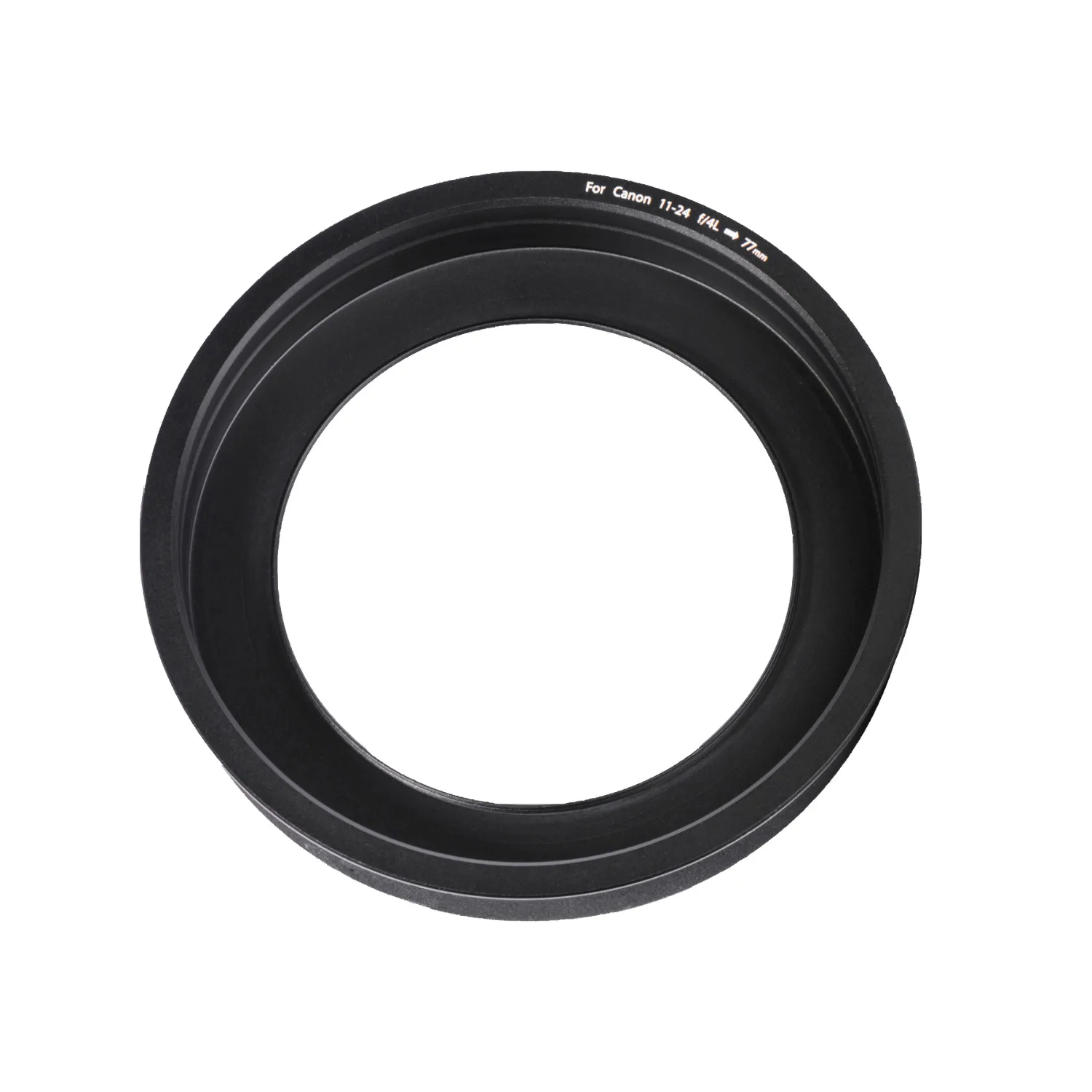
- Nisi 77mm Filter Adapter Ring for Nisi 180mm Filter Holder (Canon 11-24mm): 77mm filter adapter ring for the NiSi 180mm filter holder, male 77mm thread, aluminum, specially designed for the Canon 11-24mm. A reminder that the same 77mm diameter serves two different holder systems. If you own the 180mm holder and the Canon 11-24mm, this is the correct ring; the S5/S6 ring is not a substitute.
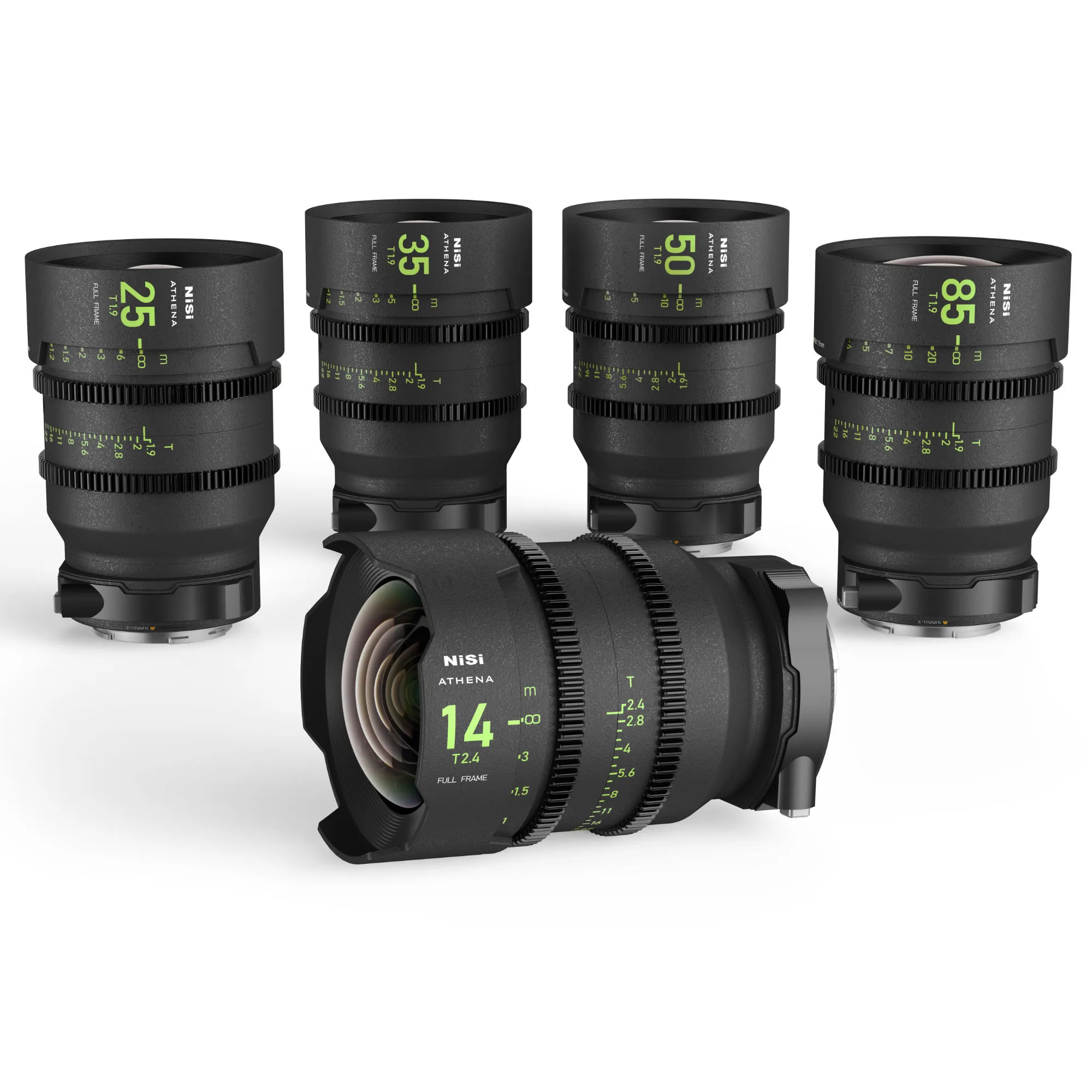
- NiSi ATHENA PRIME Full Frame Cinema Lens Kit with 5 Lenses 14mm T2.4, 25mm T1.9, 35mm T1.9, 50mm T1.9, 85mm T1.9 + Hard Case (E Mount): NiSi ATHENA PRIME full frame cinema lens kit with five lenses (14mm T2.4, 25mm T1.9, 35mm T1.9, 50mm T1.9, 85mm T1.9) plus hard case, E mount, 46mm imaging circle, drop-in filter mount. A cinema kit with a drop-in filter mount changes the filter plan. You may not need front step-up rings for these lenses at all, which frees your ring budget for the stills lenses that do need them.
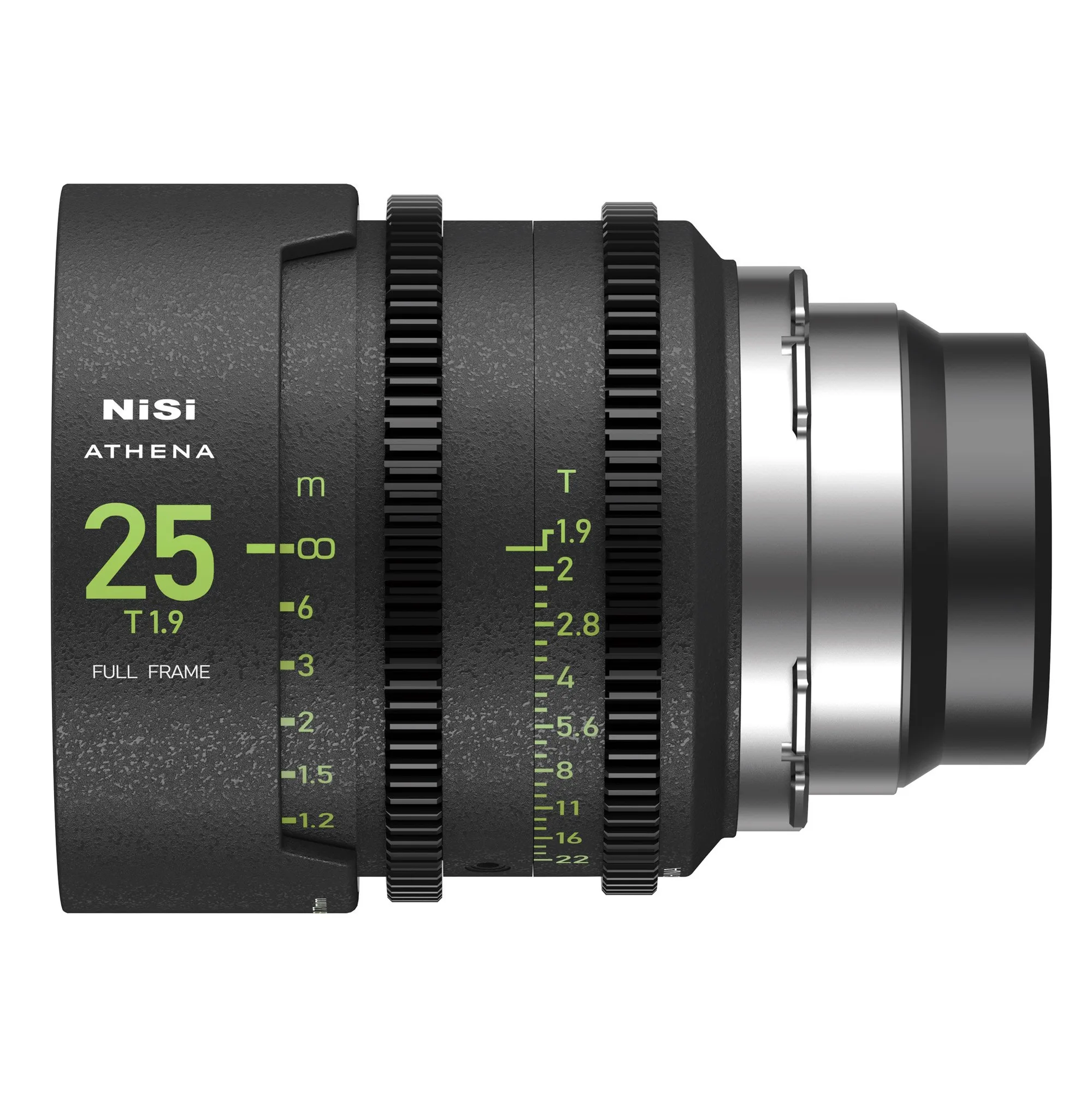
- NiSi 25mm ATHENA PRIME Full Frame Cinema Lens T1.9 (PL Mount): NiSi 25mm ATHENA PRIME full frame cinema lens T1.9, PL mount, 46mm imaging circle, rear mount filter, T1.9 aperture, minimized focus breathing. The PL mount version uses a rear mount filter rather than a front thread, so the adapter ring decision belongs to your holder and stills lenses, not to this lens.
Who this sizing approach suits
Best for
- Photographers and filmmakers running several lenses with different front threads who want one filter set to cover them
- Owners of the Sigma 14-24mm f/2.8 DG Art Series or Canon 11-24mm who need the correct holder adapter ring
- Buyers who want to confirm a ring will fit before ordering and avoid return shipping
Not for
- Shooters who only own one lens and can buy a filter in that exact thread size without an adapter
- Anyone hoping a generic step-up ring will mount a square holder on a bulbous ultra-wide lens
- Buyers who need a ring for a lens or holder combination that is not listed as compatible; contact the store first