Quick answer
Start with a 10-inch skillet, a 3-quart saucepan, and a 5-quart Dutch oven. Skip full sets with pieces you'll rarely use. Choose materials based on your stove type and cooking habits. For most beginners, a nonstick skillet for eggs and a stainless steel pan for searing is a solid combo.
When you're setting up your first kitchen, the cookware aisle can feel overwhelming. Stainless steel, cast iron, nonstick, copper—each material has its fans and its quirks. But you don't need a wall of pots to cook great meals. You need a few versatile pieces that handle the dishes you actually make.
This guide breaks down the essential cookware for beginners, explains the trade-offs between materials, and gives you clear decision rules. By the end, you'll know exactly what to buy, what to skip, and how to make your budget stretch further.
Start with Three Core Pieces
A 10-inch skillet is your workhorse. It handles eggs, stir-fries, seared chicken, and pan sauces. A 3-quart saucepan is perfect for grains, soups, and reheating leftovers. A 5-quart Dutch oven or stockpot covers stews, braises, and pasta. These three pieces will carry you through most recipes.
Resist the urge to buy a 12-piece set. Many sets include skillets you'll rarely use, lids that don't fit well, and specialty pans that gather dust. Instead, invest in quality pieces you'll reach for daily. You can always add more later.
- Check your stovetop: induction requires magnetic pans; glass-top needs flat bottoms; gas works with most materials.
- Look for oven-safe handles so you can finish dishes under the broiler.
Material Matters: Nonstick vs. Stainless vs. Cast Iron
Nonstick pans are great for eggs and delicate fish, but they scratch and wear out. Stainless steel is durable and great for browning, but it sticks if you don't preheat properly. Cast iron holds heat beautifully and lasts generations, but it's heavy and needs seasoning.
For beginners, a good nonstick skillet for everyday eggs and a stainless steel skillet for searing is a practical combo. Cast iron is worth adding if you love cornbread, deep frying, or cooking over a campfire.
- Avoid metal utensils on nonstick to extend its life.
- Preheat stainless steel before adding oil to prevent sticking.
Budgeting and Quality Trade-offs
You don't need to spend a fortune, but cheap pans often have uneven heating and flimsy handles. Look for tri-ply stainless steel or a reputable nonstick brand. A good mid-range pan can last years if cared for properly.
Consider buying pieces individually rather than as a set. This lets you prioritize what you use most and upgrade gradually. It's also easier to replace a single worn-out pan without losing the rest of your set.
- If you're on a tight budget, prioritize the skillet over the saucepan—you can cook small batches in a skillet.
- Read reviews for durability, not just star ratings.
Decision Rules for Buying Cookware
- Rule 1: Match the pan to the task: Nonstick for eggs and delicate fish, stainless for browning and deglazing, cast iron for high-heat searing and even heat. Buy a nonstick skillet and a stainless skillet first.
- Rule 2: Consider your stove: Induction requires magnetic pans (stainless or cast iron). Glass-top needs flat bottoms to avoid scratches. Gas works with everything. Check your stove type before buying.
- Rule 3: Prioritize versatility: A 10-inch skillet, 3-quart saucepan, and 5-quart Dutch oven cover most recipes. Skip specialty pans like crepe pans or woks unless you cook those dishes weekly. Start with three core pieces, not a full set.
Cookware That Elevates Your Kitchen
- The Garden Tour: Gifting someone this Garden Tour is like taking them for a sensory walk around the Estate. It’s got the greatest hits from all areas of the property made with the plants I love the most. Down in the orchard, a dozen types of Sage grow freely among the trees, which are the basis of our Body Wash and Hand Soap. While not cookware, this curated set introduces you to the brand's signature scents—useful for creating a pleasant kitchen ambiance after cooking.
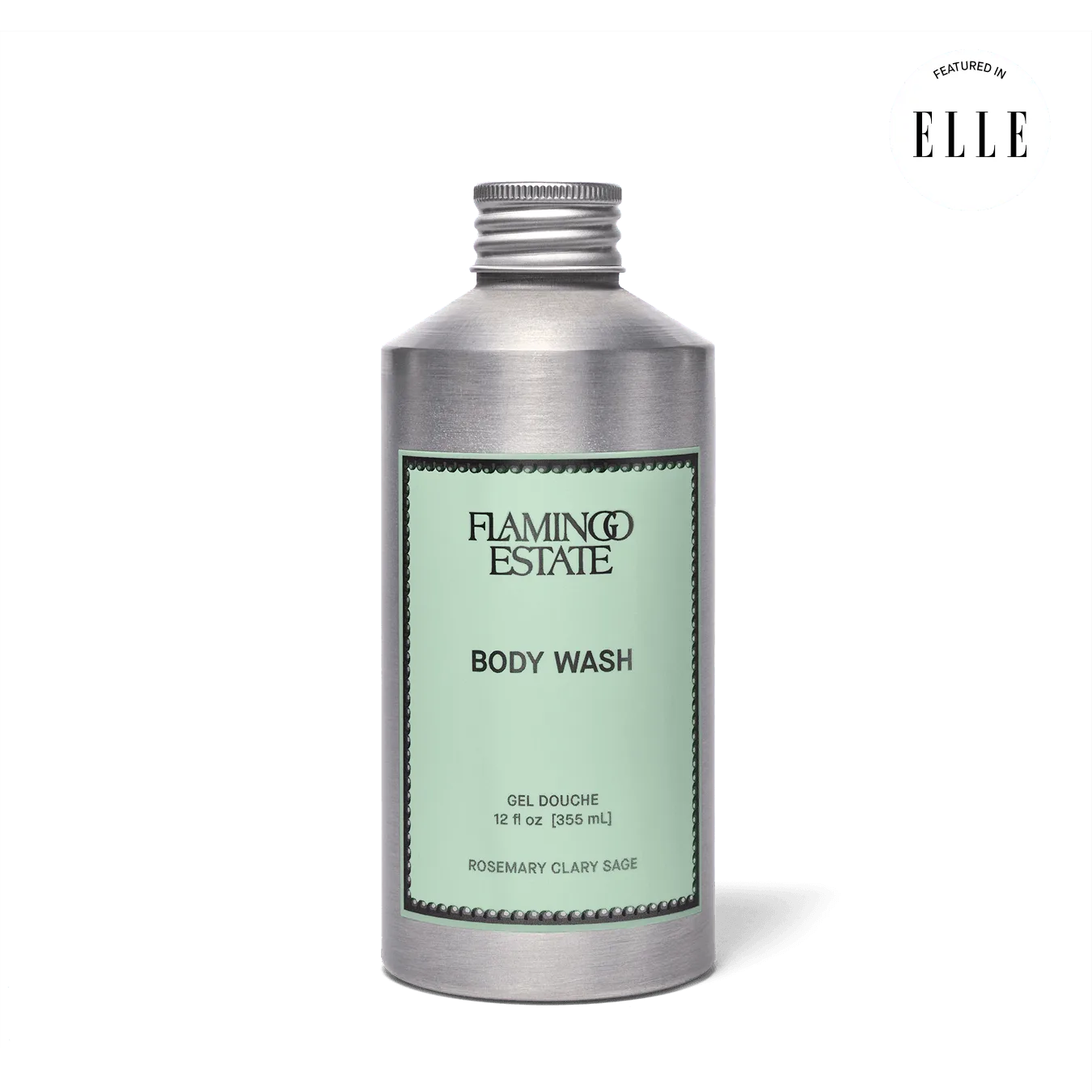
- Rosemary Clary Sage Body Wash: Our award-winning Body Wash is made with only Oils, like Olive and Babassu, and thickened with natural Sea Salt, which gives it a honey-like texture and a remarkable smell. We harvest the purest Rosemary, Sage, Lavender, and Eucalyptus, giving this Body Wash six times the amount of Essential Oils compared to most brands. Cooking leaves you with lingering odors. A refreshing rosemary-sage body wash helps you transition from the kitchen to the table feeling clean and invigorated.
Who Should Buy What
Best for
- Beginners who want to cook a variety of everyday meals without clutter
- Home cooks who value durability and plan to upgrade gradually
Not for
- Serious home chefs who need specialized pans like a wok or a griddle
- Minimalists who prefer one pan for everything and are willing to adapt
Building your first cookware set doesn't have to be complicated. Focus on a few quality pieces that match your stove and cooking style. Skip the mega-sets and invest in what you'll actually use. With a solid skillet, a saucepan, and a Dutch oven, you're ready to cook almost anything. And don't forget to treat yourself to a little luxury after a long day in the kitchen—whether it's a scented body wash or a curated gift box from Flamingo Estate.