Quick answer
Set a fixed restock cadence tied to your actual sell-through, not to supplier sales. Count what sold in the last 30 days, divide by weeks to get a weekly rate, then order enough to cover that rate plus supplier lead time plus a small buffer. For most small shops, a monthly or six-week cycle works better than reacting to every new drop.
Start with a 30-day sell-through count, not a feeling
Before you order anything, count units sold in the last 30 days for each art or decor SKU. Divide by four to get a weekly rate. If you sold eight units of one print in a month, that is roughly two per week. That number, not a hunch, is your reorder baseline.
A common mistake is counting revenue instead of units. Revenue hides which specific designs move and which sit. Unit counts tell you what to reorder and what to stop buying.
Map supplier lead time to your calendar
Ask your supplier for a realistic production and shipping window, then add a buffer for peak seasons. If lead time is three weeks, you need to place the order when you have three weeks of stock left, not when you are down to the last few pieces.
For wholesale decor ordering tips, the useful rule is: order date equals sell-through rate multiplied by lead time plus safety stock. Write that date on your calendar so you are not guessing during a busy week.
Build a seasonal mix you can actually sell through
Seasonal art restock strategy does not mean buying a full holiday assortment in September. It means shifting 20 to 30 percent of your open-to-buy budget toward seasonal designs and keeping the rest in proven year-round sellers.

September
If a seasonal design does not sell by the end of its window, mark it down early rather than storing it. Storage cost is real, and next year's assortment may look different.
Track color and finish shifts in your own sales data
Small shifts in customer preference show up in your own numbers before they show up in trend reports. If neon and bright finishes are selling faster than muted tones, adjust your next order mix rather than ordering the same ratio again.
One checkpoint: review your top five and bottom five SKUs every restock cycle. If a SKU has been in the bottom five for two cycles, cut it from the next order.
Restock cycle steps for small shops
- Count last 30 days of unit sales: Pull a simple report or count your sold items by SKU. Divide by four to get a weekly sell-through rate. Checkpoint: if you cannot produce this number in under 15 minutes, simplify your tracking before you reorder.
- Confirm current supplier lead time: Ask for production plus shipping time, then add a buffer for peak season. Do not assume last quarter's lead time still applies. Checkpoint: if lead time is longer than your cash cycle, reduce order size and increase frequency.
- Calculate order quantity: Multiply weekly rate by lead time in weeks, then add 10 to 20 percent safety stock. Round to the supplier's minimum order quantity. Common mistake: ordering to the minimum only, which leaves you out of stock before the next cycle.
- Set the order date and put it on the calendar: Work backward from the date you expect to run low. Schedule the order two to three days before that date to allow for payment and confirmation. Checkpoint: if the order date falls during a holiday or your busiest week, move it earlier.
- Review the mix before you submit: Compare your top five and bottom five SKUs. Shift budget toward proven sellers and cut anything that has been in the bottom five for two cycles. Common mistake: repeating last order's mix without checking what actually sold.
- Log the order and set a follow-up reminder: Record order date, expected arrival, and quantity. Set a reminder for one week after expected arrival to check for delays. Next step: after delivery, update your sell-through rate so the next cycle starts with fresh data.
Product facts that affect restock decisions
- BOOBY HATCH (Wholesale): Neon red-orange jelly base with light holo blue and neon pink micro glitter; 10-free, vegan, cruelty-free, nontoxic; comes with a removable handmade decorative bronze cap atop a standard black matte cap. The decorative cap adds a display and gift angle, but it is removable, so you can offer a lower-cost option if a customer wants to skip it. The neon formula also means you should not overstock if your customers prefer muted tones.
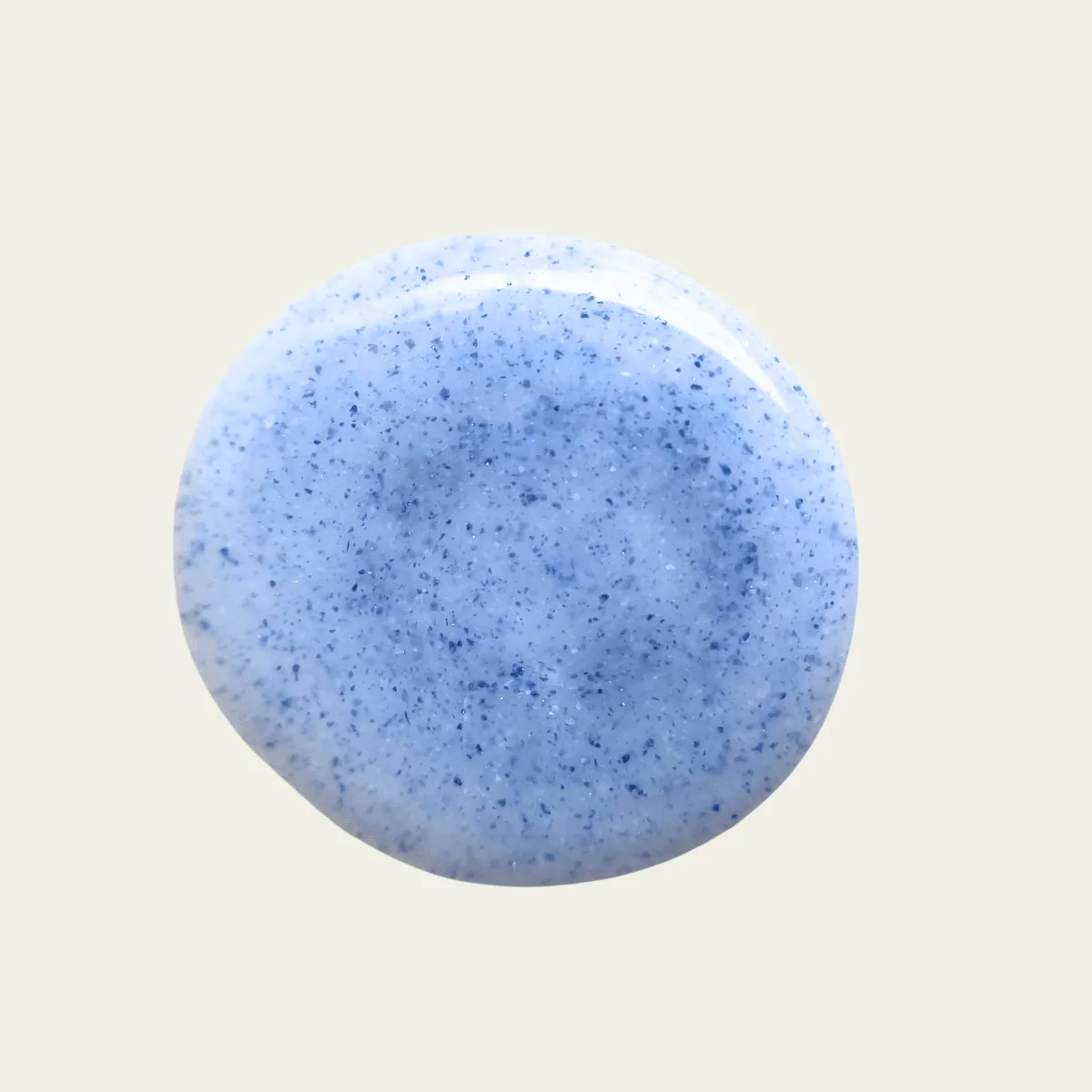
- MOTHER OF PEARL + BLUESTONE (Dust To Dust) (Wholesale): A combination of ground Mother Of Pearl and Bluestone from the Dust To Dust collection; larger particles settle at the bottom and sides of the bottle and do not suspend in the base. Because the pigment settles, this is not a quick-turn impulse item. Stock it where customers can see the texture and plan for slower sell-through than a standard polish.
- CANOODLING (Wholesale): Neon pastel bright pink; 10-free, vegan, cruelty-free, nontoxic; suggested base coat and 2-3 coats plus top coat; neon pigments fade over time. Fading is a real limitation, so order smaller quantities more often rather than buying a large seasonal batch that may lose brightness on the shelf.