Quick answer
Stock a small, tested core of wholesale quilt patterns and rulers first, then add fabric kits only after the patterns prove they sell. For most quilt shops, that means carrying the pattern, the ruler it requires, and one or two fabric options rather than a deep catalog of every design. If a pattern needs a specific ruler, treat the two as one SKU decision, not two.
Start with patterns that sell themselves
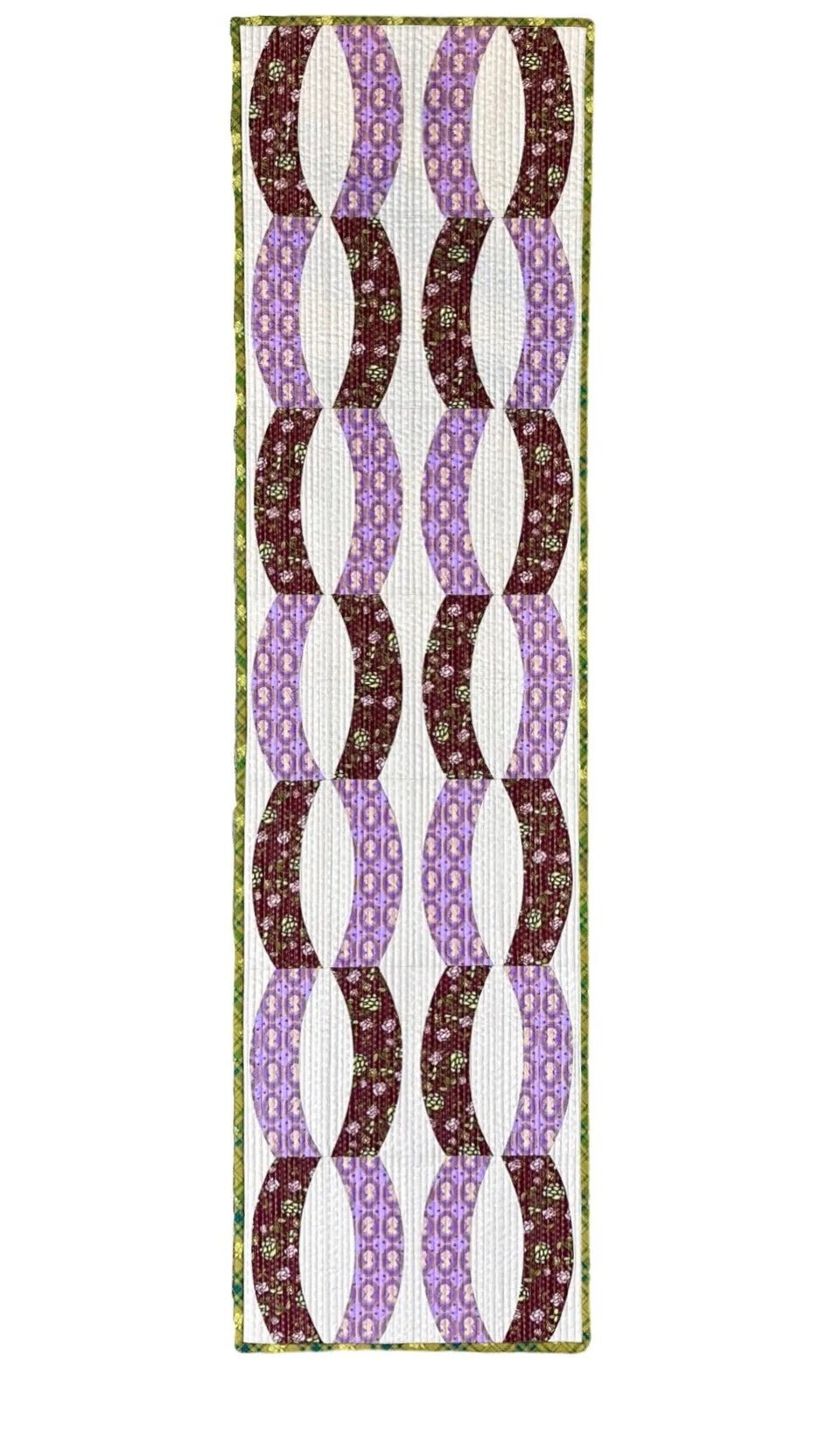
Wholesale quilt patterns move fastest when the finished quilt is recognizable from across the room. Character and seasonal designs do this well because a customer can picture the finished project immediately. Curved-piecing patterns are a strong second category because they look difficult but are taught in a single class, which gives you a reason to bring customers back for the ruler.
When you evaluate a wholesale quilting ruler line, ask one question: how many patterns does it unlock? A ruler tied to only one pattern is a hard sell. A ruler that supports several patterns across different sizes gives you a reason to reorder patterns without reordering the tool.
Match your pattern range to your class schedule
Your class calendar is the best predictor of what will sell at retail. If you teach curved piecing, stock curved-piecing patterns and the ruler they use. If you run a block-of-the-month or holiday program, stock patterns that fit that theme and can be finished in the program window.
Keep the range narrow enough that staff can explain every pattern in one sentence. A customer who hears a clear one-line pitch is more likely to buy than one who is handed a catalog.
Fabric kits and paper patterns: a sequencing decision
Kits carry a higher unit price and tie up more cash, so treat them as a second wave. Sell the pattern first, watch which designs reorder, then bring in a kit for the top performer. This keeps your inventory tied to proven demand instead of a guess about color trends.
When you do stock kits, check what is included before you price them. Some kits cover the quilt top and binding only, which means you still need to sell backing and batting alongside them. That is an opportunity, not a problem, as long as your staff knows to mention it.
Set resale prices from your real costs
Work backward from your landed cost, not the suggested retail price. Add shipping, any import or handling fees, and the labor cost of processing the shipment. Then set a retail price that leaves enough margin to cover a class discount or a sale without going negative.
Patterns and rulers are usually low-weight, high-margin items, which makes them good candidates for bundle pricing. A pattern plus its required ruler at a small combined discount often sells better than either item alone and clears shelf space faster.
Reorder before you run out, not after
Track sell-through by pattern, not by category. A pattern that sells out in three weeks should be reordered immediately; one that sits for a season should be discounted and not reordered. Set a simple rule: reorder when stock drops to two units and the item has sold at least three in the last quarter.
Ask your wholesale supplier about lead times and whether popular designs restock on a predictable schedule. Lead time is the number that decides your reorder point, not your gut feeling about how busy the shop feels.
Decision rules for stocking wholesale patterns and rulers
- Rule 1: One ruler, many patterns: Only commit to a wholesale quilting ruler if it supports at least three patterns you plan to carry. Check the pattern listings to confirm which ruler each design requires before you order. If a ruler serves one pattern, skip it or special-order per customer.
- Rule 2: Pattern first, kit second: Bring in paper patterns, watch reorders for one full season, then add a fabric kit only for the designs that sold through. Kits tie up more cash per unit than patterns do. No kit until the matching pattern has proven demand.
- Rule 3: Price from landed cost: Add shipping and handling to your wholesale cost, then set retail so a 20 percent class or sale discount still leaves margin. Do not anchor to the suggested retail price alone. Recalculate margins whenever shipping rates change.
- Rule 4: Reorder at two units: Set a reorder trigger of two units remaining for any pattern that sold three or more in the last quarter. Confirm supplier lead time so the reorder lands before the shelf is empty. Discount and retire patterns that miss the sales threshold for two quarters.
Product facts for shop owners
- Quittles - Tusker: Quittles patterns are lap size and use the Wonder Curve Ruler and Sew Square 4, with easy curved piecing described as no pinning, no centering, and no snipping. A single tool unlocks a whole character-quilt series, so you can stock one ruler and rotate patterns as new characters arrive.
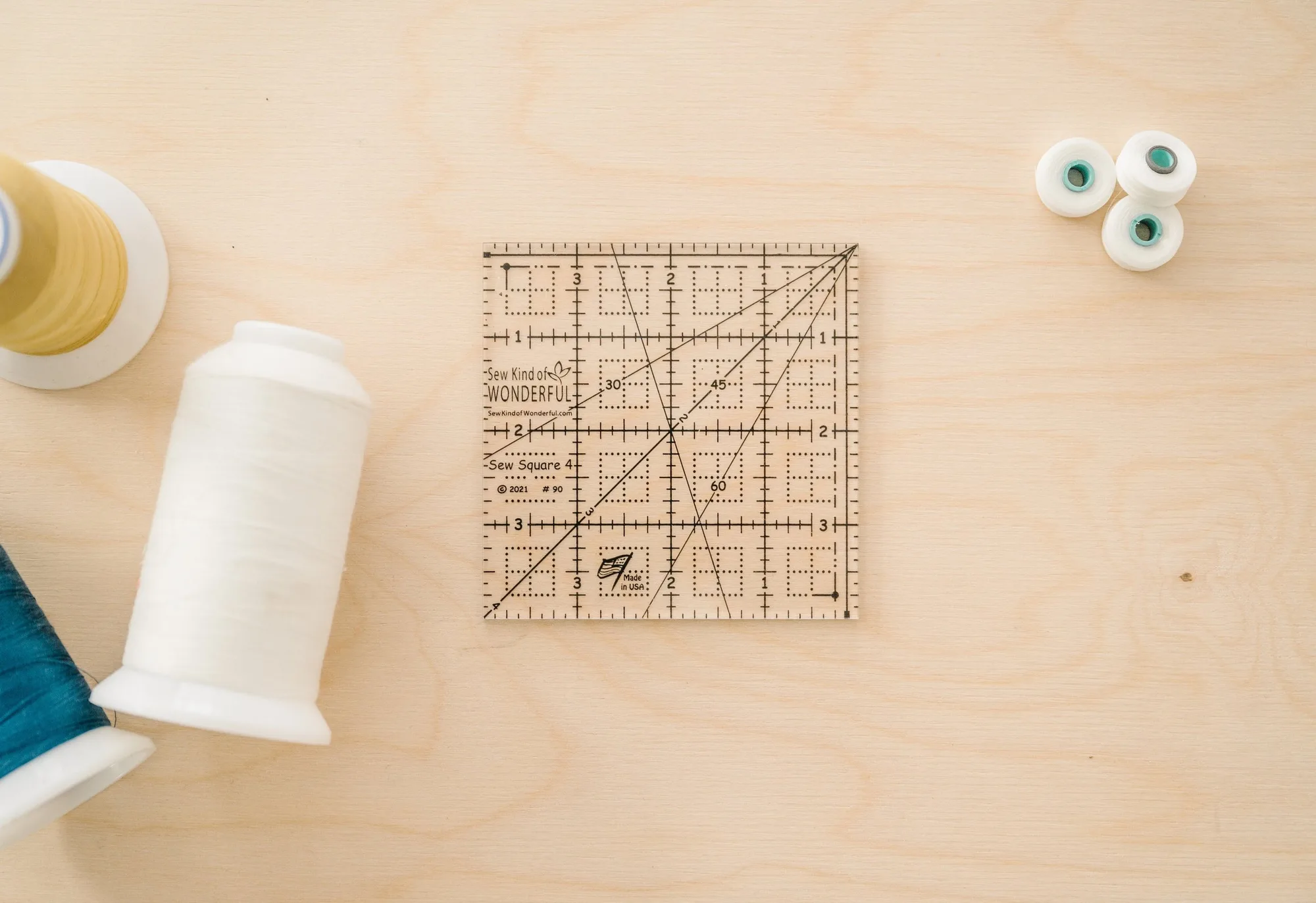
Sew Square 4
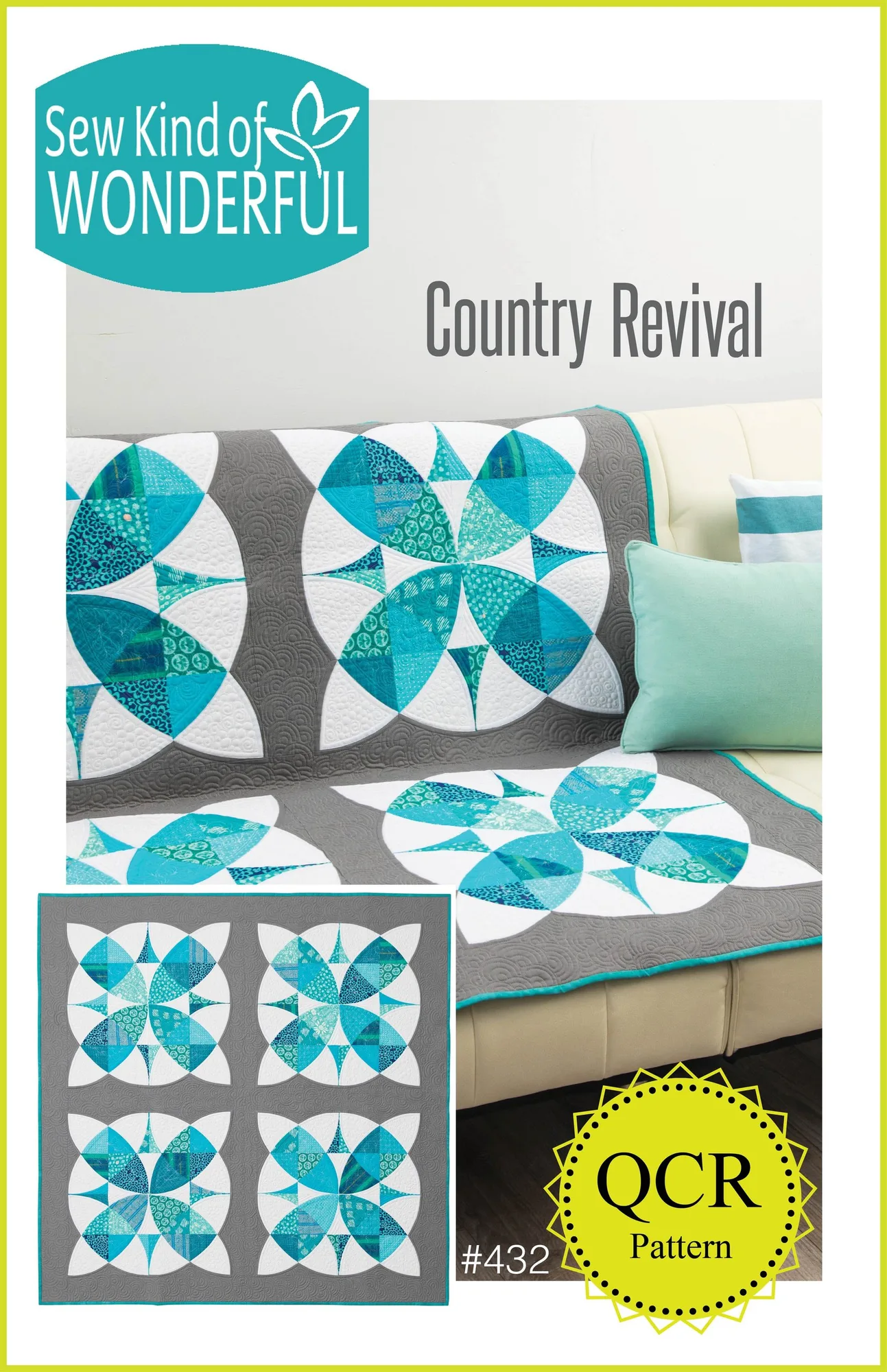
- Country Revival (Paper): Country Revival is a 44 x 44 inch paper pattern that lists fat quarters, background, setting fabric, backing, and binding, and shares a Quick Curve Ruler video tutorial with Chic Country. The shared tutorial means one class can support two patterns, which lowers your teaching cost per pattern sold.
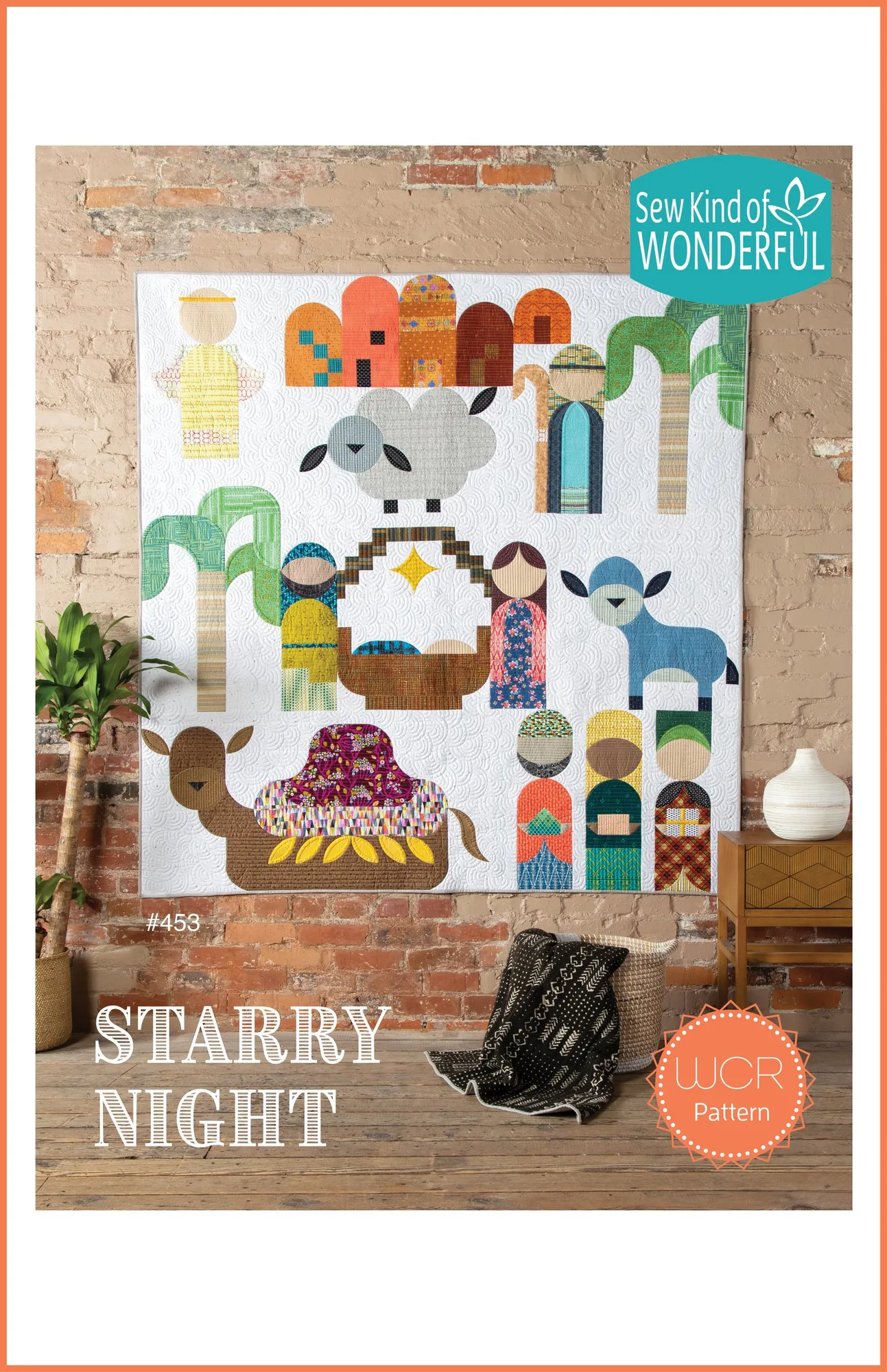
- Starry Night Pattern: Starry Night uses the Wonder Curve Ruler and includes 15 blocks and 8 layouts, with blocks that can also be made as mini quilts or pillows. Multiple layouts and small-project options let you sell the same pattern to beginners and to customers who want a quick gift project.
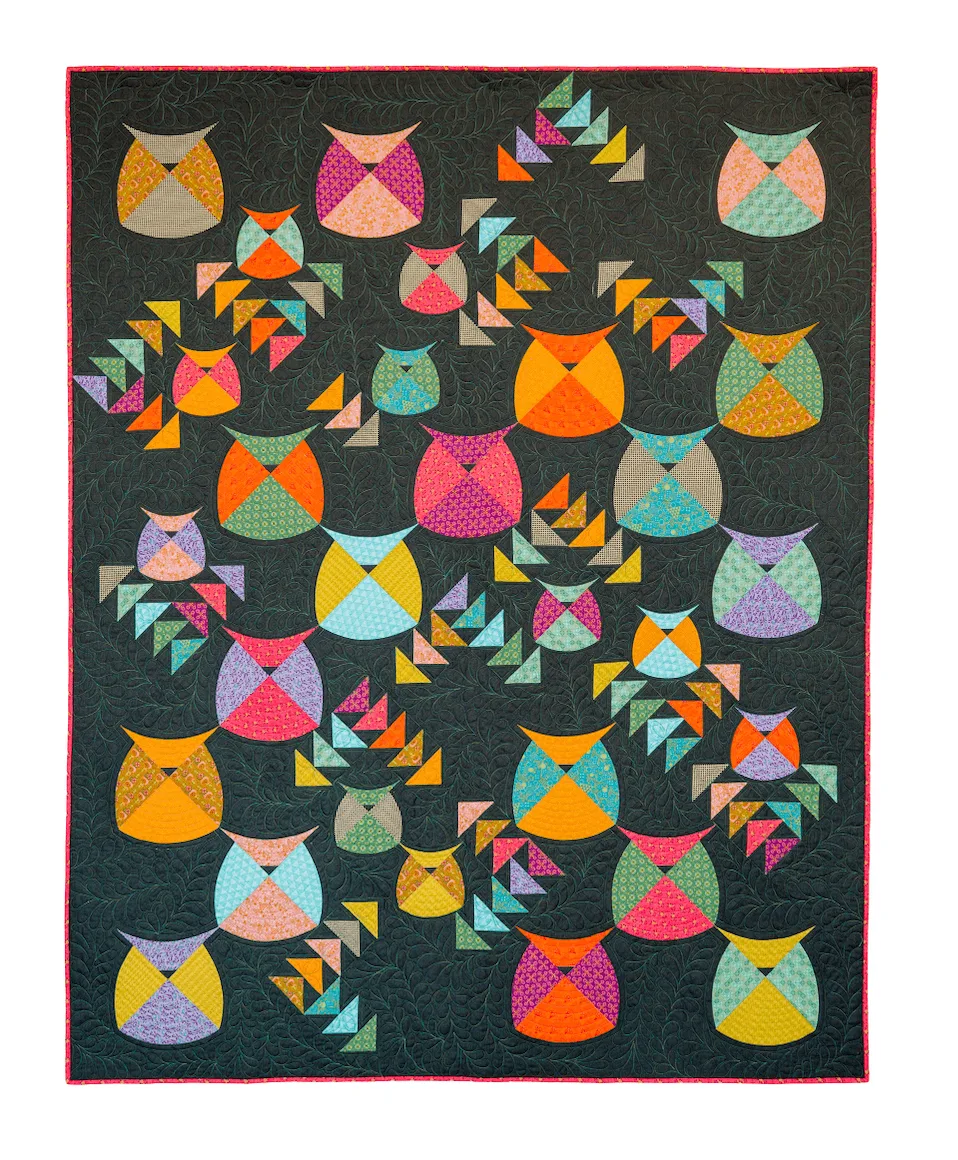
- Mod Owls Revival Quilt Kit (Pop Cloth): The Mod Owls Revival Quilt Kit is 62 x 75 inches and includes fabric for the quilt top and binding, but not backing or batting. You can price the kit honestly and pair it with a backing and batting sale, which raises the average transaction value.
Who this approach fits
Best for
- Quilt shops with a class schedule that can teach curved piecing
- Shops that want a narrow, explainable pattern range instead of a deep catalog
- Owners who can track sell-through by pattern and reorder on a rule
Not for
- Shops that cannot commit shelf space to a required ruler
- Buyers looking for one-time seasonal stock with no reorder plan
- Stores that price from suggested retail without adding shipping and handling