Quick answer
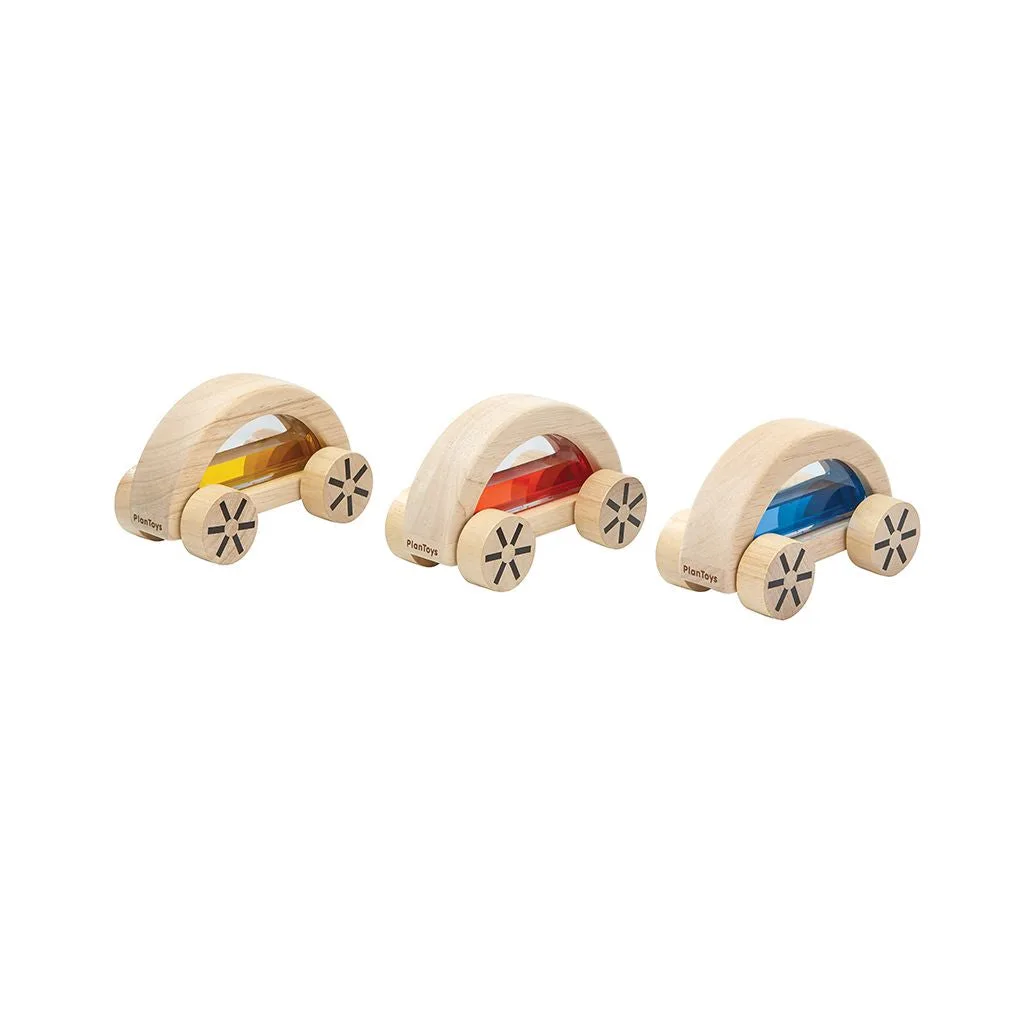
Toddlers drop toys not to frustrate you, but to explore gravity, cause and effect, and their own grip strength. The solution isn't to stop the dropping—it's to offer toys that are easy to grasp and that reward repeated pick-ups, like lightweight wooden rollers and cars.
Why dropping is a learning milestone
Between 6 and 18 months, babies and toddlers go through a phase where dropping objects from their high chair or play mat is a favorite activity. This isn't defiance; it's a scientific experiment. Your child is learning that objects fall down, not up, and that different materials make different sounds when they land. This cause-and-effect understanding is a critical cognitive step.
chair
The dropping phase also coincides with the development of the pincer grasp and voluntary release. Before this age, babies mostly hold things reflexively. Letting go intentionally is a new motor skill that requires practice. Each drop and retrieval strengthens the neural pathways for hand control.
How to choose toys that support grip development
Look for toys that are easy for small hands to hold but not so light that they offer no resistance. A toy that makes a gentle sound when it moves, like a wooden roller, gives auditory feedback that encourages a child to reach for it again. Toys with rounded edges and a slight weight help a toddler feel where the object is in their hand, which builds proprioception—the sense of body position.
Avoid toys with sharp corners or parts that could break off. Solid wooden toys without small detachable pieces are safer for this stage. Also consider toys that can be used in different positions: on the floor, on a play mat, or sitting up. This variety challenges different muscle groups.
When to be concerned about dropping
Most dropping is normal, but if your toddler consistently cannot hold any toy for even a few seconds past 12 months, or if they seem to have no interest in reaching for dropped objects, it may be worth discussing with your pediatrician. Also watch for signs of frustration or pain when gripping. A child who avoids using one hand or consistently drops toys only on one side might need an evaluation.
For the vast majority of toddlers, though, the dropping phase is temporary and healthy. The best response is to stay patient, offer a variety of graspable toys, and celebrate each time your child picks one up again.
Diagnosis: Is your toddler's dropping normal?
- Symptom: Your toddler repeatedly drops toys from the high chair, crib, or play mat, often looking at you or the toy after it falls. This is typical exploratory behavior, not a problem.
- Likely cause: The child is practicing voluntary release and learning about gravity and cause-and-effect. It is a normal developmental phase between 6 and 18 months. No intervention needed unless other delays are present.
- Corrective action: Offer lightweight, graspable toys that make a sound or move when dropped, so the activity remains engaging. Pick up the toy calmly and hand it back, or place it within reach for self-retrieval. This turns dropping into a learning game.
- When to stop and choose another option: If your toddler seems frustrated, avoids using one hand, or cannot hold any toy for a few seconds past 12 months, consult your pediatrician. Otherwise, continue offering varied grip-friendly toys. Trust your instincts, but know that most dropping is healthy.
Toys that help build grip and curiosity
- Roller - Classic: This colorful toy creates a sound when rolled. Stimulates sight and sound. Toy makes a pleasant, gentle sound when rolled across flat surfaces. Stimulates a child's fine motor skills when manipulated and encourages early communication via interactive play. The gentle rolling sound gives your toddler immediate feedback when they push it, turning a drop-and-chase game into a rewarding motor exercise. The cylindrical shape is easy to wrap small fingers around, which helps practice the voluntary release needed to let go.
- Vroom Bus: Designed for little hands to easily grab, grip, push and roll. Helps develop fine motor skills and hand-eye coordination. The compact size and smooth contours of this wooden car let toddlers practice a controlled grip. Pushing it along a surface builds the wrist and finger strength that eventually replaces dropping with purposeful play.
- Play Gym - Pastel: Give your baby a workout with this activity gym that includes 2 suspended toys that help stimulate your child’s curiosity. Items can be detached for later stages of development. The structure is designed with four legs to prevent rocking and to optimize child safety. The detachable rocket and planet toys let you transition from overhead batting to floor-level grasping as your baby grows. The stable base means the gym won't tip when your child tugs on a toy, so they can focus on the hand movements that build grip strength.