Quick answer
Glass food storage containers are not fragile, unsafe, or limited to cold foods. Glasslock oven safe containers are designed for oven use, and their durability comes from tempered glass construction. The real limitations are thermal shock and lid materials, not the glass itself.
Myth 1: Glass containers are too fragile for daily use
Glasslock containers are made from tempered glass, which is heat-strengthened to handle oven temperatures. While no glass is indestructible, tempered glass resists thermal shock better than regular glass. Accidental drops on tile can still cause breakage, but normal stacking, washing, and oven use are well within its design limits.
Myth 2: You can't put glass storage containers in the oven
Many glass containers are oven safe, but you must check the manufacturer's instructions. Glasslock oven safe containers are explicitly designed for oven use, with the glass base safe for baking and reheating. The lids, however, are not oven safe and should be removed before heating. Always confirm the temperature limit for your specific product.
Myth 3: All glass containers are the same
Not all glass is created equal. Soda-lime glass, used in some inexpensive containers, is not oven safe and can shatter under sudden temperature changes. Borosilicate glass offers better thermal shock resistance but is less common in food storage. Glasslock uses tempered soda-lime glass that is oven safe when used as directed. The difference matters when you move a container from freezer to oven.
Myth 4: Glass containers are not truly plastic-free
The glass base of Glasslock containers is plastic-free, but the lids often contain plastic or silicone for a flexible seal. If your goal is to avoid plastic entirely, you can use the glass bases without lids for oven cooking and cover with foil or a plate for storage. For freezer or fridge storage, the lids provide an airtight seal that extends food freshness.
Myth 5: Glass containers are too heavy and impractical
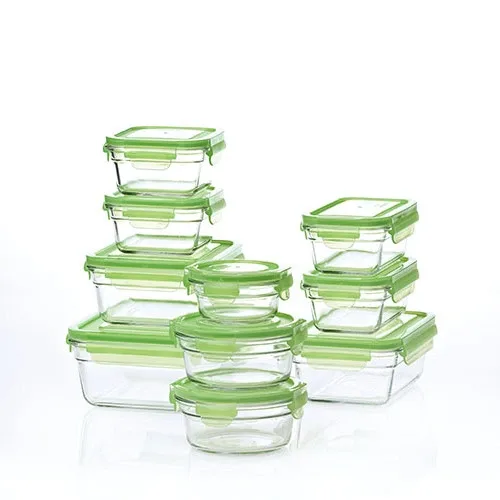
Glass is heavier than plastic, but that weight comes with benefits: it doesn't stain, hold odors, or warp. Glasslock offers a range of sizes, from small 0.7-cup rounds to large 6.0-cup squares, so you can choose lighter options for everyday use. The 20-piece set includes multiple sizes that nest for compact storage.
Myth verdicts at a glance
- Glass is fragile: Tempered glass resists thermal shock and normal wear, but can break if dropped. Verdict: Myth. Glasslock containers are durable for daily use.
- Glass can't go in the oven: Glasslock oven safe containers are designed for oven use; remove lids first. Verdict: Myth. Always check the product's temperature limit.
- All glass containers are oven safe: Only tempered glass like Glasslock is oven safe; regular glass may shatter. Verdict: Myth. Verify the manufacturer's instructions.
- Glass containers are plastic-free: The glass base is plastic-free, but lids may contain plastic or silicone. Verdict: Partly true. Use bases alone for plastic-free oven cooking.
- Glass is too heavy: Glass is heavier than plastic, but sizes range from 0.7 to 6.0 cups for flexibility. Verdict: Myth. Choose smaller sizes for lighter use.
Glasslock products that bust these myths
- 11293 – 20pc Glasslock Oven Safe Box Set: 20pc Glasslock Oven Safe Box Set includes rectangular, square, and round containers with matching lids. This set covers all common storage needs and is oven safe, proving glass can replace plastic in most kitchen tasks.
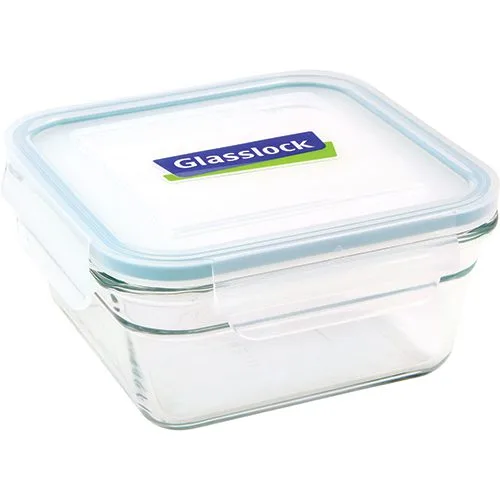
- OCST-090 Glasslock Oven Safe Square 3.3 cups: OCST-090 Glasslock Oven Safe Square 3.3 cups measures 5-3/4'' sq. x 2-3/4'' h. A mid-size square container that fits standard leftovers and is oven safe for reheating meals.
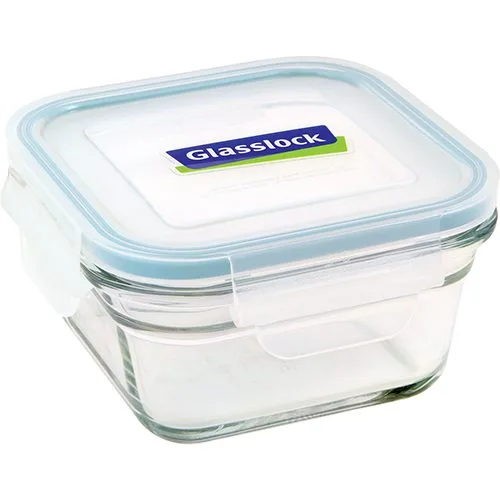
- OCST-040 Glasslock Oven Safe Square 1.5 cups: OCST-040 Glasslock Oven Safe Square 1.5 cups measures 4-1/2'' sq. x 2-1/4'' h. Compact size ideal for single servings, sides, or small batches, and still oven safe.