Quick answer
If your air fryer food is soggy or uneven, the cause is usually overcrowding, excess oil, or a temperature that is too low. Fix it by cooking in a single layer, patting food dry, using only a light oil coating, and raising the temperature to the recipe's recommended setting. If food still steams instead of crisping, your basket may be overloaded or your model may simply run cooler than expected.
Why overcrowding is the most common air fryer mistake
Air fryers work by circulating hot air around the food. When you pile food on top of itself, the air cannot reach the surfaces that need to crisp. The food releases moisture, which gets trapped in the crowded basket and turns into steam. The result is pale, soft food that never browns.
The fix is to cook in a single layer with a little space between pieces. If you are cooking for a family, cook in batches and keep finished food warm in a low oven. Yes, it takes longer, but the texture is worth it. For small items like fries or nuggets, shake the basket halfway through to expose new surfaces to the hot air.
Too much oil and wet coatings cause sogginess
Oil helps browning, but more oil does not mean more crisp. Excess oil pools in the basket, and the food essentially fries in a shallow puddle, which can make coatings slide off or turn greasy rather than crisp. A light spray or toss with a teaspoon or two is enough for most foods.
Wet batters and thick marinades are another problem. Air fryers cannot fry wet batter the way a deep fryer does. If you are coating with flour or breadcrumbs, press the coating on and let it sit for a few minutes so it adheres. Pat meat and vegetables dry with a paper towel before seasoning. Moisture on the surface must evaporate before browning can begin.
Temperature and timing mistakes that leave food undercooked or burnt
Air fryer recipes often assume a preheated basket. If you skip preheating, the first few minutes are spent bringing the appliance up to temperature, so food cooks unevenly and may dry out before it browns. Preheat for 3 to 5 minutes at the recipe temperature unless your model's manual says otherwise.
Another mistake is using a temperature that is too low for the food's thickness. Thin foods like chips or green beans need high heat (around 375°F to 400°F) for a short time. Thicker items like chicken thighs or pork chops need a moderate temperature so the inside cooks before the outside burns. When in doubt, start with the recipe's recommended setting and adjust by 10°F increments based on results.
Not cleaning between uses affects performance
A dirty basket or crisper plate with baked-on residue restricts airflow and can cause smoke. It also transfers old flavors to new food. Most air fryer baskets and plates are nonstick and should be washed by hand with warm soapy water after each use. Avoid abrasive scrubbers that scratch the coating.
If your air fryer has a heating element exposed at the top, wipe it gently with a damp cloth once it is completely cool. Check the manufacturer's manual for specific cleaning instructions. A clean air fryer runs more efficiently and produces more consistent results.
Troubleshooting guide: symptom, cause, fix, and when to stop
- Food is pale and soft, not crispy: Likely cause: overcrowding or too much oil. The hot air cannot circulate, and moisture is trapped. Fix: cook in a single layer, pat food dry, and use only a light oil spray. Shake the basket halfway. If food is still soft after two attempts with proper spacing, your air fryer may run cooler than the dial indicates. Use an oven thermometer to check, or increase temperature by 25°F.
- Food browns on the outside but is raw inside: Likely cause: temperature too high for the thickness of the food, or pieces are cut unevenly. Fix: lower the temperature by 25°F and increase cooking time. Cut food into uniform pieces. For thick cuts like chicken breasts, consider finishing in a preheated oven or using a meat thermometer to ensure safe internal temperature.
- Smoke coming from the air fryer: Likely cause: grease or food residue burning on the heating element or in the basket. Fix: unplug and let cool, then clean the basket and element area according to the manual. Use less oil next time. If smoke persists after cleaning, stop using the appliance and contact the manufacturer. Do not continue cooking.
Accessories that help you avoid common mistakes
- Bamboo Cutting Board for the Compact Smart Oven®: Bamboo cutting boards are ideal as they absorb very little moisture and have natural antibacterial properties. They are also harder than most cutting boards and are less prone to knife markings over time. For use with the Compact Smart Oven® BOV650 and the Smart OvenTM Compact Convection BOV670. Dimensions: 41 cm X 22.5 cm X 1.9 cm (16.25 in. X 8.75 in X 3/4 in.). A stable, low-moisture cutting board makes it easier to prep food evenly, which helps prevent overcrowding and ensures uniform pieces that cook at the same rate.
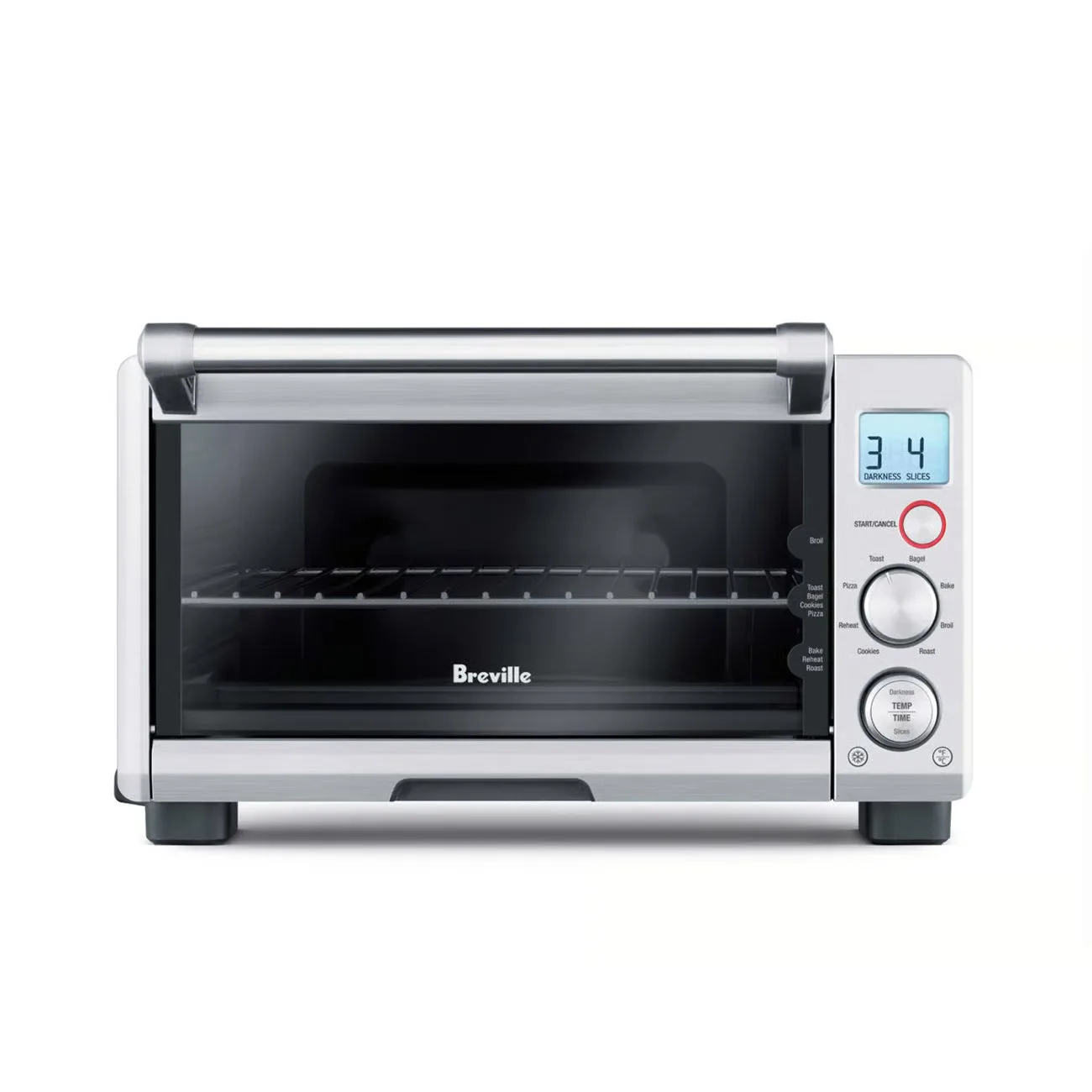
the Compact Smart Oven®
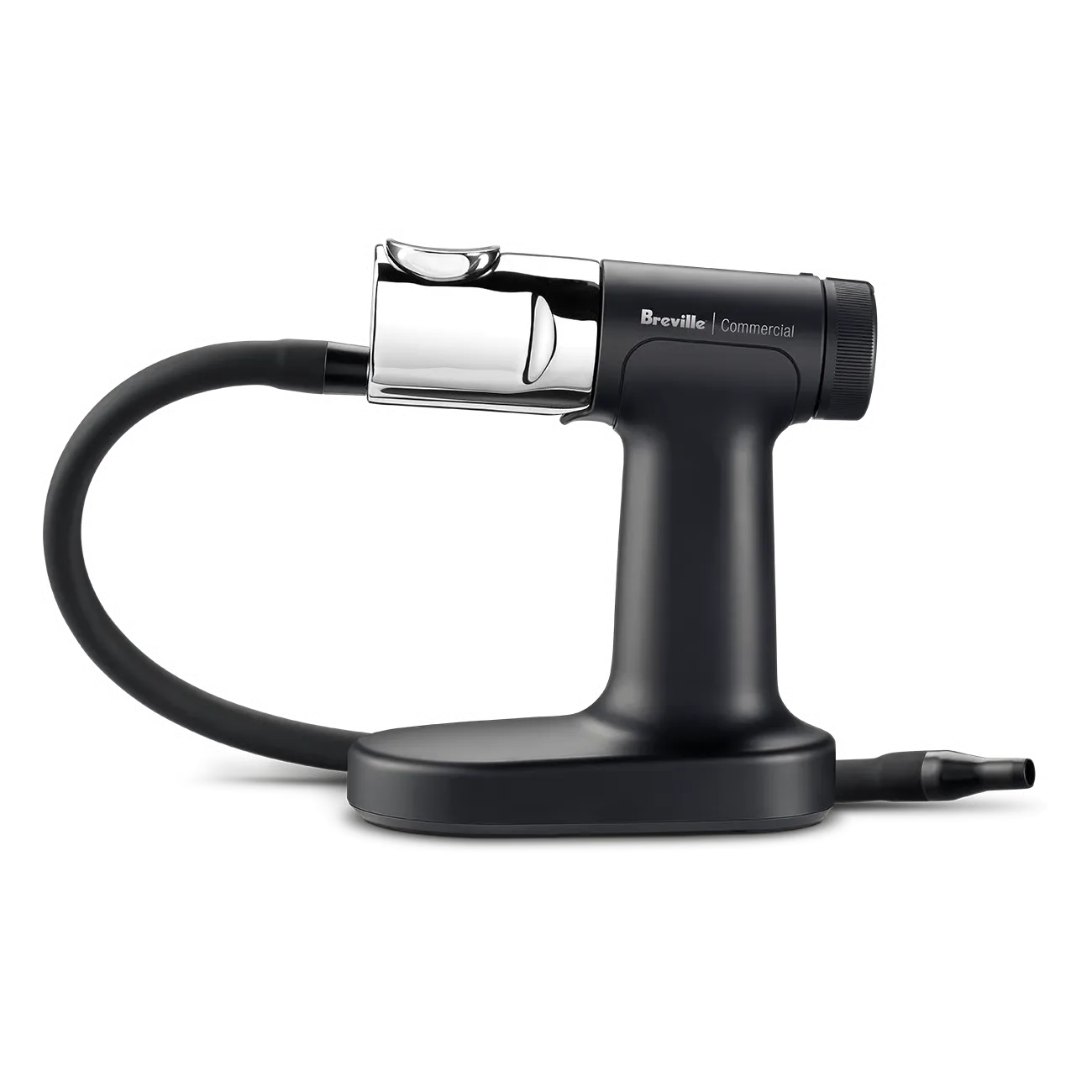
- the Smoking Gun® & Cloche: Get ready to enjoy smokehouse flavors that will make you salivate. This versatile kitchen tool and its cloche allow you to infuse a variety of foods and drinks with natural smokey flavors like applewood and hickory with gentle cold smoke. A distinctive gift for creative cooks and hosts to elevate home entertaining. If you want smoky flavor without turning on a full smoker, this tool adds cold smoke to foods after air frying, giving you another way to build flavor without adding moisture that would make food soggy.