Quick answer
At 10°C, start with a short-sleeve mesh base layer under a breathable jersey, add a windproof gilet for exposed descents or long stops, and carry long-finger gloves and a cap. Drop to a long-sleeve base layer when the ride starts below 8°C or you run cold. The layers matter more than the individual pieces: a wicking base layer, an everyday jersey, and a packable outer layer cover most autumn and winter rides.
Start with the layer that touches your skin
Your base layer decides whether the rest of the kit works. Mesh and open-knit fabrics move sweat away from the skin and out through the jersey; cotton holds it and turns cold the moment you slow down. For 10°C rides, a short-sleeve mesh base layer under a jersey is usually enough. Below 8°C, or if you feel the cold on your arms, switch to a long-sleeve mesh base layer for coverage without bulk.
- 10°C and dry: short-sleeve mesh base layer plus jersey.
- 8°C or below, or cold arms: long-sleeve mesh base layer.
- Stop-start rides or café legs: choose the warmer base layer, not a heavier jersey.
Pick the jersey for the ride, not the temperature alone
A race-cut jersey sits close and works best with a base layer underneath; a club or training jersey is less compressive and easier to layer over a long-sleeve base layer. If you only own one jersey for autumn, choose a breathable everyday cut so it fits over a base layer without restricting your shoulders. A jersey that is already tight over a short-sleeve base layer will not accept a long-sleeve one cleanly.
- Club and training rides: less compressive jersey over a base layer.
- Fast or race-pace rides: close-cut jersey, short-sleeve base layer.
- If the jersey feels tight over a short-sleeve base layer, size up or keep the long-sleeve base layer for milder days.
Add wind protection you can remove
A gilet is the most useful autumn and winter extra because it blocks wind on your chest while letting heat escape through your back. Wear it from the start on exposed or coastal routes; on sheltered climbs, start without it and put it on for the descent. A gilet over a jersey and base layer covers the 6–12°C range for most riders, which is why it belongs in the checklist before a heavier jacket.
- Exposed or windy routes: gilet on from the start.
- Sheltered climbs and stop-start rides: pack the gilet, add it for descents.
- Below 5°C or wet: a gilet alone will not be enough; add a jacket.
Gloves, caps and the small kit that decides comfort
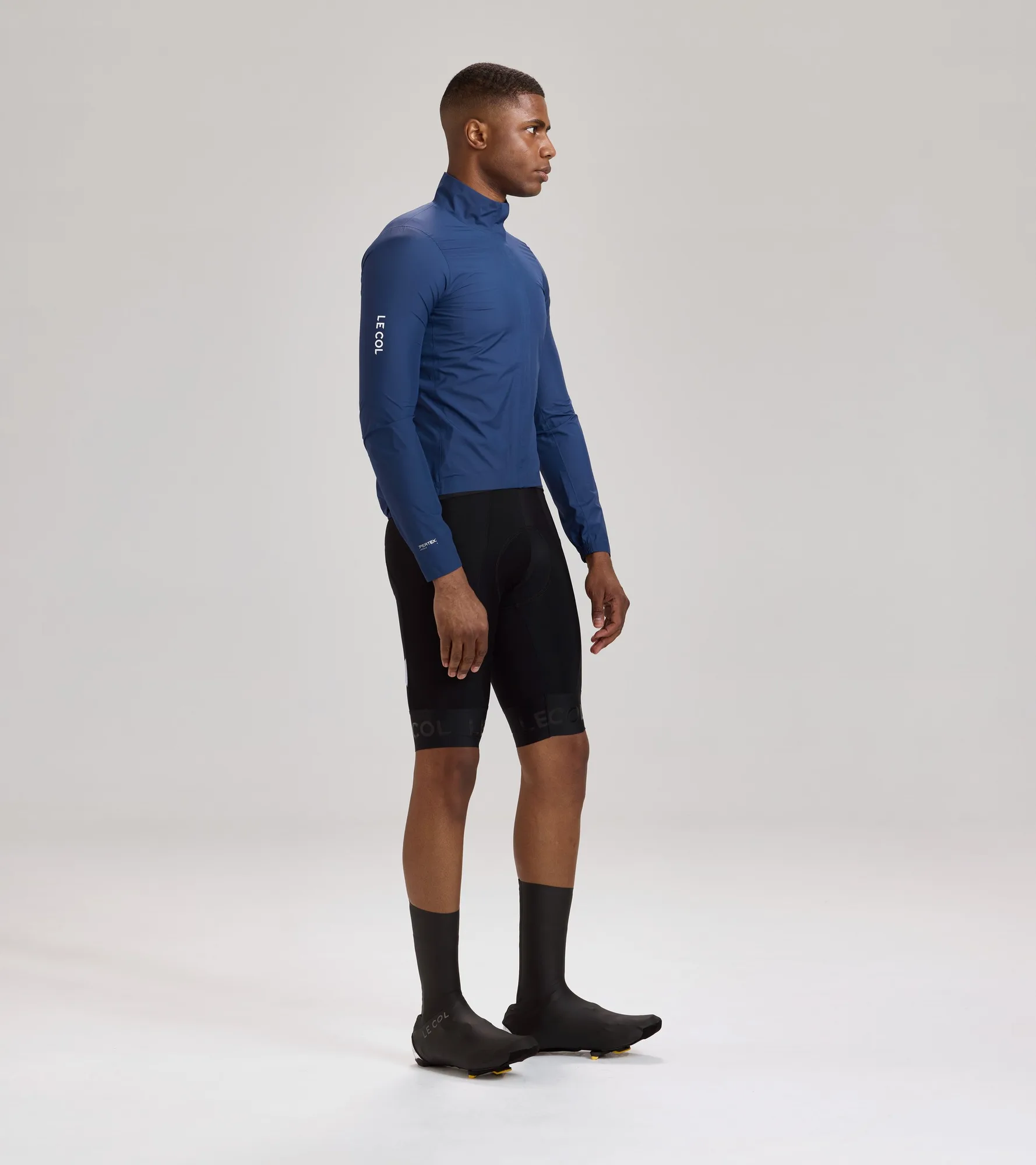
Cold hands and ears end more autumn rides than cold legs. Long-finger gloves and a cycling cap or skull cap are the two items to carry even when the forecast looks mild, because wind chill on descents and exposed roads makes 10°C feel closer to 5°C. Add overshoes or winter socks only once your feet are the limiting factor; if your hands and ears are covered, most riders can keep going in shorts down to around 10°C.
overshoes
- Carry long-finger gloves on every ride below 12°C.
- Cap or skull cap for exposed routes and early starts.
- Overshoes or winter socks when feet, not hands, get cold first.
Decision rules for autumn and winter layering
- Above 12°C: Short-sleeve jersey alone or with a short-sleeve mesh base layer. Carry long-finger gloves for early starts and descents. No gilet needed unless the route is exposed.
- 10°C: Short-sleeve mesh base layer, breathable jersey, gilet packed or worn. Long-finger gloves and a cap in your pocket. This is the core autumn cycling kit checklist setup.
- 6–9°C: Long-sleeve mesh base layer under a less compressive jersey, gilet on from the start. Long-finger gloves and cap worn, not carried. Move to the long-sleeve base layer before adding a heavier jersey.
- Below 5°C or wet: Long-sleeve base layer, jersey, gilet plus a jacket or a dedicated winter layer. Winter gloves, overshoes and a skull cap. A gilet alone stops working here; add real wind and rain protection.
- Stop-start or café rides: Choose the warmer base layer and a jersey you can open, rather than a heavier single layer. You will cool down at the stop. Layers you can remove beat one thick garment.
Kit that fits this checklist
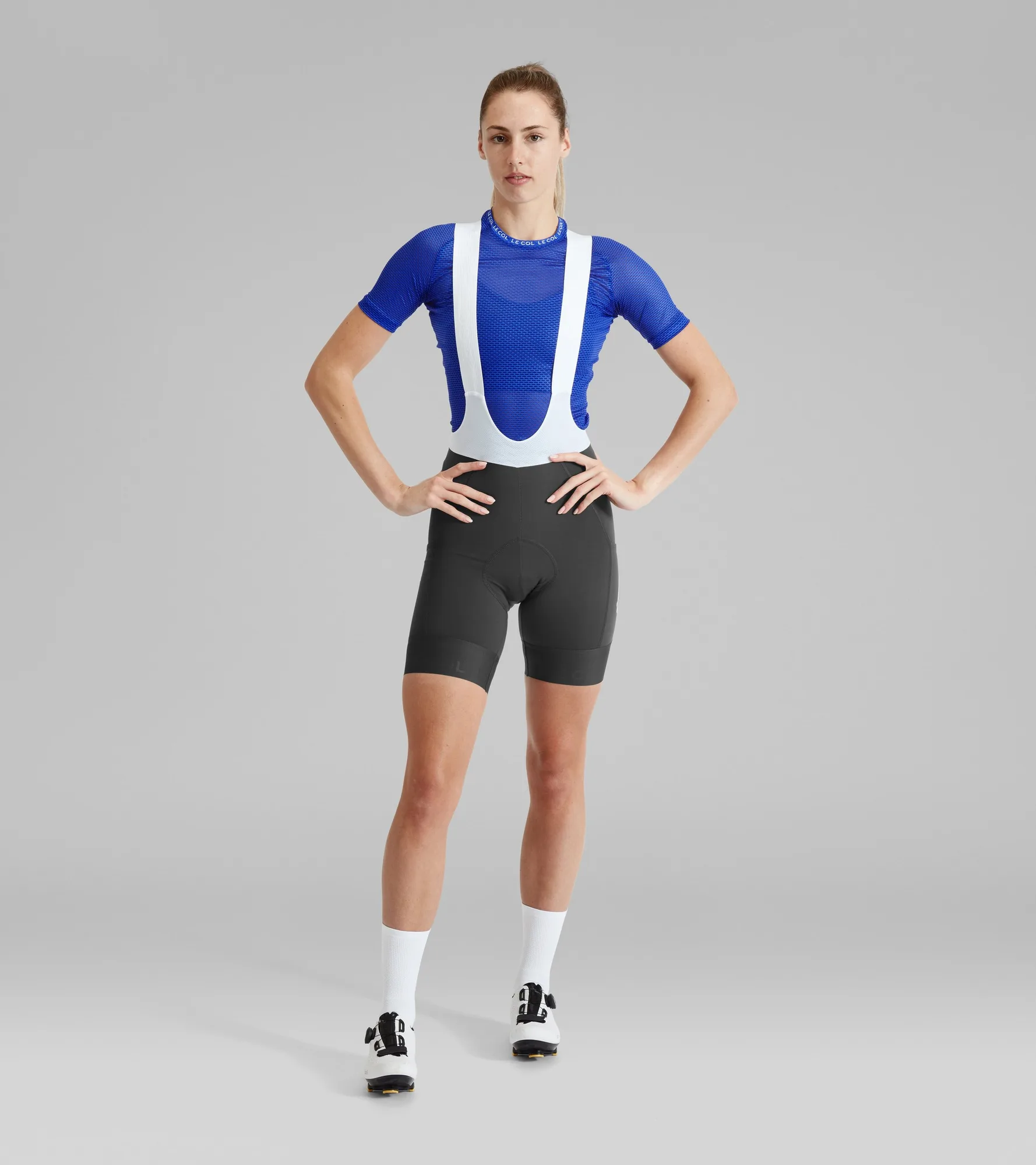
- Womens Pro Air Short Sleeve Base Layer: The Womens Pro Air Short Sleeve Base Layer uses an advanced performance open mesh construction that draws moisture away from the skin and pushes it out through the jersey, and is cut to sit close to the skin under a lightweight jersey. It is the right first layer for 10°C rides where you want wicking without bulk, and the close cut keeps it smooth under an everyday jersey.
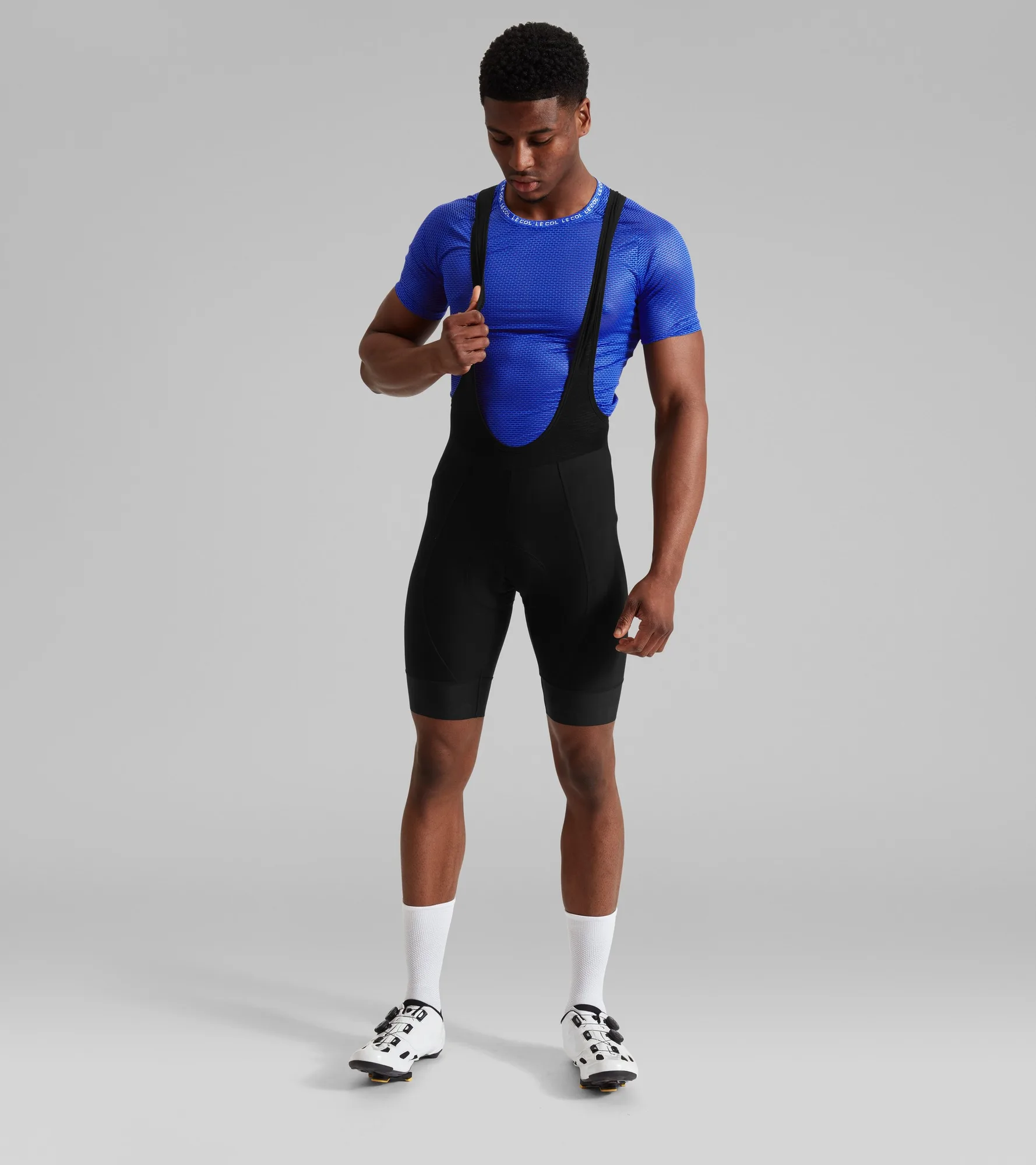
- Unisex Pro Mesh Long Sleeve Base Layer: The Unisex Pro Mesh Long Sleeve Base Layer is woven in one complete piece to avoid seaming, provides extra coverage over the arms, and is designed for breathable use on intense inter-season rides. Choose it when the ride starts below 8°C or your arms feel the cold; the seamless build reduces irritation under a jersey or jacket.
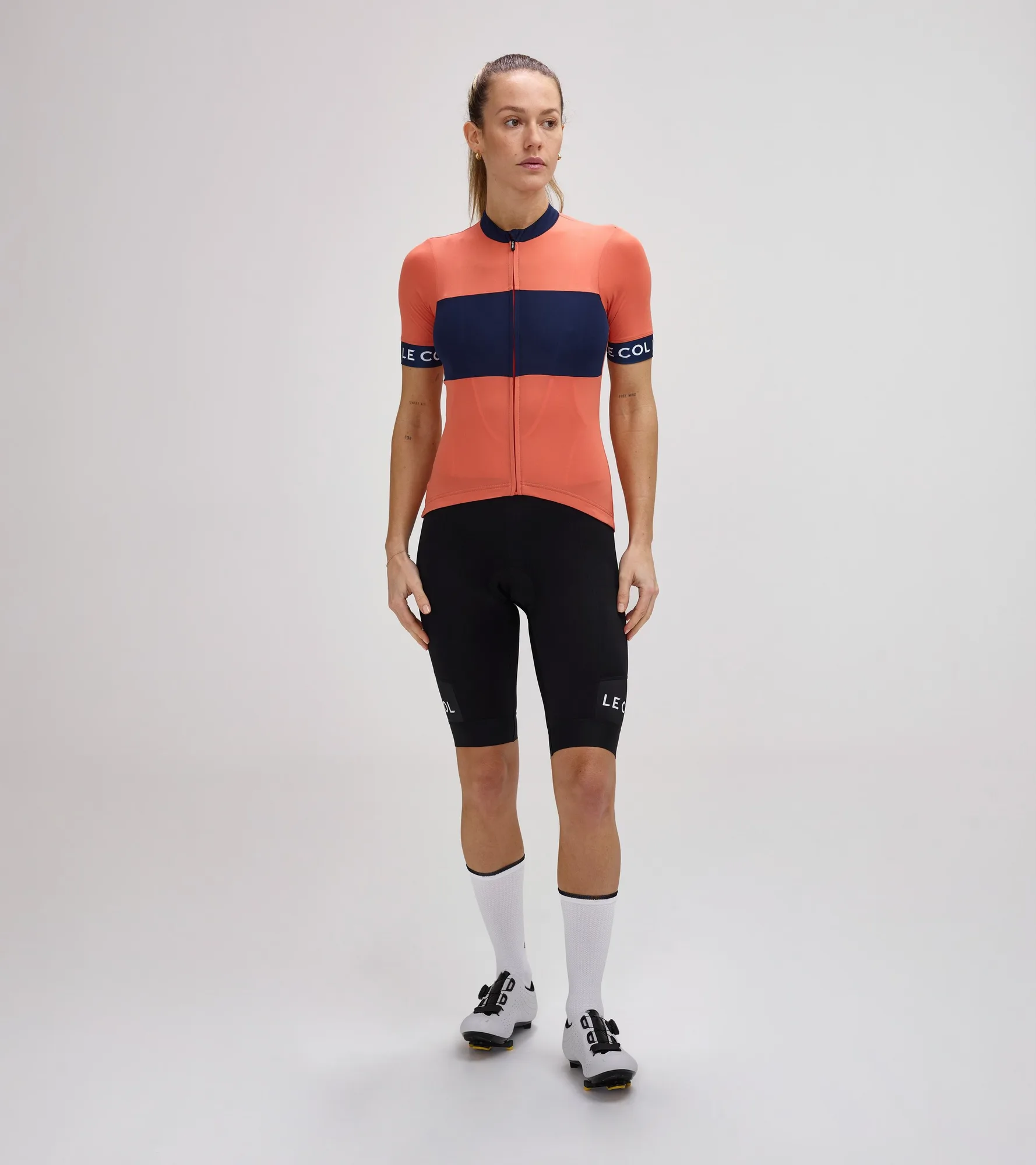
- Womens Sport Jersey: The Womens Sport Jersey is an everyday performance jersey made from lightweight, breathable stretch knit polyester, positioned for club rides and café stops. It layers cleanly over a base layer for autumn training without the compression of a race jersey.
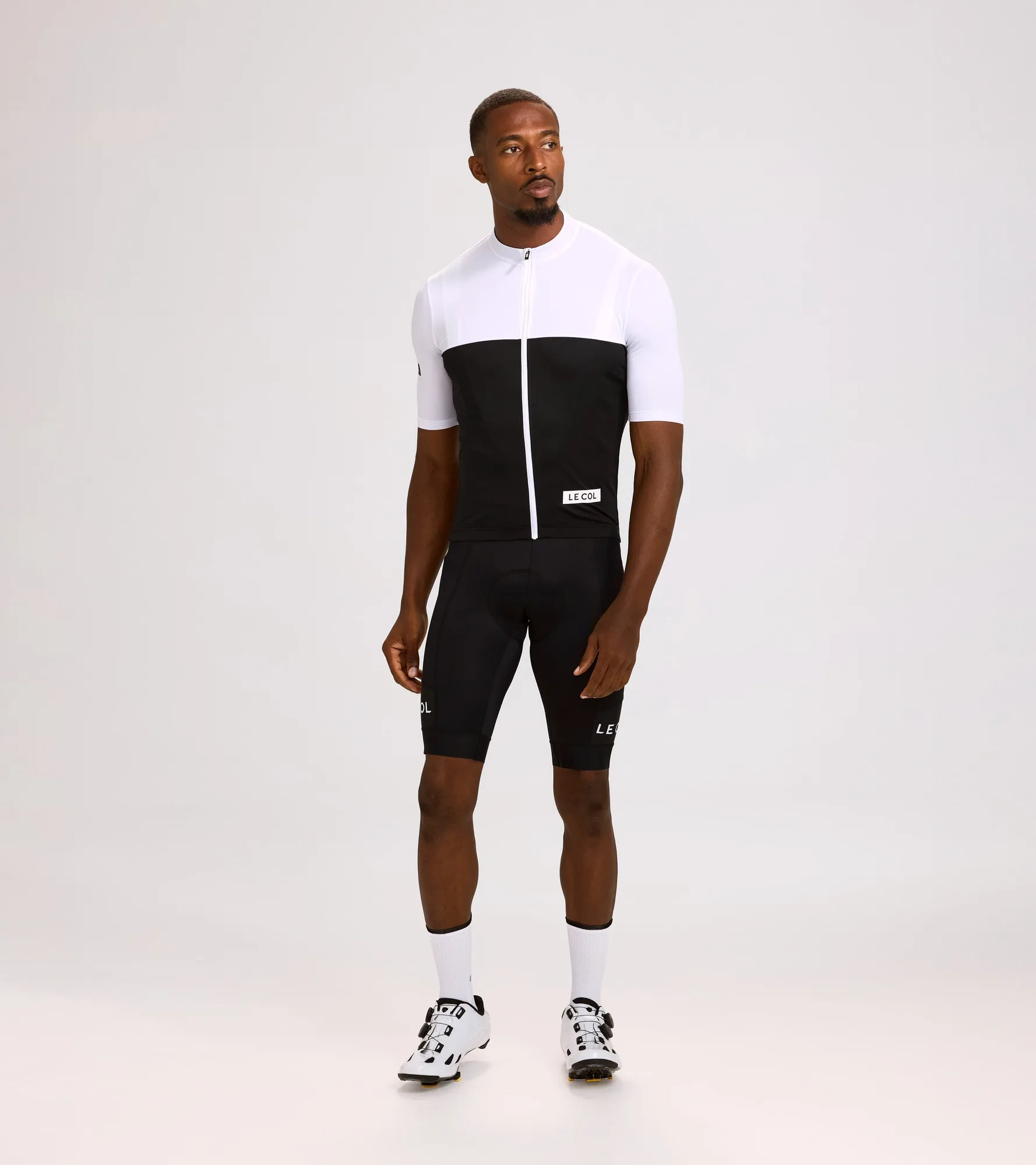
- Sport Jersey: The Sport Jersey uses a mechanical stretch knit polyester that is less compressive than a race jersey, is lightweight and highly breathable, and is suited to club rides and everyday training. The less compressive fit leaves room for a long-sleeve base layer underneath on colder days.
Fit guidance for layering
Best for
- Riders who want a base layer that sits close to the skin under a lightweight jersey
- Club and everyday training rides where a less compressive jersey leaves room for a long-sleeve base layer
- Autumn and winter rides where you need to add or remove a gilet and gloves as conditions change
Not for
- Riders who prefer a single heavy winter jacket and no layering
- Rides below 5°C or in persistent rain, where a gilet and mesh base layer alone are not enough
- Anyone looking for a race-fit jersey to wear without a base layer