If you've recently upgraded your kitchen with a convection oven, you might be wondering how to get the best results when baking pizza. Convection ovens circulate hot air, which can lead to faster, more even cooking—but they also present unique challenges for achieving that crispy, blistered crust you love. Enter the Baking Steel: a thick slab of steel that retains and radiates intense heat, mimicking the floor of a wood-fired oven. In this guide, we'll show you how to use a Baking Steel in a convection oven to make restaurant-quality pizza at home.

Baking Steel
Whether you're a seasoned pizza maker or just starting out, understanding how to adapt your technique for convection is key. From adjusting temperatures to positioning the steel correctly, we'll cover all the tips and tricks you need. Plus, we'll highlight some must-have accessories to make the process even easier.
Understanding Convection Ovens and Baking Steel
Convection ovens use a fan to circulate hot air, which can cook food faster and more evenly than traditional ovens. This is great for roasting and baking, but when it comes to pizza, the constant airflow can dry out the dough or cause uneven browning if not managed properly. A Baking Steel helps counteract this by providing a massive thermal mass that stays hot and radiates heat directly to the pizza base, giving you that coveted crispy bottom.
When using a Baking Steel in a convection oven, the key is to preheat properly. The steel needs at least 45 minutes to an hour to reach its full temperature. In a convection oven, the fan can help distribute heat more evenly, but it can also cause the steel to heat faster on one side. To ensure even heating, place the steel on the middle rack and let it preheat with the oven. If your oven has a convection setting, you can use it, but be prepared to adjust cooking times.
- Preheat the Baking Steel for at least 45 minutes to ensure it's fully heated.
- Place the steel on the middle rack for optimal heat distribution.
- If using convection, consider reducing the oven temperature by 25°F to avoid over-browning.
Optimal Temperature and Placement for Convection Pizza
The ideal temperature for pizza in a convection oven is typically between 475°F and 500°F (246°C to 260°C). However, because convection ovens cook faster, you might need to start at the lower end of that range. Place your Baking Steel on the middle or lower-middle rack to get the best results. This allows the steel to absorb heat from the bottom while the convection fan circulates hot air around the top.
If you're using a convection oven with a 'convection bake' setting, you can use it, but keep an eye on your pizza. The fan can cause the top to brown faster, so you may need to rotate the pizza halfway through baking. Another tip is to place a pizza stone or steel on the bottom rack if you have a second one, but for most home bakers, a single steel is sufficient. The Baking Steel Griddle — 14"x18" Reversible Pizza Steel & Stovetop Griddle is a versatile option that can be used both in the oven and on the stovetop, giving you more flexibility.
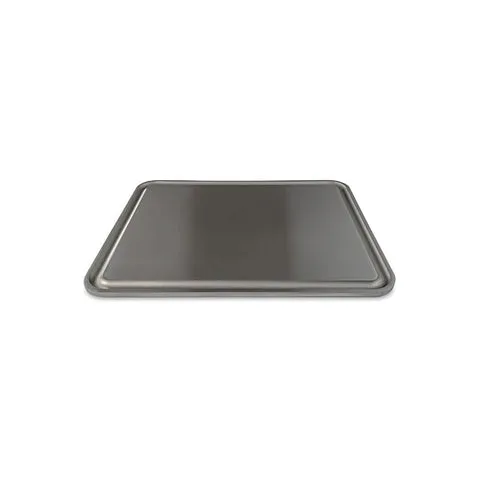
The Baking Steel Griddle
- Start with an oven temperature of 475°F and adjust based on your results.
- Use the middle rack for the steel to ensure even heating.
- Rotate the pizza halfway through baking to promote even browning.
Dough Preparation Tips for Convection Ovens
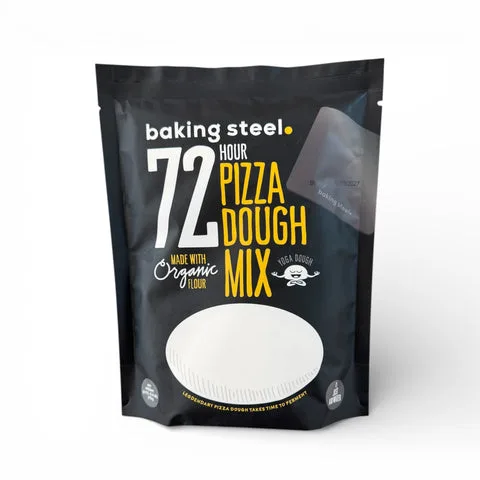
The type of dough you use can make a big difference in a convection oven. Since convection ovens tend to dry out the surface, you'll want a dough that can handle higher heat without becoming too crispy on the outside before the inside is cooked. A hydration level of around 65-70% works well. If you're short on time, the 72 Hour Pizza Dough Mix is a great option—it's designed to produce a flavorful, airy crust with minimal effort.
When shaping your dough, keep it a bit thicker than you would for a traditional oven. This will help it hold up to the intense heat and prevent it from burning. Also, consider using a dough cutter to get clean, even slices. The Baking Steel Dough Cutter – 304 SS, Tapered Blade, Oak Handle is perfect for this task, ensuring your pizza is cut perfectly without dragging the toppings.
- Use a dough with 65-70% hydration for best results in convection.
- Shape the dough slightly thicker to withstand the higher heat.
- Use a sharp dough cutter to avoid tearing the crust.
Accessories to Enhance Your Convection Pizza Experience
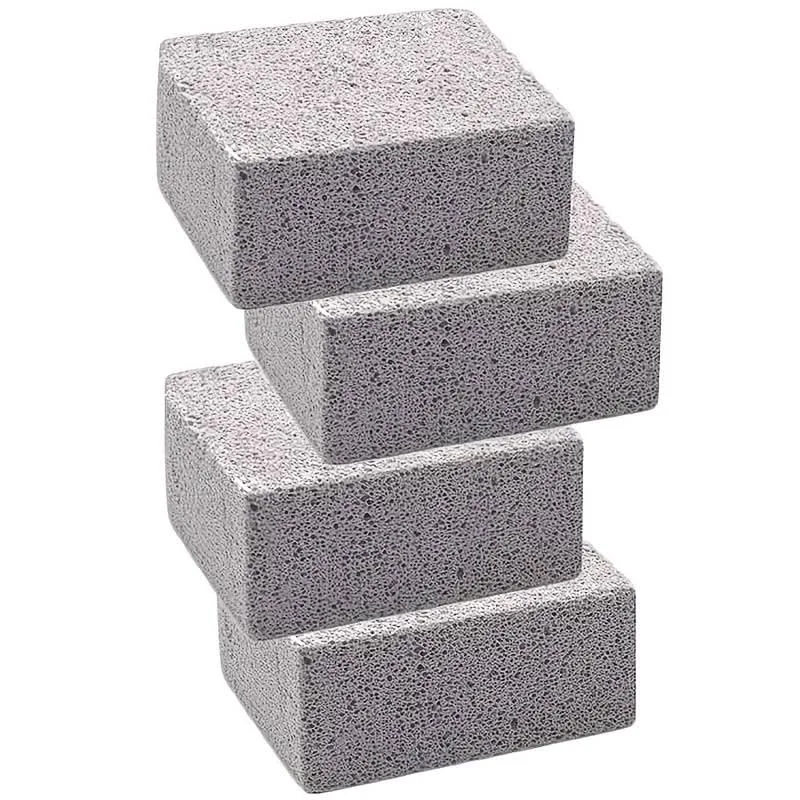
While a Baking Steel is the star of the show, a few accessories can take your pizza game to the next level. A pizza rocker, like the Baking Steel Pizza Rocker 12" Blade with Walnut Handles, makes slicing a breeze and adds a professional touch. For cleaning, the Baking Steel Cleaning Bricks are essential for removing any burnt residue without damaging the steel's surface.
Another handy tool is The Carry All, a convenient carrier that allows you to transport your hot steel safely. This is especially useful if you're moving the steel from the oven to the stovetop or outdoors. With these accessories, you'll be fully equipped to master pizza in your convection oven.
- Use a pizza rocker for clean, professional slices.
- Clean your steel with Baking Steel Cleaning Bricks to maintain its performance.
- The Carry All makes it easy to move your hot steel safely.
With these tips and the right equipment, you can achieve incredible pizza in your convection oven. The Baking Steel provides the intense heat needed for a crispy crust, while proper temperature and placement ensure even cooking. Don't forget to use quality dough and accessories to elevate your results. Ready to take your home pizza to the next level? Explore the Baking Steel Griddle — 14"x18" Reversible Pizza Steel & Stovetop Griddle for a versatile option that works perfectly in convection ovens.