Quick answer
Preheat your baking steel at 500°F (260°C) for at least 45 minutes, and give it a full hour if you want the deepest, fastest crust char. For size, match the steel to your oven's usable depth and your typical batch—most home ovens handle a 14x16-inch steel well. Prevent rust by drying the steel thoroughly after every wash and rubbing on a thin coat of oil while it's still warm.

baking steel
How long should you preheat a baking steel?
Preheat at your oven's maximum temperature—usually 500°F to 550°F—for a minimum of 45 minutes. That's how long a 1/4-inch or 3/8-inch steel needs to fully saturate with heat. If you're baking multiple pizzas back-to-back, extend the preheat to a full hour so the steel recovers faster between pies. A laser thermometer aimed at the surface should read within 25°F of your oven setting before you launch the first pizza.
What size baking steel fits a standard home oven?
Measure your oven's interior width and depth, then subtract at least an inch on each side for airflow. A 14x16-inch steel is the most versatile size for standard 30-inch ovens; it fits most racks and still gives you room to maneuver a peel. If you bake mostly 12-inch pizzas, a 14x14-inch steel is lighter and easier to handle. For very small ovens or countertop models, a 12x12-inch steel may be the practical maximum. Remember that thicker steels (3/8-inch and up) weigh more—check that your oven rack and your wrists can handle the weight before buying.
How do you prevent rust on a baking steel?
Rust prevention comes down to two habits: dry thoroughly and oil lightly. After washing, towel-dry the steel and then place it on a warm burner or in a warm oven for a few minutes to evaporate every trace of moisture. While it's still warm, rub on a very thin layer of high-smoke-point oil (like flaxseed or grapeseed) with a paper towel. The oil fills the pores and blocks moisture. If you live in a humid climate, store the steel with a paper towel lightly oiled and draped over the surface, or keep it in a low-humidity cabinet. Never soak it in the sink or leave it wet on a drying rack.
Can you clean a baking steel with soap and water?
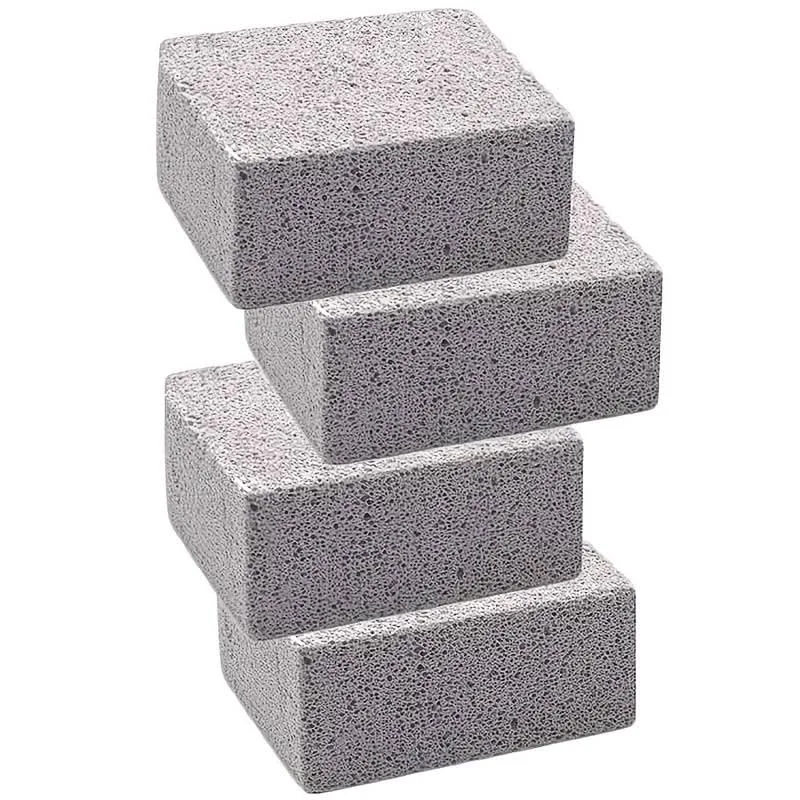
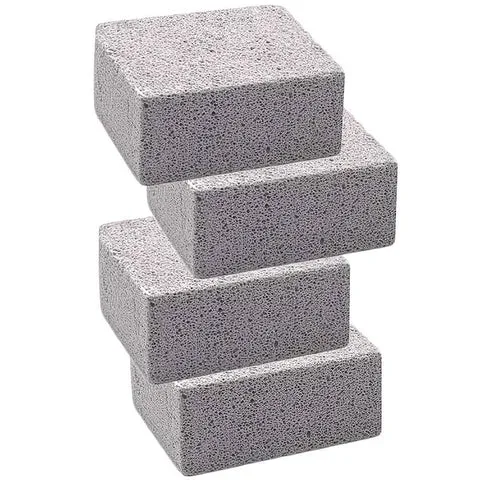
Yes, mild dish soap and warm water are fine for routine cleaning, but avoid harsh detergents or abrasive scrubbing pads that strip the seasoning. For stuck-on cheese or burnt oil, a pumice stone cleaning brick is the safer choice—it cuts through grime without scratching the steel. After any deep clean, re-season the steel by heating it and applying a thin oil coat. Skip the dishwasher entirely; the high heat and detergent will destroy the seasoning and invite rust.
Baking steel vs. pizza stone: which is better?
A baking steel conducts heat far faster than a ceramic stone, so it produces a crisper, more blistered crust in less time. Steel also won't crack from thermal shock the way a stone can. The trade-off is weight and cost: a steel is heavier and typically more expensive. If you mainly bake Neapolitan-style pizza and want the best possible char, steel wins. If you bake a lot of bread and want a lighter, less expensive option, a stone is still a solid choice. Many home bakers eventually own both—steel for pizza, stone for rustic loaves.
How do you keep a baking steel seasoned?
Seasoning builds up over time with regular use and thin oil layers. After each bake, once the steel has cooled enough to handle but is still warm, wipe off any crumbs and apply a dime-sized drop of oil, spreading it evenly. Heat the steel again until the oil just begins to smoke, then let it cool. This polymerizes the oil into a slick, protective layer. Avoid cutting directly on the steel—use a dough cutter or a pizza rocker—to prevent scratching through the seasoning.
Baking steel quick-reference FAQ
How long to preheat?
45 minutes minimum at 500°F–550°F; 60 minutes for back-to-back pizzas. Use an infrared thermometer to confirm the surface is within 25°F of your set temperature.
What size to buy?
Measure your oven interior and subtract 1 inch per side. 14x16 inches suits most full-size ovens; 14x14 for smaller batches; 12x12 for compact ovens. Thicker steel holds more heat but weighs more—check your rack and comfort level.
How to prevent rust?
Dry immediately after washing, then warm the steel and apply a thin oil coat. Store in a dry place. Never air-dry or soak your steel; rust starts within hours in humid conditions.
How to clean without damage?
Use mild soap and water for light cleaning; for tough spots, reach for a pumice stone cleaning brick. Re-oil after any deep clean. Avoid metal scouring pads and the dishwasher—they strip seasoning.
Steel vs. stone?
Steel heats faster and won't crack; it's heavier and pricier. Stone is lighter and cheaper but slower to heat and prone to thermal shock. Choose steel for pizza char; choose stone for bread if weight and cost matter.
Tools that make steel care easier
- Baking Steel Cleaning Bricks Made of Pumice Stone: https://bakingsteeleun.com/products/baking-steel-cleaning-bricks-314758Baking Steel Cleaning Bricks Made of Pumice Stone are designed to remove rust, burnt-on cheese, and old oil buildup without scratching the seasoned surface. They're made from compressed recycled glass. These bricks let you deep-clean stubborn messes without damaging the seasoning, so you can restore your steel's surface instead of replacing it.
- Baking Steel Artisan Dough Cutter: Baking Steel Artisan Dough Cutter is built from 304 stainless steel with a tapered electroplated blade and a white oak handle, sized 5 7/8" wide by 4 1/2" long. A dedicated dough cutter lets you portion dough and transfer pizzas without cutting into the steel, protecting the seasoning from knife scratches.