If you're lucky enough to own a wood-fired oven, you know the magic it brings to pizza—blistering crusts, smoky flavor, and that irresistible char. But achieving the perfect bake requires a surface that can handle the extreme temperatures, often exceeding 800°F (427°C). Traditional baking stones might crack under such stress, so many home cooks wonder: can a Baking Steel handle the heat?

Baking Steel
In this guide, we'll explore the compatibility of Baking Steel with wood-fired ovens, its advantages over stones, and essential tips for using it safely. Whether you're a seasoned pizzaiolo or a curious beginner, you'll learn why steel might just be the ultimate upgrade for your outdoor oven.
What Makes Baking Steel Different?
Baking Steel is not your average pizza stone. Made from high-quality steel, it offers superior heat conductivity and retention compared to ceramic or cordierite stones. This means it can transfer intense, even heat to your pizza dough, resulting in a crispier crust and better oven spring.
But its real advantage lies in its durability. While stones can crack or shatter under thermal shock, steel is much more resilient. It can withstand rapid temperature changes, making it ideal for the volatile environment of a wood-fired oven.
Can Baking Steel Handle the Heat?
The short answer is yes. Baking Steel is designed to withstand temperatures well beyond what a home oven can produce. The original Baking Steel® Original — 1/4" Thick Pizza Steel is rated for use in ovens up to 800°F (427°C), which covers most wood-fired oven conditions. However, it's crucial to check your specific model and the manufacturer's guidelines, as some ovens can exceed this limit.
For those with kamado-style grills like the Big Green Egg, the Baking Steel Kamado – 16" Round Steel is specifically designed to fit perfectly and handle the high heat of charcoal cooking. This round steel is a favorite among kamado enthusiasts for its ability to produce restaurant-quality pizza at home.
- Always preheat the steel gradually to avoid warping.
- Monitor oven temperature with an infrared thermometer to stay within safe limits.
- Avoid placing a cold steel directly into a blazing hot oven.
Steel vs. Stone: The Wood-Fired Oven Showdown
When it comes to wood-fired ovens, the debate between steel and stone is heated. Stones have been used for centuries, but they have drawbacks: they take longer to heat, can crack under thermal stress, and often produce a less crispy crust. Steel, on the other hand, heats up faster and transfers heat more efficiently, giving you that perfect leopard-spotted crust in minutes.
Steel also excels at retaining heat, which is essential in a wood-fired oven where the temperature can fluctuate. With a steel surface, you can maintain consistent heat even after sliding in a cold pizza, ensuring an even bake every time.
How to Use a Baking Steel in a Wood-Fired Oven
Using a Baking Steel in a wood-fired oven is straightforward, but there are a few key steps to ensure success. First, place the steel on the oven floor or a rack, allowing it to preheat for at least 30 minutes. This ensures the steel reaches the desired temperature and is ready to bake.
When your pizza is ready, slide it onto the steel using a peel. The intense heat will quickly crisp the bottom, while the ambient oven heat cooks the top. For best results, use a dough recipe designed for high heat, like the 72 Hour Pizza Dough Mix, which is formulated to handle the intense conditions of a wood-fired oven.
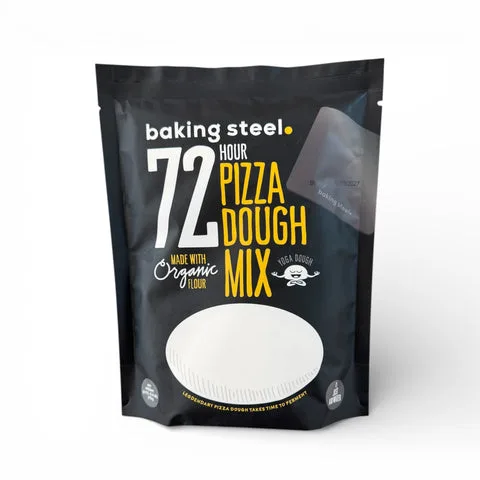
72 Hour Pizza Dough Mix
- Use a pizza peel to safely transfer the pizza.
- Rotate the pizza halfway through baking for even browning.
- Allow the steel to cool slowly after use to prevent warping.
Safety Tips for High-Heat Baking
While Baking Steel is built to handle high heat, safety should always come first. Always use heavy-duty oven mitts or gloves when handling the steel, as it can cause severe burns. Never place the steel directly on a hot grill grate without proper support, and ensure it is stable before adding food.
If you're using a wood-fired oven, make sure the steel fits properly and doesn't block airflow. The Baking Steel for Outdoor Ovens is specifically designed for this purpose, offering a durable surface that can withstand the rigors of outdoor cooking.
Cleaning and Maintenance
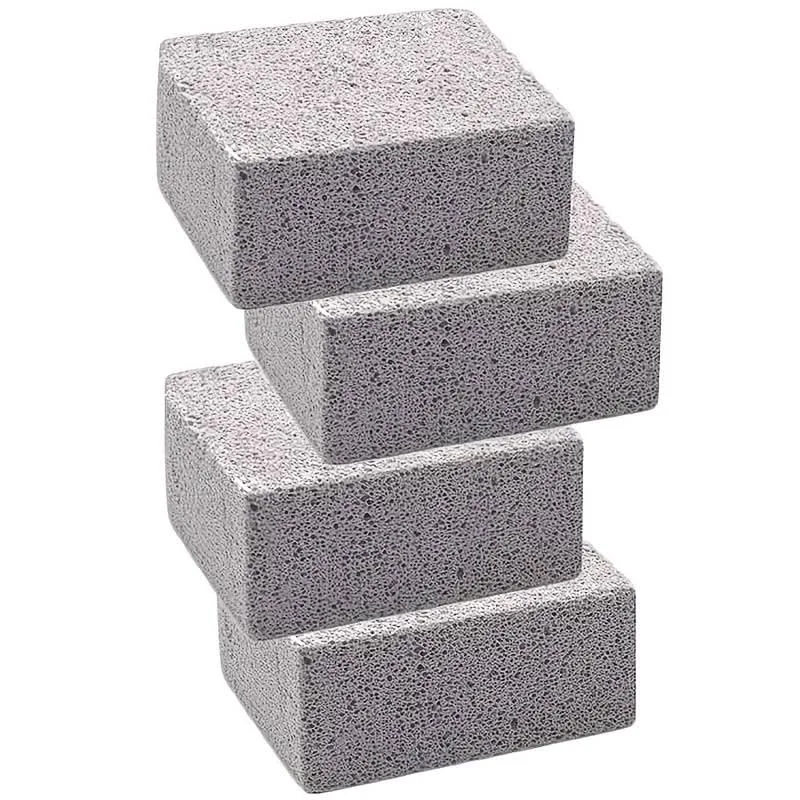
After a high-heat session, your Baking Steel will likely have some residue. Clean it while it's still warm, using a scraper or a dedicated cleaning brick like the https://bakingsteeleun.com/products/baking-steel-cleaning-bricks-314758Baking Steel Cleaning Bricks. Avoid using soap, as it can seep into the steel and affect the taste of future pizzas.
To prevent rust, dry the steel thoroughly and apply a light coat of oil after cleaning. Store it in a dry place, and it will last for years, providing countless delicious pizzas.
A Baking Steel is not only capable of handling the heat of a wood-fired oven—it excels at it. Its durability, heat retention, and superior cooking performance make it a worthwhile investment for any serious pizza maker. If you're ready to elevate your wood-fired baking, consider the Baking Steel® Original — 1/4" Thick Pizza Steel for your outdoor oven. It's built to last and designed to deliver the perfect crust every time.