If you love baking bread at home, you know that achieving that perfect crust—crispy, crackling, and deeply golden—can be a challenge. Many home bakers turn to pizza stones or cast iron, but there's a superior tool that's taking the bread baking world by storm: the baking steel. Originally designed for pizza, a baking steel is also a phenomenal bread baking surface, offering unmatched heat retention and conductivity that transforms your loaves.

baking steel
In this guide, we'll explore the benefits of using a baking steel for bread baking, from crust development to even baking, and share practical tips for getting the most out of your steel. Whether you're a sourdough enthusiast or just starting your bread journey, you'll see why a baking steel deserves a spot in your kitchen.
Why a Baking Steel is Perfect for Bread
A baking steel is essentially a thick slab of steel that you heat in your oven. Its high thermal mass and excellent heat conductivity mean it can store a tremendous amount of energy and transfer it instantly to your dough. When you place a loaf directly on a preheated steel, you get a sudden burst of heat that creates oven spring—the rapid rise that gives bread its airy crumb—and a beautifully caramelized crust.
Compared to a pizza stone, a baking steel heats up faster and retains heat more effectively. It also doesn't absorb moisture, which is a common issue with porous stones. This means your bread's crust stays crisp, not soggy, because the steel wicks away moisture from the dough's surface, creating that signature crackle when you tap the loaf.
- High heat retention for consistent baking
- Excellent conductivity for a burst of oven spring
- Non-porous surface ensures a dry, crispy crust
How to Use a Baking Steel for Bread
Using a baking steel for bread is straightforward, but there are a few key steps to ensure success. First, place the steel on a rack in the upper third of your oven and preheat it for at least 45 minutes to an hour at your desired baking temperature—usually 450°F to 500°F for artisan loaves. The steel needs time to fully heat through, so patience is key.
Once your oven is preheated, you can slide your proofed dough directly onto the steel using a peel or a piece of parchment paper. If you're baking a wet dough, a parchment sling makes it easy to transfer. For extra steam, place a pan of hot water on the lower rack or spritz the oven walls with water—this helps develop a glossy crust. Bake until the loaf is deep golden brown and sounds hollow when tapped.
- Preheat the steel for at least 45 minutes for optimal results
- Use parchment paper or a peel for easy transfer
- Create steam in the oven for a professional finish
Bread on Pizza Steel: Versatility at Its Best
One of the best things about a baking steel is its versatility. You can use it for more than just bread—it's perfect for pizza, flatbreads, and even roasting vegetables. The same steel that gives you a blistered pizza crust also gives you a hearty artisan loaf. This makes it a smart investment for home bakers who love variety.
If you're new to baking steel, consider starting with a reliable option like the Original Baking Steel or a kit that includes accessories. For those who want to bake bread and pizza interchangeably, a steel that fits your oven is essential. You can also use a steel on a grill or in a kamado oven for outdoor baking adventures.
- Use the same steel for pizza, bread, and more
- Choose a steel that fits your oven size
- A baking steel kit includes useful accessories for beginners
Tips for Perfect Steel Bread Crust
To achieve that coveted steel bread crust, there are a few pro tips to keep in mind. First, don't skimp on preheating—a properly heated steel is crucial. Second, consider using a dutch oven method: place your dough in a covered pot on the steel for the first part of baking, then remove the lid to brown. This traps steam and mimics a professional bread oven.
Another tip is to use a baking steel with a higher thermal mass, like the Baking Steel Kamado – 16" Round, which is perfect for outdoor ovens and retains heat exceptionally well. And don't forget to let your bread cool completely on a wire rack before slicing—this allows the crumb to set and prevents a gummy texture.
- Use a dutch oven on the steel for steam
- Let bread cool fully before cutting
- Experiment with different flours and hydration levels
Caring for Your Baking Steel
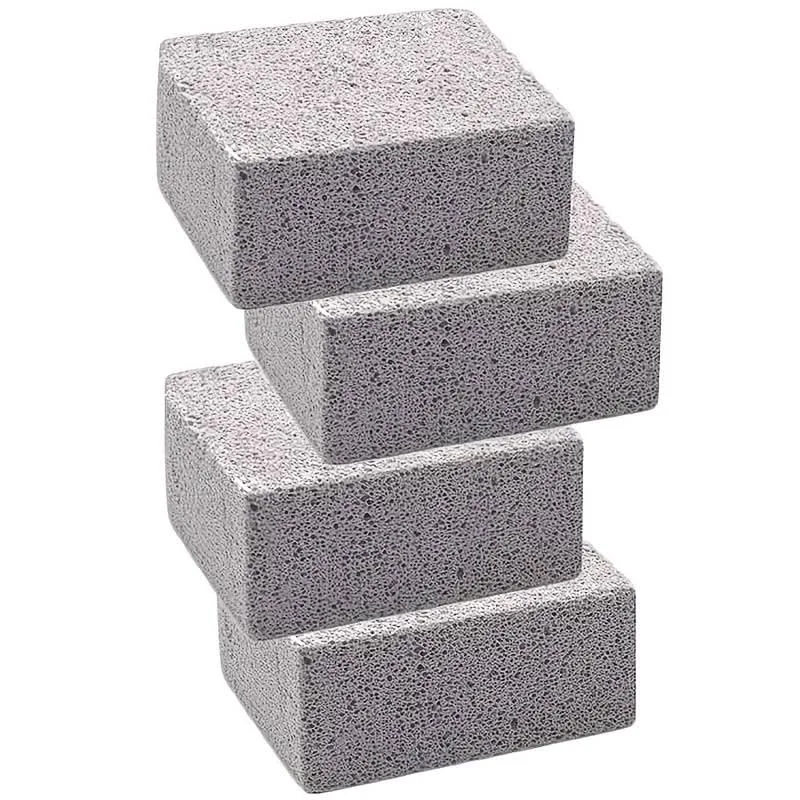
A baking steel is built to last, but a little care goes a long way. After baking bread, allow the steel to cool completely before cleaning. Avoid using soap—instead, scrape off any residue with a metal spatula or a dedicated cleaning brick. For stubborn bits, you can use https://bakingsteeleun.com/products/baking-steel-cleaning-bricks-314758Baking Steel Cleaning Bricks, which are made of pumice stone and safely scrub away burnt-on food without damaging the steel.
To prevent rust, dry the steel thoroughly after cleaning and apply a thin layer of oil if you're storing it for a long time. With proper care, your steel will serve you for years, delivering perfect bread every time.
- Clean with a pumice stone, not soap
- Dry thoroughly to prevent rust
- Store in a dry place
A baking steel is a game-changer for home bread baking. Its superior heat retention and conductivity create the perfect environment for crusty, artisan loaves that rival bakery quality. Whether you're baking sourdough, baguettes, or focaccia, a baking steel will elevate your results. Ready to transform your bread baking? Check out the Original Baking Steel and start enjoying crispy, golden loaves today.