Quick answer
Start gentle pelvic floor breathing and short breast care habits in the first days after birth, then add more structured pelvic floor exercises after your six-week check once bleeding has settled and you have clearance. Keep both routines short, daily, and pain-free. If you feel heaviness, leaking, or sharp breast pain, treat that as a signal to get assessed rather than push through.
What a realistic daily routine looks like in the first six weeks
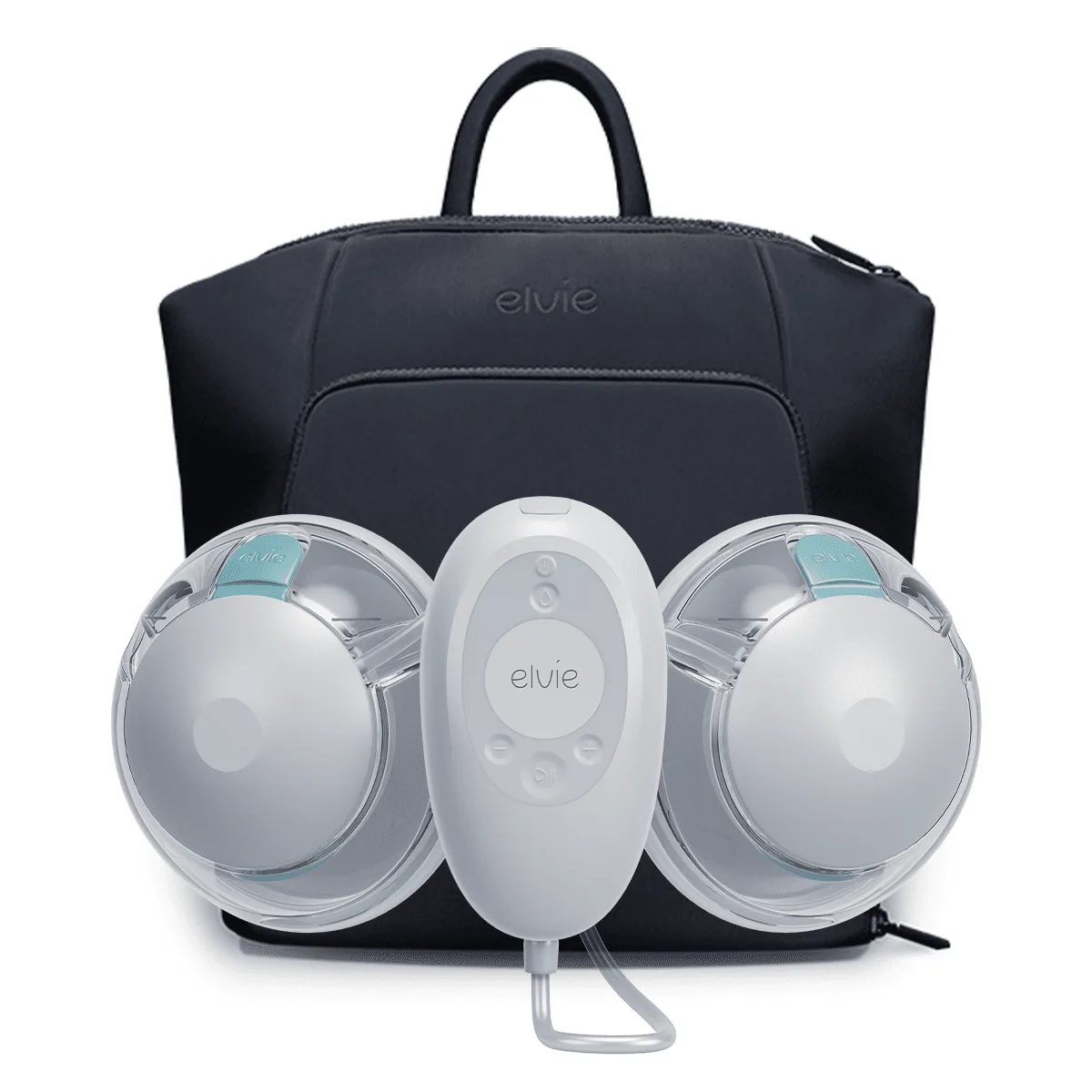
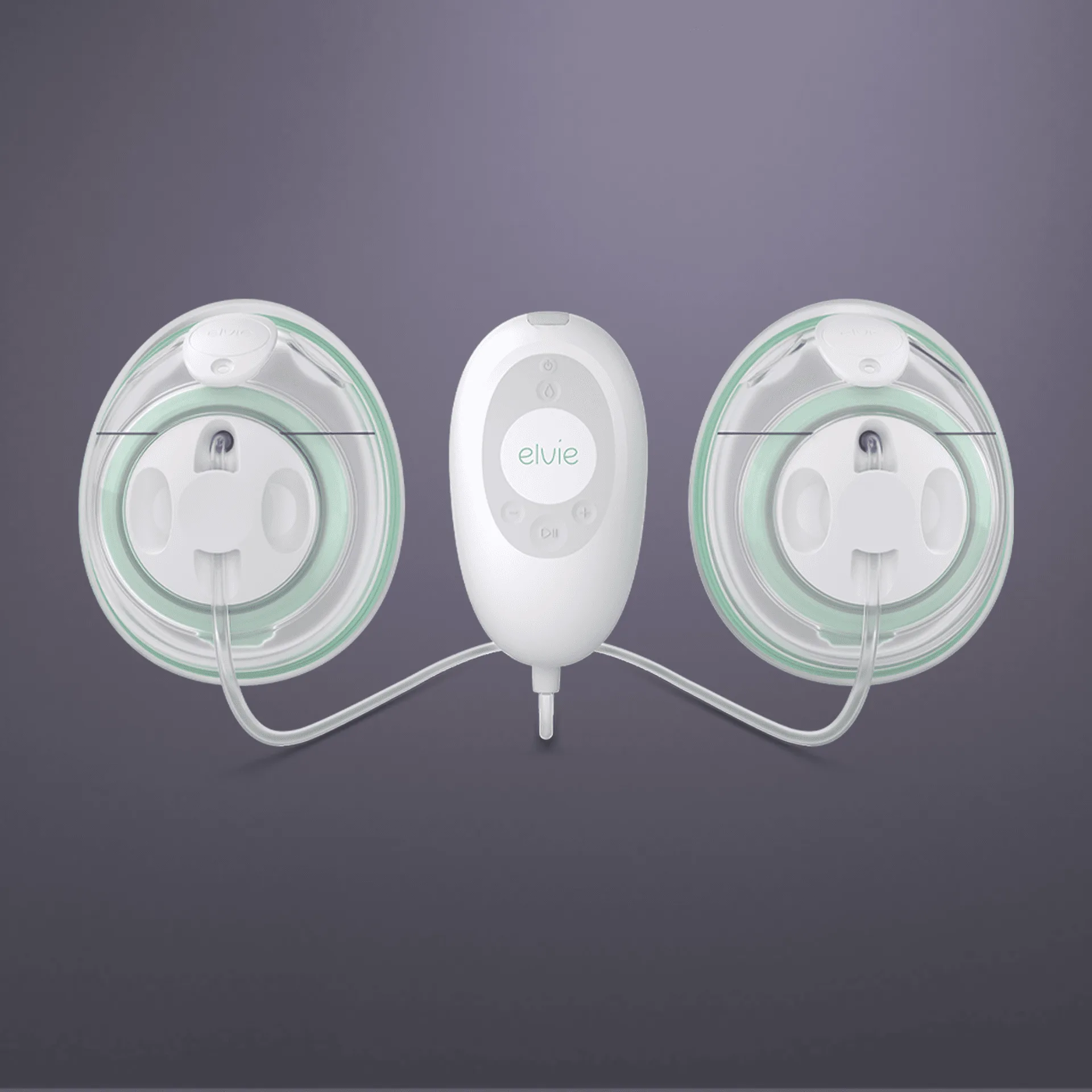
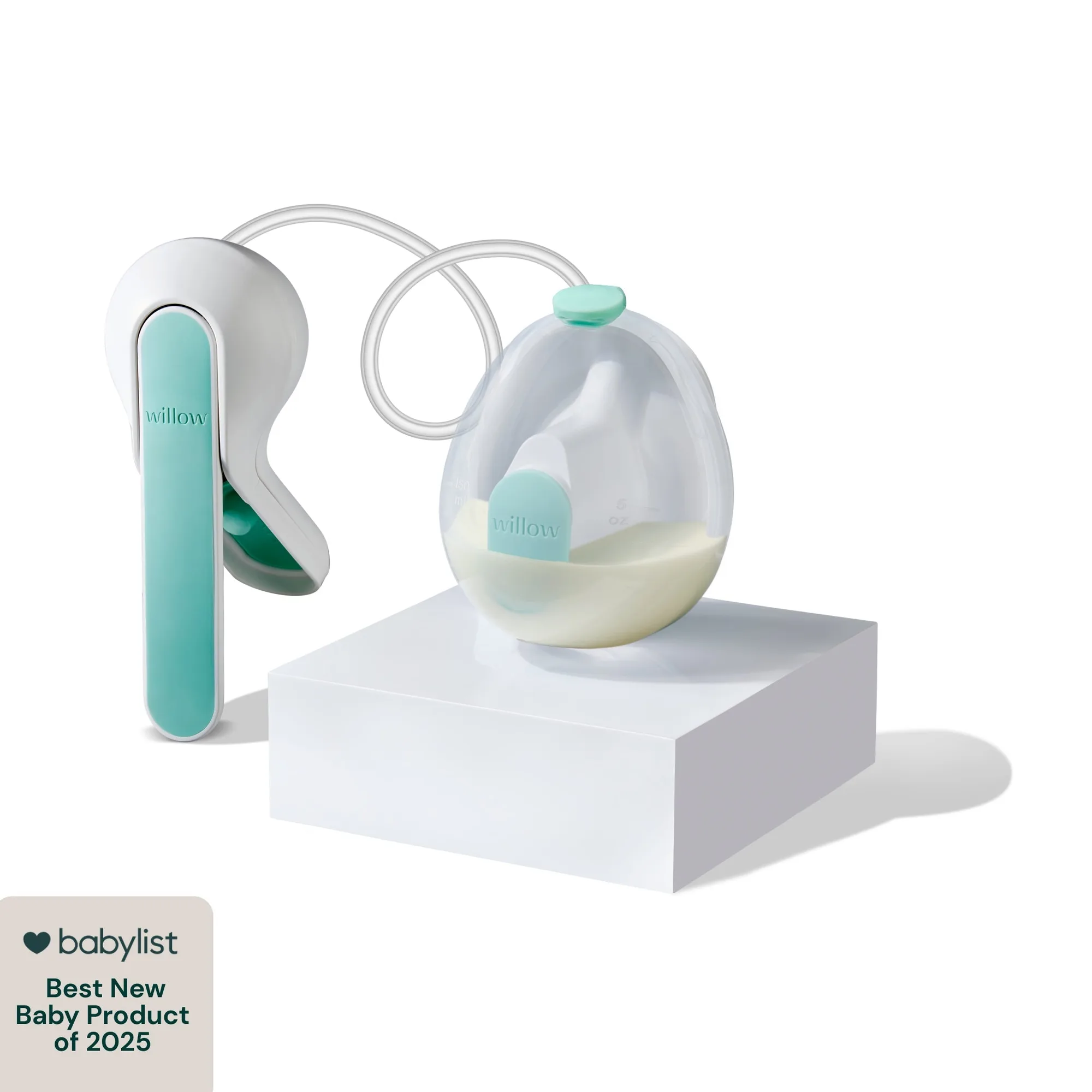
In the early weeks, aim for frequency over duration. One or two minutes of gentle pelvic floor breathing after a feed or nappy change is enough to build the habit, and it can be done lying down or sitting. Pair it with a breast care check: notice whether nipples feel sore, whether one breast feels unusually full or hot, and whether feeding is comfortable. If you are pumping, a wearable manual pump such as the Willow Wave can reduce the setup burden, but it still needs the same attention to flange fit and comfort.
How to build breast care into feeding and pumping days
Breast care after birth is mostly about comfort and early problem-spotting. Change nursing pads often, let nipples air-dry, and use a soothing product when they feel raw rather than waiting for pain to escalate. If you pump, check that the flange is not pulling or pinching, because a poor fit causes soreness that is easy to mistake for a latch problem. Keep the routine boring and repeatable: feed or pump, check comfort, soothe if needed, then move on.
When to start pelvic floor training and what to do first
The first stage is coordination, not strength. Learn to feel a gentle lift and release without holding your breath or clenching your glutes. Once you have clearance after your postnatal check, usually around six weeks, you can progress to holds and repetitions. If you had a caesarean, a tear, or significant blood loss, follow your clinician's timeline rather than a generic one. Stop and seek advice if exercises cause pain, heaviness, or leaking that worsens.
Small habits that make the routine stick
Attach pelvic floor exercises to something you already do daily, such as boiling the kettle or sitting down to feed. Keep breast care supplies within reach of where you feed so you actually use them. Write the routine down as two lines, not a long plan, and treat a missed day as neutral rather than a failure. Postpartum self care works better when it is small enough to repeat on a bad day.
Postpartum care FAQ
How soon after birth can I start pelvic floor exercises?
Begin with gentle breathing and coordination in the first days if you feel comfortable, then progress to holds and repetitions after your postnatal check, usually around six weeks. If you had a tear, caesarean, or heavy bleeding, follow your clinician's timeline instead.
What breast care actually matters day to day?
Change pads often, let nipples air-dry, check flange fit if you pump, and soothe soreness early rather than waiting for it to become severe. A red, hot, painful area or fever needs medical assessment, not a home remedy.
How do I know if I am doing pelvic floor exercises correctly?
You should feel a gentle lift and release without holding your breath, clenching your glutes, or bearing down. If you cannot feel a lift, or you feel heaviness or leaking, ask for a pelvic health assessment.
Can I combine breast and pelvic floor care in one routine?
Yes. Pair a one-minute pelvic floor breathing set with a quick breast comfort check after a feed or pump session. Two short daily habits are more useful than one long session you skip.
Products that support the routine
- Cooling Gel Nipple Pads: Cooling Gel Nipple Pads provide an immediate cooling sensation to help soothe sore nipples and are designed for use during breastfeeding or postpartum recovery. Keeping a pair within reach makes it easier to soothe nipples right after a feed instead of waiting until soreness builds.
- Willow Wave Manual Breast Pump: Willow Wave Manual Breast Pump is a wearable in-bra manual pump with hospital-strength, two-phase suction and an included 24 mm soft silicone flange, and it requires no charging. It removes the need for a power source, which helps you keep pumping sessions consistent on days when you are away from a socket.