Quick answer
A reliable contact lens care routine means washing and drying your hands before every touch, storing lenses only in fresh solution, replacing your case every one to three months, and following the exact replacement schedule your lens type requires. Skip the shortcuts like topping off old solution or using tap water; those are the habits most likely to cause irritation or infection.
Most contact lens problems do not come from the lenses themselves. They come from the small habits around them: reusing solution, sleeping in lenses that are not approved for it, or letting a case sit wet for weeks. A contact lens care routine is simply a fixed order of actions you repeat every time you handle your lenses, so you never have to guess.
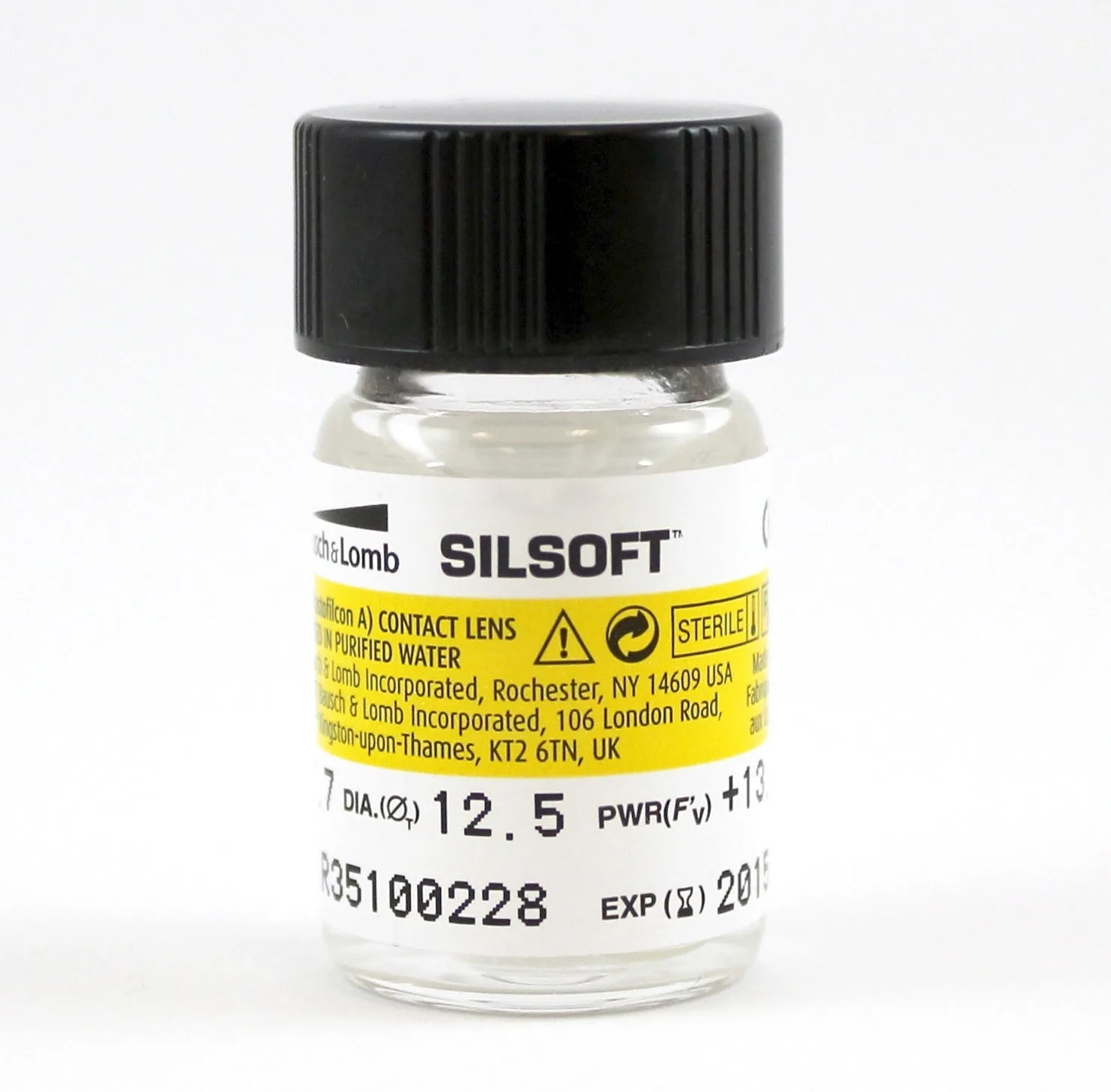
This guide walks through that order step by step, with the common mistake to avoid at each stage. It applies whether you wear dailies, weeklies, monthlies, or custom lenses like https://lensabler.com/products/silsoft-aphakic-adult-contact-lenses-d9496ee0580fe51f89397186-1701868Silsoft Aphakic Adult Contact Lenses. The products mentioned below are examples from the Lensabl catalog; check your own prescription and lens instructions first, because replacement schedules and cleaning rules are set by the lens type, not by preference.
Why the order of your routine matters
Contact lens hygiene tips usually focus on products, but sequence matters just as much. If you put in lenses before washing your hands, you transfer whatever was on your fingers straight to your eye. If you clean a case after inserting lenses rather than before, the case sits contaminated while you wear them. A fixed order removes those gaps.
The routine below runs from preparation through storage and replacement. Each step includes a checkpoint, so you can tell whether you actually completed it. If you wear monthly lenses, the storage steps carry more weight because the lenses stay in your care for weeks. If you wear dailies, the replacement step is the main event, and storage matters less because there is nothing to store overnight.
- Wash, rinse, and dry your hands before any step that touches a lens or your eye.
- Work over a clean, dry surface, not over a sink with the drain open.
- Keep your solution bottle closed when not in use, and never let the tip touch anything.
Step 1: Wash and dry your hands properly
Use plain soap and water, then dry with a lint-free towel. Scented or oily soaps can leave a film that transfers to the lens and stings. If you use a hand sanitizer, wait until it is fully dry before touching a lens, because alcohol residue on your fingers will burn on contact.
The common mistake here is rushing the drying step. Damp fingers make lenses slippery and harder to handle, which leads to dropping them or pinching them too hard. A clean, dry hand is the foundation of every other step in this contact lens care routine.
- Checkpoint: your hands are dry enough that a lens does not slide off your fingertip.
- Avoid paper towels that shed fibers; they can leave debris on the lens surface.
Step 2: Clean lenses the right way for your type
How to clean contact lenses depends on whether they are daily disposables or reusable. Dailies are thrown away at the end of the day, so there is nothing to clean. Reusable lenses, including weekly and monthly types, need a rub-and-rinse with the solution your eye care provider recommended, followed by a soak in fresh solution.
The mistake to avoid is using tap water, bottled water, or saliva as a rinse. Those are not sterile and can introduce organisms that cause serious eye infections. Never use them, even in a pinch. If you are out of solution, leave the lenses in the case until you can get more rather than improvising.
- Rub the lens gently in your palm with solution, then rinse it before soaking.
- Use only the solution type you were fitted with; do not mix brands or types.
- Checkpoint: the lens looks clean and clear, with no film or debris.
Step 3: Store lenses in fresh solution only
Contact lens solution storage is where many routines fall apart. Fill the case with fresh solution every time, and never top off the old solution already in the well. Topping off dilutes the disinfectant and leaves the lens sitting in a weaker mix than intended. Close the caps tightly and store the case upright.
If you wear monthly contacts, storing them correctly between wears is what keeps them comfortable for the full month. A lens left in stale solution can feel gritty or cause redness the next time you insert it. If that happens, discard the solution, clean the lens again, and start fresh.
- Empty and refill both wells with fresh solution each time you store lenses.
- Never store lenses in water, saline alone, or a homemade mix.
- Checkpoint: the case is filled to the line with fresh solution and capped.
Step 4: Replace your case on a schedule
When to replace a contact lens case is simpler than most people think: every one to three months, or sooner if it looks cloudy, cracked, or has buildup. Cases are inexpensive, and they are one of the most common sources of contamination because people rinse them with water and let them air dry open on a counter.
After each use, empty the case, rinse it with fresh solution, and turn it upside down on a clean tissue to air dry. Do not use tap water to rinse the case, for the same reason you do not use it on lenses. Write the date you started using the case on the bottom so you do not have to remember.
- Replace the case at least every three months, or with each new solution bottle.
- Checkpoint: no film, odor, or discoloration inside the wells.
- Keep a spare case on hand so you are never tempted to stretch one too long.
Step 5: Follow your replacement schedule exactly
Daily lenses are discarded after one wear. Weekly lenses are replaced on the schedule your fitter gave you, and monthly lenses are replaced at the end of the month, counting from the day you first opened them, not the number of times you wore them. Custom lenses such as Silsoft Aphakic Adult Contact Lenses follow their own manufacturer instructions, so confirm the replacement interval with your eye care provider.
The mistake to avoid is stretching a lens because it still feels fine. Comfort is not a reliable indicator of cleanliness, and a lens past its replacement date can harbor buildup that increases irritation risk. If you lose track, mark the opening date on your calendar or phone.
- Discard dailies at the end of each day, no exceptions.
- Track weekly and monthly replacement dates from the day the lens was opened.
- Checkpoint: you can state today's lens age without checking the package.
Common contact lens care mistakes to stop
A few habits show up again and again in contact lens care mistakes. Topping off solution, rinsing lenses or cases with tap water, sleeping in lenses not approved for overnight wear, and wearing lenses past their replacement date are the big four. Each one undermines the steps above, and each is easy to fix once you notice it.
Another quiet mistake is keeping solution past its expiration date or using a bottle that has been open longer than the manufacturer recommends. Check the bottle before you refill your case. If you are unsure how long a bottle has been open, start a new one.
- Do not swim or shower in lenses unless your provider has cleared it.
- Remove lenses before any activity where water could enter your eyes.
- Checkpoint: none of the big four mistakes happened today.
Your daily contact lens routine in five steps
- Wash and dry hands: Use plain soap and a lint-free towel before touching lenses or your eye. Checkpoint: hands are completely dry.
- Clean reusable lenses: Rub and rinse with the recommended solution, never water or saliva. Checkpoint: lens looks clear with no film.
- Store in fresh solution: Empty the case, refill with new solution, and cap tightly. Checkpoint: no topping off old solution.
- Replace the case: Swap in a new case every one to three months and let it air dry upside down. Checkpoint: no cloudiness or odor.
- Follow the replacement date: Discard dailies daily, and track weekly, monthly, or custom lens intervals from the open date. Checkpoint: you know today's lens age.
Products that support a clean routine
- Silsoft Aphakic Adult Contact Lenses: Custom annual lens for aphakia, one lens per vial, currently custom made by Bausch & Lomb after a supply update. Because these are custom annual lenses, your care routine and replacement timing need to match the manufacturer's instructions, and ordering takes planning rather than a quick reorder.
- https://lensabler.com/products/vcs-non-prescription-lenses-ea52eb667b18c79656314740-1703716Non-Prescription Lenses: Standard clear non-prescription lenses from Lensabl, designed for lens replacement in existing frames. If you keep a pair of frames for non-contact days, replacing the lenses keeps them clear and usable without a prescription change.
- Reef Euphoria: Sunglasses with polarized UV400 lenses and a lightweight TR90 frame, with coatings that repel water, salt, and scratches. Good sun coverage matters when your eyes are recovering from lens wear; polarized UV400 lenses reduce glare and the coatings make them easy to keep clean.
A contact lens care routine does not need to be complicated, but it does need to be consistent. Wash and dry your hands, clean only the lenses that are reusable, store them in fresh solution, replace the case on schedule, and respect the replacement date. Do those five things in order, and most of the common irritation triggers disappear.