Quick Answer
If you are lactose intolerant, start by reading the ingredient list for lactose-containing ingredients like whey concentrate, milk protein isolate, or micellar casein. Whey protein isolate is usually low in lactose and works for many people, but if you react to any dairy, choose a plant-based protein powder that is explicitly dairy free. Use the decision rules below to match the formula to your symptoms and goals.
Why Lactose Hides in Some Protein Powders
Lactose is a sugar found in milk. Protein powders made from milk — whey and casein — can contain varying amounts of lactose depending on how they are processed. Whey protein concentrate typically retains more lactose, while whey protein isolate goes through additional filtering that removes most lactose. Casein and milk protein isolate also contain lactose, though levels vary. If you are sensitive, the type of protein matters as much as the flavor.
Decode the Label: Ingredients That Signal Lactose
Scan the ingredients list for these terms: whey protein concentrate, milk protein isolate, micellar casein, milk powder, and lactose itself. If you see them, the product likely contains some lactose. Terms like whey protein isolate, whey protein hydrolysate, and plant proteins (pea, rice, soy) are generally lower in lactose or dairy free. However, cross-contamination can occur in facilities that also process dairy, so check for allergen statements if your sensitivity is severe.
Whey Isolate vs. Concentrate: What Changes for Your Stomach
Whey isolate is filtered to remove most lactose and fat, leaving a protein content of about 90% or higher. Many people with mild lactose intolerance tolerate whey isolate without symptoms. Whey concentrate is less processed, retains more lactose, and may trigger bloating or gas. If you want to keep drinking whey but need fewer lactose triggers, isolate is the safer bet. If even isolate causes issues, a plant-based protein is your next step.
Plant Proteins: Naturally Dairy Free but Check Additives
Plant protein powders made from pea, rice, soy, or hemp are naturally free of lactose. They are a strong choice if you react to any dairy or follow a vegan diet. Some blends add digestive enzymes or probiotics to improve tolerance, but those are optional. Watch out for added ingredients like milk solids or whey in flavoring systems — always read the full ingredient list. Also note that plant proteins can have a different texture and taste than whey, so you may need to experiment with flavors and mixing methods.
Other Ingredients That Can Upset a Sensitive Stomach
Lactose is not the only culprit. Sugar alcohols (sorbitol, maltitol), high amounts of fiber, and some artificial sweeteners can cause gas or bloating in sensitive individuals. If you have tried lactose-free options and still have symptoms, look for a powder with a short ingredient list and no sugar alcohols. Digestive enzymes like lactase may be added to some products to help break down any residual lactose, but they are not a guarantee.
Decision Rules for Lactose Intolerance
- If you have mild symptoms and want to keep whey: Choose a whey protein isolate. It is filtered to remove most lactose. Check the label for 'whey protein isolate' as the first protein source. Try a small serving first to confirm tolerance.
- If you react to any dairy or want a vegan option: Pick a plant-based protein powder that is explicitly labeled dairy free. Look for pea, rice, or soy protein as the base. Verify no milk ingredients in the flavoring or additives.
- If you still get symptoms after switching: Check for sugar alcohols, high fiber, or artificial sweeteners. These can cause bloating independent of lactose. Consider a simpler formula with fewer additives.
Product Facts to Compare
- MusclePharm Combat 100% Whey Protein Powder, Banana Milk Flavor, Fast Recovery & Muscle Gain with Whey Protein Isolate, High Protein Powder for Women & Men, Gluten Free, 5 lb, 70 Servings: MusclePharm Combat 100% Whey Protein Powder in Banana Milk Flavor contains whey protein isolate and is gluten free, with 70 servings per 5 lb container. Whey isolate is lower in lactose than concentrate, so this may suit mild lactose intolerance. The large tub offers good value if it works for you.
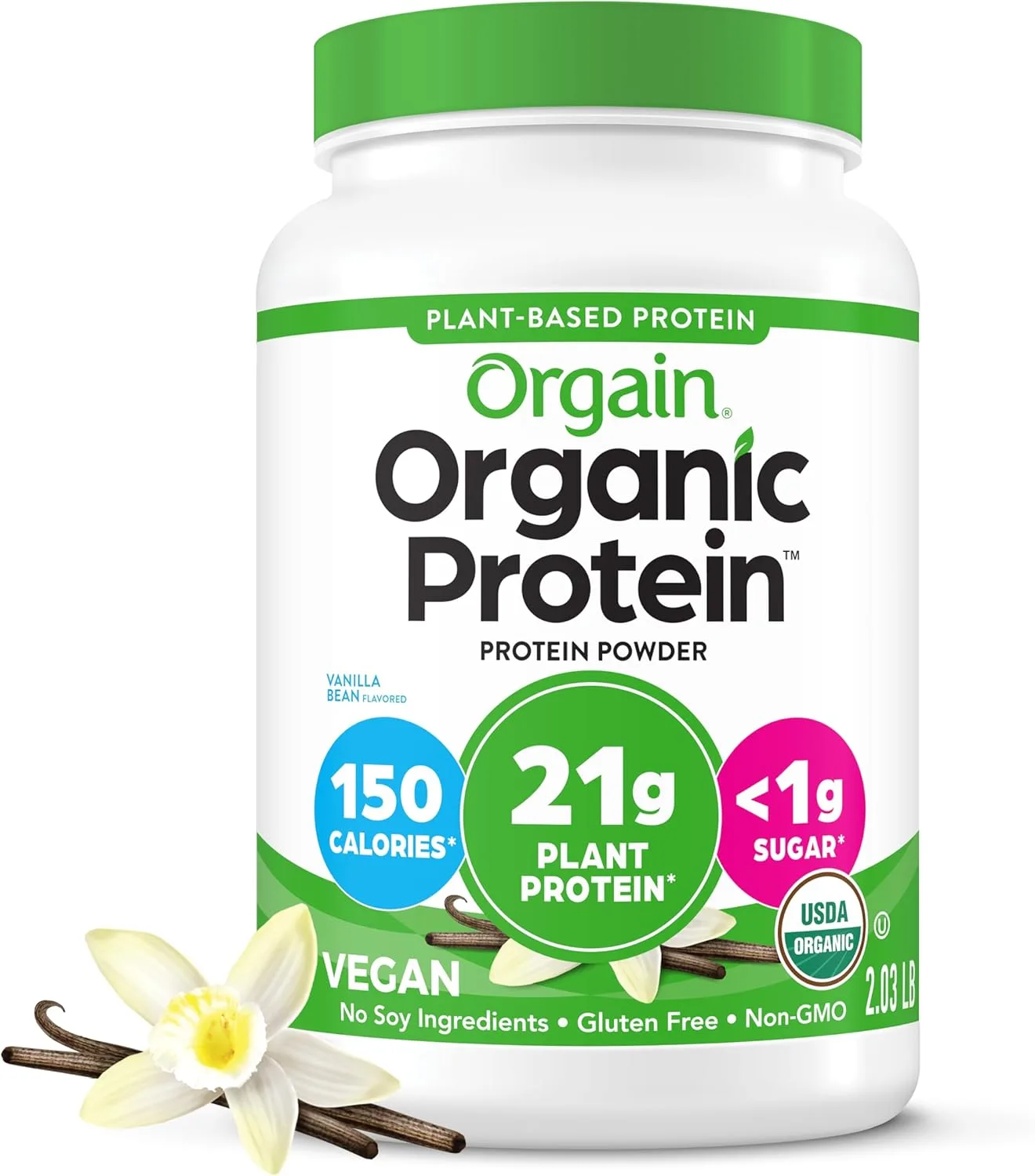
- Orgain Organic Vegan Protein Powder, Chocolate Peanut Butter - 21g Plant Protein, 6g Prebiotic Fiber, Low Net Carb, No Lactose Ingredients, No Added Sugar, Non-GMO, For Shakes & Smoothies, 2.03 lb: Orgain Organic Vegan Protein Powder in Chocolate Peanut Butter provides 21g of plant protein and 6g of prebiotic fiber per serving, with no lactose ingredients and no added sugar. A dairy-free option that also supports digestive health with prebiotic fiber. Suitable for those who react to any dairy or prefer plant-based.
- BSN SYNTHA-6 Whey Protein Powder, Micellar Casein, Milk Protein Isolate, Chocolate Milkshake, 48 Servings (Packaging May Vary): BSN SYNTHA-6 Whey Protein Powder contains a blend of whey protein, micellar casein, and milk protein isolate in Chocolate Milkshake flavor, with 48 servings per 5 lb container. This blend includes multiple dairy proteins, so it likely contains lactose. Best avoided if you are sensitive unless you know you tolerate these ingredients.
Who Should Choose What
Best for
- People with mild lactose intolerance who want a whey-based option and can tolerate small amounts of lactose
- Those who prefer a dairy-free, plant-based protein and want added digestive support from prebiotic fiber
- Anyone who needs a cost-effective protein powder and has confirmed they tolerate whey isolate
Not for
- Individuals with a milk allergy or severe lactose intolerance who react to any dairy traces
- Those who want a protein powder with zero risk of lactose and prefer to avoid all animal products
- People who have had negative reactions to sugar alcohols or high-fiber protein powders