Quick answer
Recreate the parts of home sleep you can control: the same bedtime order, the same sleep sack or lovey, and a steady sound cue. Then keep the room dark and boring, and give your baby 10 to 15 minutes to settle before you intervene. Most babies adjust within two or three nights when the routine stays predictable, even if the room is brand new.
Before you leave: build a portable sleep cue
Start using one sound cue at home at least a week before your trip. A fan-based white noise machine works well because the sound is continuous and doesn't loop or skip, so your baby's brain tunes it out instead of tracking it. Keep the volume low and consistent, and place it on the far side of the crib or travel crib, never inside it.
Pack the cue, not the whole nursery. Bring the same sleep sack, the same small lovey if your baby uses one, and the same bedtime book. A portable sound machine that is rechargeable and drop-tested removes one thing to worry about in a hotel or a relative's guest room.
Set up the room before bedtime, not during it
Do the room prep while your baby is awake and out of the space. Close blinds, unplug bright electronics, and set the sound machine running before you start the routine. If you are sharing a room, decide now where the crib goes: a corner away from the door and away from your bed reduces the chance that every adult shift wakes your baby.
Check the temperature and airflow. Hotel rooms often run warmer or cooler than home, and a baby who is too warm will fight sleep no matter how good the routine is. Dress your baby in one layer you can easily remove.
Keep the bedtime order identical
The order matters more than the clock. Feed, bath or wipe-down, diaper, sleep sack, book, sound on, lights out. Say the same short goodnight phrase every night. When your baby hears the same sequence in a strange room, the familiarity does the work that the room cannot.
If your baby usually falls asleep independently at home, put them down drowsy but awake in the new room too. If you usually rock or feed to sleep, keep doing that. Changing two things at once, the room and the method, is the most common reason travel sleep falls apart.
Handle night wakes without turning on the lights
Keep a dim, red-shifted nightlight or use your phone screen face-down. Change and resettle with as little talk and eye contact as possible. If your baby is crying hard, pick them up, calm them, and put them back down. Repeat. The goal is to show that the new room is boring and safe, not to introduce a new sleep habit you will have to undo at home.
For shared-room sleep, consider a slumber pod or a portable blackout cover if your baby is used to a dark room. If you have not used one before, test it at home first so the first experience is not on vacation.
Protect the first nap and the first night
The first sleep after arrival sets the tone. Try to arrive with enough daylight left to do one short nap in the new room before bedtime. Even a 20-minute nap in the travel crib helps your baby register the space as a place where sleep happens.
Expect the first night to be rougher than home. That is normal and not a sign that the trip was a mistake. Stay consistent with your response, and most babies settle faster on night two.
Your step-by-step travel sleep plan
- Practice the sound cue at home: Run the same white noise machine for every nap and bedtime for at least five days before you leave. Checkpoint: your baby should settle without turning toward the sound.
- Pack a portable version of the cue: Bring a rechargeable, drop-tested sound machine so the sound is identical in the new room. Mistake to avoid: relying on a phone app that can be interrupted by calls or notifications.
- Prep the room while your baby is awake: Darken the windows, set the sound machine on the far side of the crib, and choose a corner away from the door if you are sharing. Checkpoint: the room is boring, dark, and already humming before the routine starts.
- Run the exact home bedtime order: Feed, diaper, sleep sack, book, sound on, lights out, same goodnight phrase. Mistake to avoid: adding a new sleep prop on vacation that you do not want to keep at home.
- Respond to night wakes with low light and low talk: Use a dim nightlight, keep your voice quiet, and resettle in the crib as soon as your baby is calm. Checkpoint: your baby is back asleep within 15 to 20 minutes without a new habit forming.
- Give it two nights before you change the plan: The first night is usually the hardest. Stay consistent and expect improvement on night two. Next step: if night three is still rough, check room temperature, light leaks, and whether the sound machine is loud enough to mask hallway noise.
Sound machine options that travel well
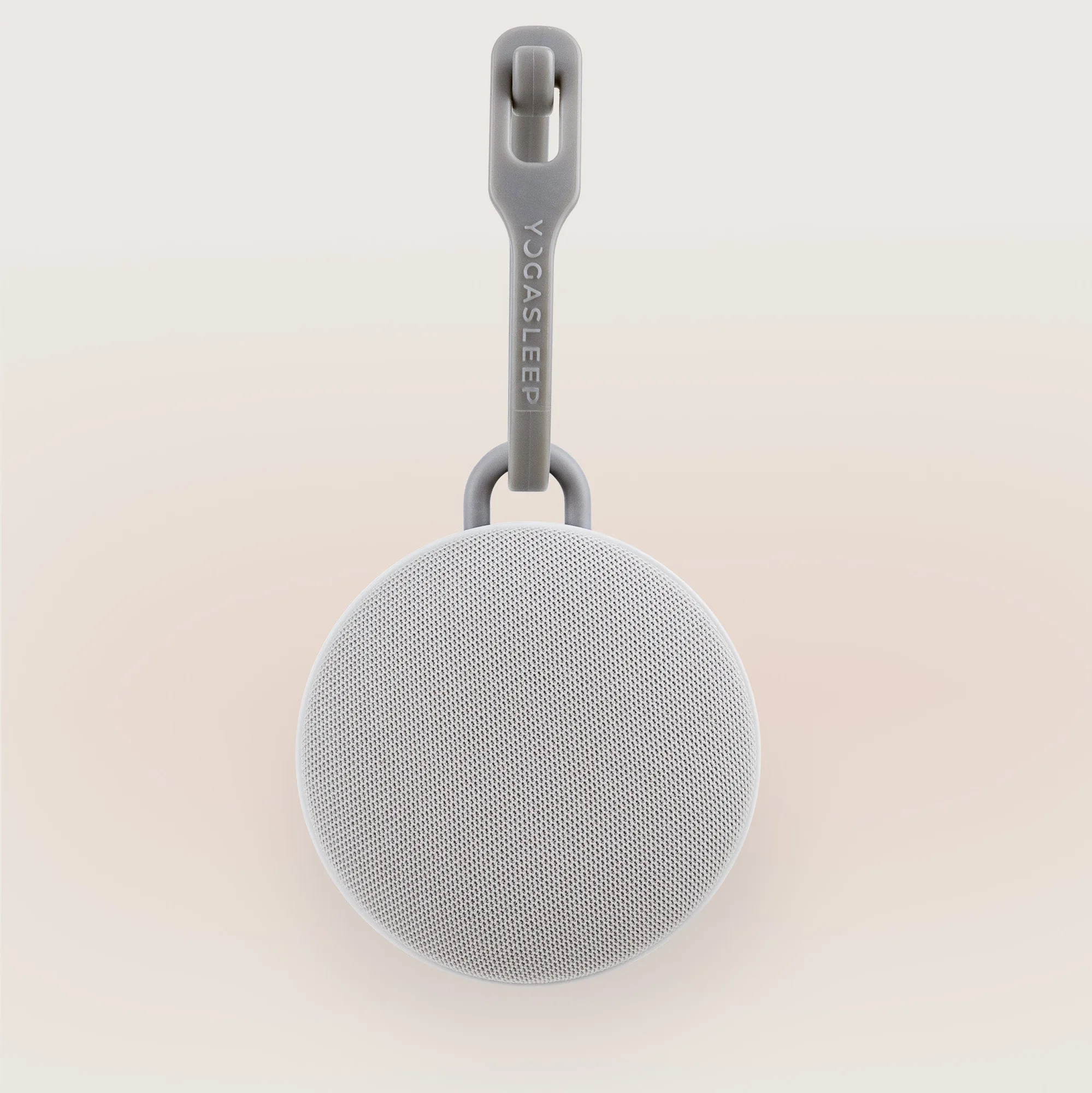
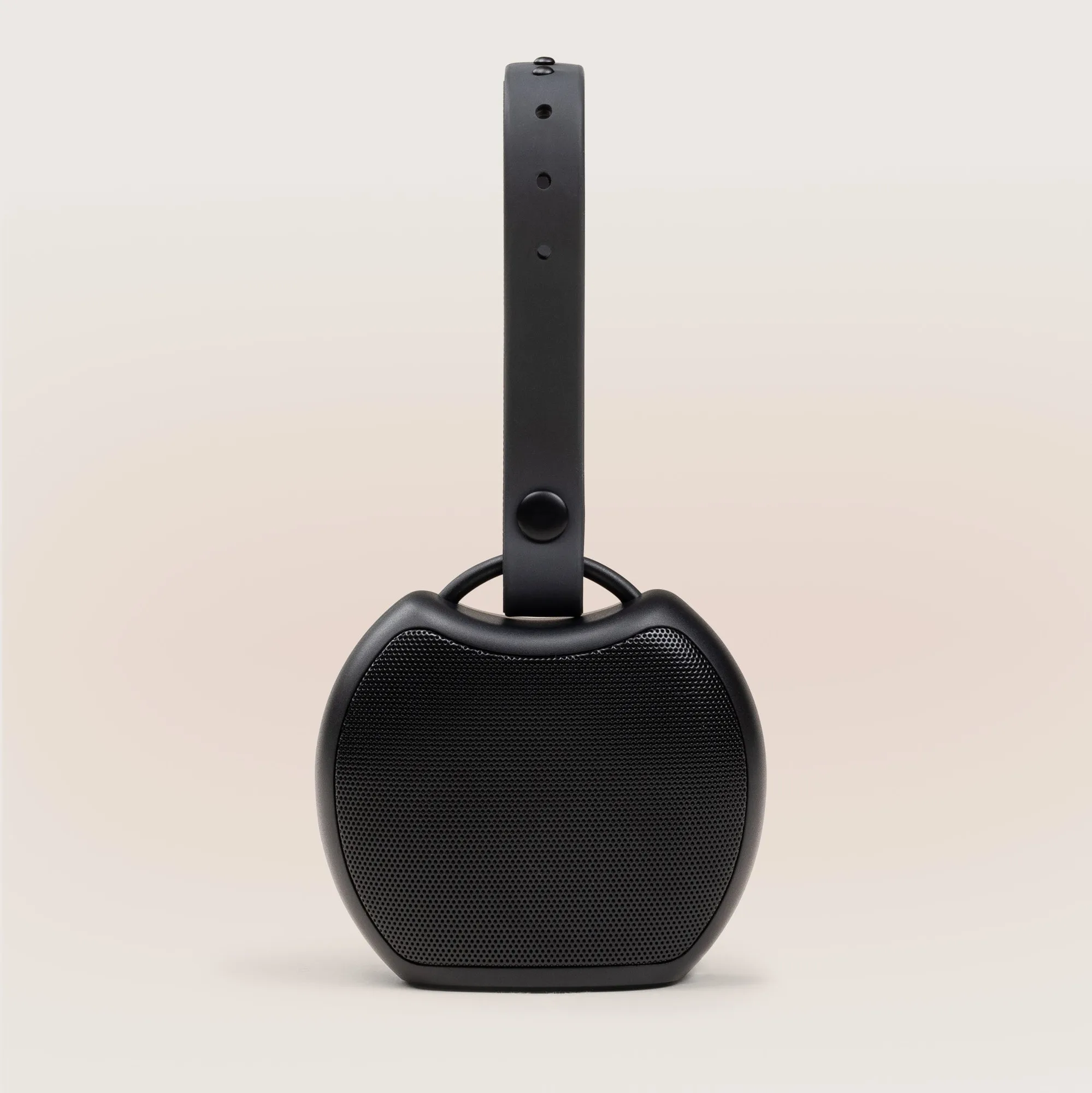
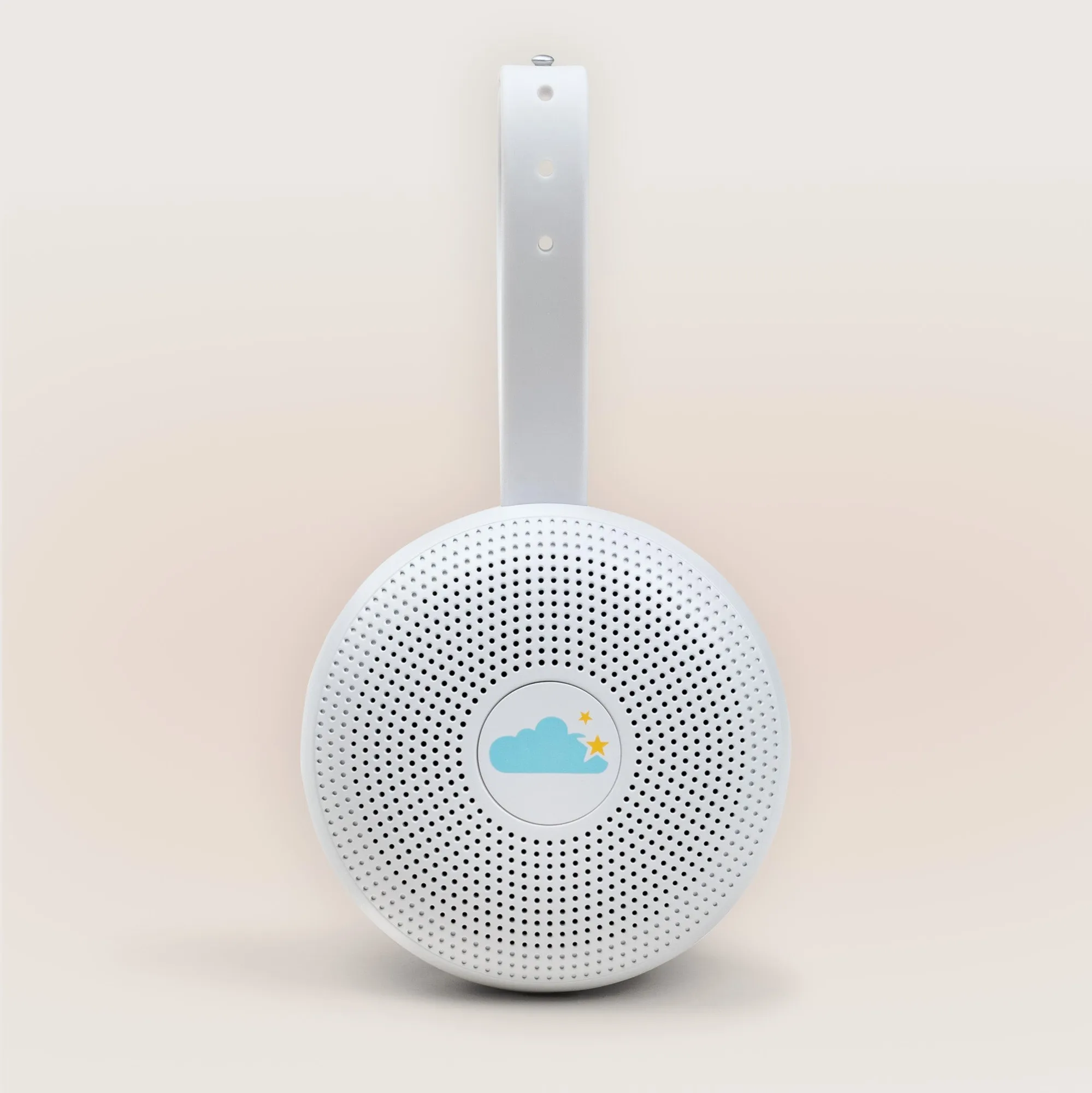
- Hushh 2: Built for the reality of traveling with a baby. Drop-tested and rechargeable, it goes wherever your family goes without the worry. A rechargeable, drop-tested unit means you can keep the same sound cue in a hotel, a tent, or a guest room without hunting for an outlet or worrying about a fall from a nightstand.
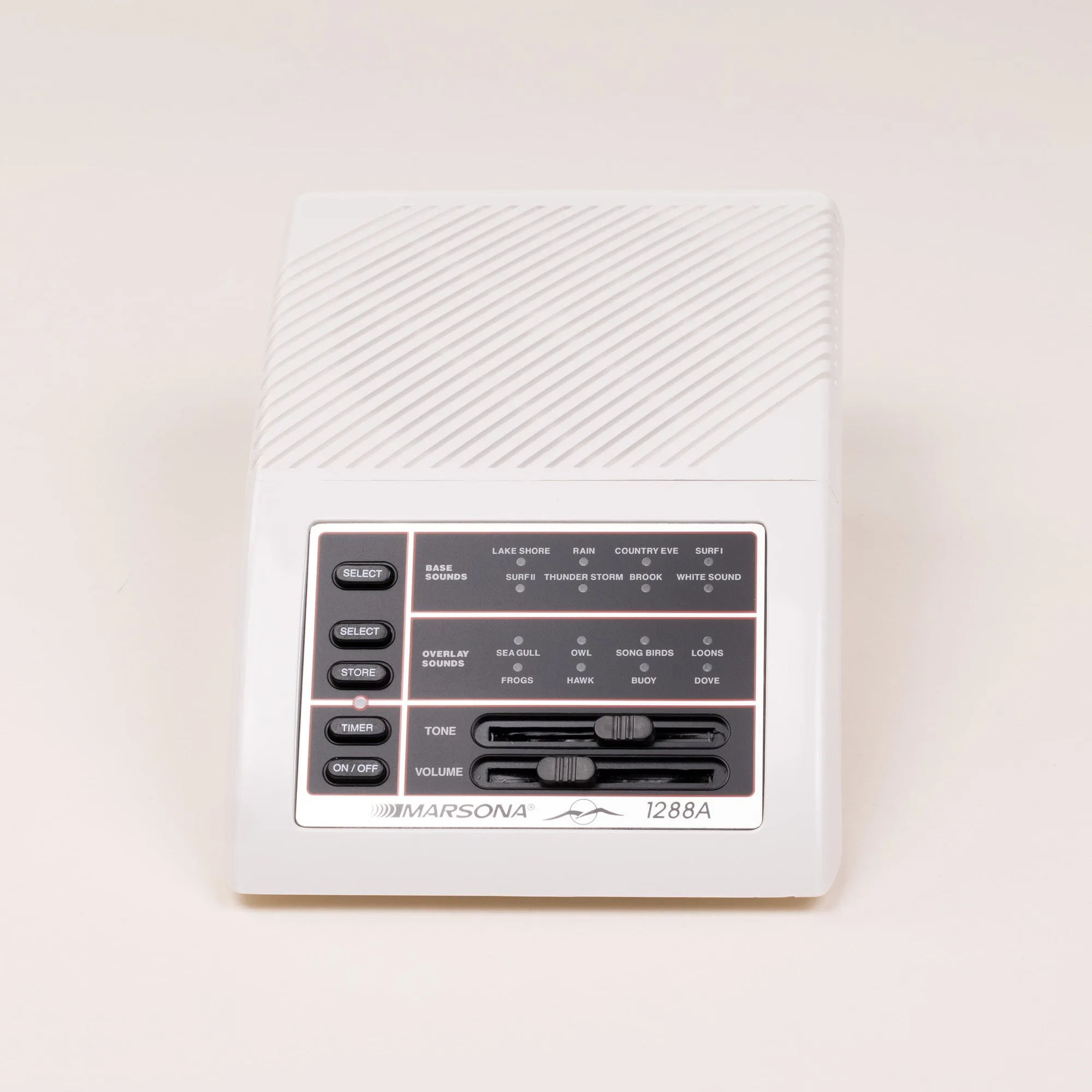
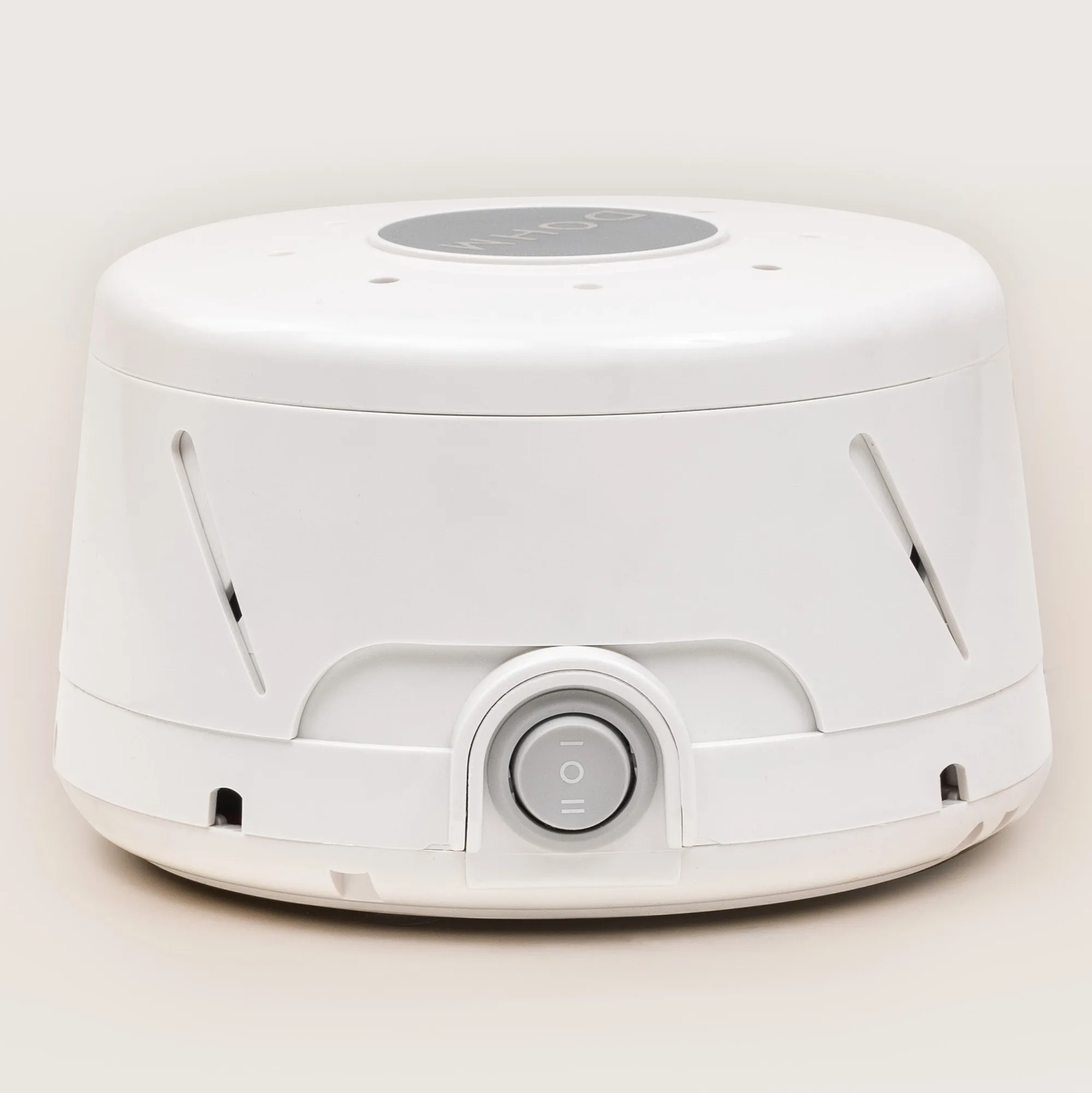
- Dohm Classic: The original fan-based white noise machine, assembled in the USA and backed by over 60 years of sound science. A real fan produces continuous, natural noise rather than a looping track, which is easier for a baby to ignore in an unfamiliar room.