Quick answer
Keep your chef notebook organized by using a consistent structure, dividing it into sections, and reviewing entries regularly. A dedicated notebook like the Hedley & Bennett Chef Notebook helps you track recipes, notes, and ideas in one place.
Why a dedicated notebook matters
A chef notebook isn't just a blank book. It's a system for capturing fleeting ideas and refining them into usable recipes. Without a method, even the best notes can become a jumble of scribbles you never revisit. The key is to choose a notebook that fits your workflow and commit to a simple organization method from the start.
Steps to organize your chef notebook
- Set up a table of contents: Reserve the first two pages for a table of contents. As you add entries, number each page and log the topic and page number. This turns your notebook into a searchable reference. Common mistake: skipping the table of contents leads to flipping through pages to find a note. Update it after every session.
- Divide your notebook into sections: Use sticky tabs or washi tape to mark three sections: Recipes (finalized dishes), Ideas (unfinished concepts), and Kitchen Notes (techniques, ingredient substitutions, timings). Keep each section separate so you can flip directly to what you need. Checkpoint: if you find yourself writing a recipe in the Ideas section, move it to the correct section once it's tested.
- Date every entry: Write the date at the top of each new page or entry. This helps you track when you tried a technique or when a seasonal ingredient was available. Common mistake: forgetting to date entries makes it impossible to know if a note is still relevant. Make it a habit before writing anything.
- Use a consistent format for recipes: For each recipe, write the name, yield, ingredients list, and step-by-step method in the same order every time. Leave space for tasting notes or modifications. Checkpoint: if you skip the yield or method, the recipe becomes unusable later. Stick to the format even for rough drafts.
- Review and purge regularly: Every month, flip through your notebook. Move tested recipes to a separate binder or digital file. Archive or discard ideas that no longer excite you. Common mistake: holding onto every note creates clutter. Be selective and keep only what you'll actually use.
Notebook options from Hedley & Bennett
-
Chef Notebook - Blueberry: The Chef Notebook in Blueberry offers a standard size with ample space for detailed notes and sketches. The larger format gives you room to write full recipes and draw plating diagrams without feeling cramped.
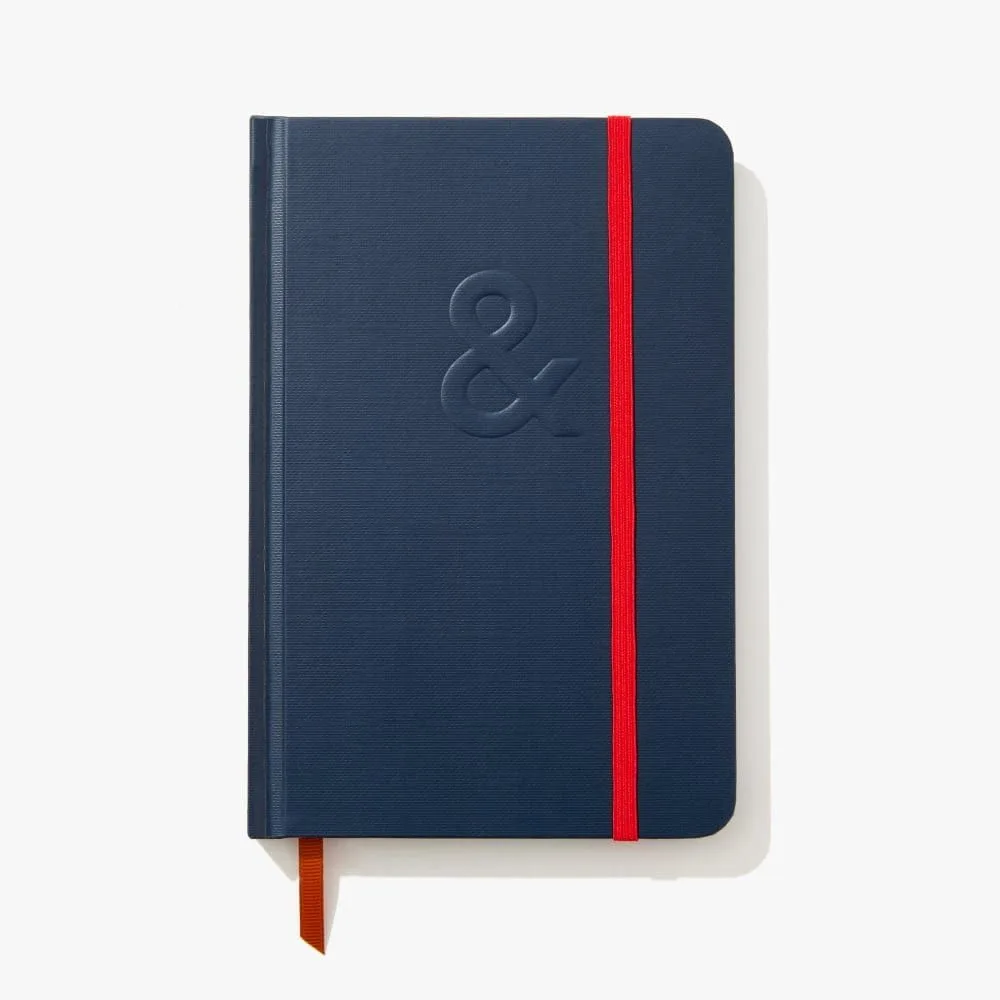
Chef Notebook - Blueberry
-
Chef Notebook - Miso: The Chef Notebook in Miso features a warm orange-yellow colorway that adds personality to your kitchen workspace. A distinctive cover color helps you spot your notebook quickly on a cluttered counter or in a chef coat pocket.
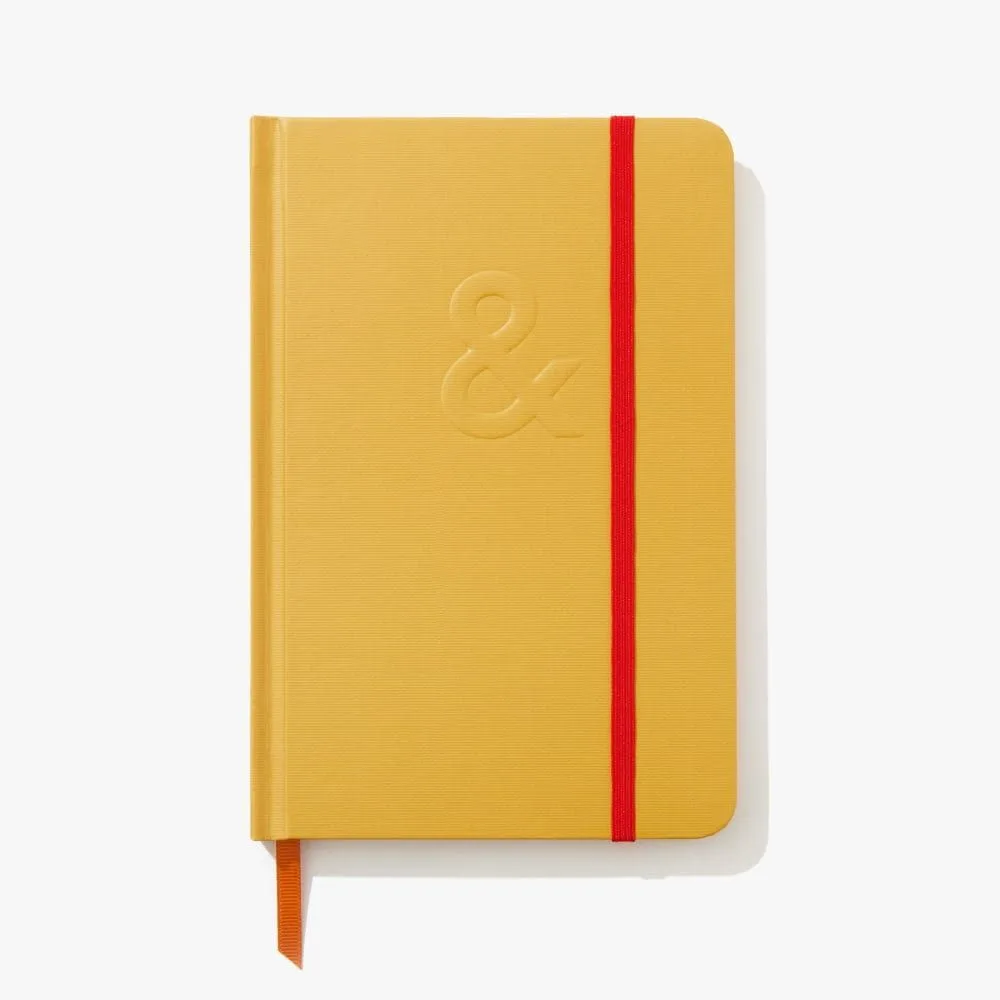
Chef Notebook - Miso
-
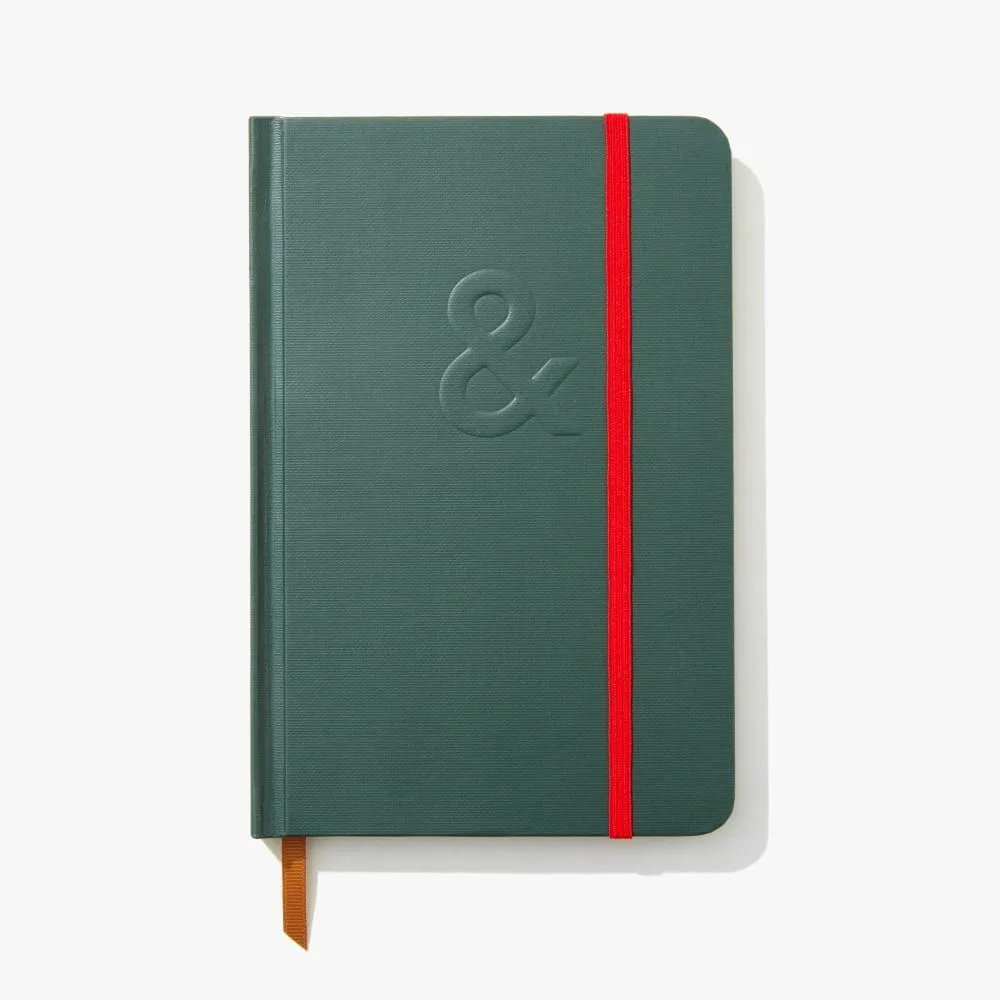
Chef Notebook - Shiso: The Chef Notebook in Shiso green is standard size and ideal for carrying in a chef coat pocket or kitchen drawer. Its compact fit makes it perfect for jotting down ideas on the fly without needing a dedicated workspace.