Quick Answer
To use a menstrual cup, fold it, insert it low in the vaginal canal, and rotate it to create a seal. Remove by breaking the seal and pulling the stem—practice makes it easier.
Why Choose a Menstrual Cup?
Menstrual cups are a reusable, eco-friendly alternative to pads and tampons. They collect rather than absorb, which means no dryness and fewer changes throughout the day.
Silicone cups, like the ones from TooTimid, are flexible, comfortable, and designed to form to your body. They can be worn for up to 12 hours, depending on your flow, making them ideal for busy days or overnight use.
Finding the Right Size
Most cups come in two sizes: a smaller size for lighter flow or first-time users, and a larger size for heavier flow or those who have given birth vaginally. Choosing the right size is key to comfort and leak protection.
If you're unsure, start with a smaller size—it's easier to insert and less likely to cause pressure. The Silicone Menstrual Cups: 2 Sizes Available! option lets you pick what fits your body.
Step-by-Step Menstrual Cup Instructions
- Wash your hands and the cup: Before inserting, wash your hands with soap and water. Rinse the cup with warm water—avoid soap that may leave residue. Use a mild, unscented soap or a dedicated cup cleanser. Checkpoint: A clean cup reduces the risk of irritation or infection.
- Fold the cup: Choose a fold that makes the cup narrow for insertion. The C-fold (press the cup in half) and the punch-down fold (push one rim into the cup) are common. The punch-down fold often creates a smaller insertion point. Checkpoint: Practice folds before your period so you know which works best.
- Insert the cup: Hold the folded cup with one hand and separate the labia with the other. Insert it into the vaginal canal at a 45-degree angle, aiming toward your lower back. Push it in until the stem is just inside—the cup should sit low, not high. Checkpoint: If you feel discomfort, the cup may be too high or too low—adjust gently.
- Rotate and create a seal: Once inserted, rotate the cup a full turn or press on the base to help it open. You should feel a slight suction. Run a finger around the rim to ensure it's fully open and not folded. Checkpoint: If the cup is folded, you'll feel a dent—push it out by pressing the base.
- Wear and check for leaks: You can wear the cup for up to 12 hours, but empty it more often if your flow is heavy. Check for leaks by wiping with toilet paper—if there's blood, the seal may not be right. Checkpoint: Leaks often mean the cup isn't sealed or is the wrong size.
- Remove the cup: Wash your hands, then insert a finger and press on the rim or base to break the seal. Gently pull the stem to slide the cup out. Do not yank—breaking the seal first is essential to avoid discomfort. Checkpoint: If removal is painful, you're pulling without breaking the seal.
- Clean and store: Empty the cup into the toilet, rinse with water, and wash with mild soap before reinserting. After your period, boil the cup in water for 5-10 minutes to sterilize, then store in a breathable pouch. Checkpoint: Proper cleaning extends the cup's life and keeps you healthy.
Recommended Menstrual Cups
-
Sano Silicone Menstrual Cup Set: Soft, flexible silicone cups with a ridge that creates a seal for leakproof protection. The seal helps you stay active without worrying about leaks, and the flexible material makes insertion smooth.
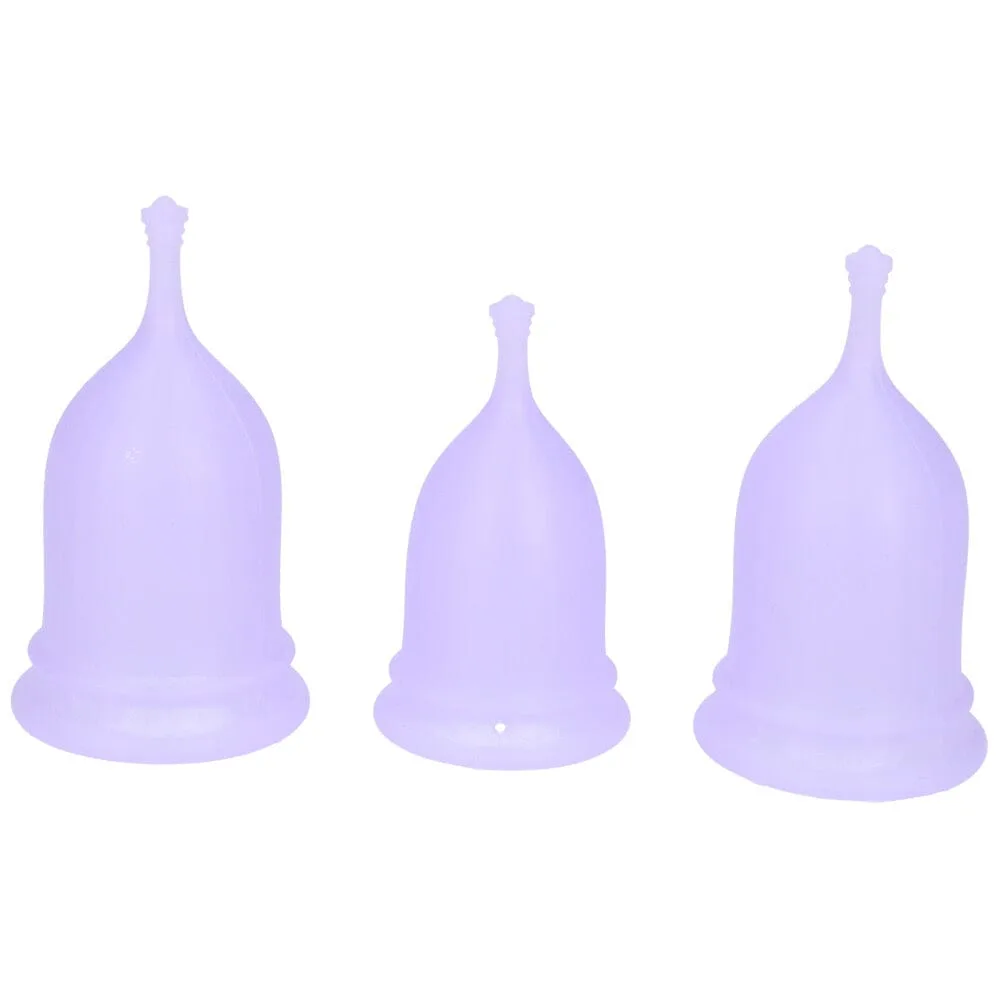
Sano Silicone Menstrual Cup Set
-
Silicone Menstrual Cups: 2 Sizes Available!: Reusable silicone cups available in two sizes, with a ridge that creates a seal. Choosing the right size ensures better fit and comfort, reducing the risk of leaks and making removal easier.
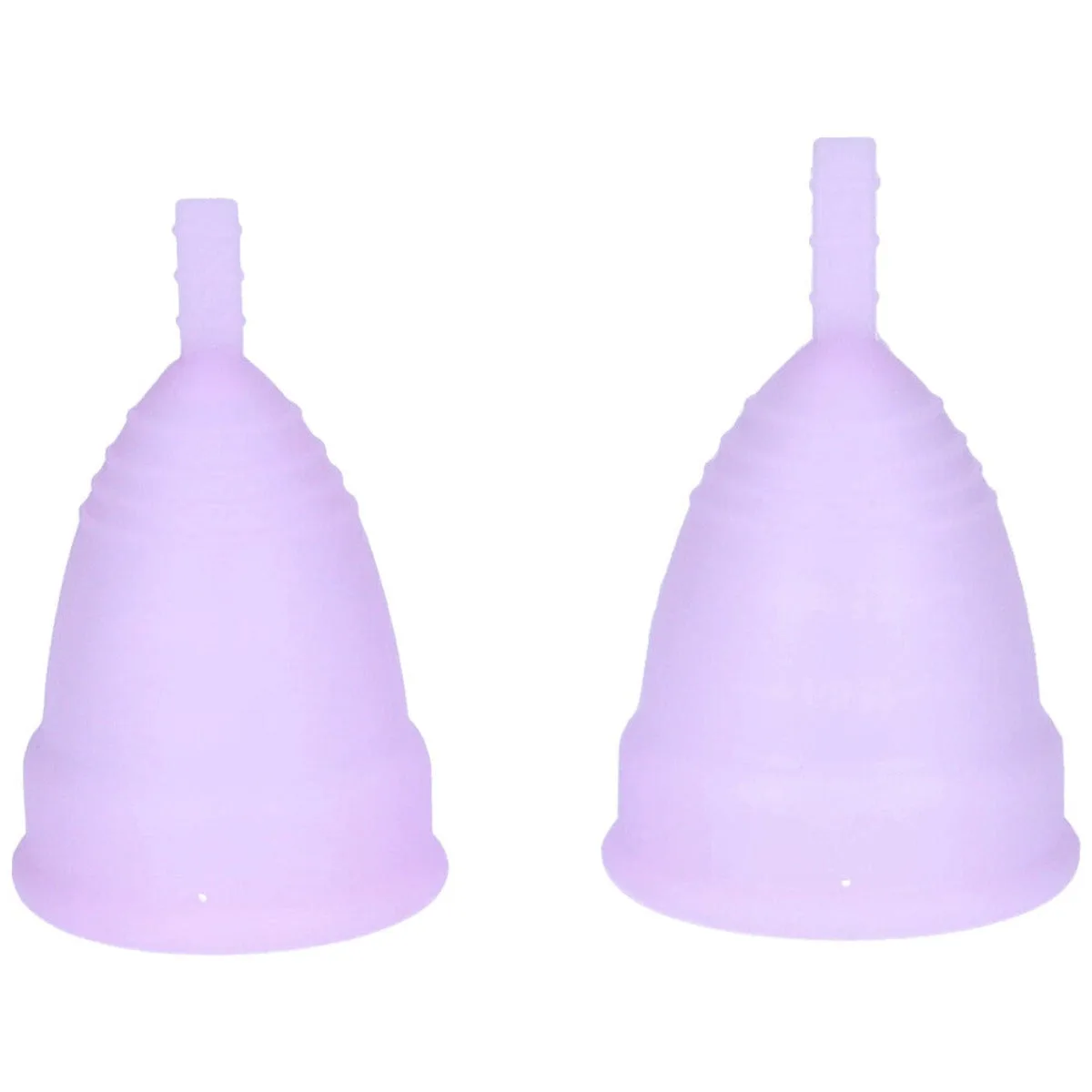
Silicone Menstrual Cups: 2 Sizes Available!