Quick Answer
To win DC Deck-Building Game: Rivals – The Flash vs. Reverse-Flash, prioritize recruiting cost-efficient Speedsters and Rogues early, then upgrade your unique Character cards as soon as your deck can support the higher costs. The player who manages the transition from cheap recruits to powerful character abilities fastest usually controls the match.
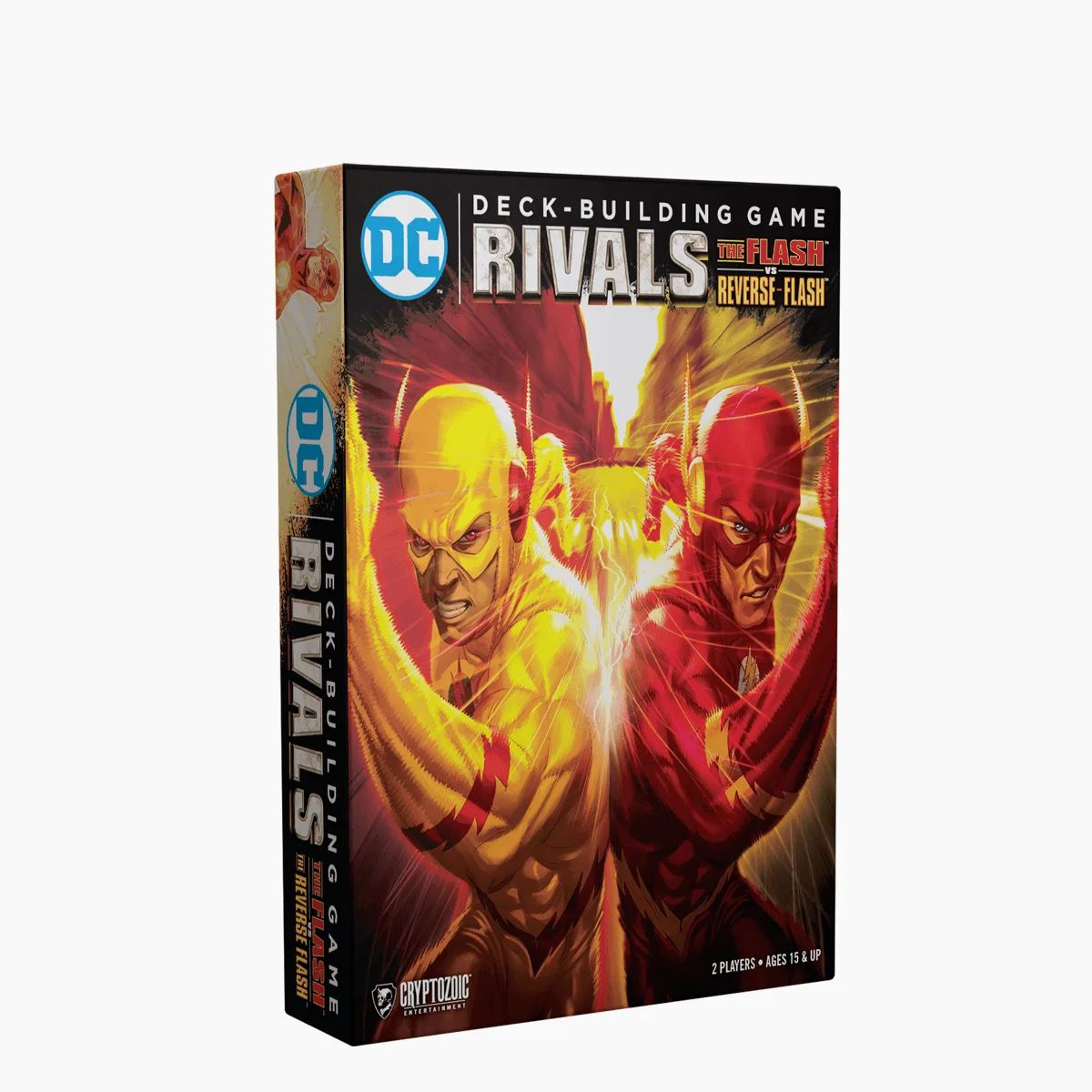
DC Deck-Building Game: Rivals – The Flash vs. Reverse-Flash
Understand the Rivals Format Before You Shuffle
DC Deck-Building Game: Rivals is a standalone two-player game. Each player takes one of the iconic rivals—The Flash or Reverse-Flash—and builds a personal deck from a shared market. Unlike multiplayer DC Deck-Building Game titles, every card you buy is meant to combo with your specific character’s three unique Character cards. That means generic goodstuff drafting is weaker here than in larger games; you need to commit to your character’s strengths.
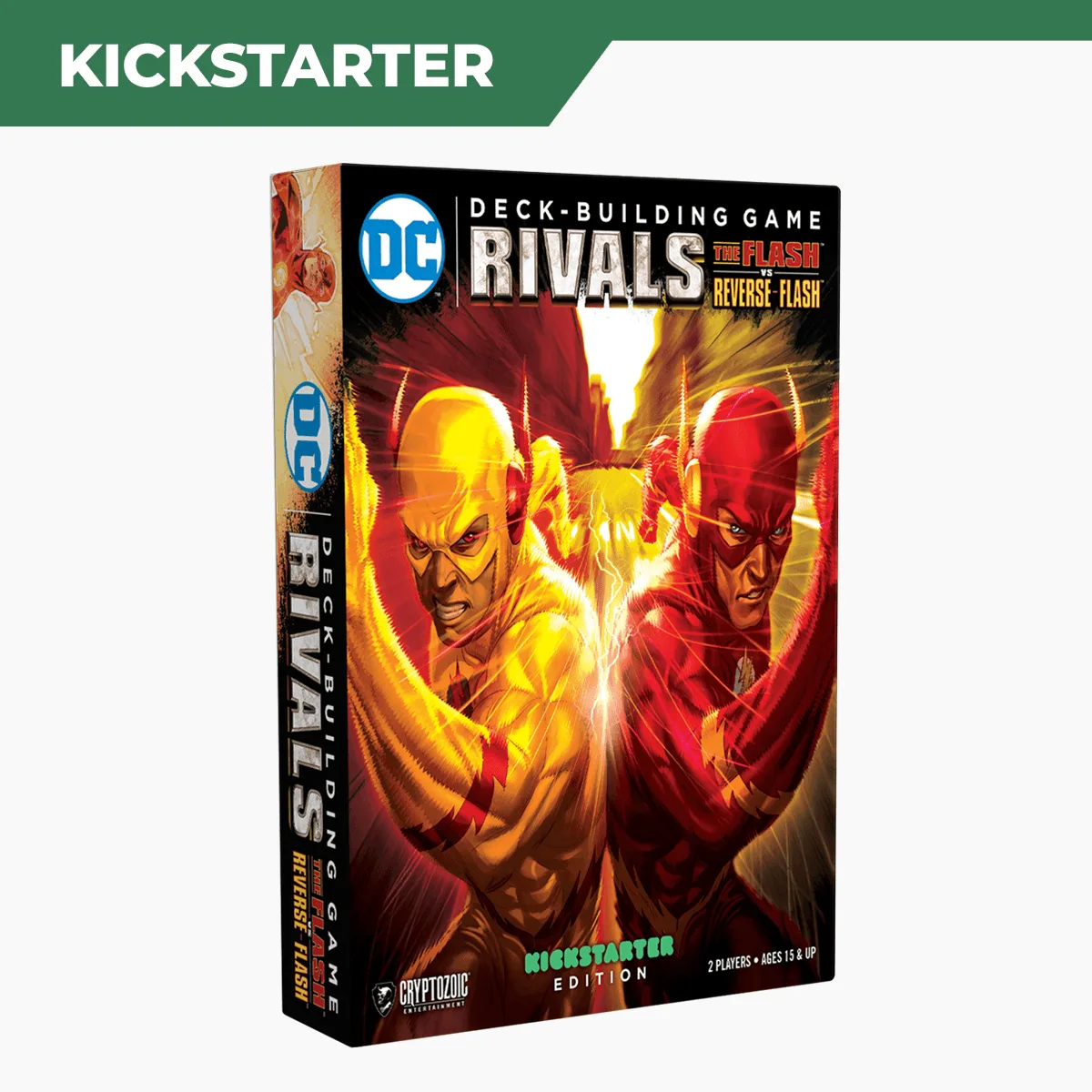
The Kickstarter version of this title was funded in May 2022 and released in Q1 2023. It includes the same core gameplay as the retail edition, so strategy advice applies to both. If you own the Kickstarter version, check whether your copy includes any promo cards, as they can add new options—but the core tactics below remain unchanged.
Step 1: Scout the Market and Your Starting Hand
Before your first buy, look at the market’s cost distribution. You want to identify which cheap cards (cost 2–3) can chain into your character’s early abilities. For The Flash, prioritize cards that let you draw or play extra cards, since speed and tempo are your edge. For Reverse-Flash, look for cards that disrupt your opponent’s deck or force them to discard, as your strength is control and attrition.
Common mistake: buying the most expensive card you can afford on turn one. A single cost-5 card often leaves you with a clunky deck that can’t trigger your character cards consistently. Checkpoint: if your first two buys don’t share a keyword or type with your character’s abilities, reconsider your plan.
Step 2: Build a Consistent Engine, Not a Pile of Power
Your deck’s average cost should stay low enough that you can play multiple cards per turn. In Rivals, you typically want a mix of cost-2 and cost-3 cards that provide card draw, extra buys, or power boosts. Speedsters like Kid Flash or Jay Garrick (if present in your market) help Flash chain actions, while Rogues like Captain Cold or Heat Wave give Reverse-Flash the control tools he needs to slow the opponent.
Common mistake: overloading on cost-4+ cards. They feel impactful but often sit in your hand while your opponent plays three smaller cards and outpaces you. Checkpoint: count your deck’s average cost after your third turn. If it’s above 3.5, you’re likely too slow.
Step 3: Time Your Character Card Upgrades
Each player has three unique Character cards with increasing costs and more formidable abilities. You don’t start with all three; you unlock them as you meet certain conditions or pay their costs. The key is to upgrade as soon as you can reliably afford the next tier without stalling your deck. For Flash, upgrading often means gaining extra plays or draws that let you chain multiple recruits in one turn. For Reverse-Flash, upgrades typically add discard pressure or negative effects on your opponent.
Common mistake: upgrading too early and then having no resources to buy cards for several turns. That gives your opponent a window to build unchecked. Checkpoint: before upgrading, make sure you have at least two cost-2 or cost-3 cards in hand that can still generate value that turn.
Step 4: Adapt to Your Opponent’s Strategy
In a two-player duel, you can see exactly what your opponent is buying. If they’re hoarding cheap cards, they’re building an engine—you may need to buy a disruptive card to slow them down. If they’re saving for expensive cards, you can race them with a faster deck. Reverse-Flash excels at punishing slow setups, while Flash can outpace a control deck if he isn’t disrupted early.
Common mistake: sticking to a pre-planned strategy regardless of what your opponent does. Rivals rewards flexibility. Checkpoint: after every market refill, ask yourself if your next buy helps you more than it helps your opponent.
Step 5: Close the Game with a Focused Push
Once your deck is running smoothly, shift from building to winning. In Rivals, you win by defeating your foe—usually by reducing their health to zero or completing a specific objective. Identify the turn where you can deal a large amount of damage or trigger a combo that ends the game. Don’t get distracted by buying more cards once your engine is sufficient.
Common mistake: continuing to buy cards after you have enough power to win, giving your opponent extra turns to recover. Checkpoint: if you can deal at least half of your opponent’s remaining health in one turn, start planning your final sequence instead of adding more cards.
Your Turn-by-Turn Checklist
- Turn 1–2: Establish a low-cost foundation: Buy two cost-2 or cost-3 cards that match your character’s keywords (Speedster for Flash, Rogue for Reverse-Flash). Avoid cost-4+ cards unless they directly enable your character card. Checkpoint: Your first two buys should be playable together in a single turn.
- Turn 3–4: Assess your deck’s consistency: If you can’t play at least three cards per turn, buy more draw or resource generators. If you can, consider saving for your first Character upgrade. Checkpoint: Count your average card cost—aim for 3.0 or lower before upgrading.
- Turn 5–6: Upgrade your character and pressure: Unlock your second Character card and start using its ability every turn. For Flash, chain extra plays; for Reverse-Flash, force discards or reduce your opponent’s options. Checkpoint: After upgrading, you should still have at least one buy per turn to maintain your deck.
- Turn 7+: Finish the game: Once your engine deals consistent damage or control, stop buying unless a card directly ends the game. Focus all actions on reducing your opponent’s health to zero. Checkpoint: If you can deal half your opponent’s remaining health this turn, go for the win instead of buying more cards.
Key Product Details
- DC Deck-Building Game: Rivals – The Flash vs. Reverse-Flash (KICKSTARTER VERSION): DC Deck-Building Game: Rivals – The Flash vs. Reverse-Flash (Kickstarter Version) was funded in May 2022 and released in Q1 2023. Each player has three unique Character cards with escalating abilities and costs. Knowing the release timeline helps you identify the Kickstarter edition, and the three-character structure means your upgrade path is fixed—plan your buys around unlocking those tiers efficiently.
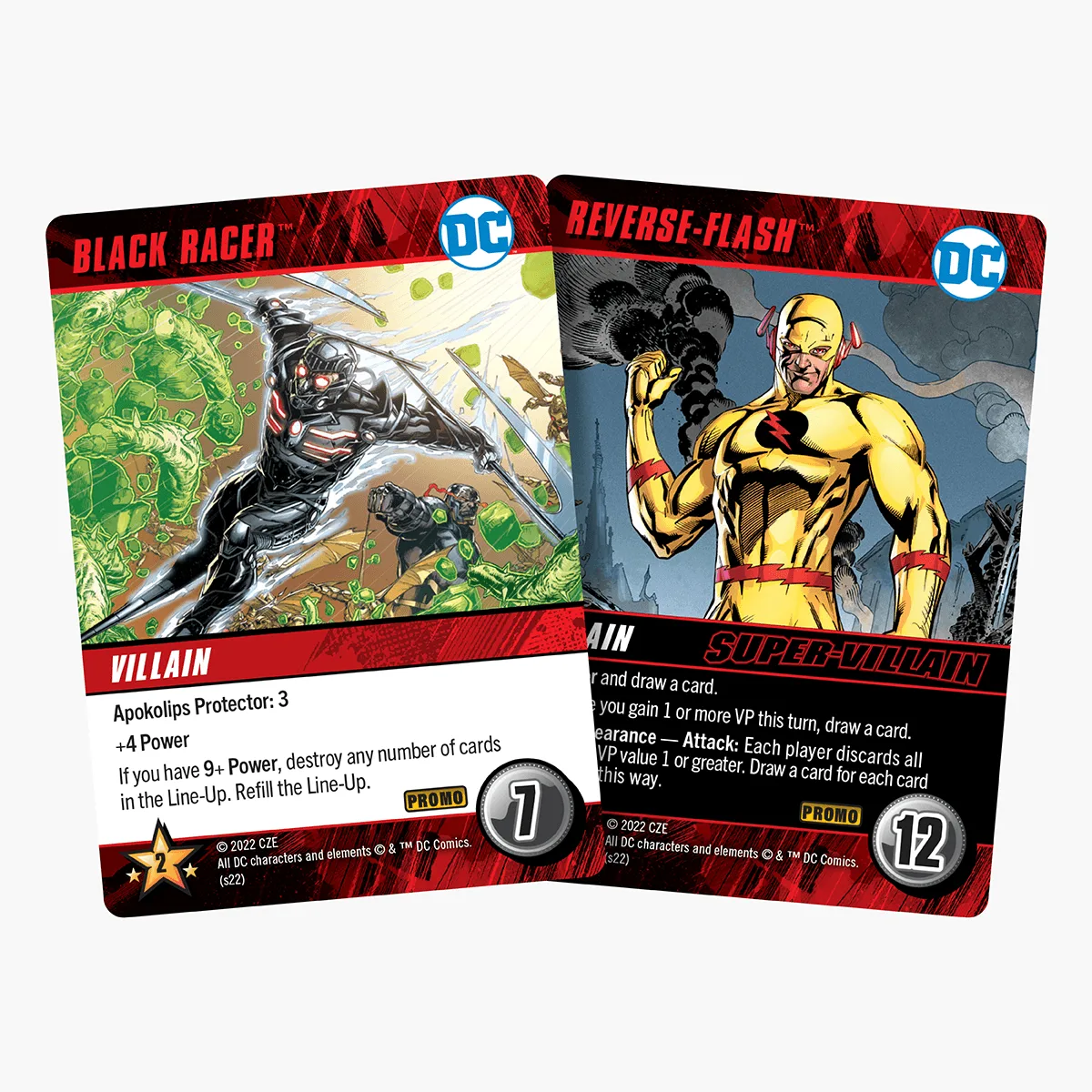
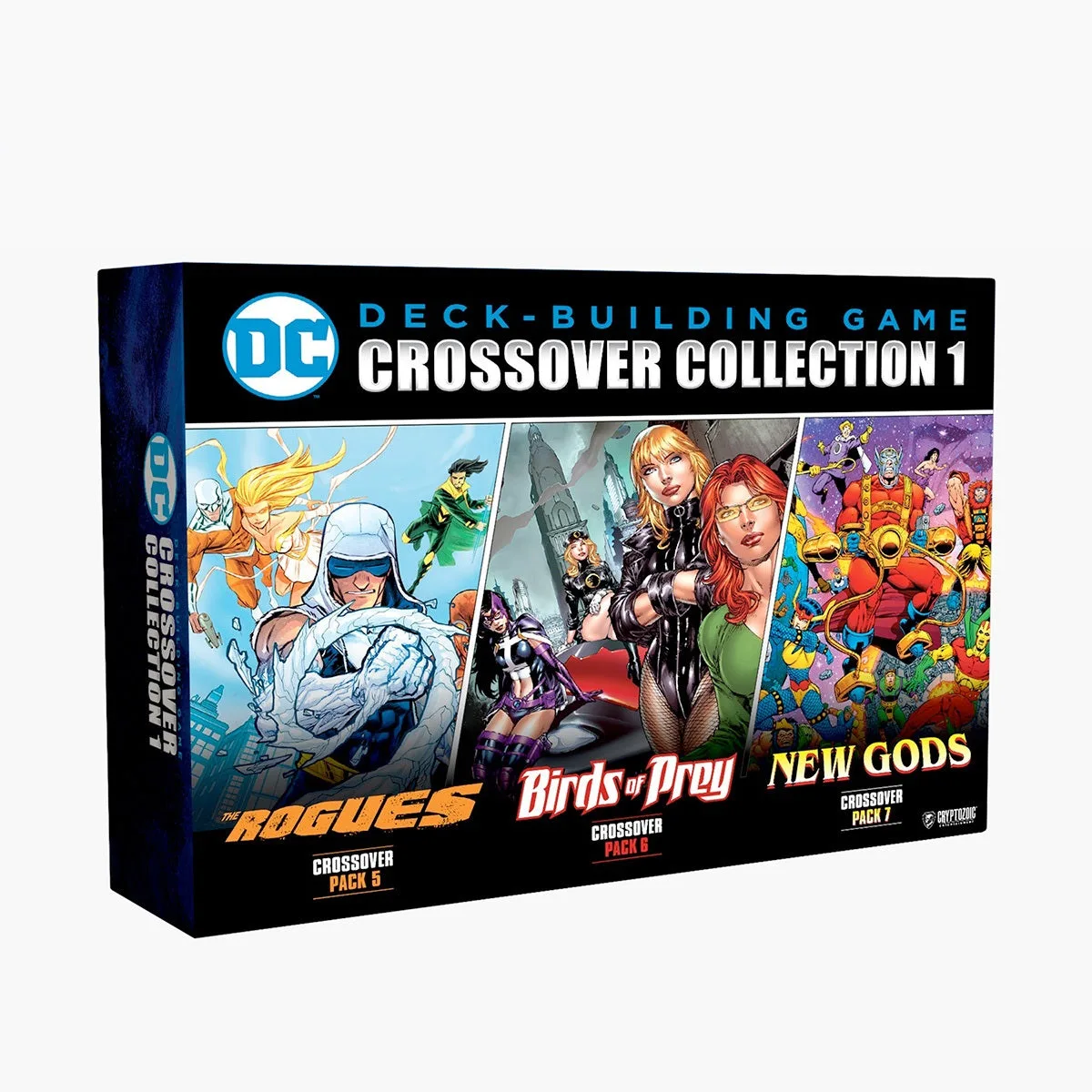
- DC Deck-Building Game: Black Racer and Reverse-Flash Promo Cards: The Black Racer and Reverse-Flash Promo Cards were created for the release of DC Deck-Building Game: Crossover Collection 1 and add new gameplay possibilities to any game in the series. If you own these promos, you can add them to your Rivals market for extra variety. They are optional, but they can introduce new combos—especially for Reverse-Flash players looking for more control options.