Quick answer
Choose Kodak GOLD 200 for vibrant snapshots in variable light or EKTACOLOR PRO 160 for fine-grained, accurate color in controlled conditions.
Speed and latitude differences
ISO 200 vs ISO 160 is a half-stop difference. In practice, GOLD 200’s wider exposure latitude forgives metering errors and handles mixed lighting better. EKTACOLOR PRO 160 is more precise; you’ll see the best results when you nail exposure.
Grain and color character
EKTACOLOR PRO 160’s ultrafine grain produces cleaner enlargements and scans, especially in shadow areas. GOLD 200 trades a touch of that fineness for richer saturation and a more classic, punchy look that many snapshot shooters prefer.
Trade-offs at a glance
- Grain and detail: EKTACOLOR PRO 160 has finer grain; GOLD 200 is slightly grainier but still very sharp.
- Color rendition: GOLD 200 delivers richer, more saturated colors; EKTACOLOR PRO 160 aims for accurate, natural reproduction.
- Exposure latitude: GOLD 200 forgives overexposure and underexposure better; EKTACOLOR PRO 160 rewards careful metering. If you meter carefully and want maximum quality, choose EKTACOLOR PRO 160. If you shoot quickly or in changing light, GOLD 200 is more forgiving.
Film facts
-
Kodak EKTACOLOR PRO 160 Color Negative Film - 35mm Roll Film, 36 Exposures, Single Roll (ISO 160): Daylight-balanced color negative film with ultrafine grain, accurate color reproduction, and stunning detail. Great for portraiture or product shots where you want natural skin tones and minimal grain.
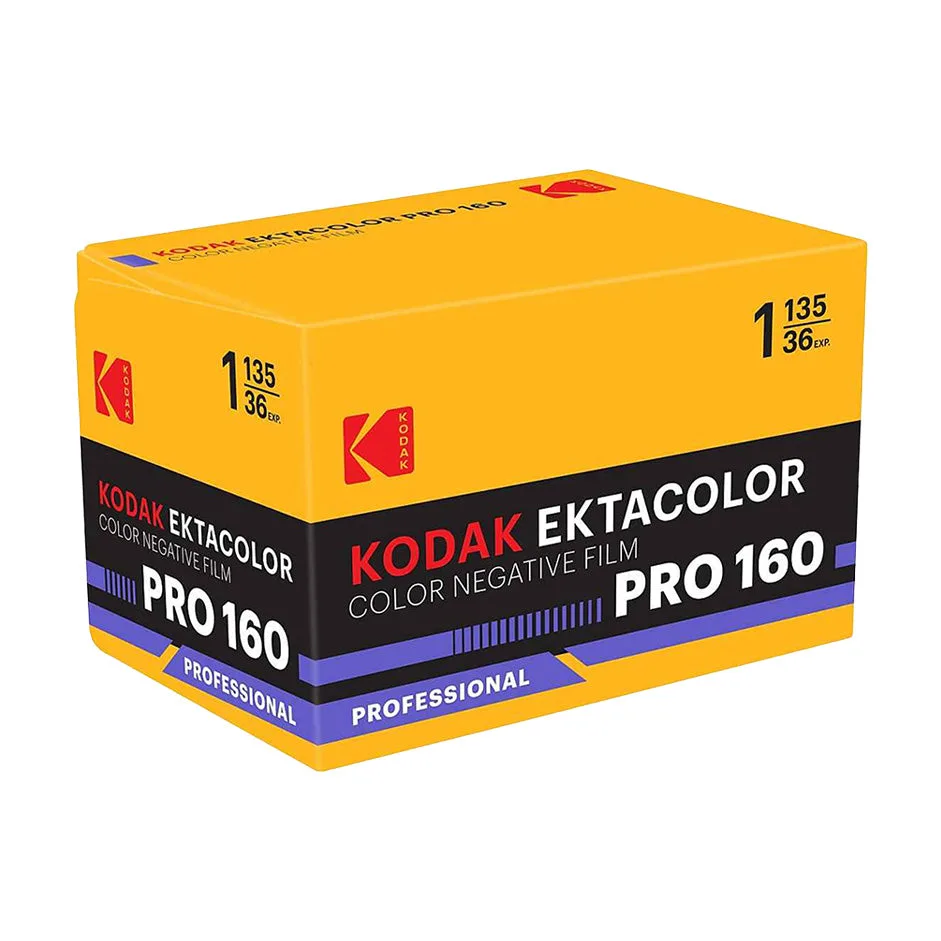
Kodak EKTACOLOR PRO 160 Color Negative Film - 35mm Roll Film, 36 Exposures, Single Roll (ISO 160)
-
Kodak GOLD 200 Color Negative Film - 3-Pack, 35mm Roll Film, 36 Exposures (ISO 200): Medium-speed daylight-balanced film with vivid color saturation, fine grain, and high image sharpness. Ideal for everyday shooting where you want bold, saturated colors straight from the scan.
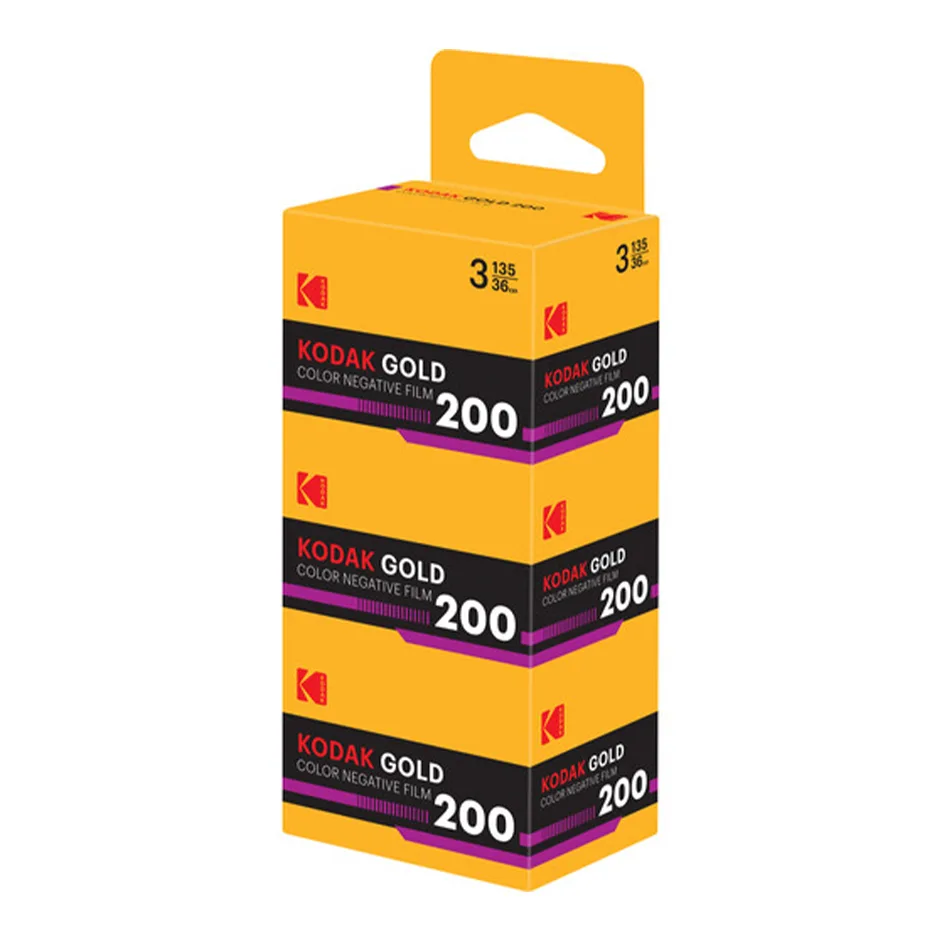
Kodak GOLD 200 Color Negative Film - 3-Pack, 35mm Roll Film, 36 Exposures (ISO 200)
Which one fits you?
Best for
- Shooters who want bold, saturated colors and forgiving exposure latitude (GOLD 200)
- Those who need ultrafine grain and accurate color for controlled studio or daylight work (EKTACOLOR PRO 160)
Not ideal for
- Low-light scenes without a tripod (both are slow films; consider ISO 400 or 800)
- Budget-conscious multi-roll buyers who want maximum value per exposure (GOLD 200 3-pack offers better per-roll pricing)