Quick answer
My Communication Book is a strong fit if you want a ready-made picture-based communication aid for a nonverbal, minimally verbal, or speech-delayed child, especially one who responds to bright visuals and simple language. It is not a substitute for speech therapy, and it is not the right first purchase if your child already uses a formal AAC device or needs custom vocabulary. Buy it when you want a low-prep, portable starter that works at home, in the classroom, or on the go.
What My Communication Book actually gives you
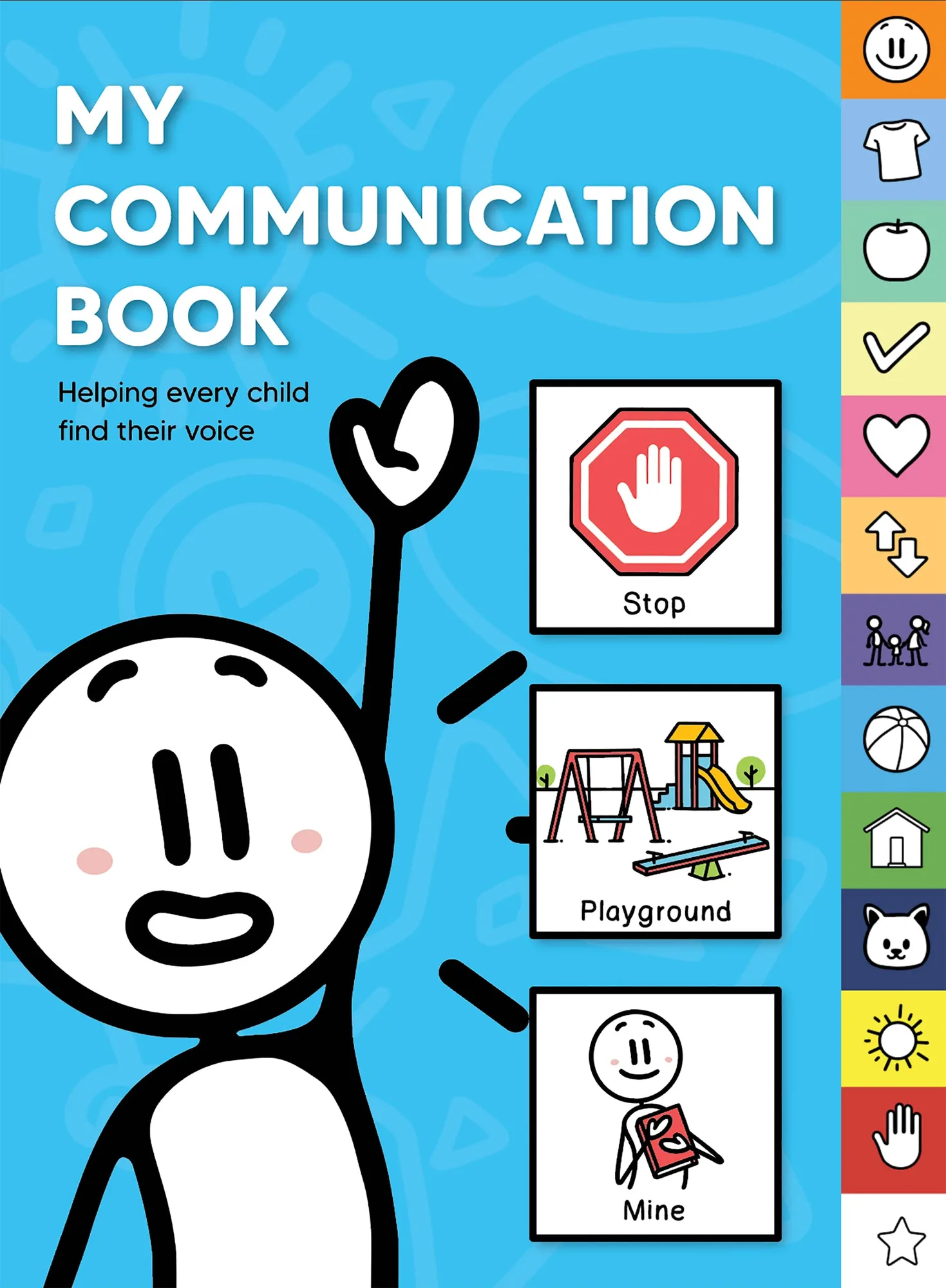
My Communication Book is a picture-based communication aid created by an Australian mum for her own daughter. It uses simple, bright visuals and easy-to-understand language so nonverbal, minimally verbal, and speech-delayed children can share needs, feelings, and everyday thoughts. Because the vocabulary is already chosen and printed, you can start using it the day it arrives instead of building a system from scratch. That matters for families who are waiting on therapy appointments or who need something workable right now.
How to introduce picture talk without overwhelming your child
Start with two or three pages that match your child's most urgent needs, such as food, a break, or a favourite item. Model the book yourself by pointing to a picture while you say the word, then pause and wait. Keep sessions short and low-pressure, and leave the book within reach during meals, transitions, and quiet time. At school, ask your child's teacher or aide to use the same pages so the vocabulary stays consistent across settings. If your child ignores the book at first, that is normal; keep it visible and keep modelling.
Where a printed picture book fits in your overall setup
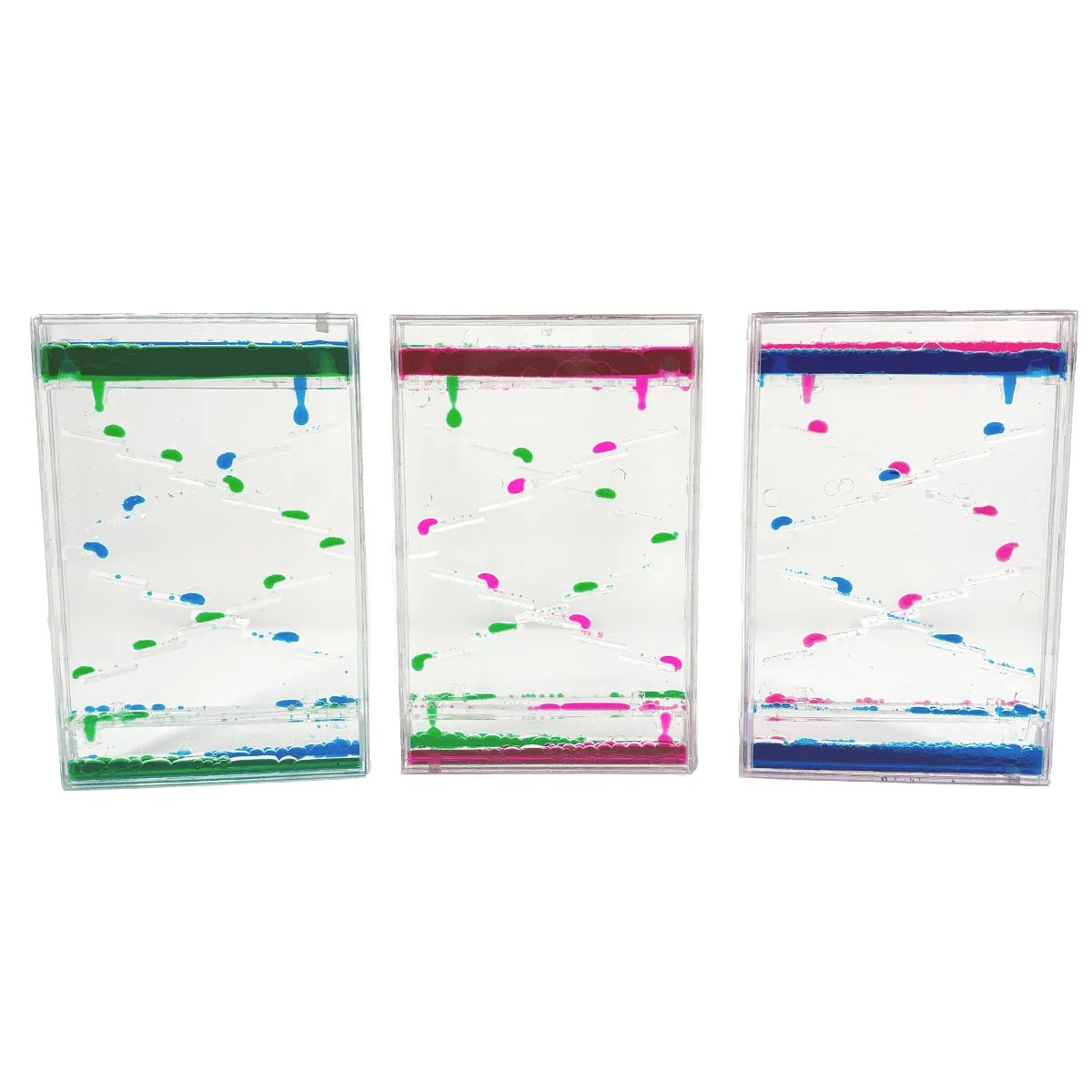
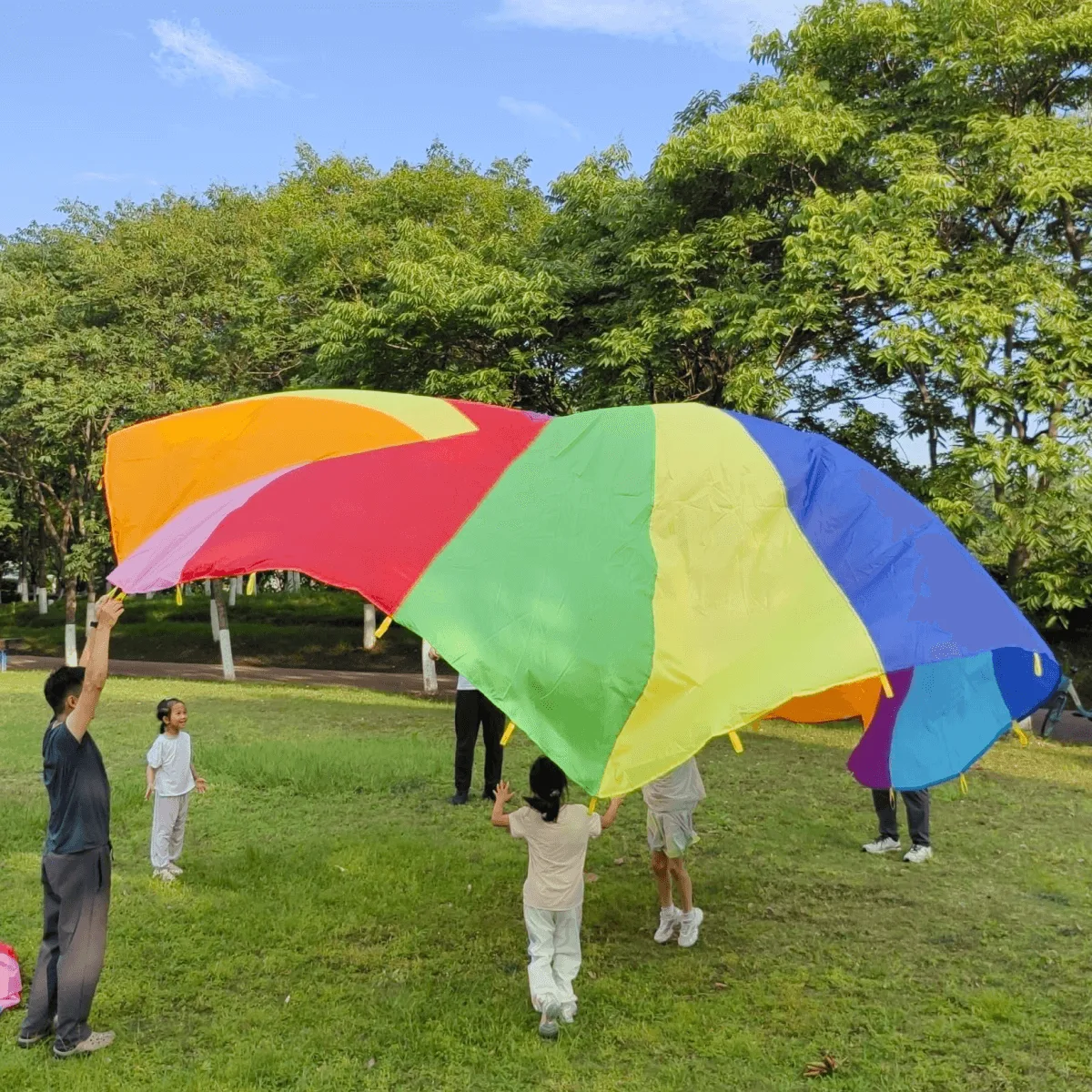
A printed book works best as one part of a sensory-aware routine, not as the only tool. Pair it with a visual timer or a calming object during transitions, and use movement or group play to reset attention before a communication session. The Cross-Over Liquid Timer is a practical transition cue because the diagonal flow gives a clear visual start and finish. The Rainbow Parachute is useful for group sessions where you want to practise requesting, turn-taking, and shared attention in a playful context. Choose one communication goal and one sensory support at a time so your child is not juggling new demands.
What to check before you buy
Confirm that your child is likely to attend to printed pictures rather than only to objects or screens. Check whether your school or therapist already uses a specific AAC system, because mixing two different symbol sets can slow progress. Consider whether you need custom vocabulary for medical, dietary, or personal care needs that a general book may not cover. Finally, decide whether you want a single portable book or a system you can expand; My Communication Book is a starter, so treat it as a first step you can build on with your therapy team.
Decision rules for choosing My Communication Book
- If your child is nonverbal or minimally verbal and has no current AAC system: Start with My Communication Book as a low-cost, low-prep introduction to picture-based communication. Model it yourself and keep it accessible during daily routines. Best first step when you need something usable today.
- If your child already uses a formal AAC device or a school-mandated symbol set: Do not replace or mix systems without checking with your speech therapist or school team. A different symbol set can create confusion and slow progress. Skip it unless your therapist recommends it as a supplement.
- If your child needs custom vocabulary for medical, dietary, or personal care needs: A general picture book may not cover every specific need. Use it as a base and add custom cards or a digital tool for specialised vocabulary. Plan to extend it rather than rely on it alone.
- If your child is highly mobile or tends to throw or tear paper materials: Consider how the book will be stored and supervised. A printed book works best when an adult can keep it within reach and intact during use. Pair it with a predictable routine and a safe storage spot.
Product facts
- My Communication Book – Picture-Based Tool to Give Every Child a Voice: My Communication Book is a picture-based communication aid created by an Australian mum for her own daughter, supporting nonverbal, minimally verbal, and speech-delayed children with simple, bright visuals and easy-to-understand language. You get a ready-to-use vocabulary set designed by a parent who needed it, so you can begin picture talk immediately rather than assembling your own cards.
- Rainbow Parachute for Kids and Classrooms, Two Sizes: The Rainbow Parachute is a classic group play tool with bold rainbow panels and strong grip handles that get a whole group lifting, rippling, and playing together. It creates repeated, motivating chances to practise requesting, waiting, and turn-taking, which supports communication goals in a group setting.
- Liquid Timer | Cross Over: The Cross-Over Liquid Timer features two vibrant coloured oils that flow diagonally across internal ramps, creating a calming visual effect that aids in reducing anxiety and enhancing focus during transitions or downtime. It gives a concrete visual cue to mark the start and end of a communication session, which can reduce resistance during transitions.
Who it fits and who should choose something else
Best for
- Families of nonverbal, minimally verbal, or speech-delayed children who need a ready-made picture communication aid to use at home
- Teachers and aides who want a consistent, portable picture vocabulary for classroom routines and transitions
- Parents waiting on therapy appointments who need a practical starter tool now
Not for
- Children who already use a formal AAC device or a school-mandated symbol system and should not mix tools without professional guidance
- Families who need fully customisable vocabulary for complex medical or personal care needs
- Buyers looking for a digital or app-based communication system