Quick answer
Choose polarized lenses for driving, water, snow, and bright open roads because they cut horizontal glare that non-polarized lenses leave in place. Choose non-polarized lenses when you need to read LCD screens, cockpit instruments, or some dash displays without a dark band or rainbow shift. If you want one pair that covers both, pick a polarized pair for outdoors and keep a non-polarized or computer lens for screen time.
What polarization actually changes
A polarized lens carries a filter that blocks light vibrating on one plane, which is the glare that bounces off water, car hoods, and wet pavement. A non-polarized lens still reduces brightness and UV, but it lets that reflected glare through, so you squint more on a bright road or at the pool. The trade-off is that the same filter can interact with LCD screens and some automotive displays, making them look dark or patterned from certain angles.
Match the lens to the light you actually face
Start with the brightest, most glare-heavy part of your day. If that is a commute or a weekend drive, polarization earns its place. If it is eight hours in front of a monitor, a computer lens is the better tool. If it is both, two pairs beat one compromise pair, and you can keep the second pair in the car or bag.
- Driving on wet or sunny highways: polarized cuts dashboard and road glare.
- Boating, fishing, or beach days: polarized reduces water glare so you see below the surface more clearly.
- Skiing or snow days: polarized helps with snow glare, but check that you can still read your phone or watch.
- Office and screen work: non-polarized or a dedicated computer lens avoids the dark band effect.
- Night driving: polarization is not the main tool; look for a night-specific lens instead.
Mirror finishes and gradient tints: style with a job
A silver mirror finish reflects extra light away from the eye, which is useful on water and snow, and it hides your eyes without changing the base tint. Gradient lenses are darker at the top and lighter at the bottom, so you get glare control when looking up and a clearer view of the dashboard or phone when looking down. Neither finish replaces polarization; they stack on top of it.
Fit and coverage change how much glare reaches your eyes
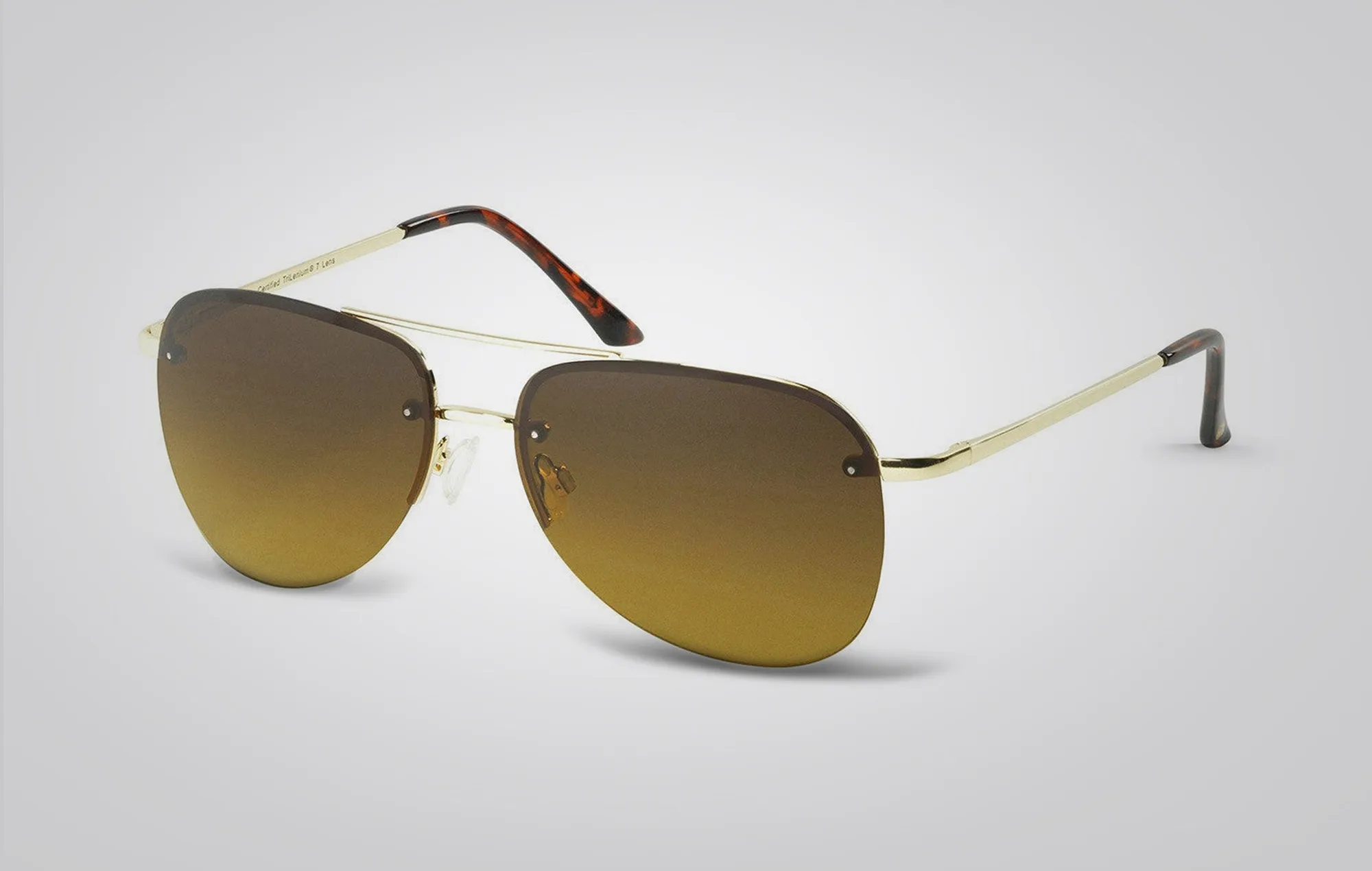
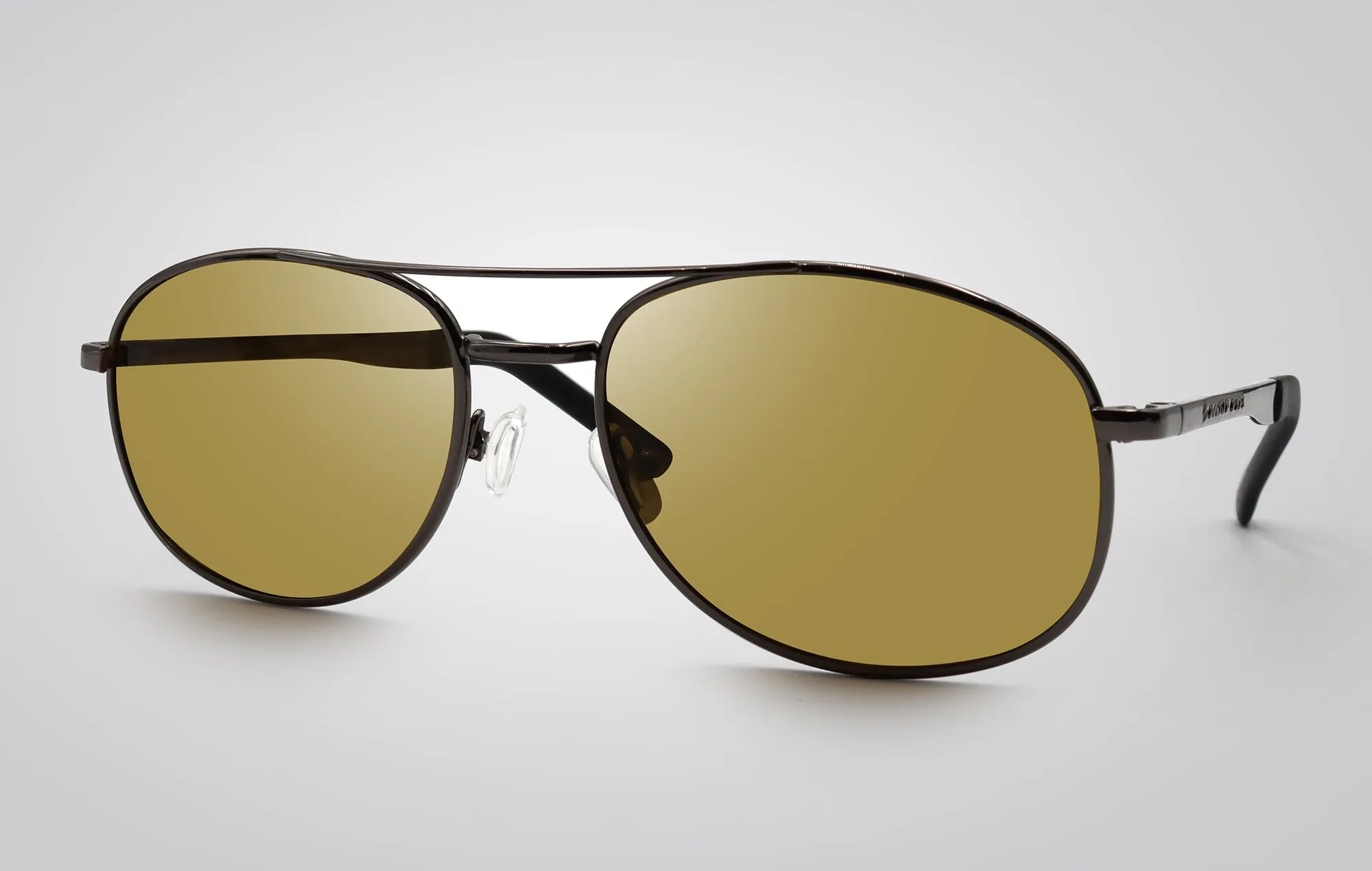
Even a good polarized lens loses value if light leaks in around the edges. A rimless aviator style like Larissa sits close to the brow and cheek, which reduces side glare, but it offers less wrap than a sport frame. If you drive a lot, look for a frame that follows the curve of your face and blocks light from the side. If you wear the sunglasses over a prescription pair, check that the temples do not press and that the lens sits far enough from your eyes to avoid lashes hitting the surface.
aviator
Decision rules for polarized vs non-polarized
- Rule 1: Glare first: If your main complaint is squinting at water, snow, or a bright road, choose polarized. If your main complaint is screen readability, choose non-polarized. Polarized for outdoors, non-polarized for screens.
- Rule 2: One pair or two: If you drive and work at a screen daily, two pairs (one polarized, one computer lens) remove the compromise. If you want one frame, a swappable system like 4in1 Classic covers more situations. Two pairs for daily split use; one swappable system for travel and flexibility.
- Rule 3: Check your displays: Before committing to polarized lenses for driving, sit in your car with a polarized pair and check the dashboard, GPS, and phone at the angles you actually use. If a critical display dims or rainbows, keep a non-polarized pair for that car.
- Rule 4: Match the tint to the task: Silver mirror for water and snow, gradient for driving and reading downward, and a lighter tint for low light. Do not use a dark polarized lens at night. Finish and tint are separate decisions from polarization.
Eagle Eyes lens options that fit these rules
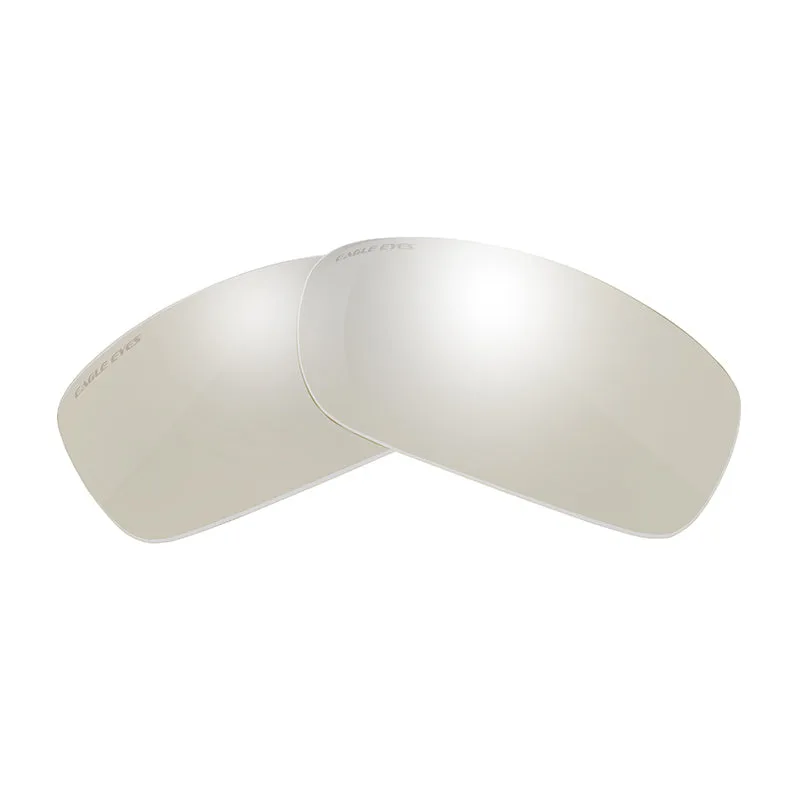
- RX Trilenium® Polarized Silver Mirror Lens: RX Trilenium® Polarized Silver Mirror Lens is a polarized lens with a silver mirror finish, offered under the LensAdvizor brand in the Standard option. This is the direct answer for glare-heavy driving and water days: polarization plus a mirror finish for extra reflected-light control.
- Larissa: Larissa is a rimless aviator style from Eagle Eyes® with TriLenium® 7 polarized gradient lenses, gold accents, and UV and blue light protection certified by the Space Foundation. A rimless aviator with gradient tint suits someone who wants polarized glare control with a lighter look and easier downward viewing.
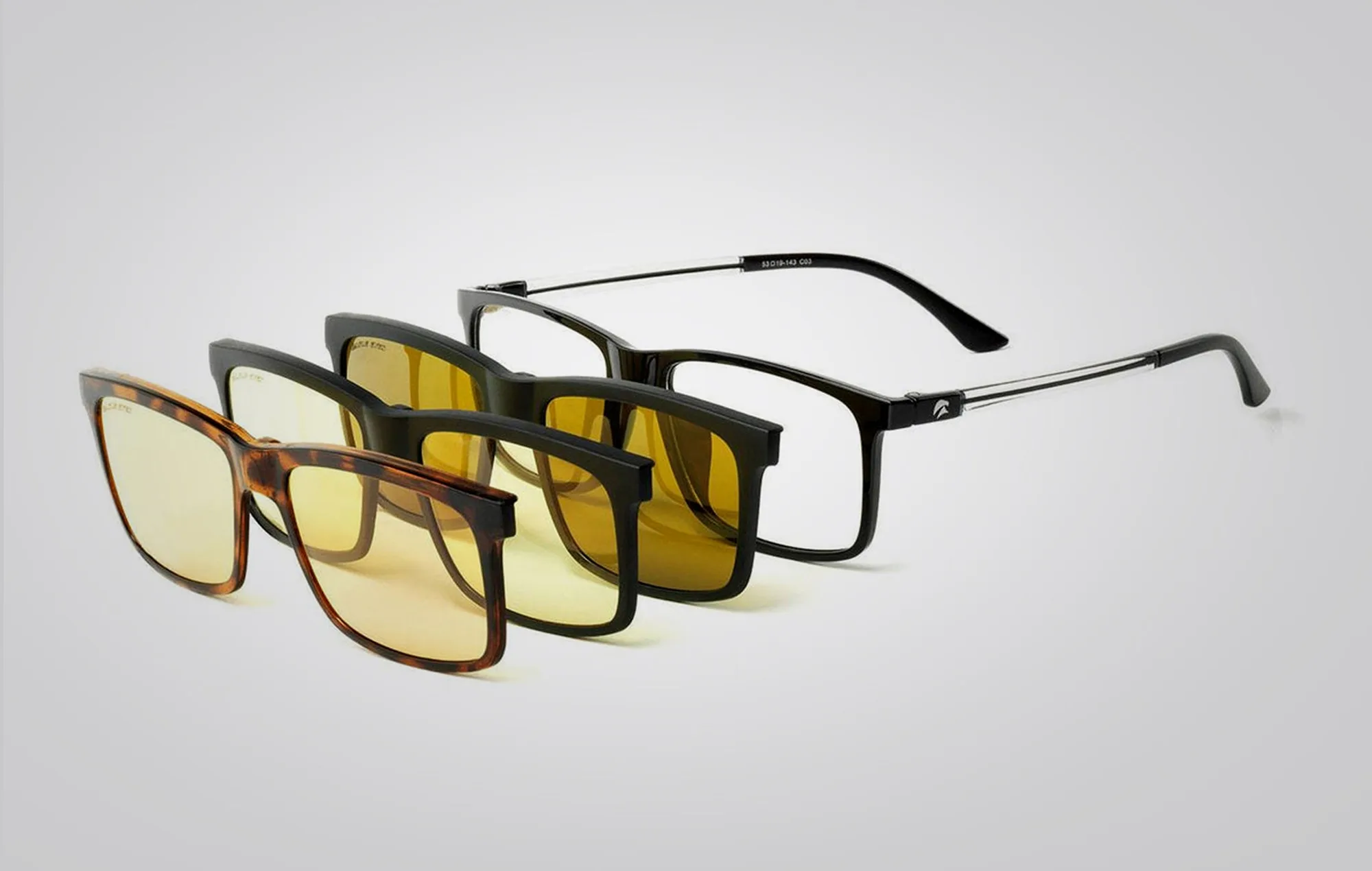
- 4in1 Classic: 4in1 Classic is a lightweight frame system with multiple lens technologies intended to move from sun to screen to low light to night. If you cannot decide between polarized and non-polarized, this system lets you swap lenses for the task instead of buying two separate pairs.
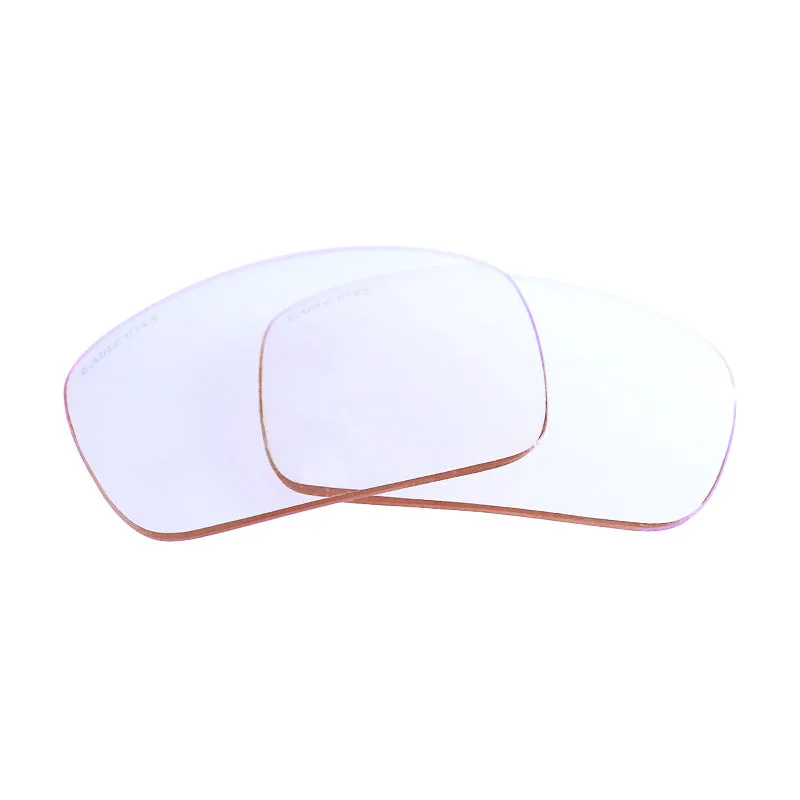
- Non-RX Computer Lens: Non-RX Computer Lens is a non-prescription lens option from LensAdvizor designed for computer use, offered under the Standard option. This is the non-polarized, screen-first choice for desk work, where a polarized lens can interfere with LCD readability.
Who should choose which
Best for
- Drivers and passengers who face wet-road or dashboard glare
- Boaters, anglers, and beachgoers who want to see through surface glare
- Skiers and snowboarders on bright snow
- Anyone who wants one outdoor pair with maximum glare control
Not for
- Pilots or drivers who rely on LCD instruments that dim or rainbow with polarized lenses
- Office workers who need clear screen readability all day
- Night driving, where a dark polarized lens is the wrong tool
- People who want a single pair for both screen work and bright sun without swapping lenses