Quick Answer
If you slept in your colored contacts, remove them as soon as you wake up, wash your hands thoroughly, and give your eyes a break. If you experience pain, redness, or blurred vision, contact an eye care professional immediately.
Sleeping in colored contacts is a common accident, but it's not without risk. Even a short nap can reduce oxygen flow to your cornea, increasing the chance of infection or irritation. Knowing what to do right after can make a big difference in protecting your eye health.
This guide walks you through the immediate steps to take, the signs that warrant professional care, and how to prevent it from happening again. While daily disposables are often more forgiving, no contact lens is approved for overnight wear unless specifically designed for it.
Immediate Steps to Take After Sleeping in Contacts
The first thing to do is wash your hands with soap and water, then dry them with a lint-free towel. This reduces the risk of transferring bacteria to your eye when you remove the lenses. If your eyes feel dry, apply a few drops of preservative-free rewetting drops before removal to help the lens slide off more easily.
Remove the lenses gently. If they feel stuck, do not pull or force them off. Add more rewetting drops and blink a few times to moisten the lens. Once removed, place them in a clean case with fresh contact lens solution—do not reuse old solution. Give your eyes a break by wearing glasses for the rest of the day, and avoid reapplying new contacts until any redness or irritation subsides.
- Never sleep in colored contacts again, even for a nap.
- If you wear daily disposables, throw them away immediately after removal.
- Have a backup pair of glasses on hand for days when your eyes need a rest.
Risks of Sleeping in Contact Lenses
Sleeping with contacts reduces oxygen supply to the cornea, which can lead to corneal swelling, dry eyes, and a higher risk of microbial keratitis—an infection of the cornea. The longer the lenses stay in, the greater the risk, especially if you sleep in them for several hours or overnight.
Extended wear can also cause tiny scratches on the eye's surface, making it easier for bacteria to enter. Symptoms like redness, pain, excessive tearing, or light sensitivity may indicate a problem. In severe cases, an untreated infection can lead to vision loss, so it's crucial to monitor your eyes closely after an overnight slip-up.
- Contact lens complications can escalate quickly; don't ignore persistent symptoms.
- Even if you feel fine, your eyes may be more vulnerable for a few days.
- Always follow the recommended replacement schedule for your lenses.
When to See an Eye Care Professional
If you experience any of the following after sleeping in your contacts, remove them and seek medical advice immediately: persistent pain, redness that worsens, blurred vision that doesn't clear with blinking, sensitivity to light, or a feeling that something is still in your eye. These could be signs of a corneal abrasion or infection.
Don't wait for symptoms to go away on their own. Early treatment is key to preventing more serious complications. Even if you feel fine, consider scheduling a check-up if you have a history of eye issues or if you slept in your contacts for an extended period. Your eye doctor can examine your cornea for any damage and recommend appropriate treatment.
- When in doubt, call your eye doctor—it's better to be safe.
- If you wear monthly or bi-weekly lenses, discard them if they were worn overnight and replace them with fresh ones.
Diagnosis Guide: What to Do After Sleeping in Contacts
- Symptom: You wake up and realize you slept in your colored contacts. Your eyes may feel dry, gritty, or slightly red. Don't panic. Most people do this once, and the risk is low if you act quickly.
- Likely cause: Reduced oxygen to the cornea and possible buildup of debris or bacteria on the lens surface. The longer the lenses stay in, the higher the risk of infection or corneal damage.
- Corrective action: Wash your hands, use rewetting drops, gently remove the lenses, and dispose of them if they are daily disposables. For reusable lenses, clean and disinfect them thoroughly. Give your eyes a break by wearing glasses for the rest of the day.
- When to stop or choose another option: If you experience persistent pain, redness, blurred vision, or light sensitivity, do not wait—see an eye care professional immediately. Seeking prompt treatment can prevent serious complications. Consider switching to daily disposables if this becomes a habit.
Products That May Help
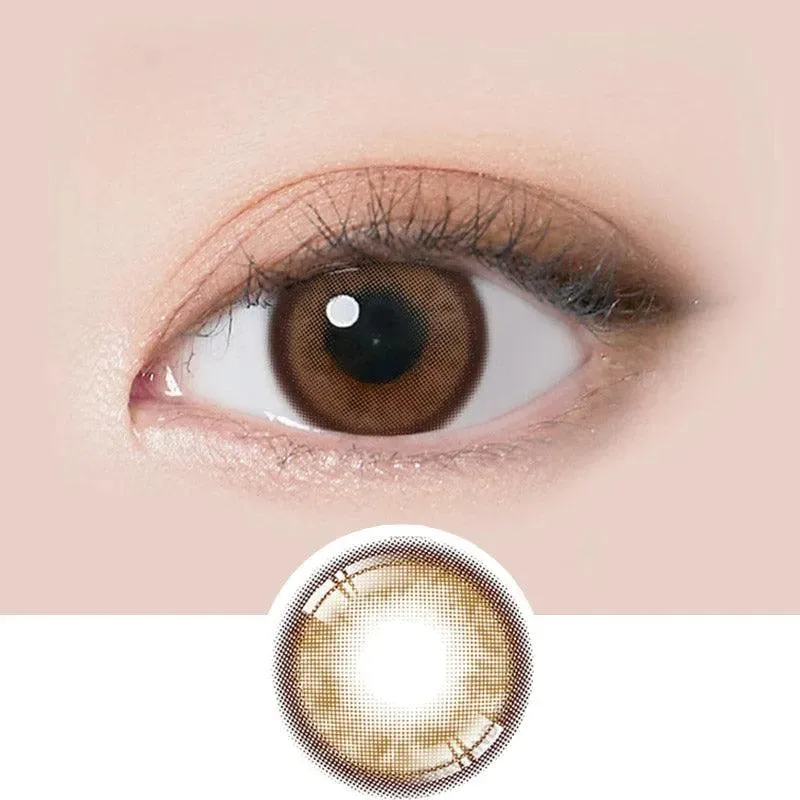
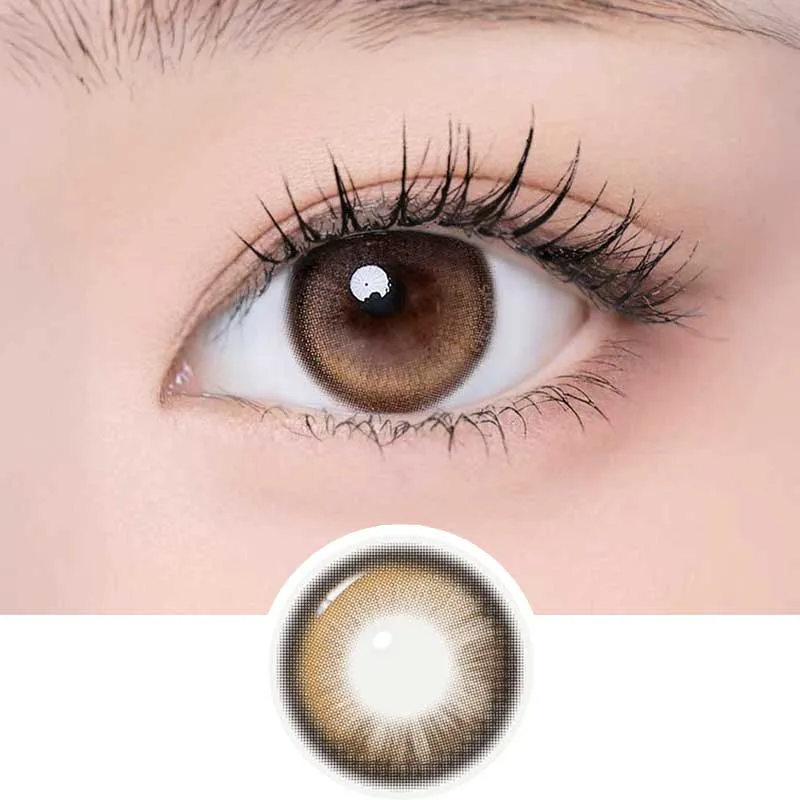
- i-Sha Molton 1-Day Amber Brown (10pk): Daily disposable lenses are sanitary and convenient, perfect for cold and allergy season! If you often forget to remove your contacts at night, daily disposables are a safer choice because you can start fresh every day with a sterile lens, reducing the risk of buildup and infection.
- Bausch & Lomb Lacelle Colors Sparkling Gold (30pk): Sold as a box containing 30 lenses of the same power. With a larger supply, you can easily replace lenses after an accidental overnight wear without worrying about running out. Just remember to follow your eye care professional's advice on replacement schedules.
Sleeping in colored contacts is never ideal, but it happens. By acting quickly and knowing the warning signs, you can protect your eyes from serious complications. And if you find it happening more than once, talk to your eye doctor about whether daily disposables might be a better fit for your lifestyle.