Quick answer
Treat white truffle olive oil as a finishing oil: add it off the heat, after cooking, so its aroma stays in the bottle and on the plate. Drizzle it over pasta, eggs, or warm vegetables right before serving. Heat is the one thing that reliably wastes it, so never use it as your cooking or frying oil.
Why this oil belongs at the end of cooking, not the start
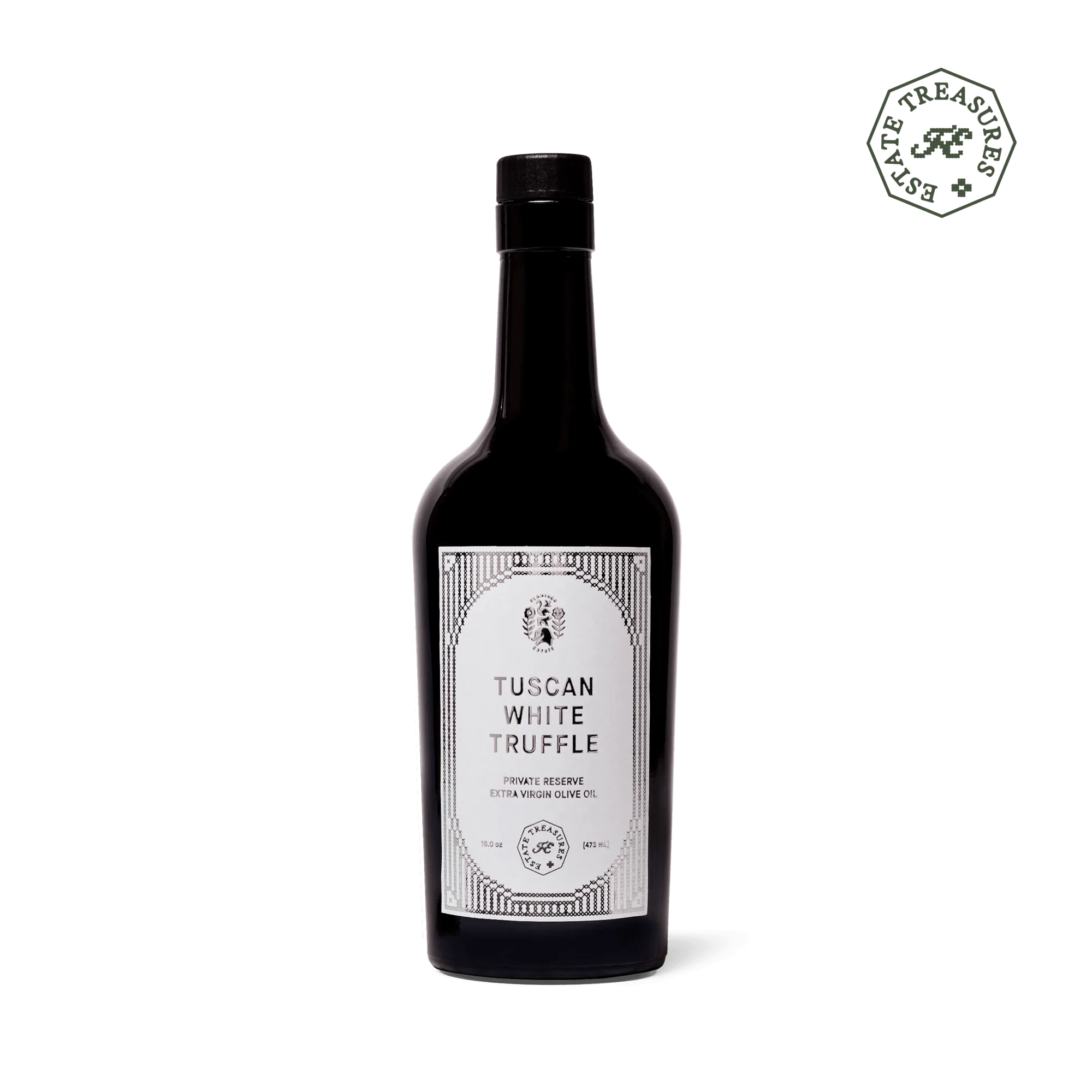
Most olive oil advice assumes you are cooking with it. This bottle is different. Flamingo Estate's White Truffle Extra Virgin Olive Oil is built around truffle aroma, and aroma is the first thing a hot pan drives off. If you sauté onions in it or use it to sear a steak, you spend a premium oil and taste almost none of what you paid for.
The practical rule: cook with your everyday olive oil, then finish with this one. That single change is the difference between a bottle that lasts a month of dinners and one that disappears into a pan with nothing to show for it.
What it pairs with best
Truffle aroma reads as earthy and savory, so it flatters plain, starchy, or creamy bases that can carry it: pasta, risotto, scrambled or fried eggs, mashed potatoes, polenta, white beans, and warm bread. It also works over mild vegetables like roasted cauliflower, mushrooms, and asparagus.
It clashes with anything already loud. Skip it on heavily spiced dishes, tomato-heavy sauces, and anything with strong vinegar or citrus, which flatten the truffle note. If you are building a plate, add the truffle oil last, after salt and pepper, so you can taste how much it actually needs.
How much to use per serving
Start with a small drizzle, roughly a teaspoon per plate, and taste before adding more. Truffle aroma is potent and it does not improve with volume; past a certain point it turns heavy and one-dimensional. A little over a bowl of pasta reads as luxurious. A lot reads as perfume.
Because you are using so little, a single bottle covers many meals. That is the argument for buying a truffle oil you actually like the smell of rather than the cheapest one on the shelf.
Storing it so the aroma survives
Keep the bottle capped, upright, and away from light and the stove. Heat and air are the two things that dull truffle aroma fastest, so a cool cupboard beats an open counter next to the range. A dark bottle helps, but the cap matters more than most people think.
If you only use a teaspoon at a time, decanting into a smaller bottle reduces the headspace and slows the decline. There is no need to refrigerate it, and cold oil will not drizzle evenly over hot food.
Seven steps to use it without wasting a drop
- 1. Cook the dish with your everyday oil first: Sauté, roast, boil, and season with your normal cooking oil. Leave the truffle bottle on the counter until the dish is off the heat. Checkpoint: if the pan is still hot enough to sizzle, it is too early to add this oil.
- 2. Plate the food while it is still warm, not hot: Warm food releases aroma; steaming-hot food drives it off. Let pasta or eggs rest for a minute after cooking, then plate. Common mistake: drizzling straight from a screaming pan, which sends most of the aroma into the room instead of the plate.
- 3. Drizzle about a teaspoon per serving: Use a spoon rather than a free pour so you control the amount. Toss gently or leave it as a ribbon on top. Checkpoint: taste one bite before adding more. You can always add, but you cannot take it back.
- 4. Finish with salt and acid after the oil, not before: Add flaky salt and a small squeeze of lemon or a few drops of vinegar after the truffle oil, then taste again. Common mistake: heavy acid or vinegar added first flattens the truffle note and makes you pour more oil to compensate.
- 5. Wipe the bottle neck and cap it immediately: A quick wipe stops sticky residue from building up and keeps the cap sealing properly between uses. Checkpoint: if the neck feels tacky, the cap is not sealing, and air is getting in.
- 6. Store it cool, dark, and upright: A cupboard away from the stove beats an open counter. Keep the bottle standing so oil does not pool in the cap. Common mistake: leaving it beside the range, where steady heat dulls the aroma faster than anything else.
- 7. Use the last tablespoon on something plain: When the bottle is nearly empty, pour the remainder over warm bread, potatoes, or eggs rather than into a pan. Next step: note which pairing you liked best so your next bottle goes further.
The bottle behind these steps
- White Truffle Extra Virgin Olive Oil: White Truffle Extra Virgin Olive Oil from Flamingo Estate, priced at USD 65.12 against a catalog comparison price of USD 88.00. At this price, the finishing-only approach is not fussiness. Using a teaspoon per plate instead of a quarter cup per pan is what makes the bottle economical.