Quick answer
If your nursing cover feels too hot, the fix is usually airflow and fabric weight rather than less coverage. Try a lighter, breathable cover with a boatneck opening, dress yourself and baby in fewer layers, and feed in the coolest spot you can find. If you are still sweating through every feed, switch to a design that lets you see and ventilate baby instead of adding more fabric.
Symptom: you and baby are both flushed and damp after feeding
A cover that traps heat shows up the same way every time: your chest and baby's head feel clammy, the fabric sticks to your skin, and you both need a few minutes to cool down after feeding. This is different from a cover that simply feels warm to the touch. The tell is what happens during the feed, not before it.
- Baby's face is red or damp when you lift the cover.
- You feel hotter under the cover than you do in the same room without it.
- The fabric clings to your skin instead of hanging away from it.
Likely cause: the fabric traps heat and blocks airflow
Heavy or tightly woven fabric holds warmth against your body, and a cover with no structured opening traps the air you and baby exhale. That is why a cover can feel fine in an air-conditioned room and unbearable outdoors. It is also why two covers made from similar-looking material can perform very differently depending on how they sit on your shoulders.
- Thick, dense fabric holds heat instead of letting it escape.
- A closed neckline with no viewing gap keeps warm air in.
- Layering a cover over a sweater or sleep sack adds heat you cannot remove mid-feed.
Corrective action: change airflow before you change coverage
Start by removing one layer from yourself and one from baby, then feed in the coolest part of your home or in shade if you are outside. Choose a cover with a boatneck or open neckline so air can move and you can see baby without lifting the fabric. A cover that hangs away from your body instead of wrapping tight will feel cooler even when the material is the same weight.
- Feed in shade or near a fan, and avoid direct sun on the cover.
- Wear a light, single-layer top under the cover instead of a sweater.
- Choose a design with a viewing opening so you are not lifting fabric to check on baby.
- Keep a cool drink nearby and take a break if you feel lightheaded.
When to stop using a cover and try something else
If you have tried lighter clothing, a cooler room, and a breathable cover and you are still overheating, the cover itself may not be the right tool for that feed. Some parents do better with a carrier or a two-shirt method in hot weather. There is no rule that says every feed needs a cover, and switching does not mean you failed at discreet feeding.
- You dread feeds because of the heat rather than the feeding itself.
- Baby consistently wakes up fussy and damp after being covered.
- You are feeding in extreme heat and cannot find a cool, shaded spot.
Diagnose your overheating cover in three checks
- Check the neckline: Look at whether your cover has a boatneck or viewing opening. A closed neckline traps warm air and forces you to lift fabric to see baby. If there is no opening, that is your first fix. Choose a boatneck design before you buy anything else.
- Check your layers: Count what you and baby are wearing under the cover. Two layers on you and a sleep sack on baby is often enough to cause overheating even with a light cover. Remove one layer from each of you and try the same feed again before blaming the cover.
- Check the environment: Note where you feed: direct sun, a warm room, or a closed space with no airflow. A cover that works in air conditioning can fail outdoors in summer. Move to shade or a fan. If you are still too hot after all three checks, switch to a carrier or two-shirt method for that feed.
Products that help with heat and airflow
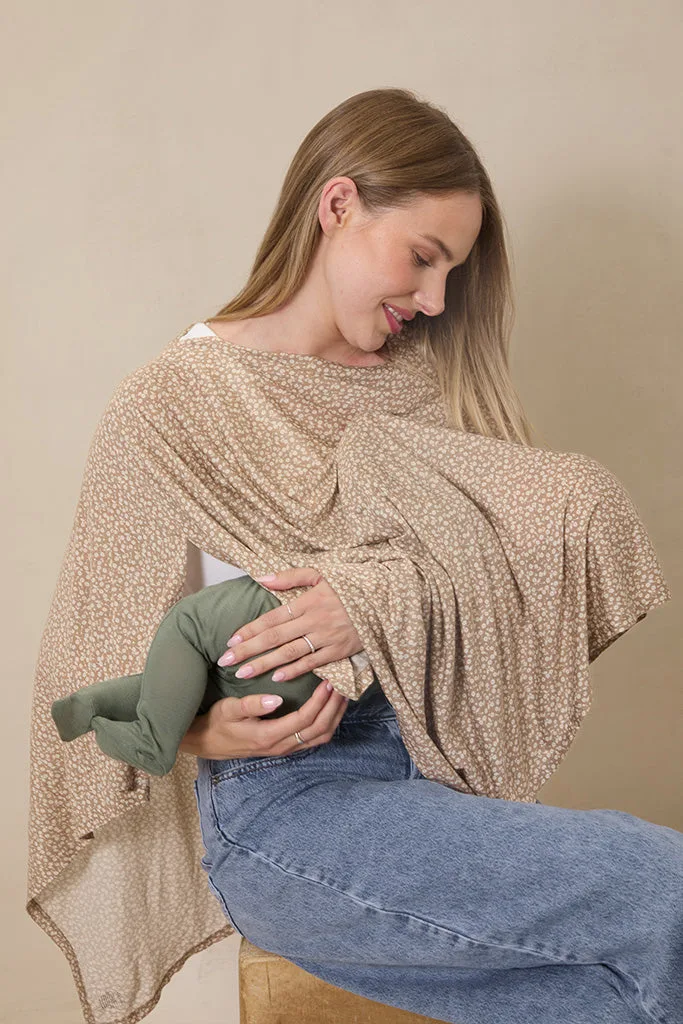
- Cream Floral Nursing Cover: The Cream Floral Nursing Cover has a timeless boatneck design that makes for easy viewing, so you can keep tabs on your little one throughout their feeding. The open boatneck shape lets air move and lets you check on baby without lifting the fabric, which is the single biggest change you can make when a cover feels too hot.
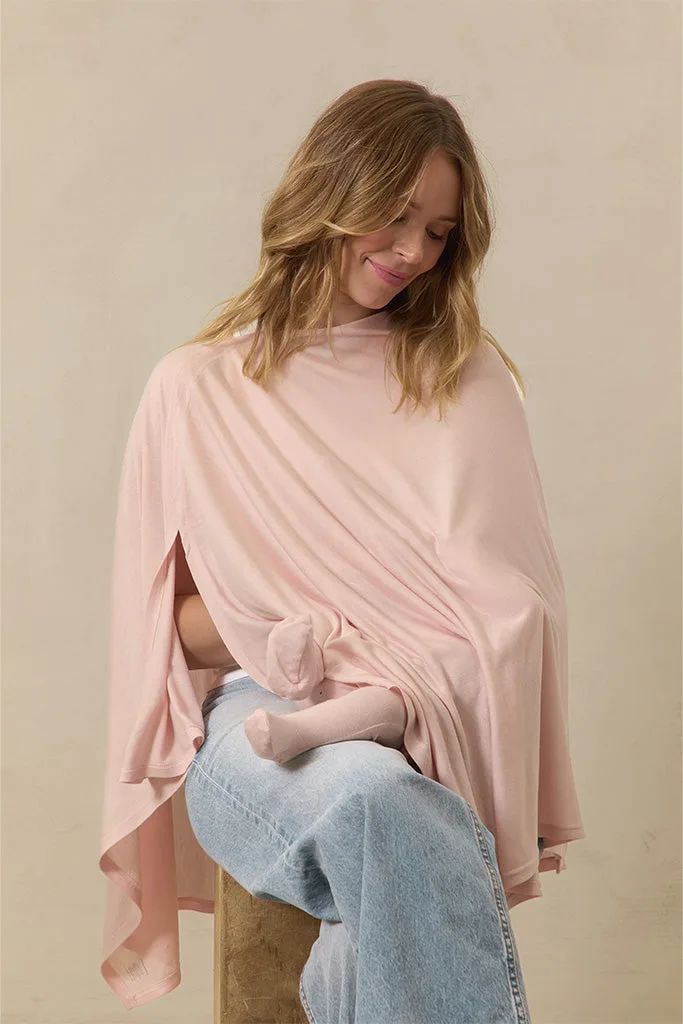
- Ballet Nursing Cover: The Ballet Nursing Cover is a multifunctional nursing cover designed for a quiet space to breastfeed without distraction or extra privacy while pumping. If you want the same airflow-friendly boatneck shape in a different print, this is the lighter-feeling option to compare against your current cover.
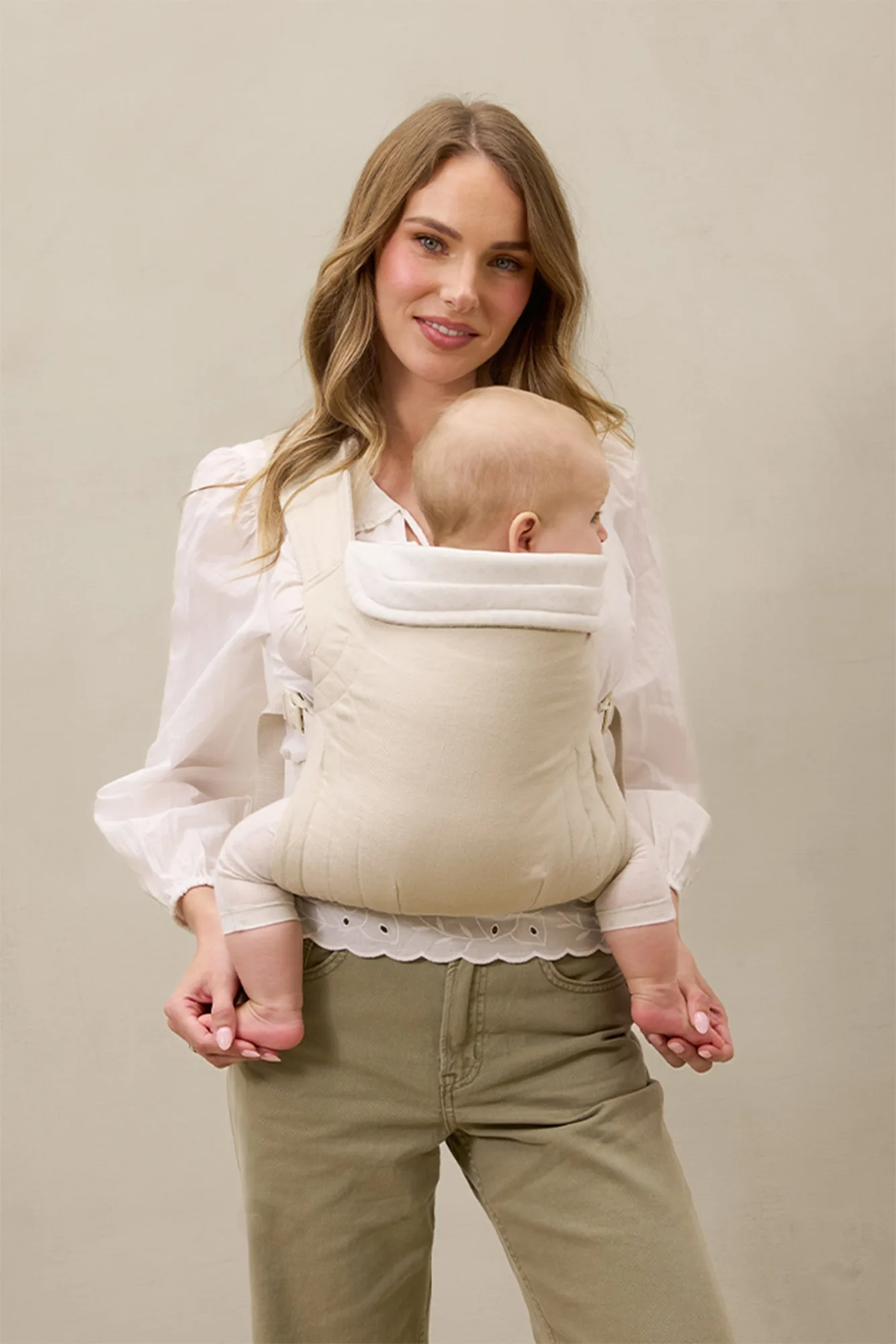
- Oat Heritage Dot Soft Buckle Carrier: The Oat Heritage Dot Soft Buckle Carrier is a baby carrier designed with added structure, and it can be bundled with the Solly Wrap as part of The Solly System. If a cover keeps overheating you, a structured carrier can be a cooler alternative for hands-free feeding and carrying, especially when you want baby upright and ventilated.