Quick answer
To exchange an Aarke CO2 cylinder, unlock the empty cylinder from the base, lift it out, insert a fresh food-grade CO2 cylinder, and lock it firmly until it seats. The Carbonator Pro uses a Push-to-Lock mechanism for one-handed operation, while the Carbonator 3 twists and locks. Always recycle the empty cylinder at a metal recycling point or retailer take-back.
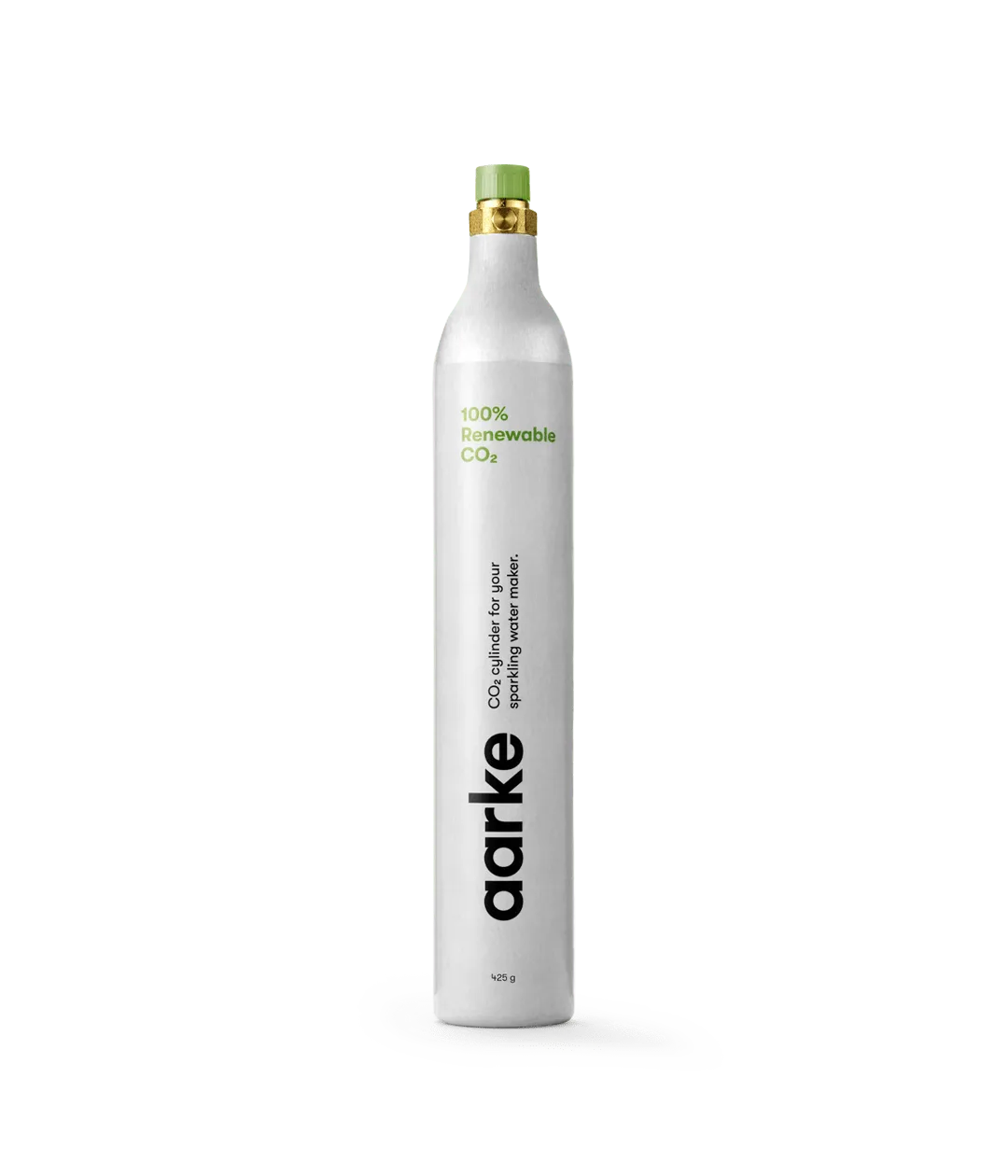
CO2 cylinder
What you need before you start
You need one fresh Aarke CO2 cylinder (or a compatible food-grade CO2 cylinder) and a stable countertop space. Aarke starter kits include one gas cylinder filled with 100% renewable, high-quality food-grade CO2 gas produced in the European Union, so your first exchange may come months after setup. Check the cylinder thread and valve for dust or damage before inserting. Do not use tools to force the cylinder; hand-tight is enough.
How to remove the empty cylinder
Place the Carbonator on a flat surface. For Carbonator 3, turn the base collar counterclockwise until the cylinder drops slightly. For Carbonator Pro, press the Push-to-Lock release and twist the cylinder base to unlock. Tilt the unit slightly and let the cylinder slide out into your hand. A common mistake is unscrewing too fast and letting the cylinder fall; support it with your other hand. If the cylinder feels stuck, do not pry it with a knife — check that the locking collar is fully open.
How to insert a fresh cylinder
Hold the new cylinder upright and align the threaded neck with the carbonator's socket. Turn clockwise by hand until you feel the first resistance, then continue until the collar or Push-to-Lock mechanism clicks or stops. Do not overtighten; the seal is made by the rubber gasket, not by force. A common mistake is cross-threading the cylinder, which causes leaks and wasted gas. If the cylinder wobbles after locking, unlock it and re-seat it straight.
Test for leaks and carbonation
After locking, press the carbonation button once without a bottle attached for a half-second. Listen for a hiss at the cylinder connection. If you hear a continuous leak, unlock, check the gasket for debris, and re-lock. Then fill the bottle to the fill line with cold water and carbonate as usual. A common mistake is testing with warm water, which holds less CO2 and makes you think the cylinder is weak. Cold water gives the crispest bubbles and confirms the exchange worked.
Recycling and storing empty cylinders
Empty Aarke cylinders are steel and can be recycled at most municipal metal recycling centers or retailer take-back programs. Do not puncture, crush, or throw the cylinder in household trash. Store spare cylinders upright in a cool, dry place away from direct sun and heat. If you use a Small PET Water Bottle for single servings, keep it capped between uses to preserve bubbles, but remember PET bottles are not designed for long-term storage of carbonated water under pressure. Replace the bottle when it becomes scratched or cloudy.
Step-by-step CO2 cylinder exchange
- Unlock and remove the empty cylinder: Turn the base collar counterclockwise (Carbonator 3) or press Push-to-Lock and twist (Carbonator Pro) until the cylinder releases. Support it with your hand as it slides out. Checkpoint: the cylinder should drop freely without force. If stuck, open the collar fully before pulling.
- Inspect the new cylinder and gasket: Check the threaded neck and rubber gasket for dust, cracks, or debris. Wipe with a dry cloth if needed. Do not use lubricants. A damaged gasket is the most common cause of leaks after exchange. Replace it if worn.
- Insert and lock the fresh cylinder: Align the cylinder upright and turn clockwise by hand until the collar or Push-to-Lock clicks or stops. Do not overtighten. Checkpoint: the cylinder should not wobble. If it does, unlock and re-seat it straight.
- Test for leaks: Press the carbonation button once without a bottle for a half-second. Listen for a hiss at the connection. A continuous hiss means a leak. If leaking, unlock, clean the gasket, and re-lock. Never use tools to force a seal.
- Carbonate a test bottle: Fill your Aarke bottle with cold water to the fill line and carbonate as usual. Cold water absorbs CO2 better and gives a clearer test. Good bubbles confirm the exchange worked. If carbonation is weak, check that the cylinder is fully locked.
- Recycle the empty cylinder: Take the empty cylinder to a municipal metal recycling center or a retailer take-back program. Do not puncture or put it in household trash. Empty steel cylinders are recyclable. Store spares upright in a cool, dry place.
Product facts
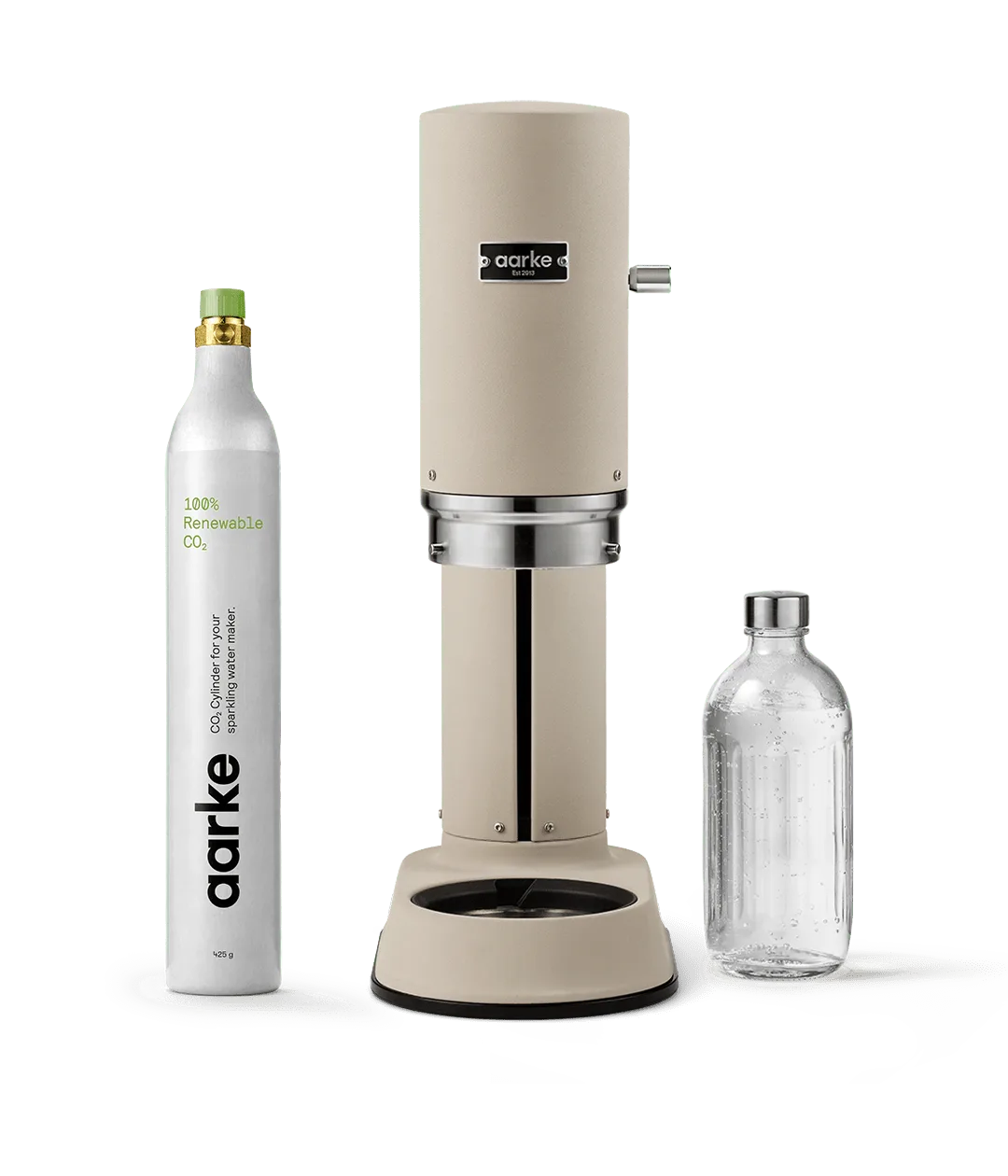
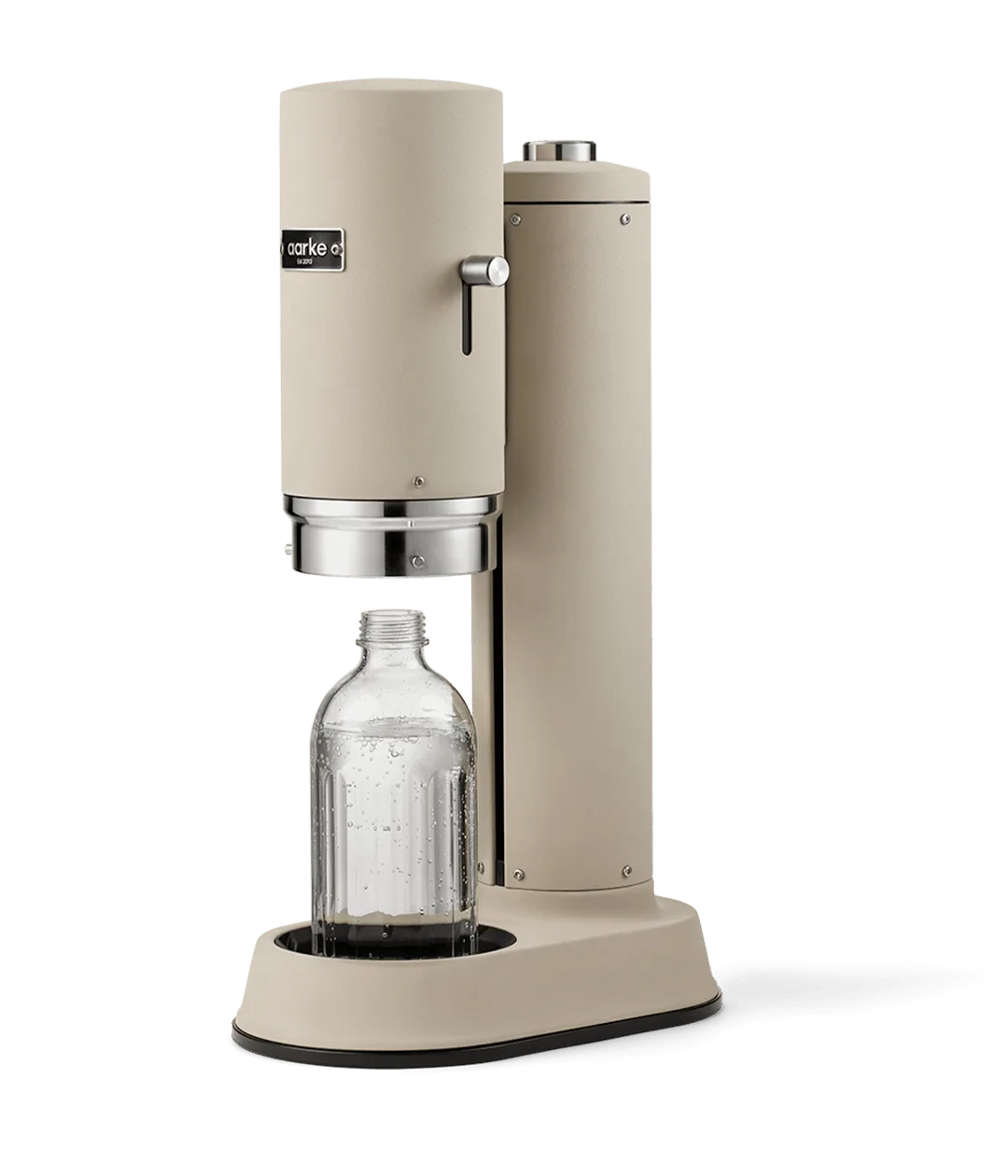
- Carbonator Pro Sand Starter Kit: Carbonator Pro Sand Starter Kit includes one gas cylinder filled with 100% renewable high-quality food-grade CO2 gas, produced in the European Union. You get a full cylinder to start, and the Push-to-Lock mechanism makes cylinder changes one-handed.
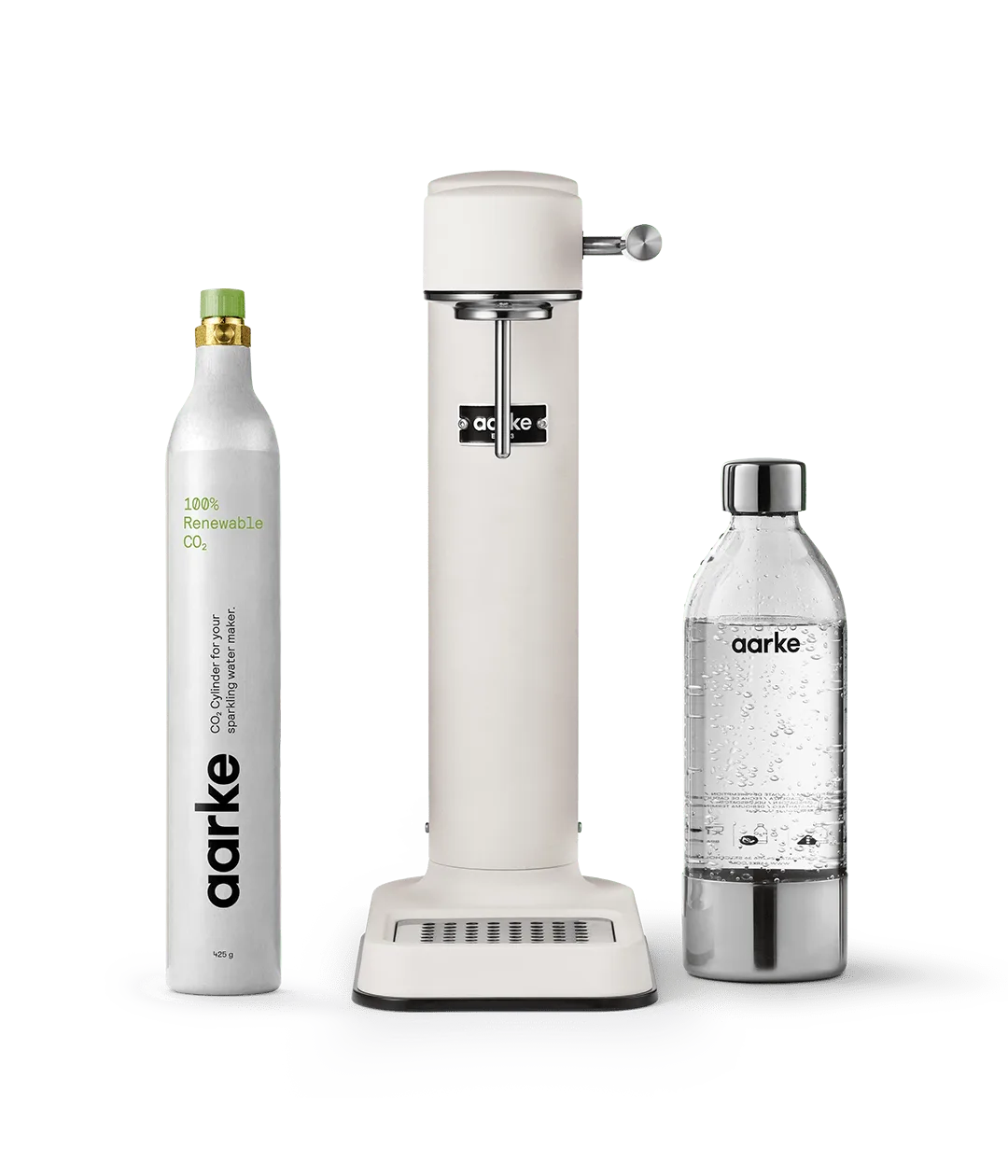
- Carbonator 3 Matte White Starter Kit: Carbonator 3 Matte White Starter Kit includes one gas cylinder filled with 100% renewable high-quality food-grade CO2 gas, produced in the European Union. The twist-lock base is straightforward for beginners; the included cylinder means you can carbonate immediately.
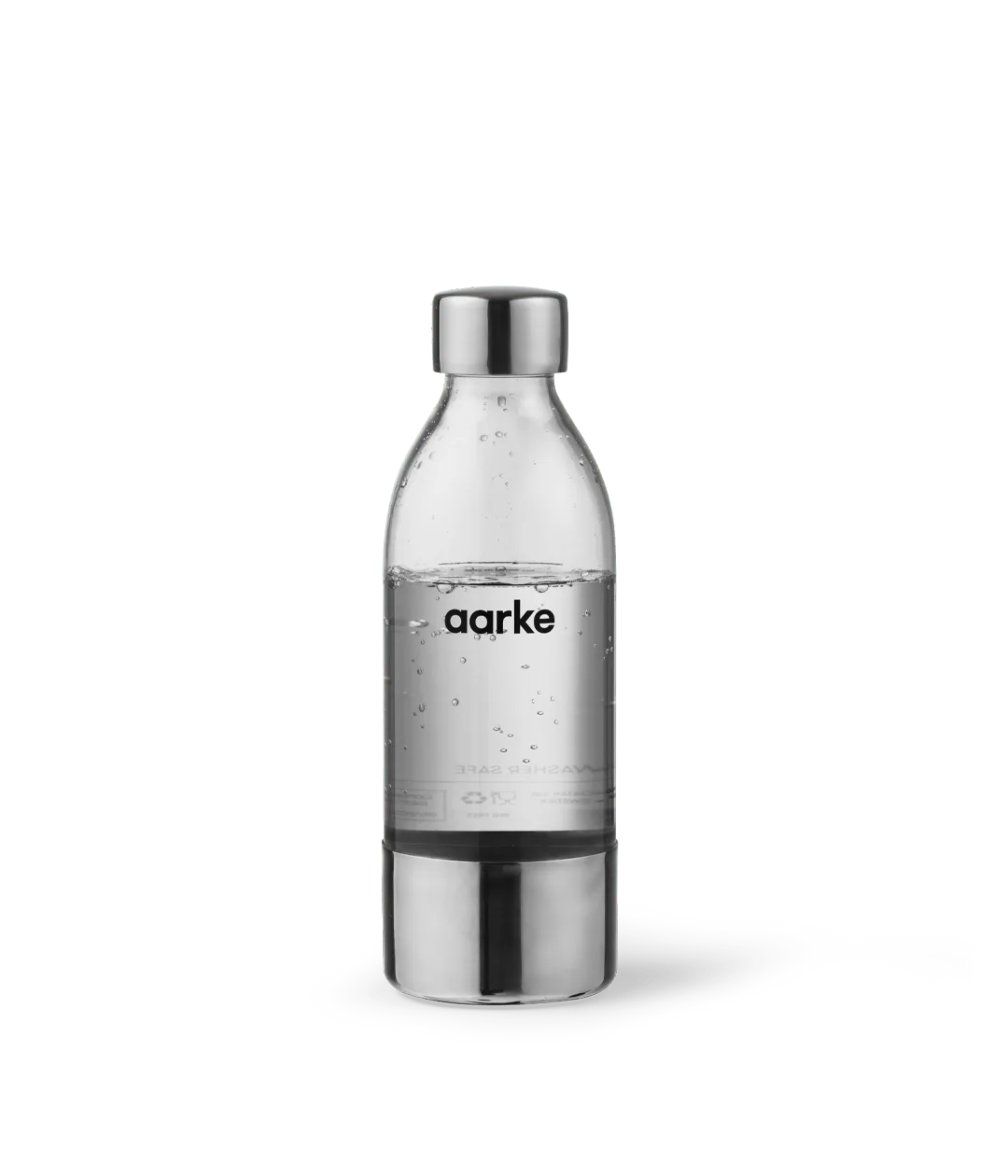
- Small PET Water Bottle: Small PET Water Bottle is engineered for safe use with Carbonator I, II and 3 sparkling water-makers and is made of food-grade, virgin PET. Use the correct bottle for your model to avoid poor carbonation or bottle damage; PET is best for single servings, not long-term storage.