Quick answer
The Slumberkins Authenticity Unit Plan is a ready-to-use digital resource for teaching authenticity, bravery, and friendship in K-2 classrooms. Follow these steps to integrate it into your SEL routine.
Why authenticity matters in early elementary SEL
Children in early elementary grades are beginning to understand that everyone has unique qualities. Teaching authenticity helps them feel safe to be themselves and builds empathy for peers who are different. The Authenticity Unit Plan from Slumberkins uses Unicorn's story to make these abstract concepts concrete and engaging.
What the Authenticity Unit Plan includes
This digital unit plan provides lesson supports for authenticity, bravery, and friendship. It gives students opportunities to identify their own ways of being authentic and helps them learn to welcome and respect others' differences. The plan is designed for classroom use and can be adapted for different group sizes and schedules.
How to teach the Authenticity Unit Plan in your classroom
- Step 1: Preview the unit materials: Download the Authenticity Unit Plan from your Slumberkins account and read through all lesson activities. Note the discussion prompts and extension ideas so you can adapt them for your students' age and attention spans. Common mistake: jumping into the first lesson without reviewing the full unit. Check for materials you may need to gather beforehand.
- Step 2: Introduce the concept of authenticity with Unicorn: Read the included Unicorn story aloud or display it on a screen. Pause after key moments to ask students how Unicorn might feel and what makes Unicorn special. This sets the stage for students to reflect on their own unique qualities. Checkpoint: ensure every student has a chance to share one thing they like about themselves, even if it's simple.
- Step 3: Facilitate the guided discussion on differences: Use the discussion prompts from the unit to talk about how everyone has different strengths, interests, and appearances. Encourage students to ask respectful questions about each other's differences. Common mistake: letting the discussion become a comparison contest. Remind students that differences are not better or worse—just different.
- Step 4: Complete the hands-on activity: Choose one of the suggested activities, such as drawing a self-portrait or creating an 'All About Me' collage. This gives students a concrete way to express their authentic selves. Checkpoint: display the finished work in the classroom to reinforce that everyone's authentic self is valued.
- Step 5: Wrap up with a friendship reflection: End the unit by revisiting the friendship lesson. Ask students to name one way they can be a good friend to someone who is different from them. This ties authenticity to social action. Common mistake: skipping the reflection. Without it, students may not connect the activities to real-life behavior.
Product facts
-
Authenticity Unit Plan: Lesson Supports: Authenticity, Bravery, and Friendship. Unicorn's lessons encourage students to be their true selves. This means the plan covers three core SEL competencies in one cohesive unit, saving teachers planning time while addressing key social-emotional skills.
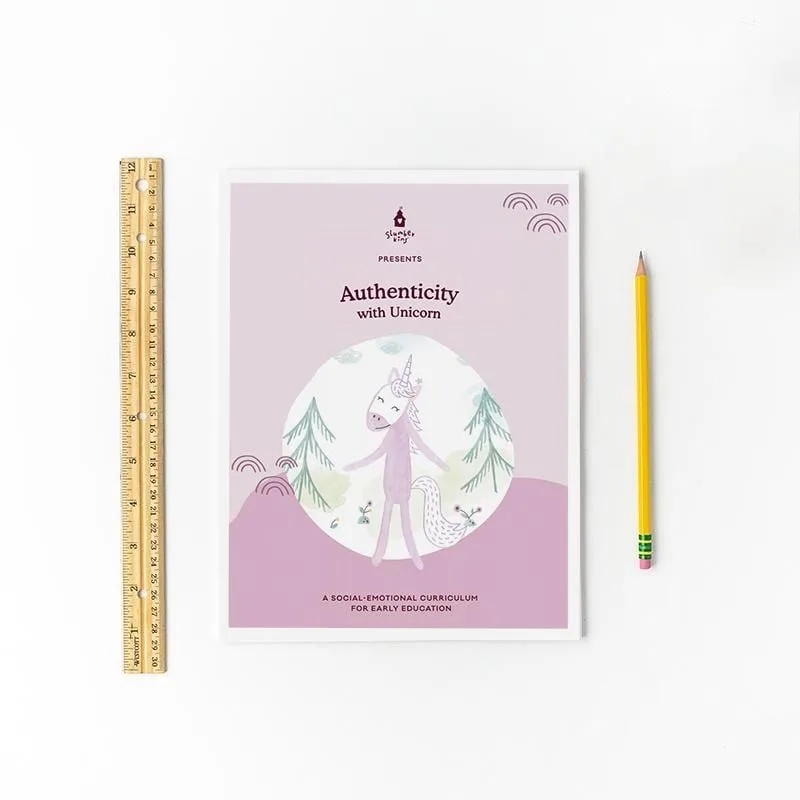
Authenticity Unit Plan