Quick answer
For most common breastfeeding problems, the first fix is a deeper, more comfortable latch and more frequent milk removal. If pain is sharp, cracking, or lasts the whole feed, or if your baby is not producing enough wet diapers and is not gaining weight, stop troubleshooting on your own and contact a lactation consultant or your baby's doctor.
Breastfeeding is a skill you and your baby build together, and almost every parent hits a rough patch in the first few weeks. The good news is that most common breastfeeding problems have practical, low-stress fixes you can try at home today.
Use this guide as breastfeeding troubleshooting: match your symptom to a likely cause, take one corrective action at a time, and know the point where it makes more sense to get hands-on help than to keep adjusting on your own.
Latching issues: when feeding hurts or feels shallow
If feeding pinches, clicks, or leaves your nipple flattened like a lipstick tube, the latch is probably too shallow. A deep latch means your baby takes in a big mouthful of breast tissue, not just the nipple tip. Try a laid-back position, support the back of your baby's neck, and aim the nipple toward the roof of the mouth so the chin touches the breast first.
If your baby pulls off repeatedly or falls asleep within a minute, try waking them by stroking the cheek or changing the diaper before the feed. A calm, alert baby latches more effectively. If the latch still does not improve after two or three feeds, a lactation consultant can watch a full feeding and spot tongue or positioning issues you cannot see from your angle.
- Aim the nipple toward the roof of the mouth, not straight in.
- Bring baby to breast, not breast to baby.
- Break suction with a clean finger if you need to reposition.
Sore nipples: what helps and what does not
Sore nipples breastfeeding is common in the first days as your body adjusts, but pain that continues through the whole feed or gets worse over time is a signal, not a rite of passage. Start by checking the latch depth and changing positions each feed so pressure moves to a different part of the nipple. Expressing a few drops of milk onto the nipple and letting it air-dry can be soothing.
Avoid harsh soaps, long soaks, and rough towels. If you use a breast pump, check that the flange size is not too small, because an ill-fitting flange can cause the same pinching as a shallow latch. If you see white patches in your baby's mouth or shiny, itchy skin on your nipples, that points to a different problem and needs a clinician's eye.
- Try a different hold each feed to shift pressure points.
- Air-dry after feeds and change damp nursing pads promptly.
- Do not push through sharp pain for multiple days.
Low milk supply: build demand before you supplement
Milk supply works on demand: the more milk leaves the breast, the more your body makes. If you are worried about low supply, the first low milk supply tips are to feed or pump more often, especially in the early morning, and to avoid long gaps. A baby who is alert, producing plenty of wet diapers, and gaining weight is usually getting enough even when your breasts feel softer than before.
If you do supplement, pump when your baby takes a bottle so your body still gets the signal to make milk. Herbs, teas, and supplements are not a substitute for frequent removal, and some can interact with medications. If your baby is not back to birth weight on schedule or is having fewer wet diapers, call your pediatrician rather than waiting.
- Feed or pump every two to three hours during the day.
- Pump whenever your baby gets a bottle.
- Track wet diapers and weight checks instead of guessing from how breasts feel.
Engorgement, clogged ducts, and comfort between feeds
Engorgement feels like firm, swollen breasts that are hard for your baby to latch onto. A brief warm compress or a few minutes of hand expression before a feed can soften the breast enough for a deeper latch. Between feeds, cold packs can reduce swelling and soreness.
A clogged duct feels like a tender lump and usually clears with more frequent feeding and gentle massage toward the nipple. If you also have fever, flu-like aches, or a red, hot area on the breast, that is beyond home troubleshooting and needs medical care. Keep the focus on comfort and milk flow rather than pushing through pain.
- Soften the breast before feeds if it is too firm to latch.
- Use cold packs between feeds for swelling.
- Seek care for fever or a hot, red breast area.
Breastfeeding troubleshooting diagnosis
- Symptom: pinching or clicking at the breast: The latch is likely shallow, so the nipple is hitting the roof of the mouth instead of sitting deep against the soft palate. Reposition with a laid-back hold, aim the nipple toward the roof of the mouth, and bring baby to breast chin-first. If two or three feeds with a deeper latch still hurt, book a lactation consultant.
- Symptom: nipples that are sore, cracked, or flattened after feeds: Persistent soreness usually traces back to latch depth or a pump flange that is too small. Rotate positions each feed, air-dry, and check your flange size if you pump. White patches or itchy skin point to a different cause. Pain that lasts the whole feed for more than a day or two needs a professional assessment.
- Symptom: baby seems hungry after feeds or is not gaining weight: This can be a supply signal or a transfer problem. Feed or pump every two to three hours, pump whenever baby takes a bottle, and track wet diapers and weight checks rather than relying on how full your breasts feel. Fewer wet diapers or a weight-gain concern means call your pediatrician now, not later.
- Symptom: firm, swollen breasts or a tender lump: Engorgement and clogged ducts respond to softening the breast before feeds, feeding frequently, and using cold packs between feeds. Gentle massage toward the nipple can help move a clog. Fever, flu-like aches, or a hot red area on the breast means seek medical care instead of continuing home remedies.
Products that support feeding and recovery
- Animal Adventures Tummy Time Pillow: The Animal Adventures Tummy Time Pillow is multi-functional, giving your baby a place to lounge comfortably until they can roll over and become more mobile, and it features a baby-safe mirror that helps promote self-awareness. Short supervised tummy time sessions between feeds help babies build the neck and shoulder strength they use to latch and turn their head, and the mirror gives them something to look at while you take a breather.
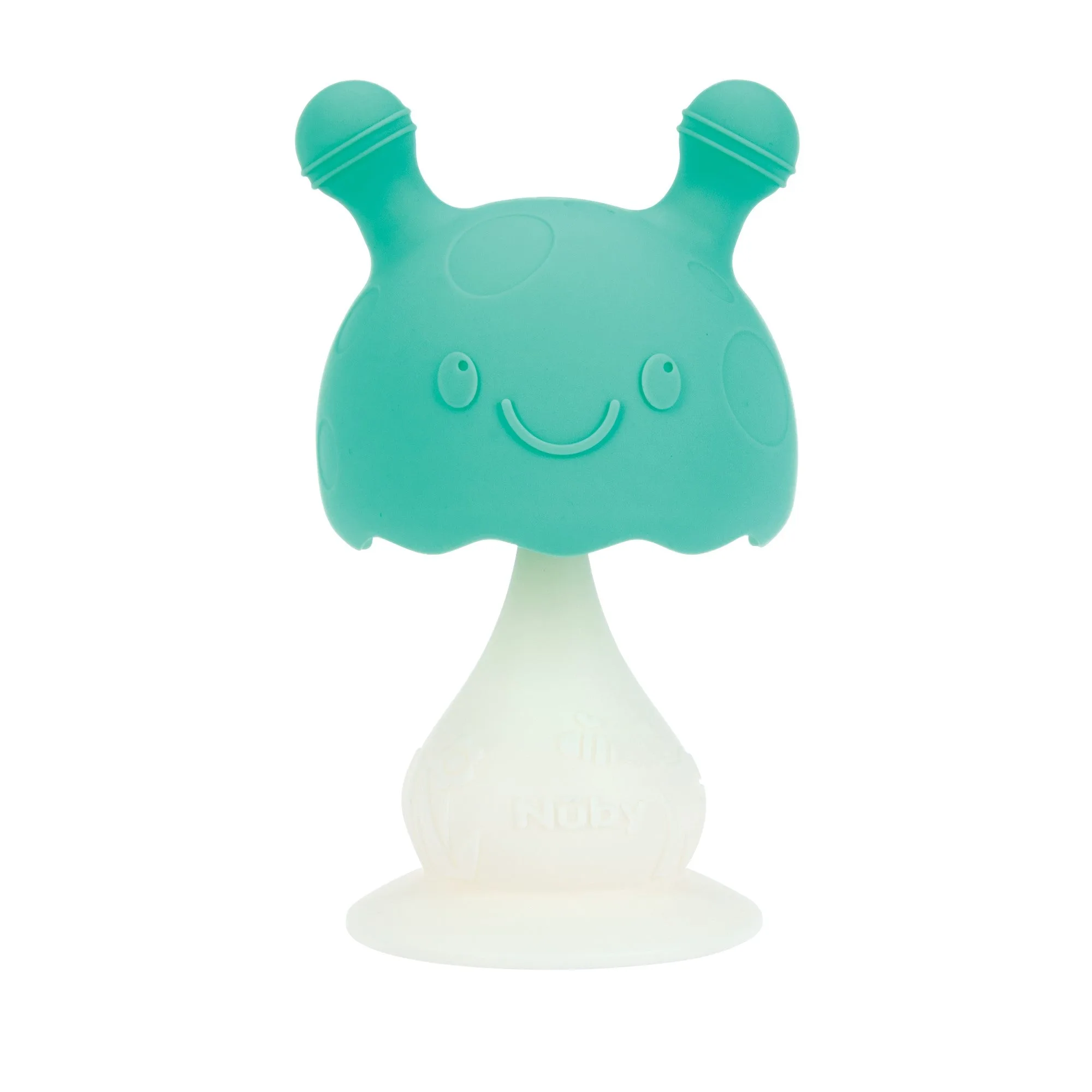
- Mushroom Bobble Head Teether Toy: The Mushroom Bobble Head Teether Toy is made of super soft silicone, is gentle on sensitive gums, encourages interactive play, and has a suction base that sticks to most surfaces. When your baby is fussy between feeds or while you are recovering, a suction-base teether can keep them occupied and gives them a safe silicone surface to gnaw on instead of your nipple.
Most common breastfeeding problems improve with a deeper latch, more frequent milk removal, and a little patience. Use these breastfeeding solutions as a starting point, but treat persistent pain, poor weight gain, or fever as your signal to bring in a lactation consultant or doctor.