Quick answer
If you already hit your daily protein target with whey or another complete protein, a separate BCAA powder adds little for muscle building. A standard whey serving delivers all three BCAAs plus the full spectrum of essential amino acids, so the leucine trigger for muscle protein synthesis is already covered. Keep a standalone BCAA only if you train fasted, want a sugar-free intra-workout drink, or struggle to hit protein on certain days.
What whey protein actually gives you
Whey is a complete protein, meaning it supplies all nine essential amino acids your body cannot make on its own. That includes the three BCAAs: leucine, isoleucine, and valine. Leucine is the amino acid most directly linked to switching on muscle protein synthesis, and a typical whey scoop provides enough of it to trigger that response. Because whey also delivers the remaining essential amino acids needed to actually build tissue, it does the whole job rather than just flipping the switch.
When a standalone BCAA still makes sense
There are practical situations where a BCAA powder earns its place even if you drink protein shakes. If you train first thing in the morning before eating, an intra-workout BCAA gives you a light, sugar-free option that will not sit heavy in your stomach the way a full shake might. If you sweat heavily or train in heat, a formula with electrolytes can double as hydration support. And if you simply prefer sipping something flavored during a long session, a BCAA is a low-calorie way to do that without adding a second full protein serving.
How to compare a BCAA label to your protein scoop
Start by checking the BCAA dose on the label. A common effective range is around 5 to 7 grams of BCAAs per serving, with leucine making up a meaningful share. Then compare that to what your protein powder already provides. If your whey scoop already covers your daily protein target across the day, adding a BCAA on top is mostly redundant for muscle building. If you are nowhere near your protein target, the better fix is usually more total protein, not more isolated BCAAs.
BCAA questions answered
Do I need BCAAs if I already drink protein powder?
For muscle building, no. Whey and other complete proteins already contain the BCAAs and the rest of the essential amino acids. A separate BCAA is optional, not required. Save the money unless you have a specific reason like fasted training or intra-workout hydration.
Is BCAA vs protein powder an either-or choice?
No. Protein powder covers your total daily protein and amino acid needs. A BCAA is a narrower tool for sipping during training or when you want aminos without a full protein serving. Protein first, BCAA as an optional add-on.
What are the real BCAA benefits for muscle recovery?
BCAAs may help reduce perceived soreness and support recovery when total protein is low, but they cannot build muscle without the other essential amino acids. Their strongest case is convenience and hydration during a session. Do not expect a standalone BCAA to replace adequate daily protein.
How much leucine is in protein powder?
A typical whey scoop provides enough leucine to support muscle protein synthesis, though exact amounts vary by product and serving size. Check the label if you want the precise number. If your whey covers leucine, an extra BCAA adds little for building muscle.
Should I take a BCAA intra workout?
It is reasonable if you train fasted, want a light sugar-free drink during long sessions, or need electrolytes. It is unnecessary if you already had a protein-rich meal or shake around training. Match the tool to the gap in your day, not to habit.
Products that fit this decision
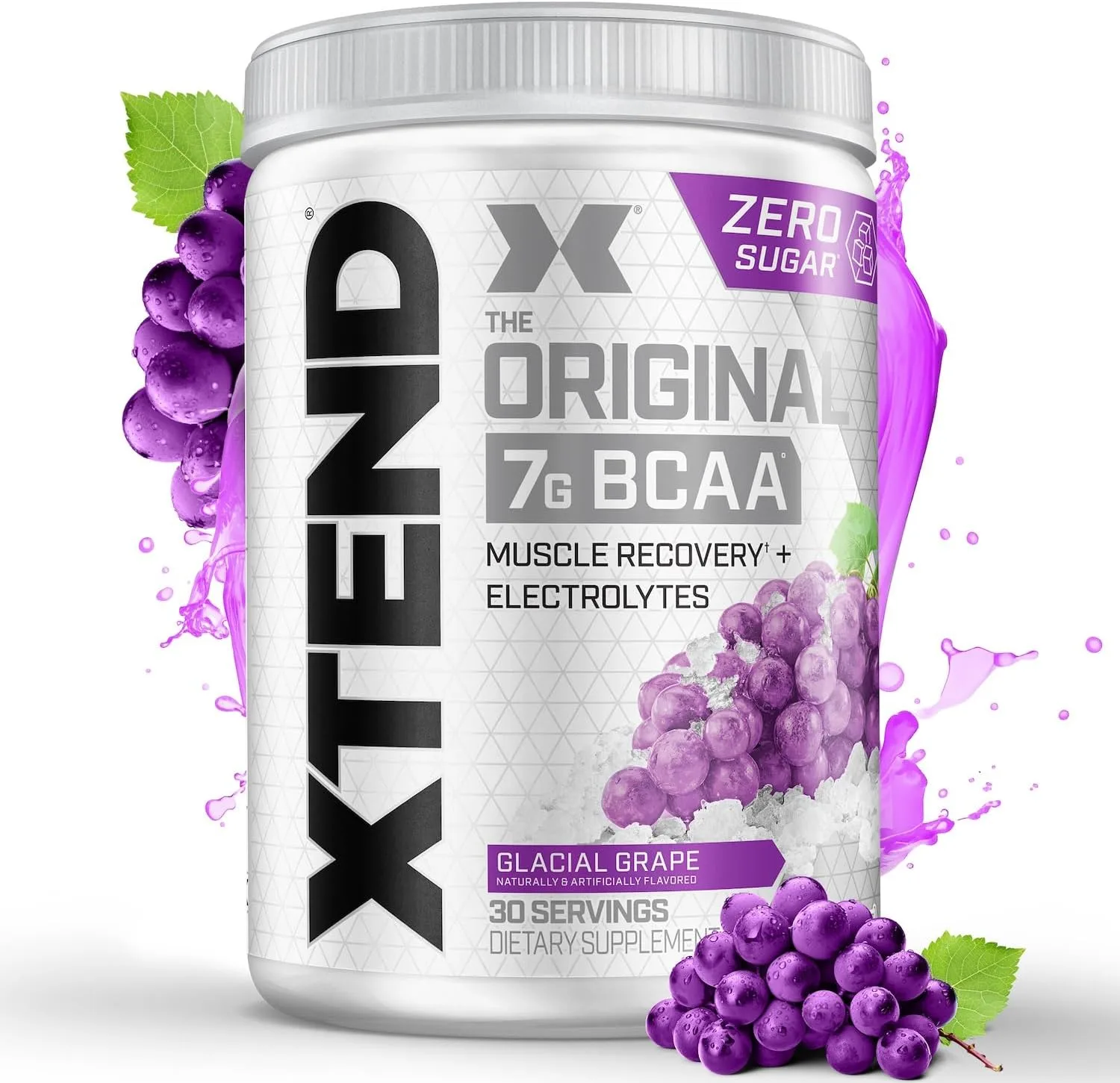
- Xtend Original BCAA Powder, 7g BCAAs and 2.5g L-Glutamine for Muscle Recovery, Hydration, and Lean Muscle, Sugar Free Intra and Post Workout Drink with, Green Apple Jolly Rancher, 30 Servings: Xtend Original BCAA Powder provides 7g of BCAAs and 2.5g of L-Glutamine per serving in a sugar-free intra and post workout drink. The 7g BCAA dose sits in the commonly used range, and the sugar-free format makes it a practical intra-workout sipper when a full shake feels like too much.
- Xtend Original BCAA Powder, 7g BCAAs and 2.5g L-Glutamine for Muscle Recovery Hydration and Lean Muscle, Sugar Free Intra and Post Workout Drink with Electrolytes, Mango Madness, 30 Servings: Xtend Original BCAA Powder in Mango Madness includes electrolytes alongside 7g of BCAAs and 2.5g of L-Glutamine per serving. If you train in heat or sweat heavily, the added electrolytes make this version do double duty as hydration support rather than just an amino acid drink.
- Six Star Whey Protein Powder Plus - Muscle Building & Recovery Formula with Whey Isolate Powder, BCAAs, 30g Protein, Immune Support - Post-Workout Supplement - Kellogg’s Froot Loops Flavor, 1.8 lbs: Six Star Whey Protein Powder Plus provides 30g of protein per serving and contains whey isolate powder and BCAAs. This is the direct comparison point: a single whey serving already delivers a substantial protein dose plus BCAAs, which is why most lifters do not need a separate BCAA on top.