Quick answer
Store your eBike battery indoors, between roughly 50°F and 68°F (10°C to 20°C), at about 50 to 60 percent charge if you won't ride for weeks. Let a cold battery warm back to room temperature before charging it, and never charge a pack that is below freezing. These three habits cover most of what cold weather asks of your battery.
Why cold weather is hard on an eBike battery
Lithium-ion cells slow down chemically as temperatures drop, so a cold pack delivers less usable range and sags under load even though nothing is broken. The bigger risk is charging. Charging a pack that is at or below freezing can plate lithium on the anode instead of storing it normally, and that damage is permanent. A battery that feels sluggish on a 35°F morning is usually just cold, not dead. Warm it up indoors and the capacity returns.
How to store an eBike battery for winter
For storage longer than a few weeks, pull the battery off the bike and bring it inside. A cool, dry room beats a garage that swings below freezing, and it beats a hot closet near a radiator. Charge to roughly half, not full, then check the level about once a month and top it back to that middle range if it has drifted. Leaving a pack at 100 percent for months is its own kind of wear, and leaving it at zero can push cells so low they refuse to wake up in spring.
Charging tips when the temperature drops
Charge indoors or in a space that stays above freezing, and give a cold pack an hour or two to reach room temperature first. Plug the charger into the wall, then into the battery, and unplug in reverse when it finishes. Don't leave a charger connected for days after the light turns green, and don't charge a wet battery until the terminals and housing are dry. If you ride through winter, a partial charge before each ride is easier on the pack than deep discharges to empty.
Winter riding and your battery's lifespan
Cold itself doesn't shorten lifespan the way bad charging habits do, but the two often travel together. Riders who store a frozen pack on the charger, or who leave a bike outside all winter with the battery mounted, tend to see capacity fade sooner. If you keep riding, bring the battery inside between rides and accept shorter range as normal for the season. A pack that has been properly stored and warmed before charging will usually come back to its usual range once spring arrives.
Protecting the bike while the battery is indoors
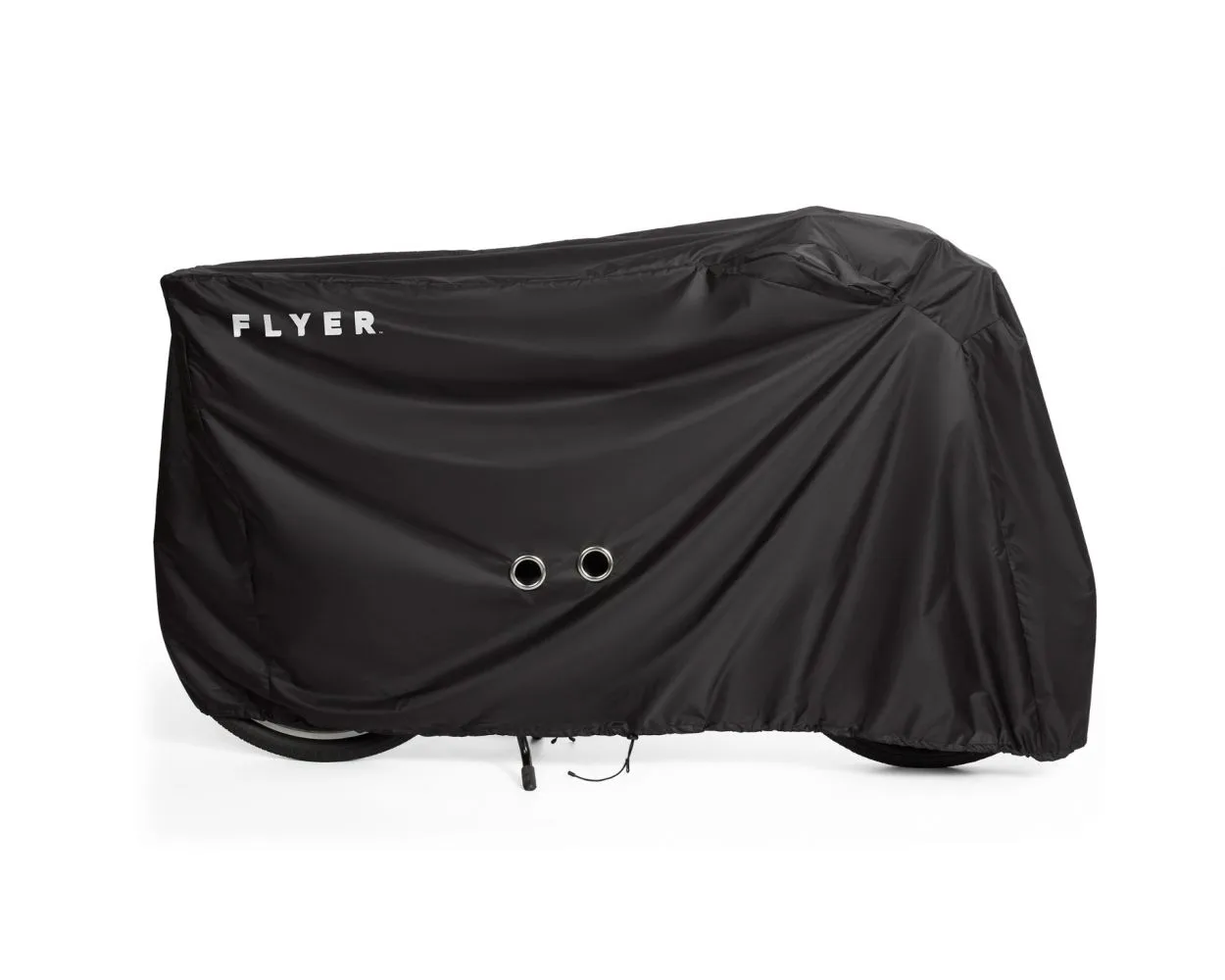
When the battery lives inside for the winter, the bike is still outside in the weather. A cover keeps rain, snow, and UV off the frame, saddle, and display, and lock holes let you secure the bike without pulling the cover off. Pair that with a quick check of the tires and chain before the first spring ride so the only thing you have to think about is charging the battery back up.
Cold-weather battery questions, answered
Can I leave my eBike battery outside all winter?
You can, but you shouldn't. Repeated freezing and thawing stresses the cells, and a pack left on the bike is easy to charge while still cold, which is the real damage risk. Bring it indoors and store it at about half charge.
Should I charge to 100 percent before storing?
No. A full pack held for months ages faster than one stored in the middle of its range. Charge to roughly 50 to 60 percent and check it monthly. Middle charge, monthly check, no long-term full charge.
Why does my range drop so much in winter?
Cold slows the chemistry inside the cells, so less energy is available on demand. It is a temperature effect, not permanent loss, and range returns as the pack warms. Expect shorter winter rides; warm the battery before charging.
Is it safe to charge a battery right after a cold ride?
Not immediately. Let the pack sit indoors until it reaches room temperature, and make sure it is dry before connecting the charger. Wait an hour or two, then charge.
Gear that helps in the cold months
- Waterproof Bike Cover-Flyer M880, Folding Cargo, and Cruisers: Waterproof ripstop cover with an adjustable elastic drawstring for a snug fit, even with accessories installed, plus dual aluminum alloy lock holes and an integrated storage pouch. If the battery comes indoors for winter, the bike stays outside; the cover shields it from water and UV, and the lock holes let you secure it without removing the cover.
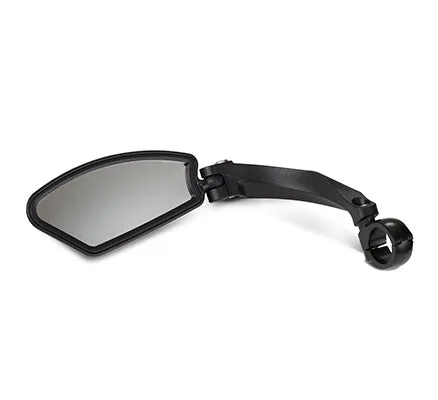
- Handlebar Bike Mirror: Splash and crack resistant 3-inch mirror that attaches securely to the handlebar, adjusts to multiple viewing angles, and is designed for left-side mounting, with various clamp sizes available. Winter layers and hoods cut down peripheral vision, so a mirror that holds its angle in wet, gritty conditions is worth having on cold-weather rides.