Quick Answer
To brew pau d'arco tea, simmer the bark in water for 15–20 minutes, then strain and enjoy. For safety, start with one cup daily and consult a healthcare provider if you take medications or have underlying conditions.
Why Simmering Matters
Pau d'arco is a tough bark, not a delicate leaf. A quick steep in hot water won't extract much of its earthy character. Simmering softens the bark and releases more of the compounds that give the tea its traditional reputation.
Taste and How to Improve It
Pau d'arco has a deep, woody flavor that some find bitter. If that's not for you, try adding a slice of lemon or a small amount of honey after brewing. Avoid adding milk, which can make the tea taste flat.
How to Brew Pau D'Arco Tea
- Measure the Bark: Use about 1 tablespoon of pau d'arco bark per 8 ounces of water. Adjust to taste, but don't overdo it—more bark doesn't mean better flavor. Start with a smaller amount if you're new to the taste.
- Simmer, Don't Steep: Place the bark and water in a pot, bring to a boil, then reduce to a gentle simmer for 15–20 minutes. This extracts the bark's character more effectively than a quick steep. Set a timer to avoid over-simmering, which can make the tea overly bitter.
- Strain and Serve: Pour the tea through a fine mesh strainer to remove the bark pieces. Drink warm or let it cool for an iced version. Store leftover tea in the fridge and consume within 2 days.
- Dosage and Frequency: Start with one cup per day to see how your body responds. Some traditional practices suggest up to three cups daily, but more isn't necessarily better. If you're pregnant, nursing, or on medication, talk to your doctor before regular use.
Product Fact
-
Pau D'arco: Pau D'Arco is a traditional herbal bark known for its deep, earthy character and long-standing use in herbal practices. Its robust bark requires simmering rather than steeping to get a flavorful cup.
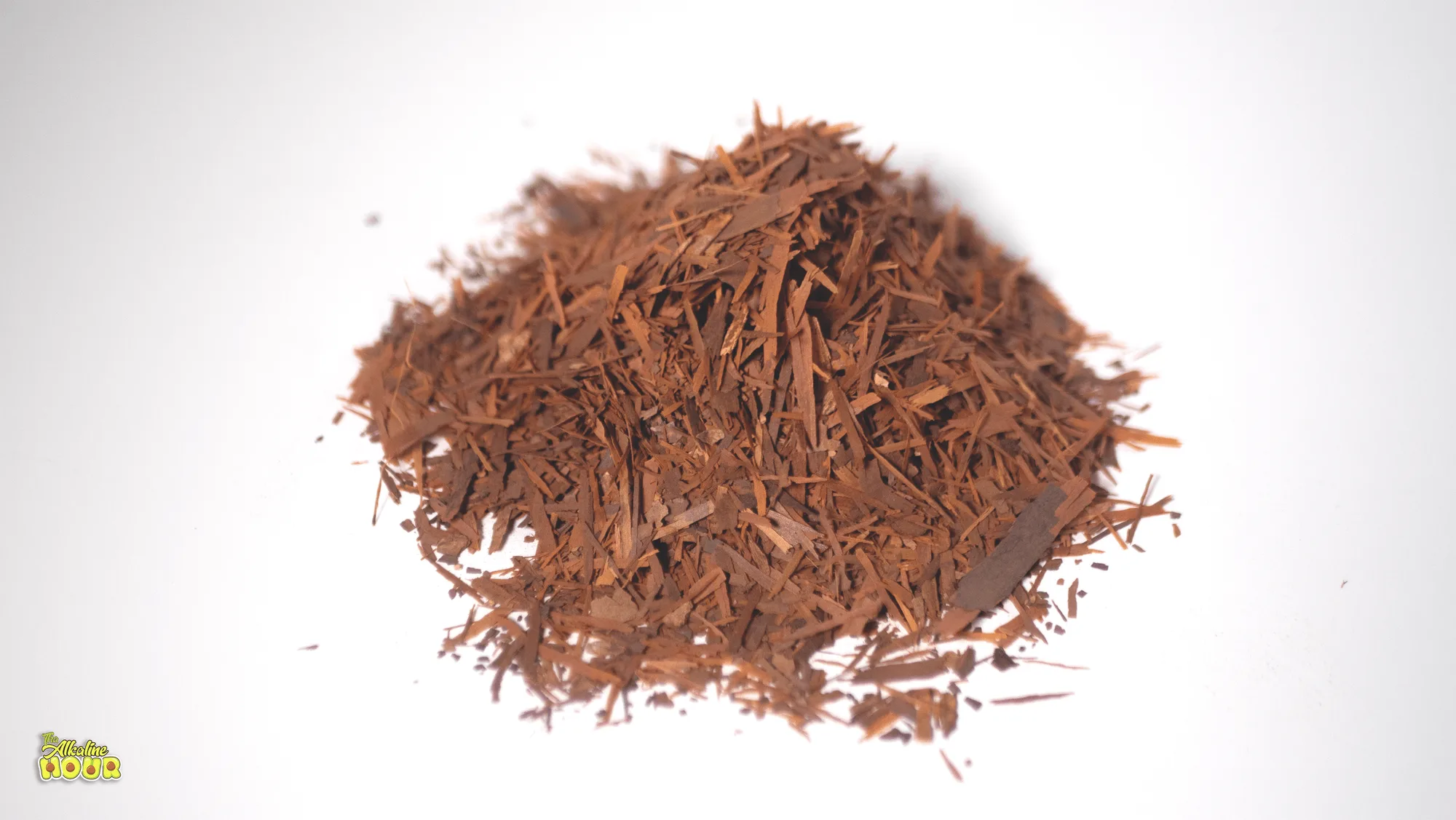
Pau D'arco