Quick answer
Allow quiet, hand-only fidgets that stay below the desk and produce no sound, and set a simple rule: if it clicks, beeps, lights up, or distracts a neighbor, it goes in the bin. A folding ruler or a silicone pick disc can meet that standard; a spinner cannot.
Which fidgets actually pass the classroom quiet test?
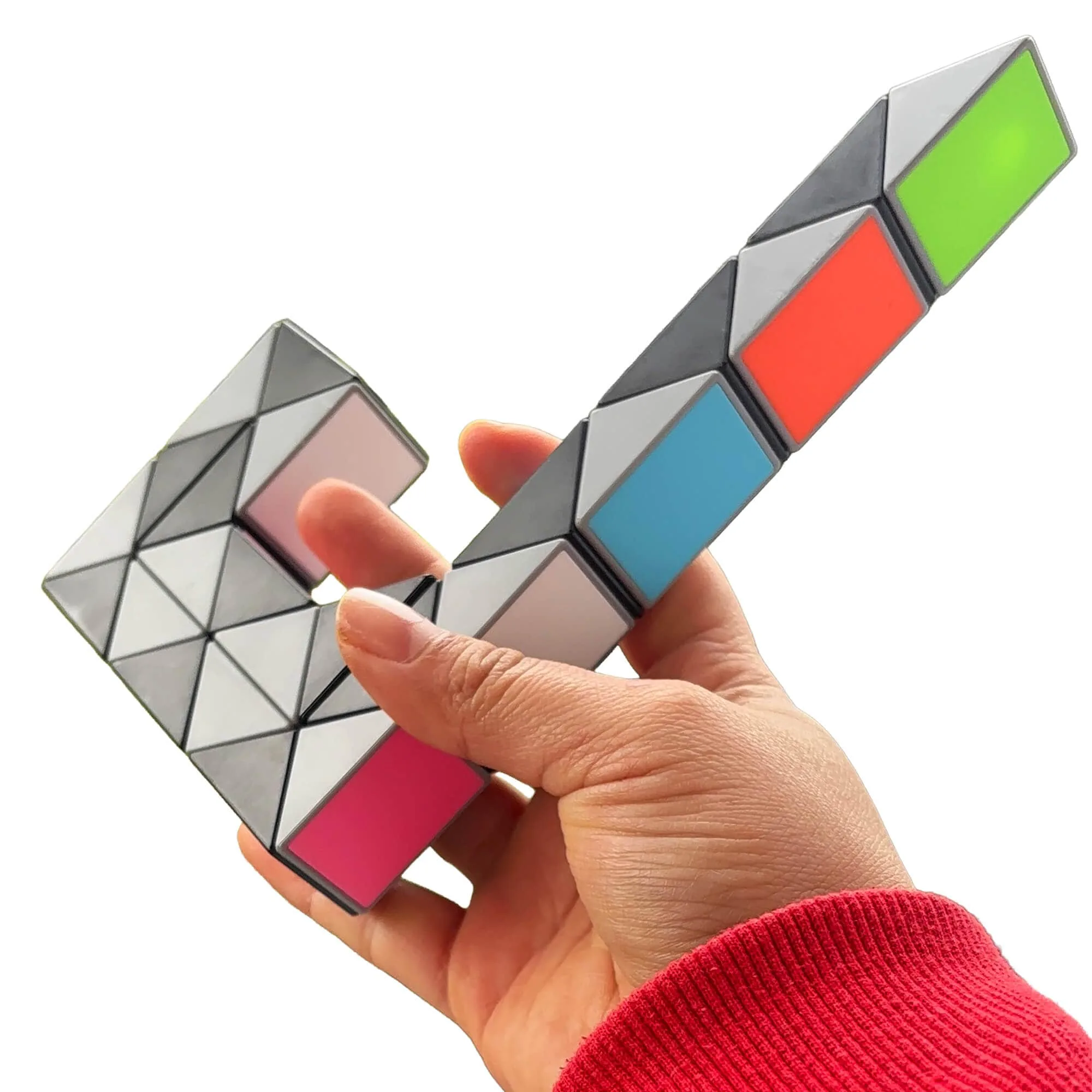
The test is simple: does it make noise when dropped, squeezed, or twisted? Does it require looking at it to use? Does it roll off a desk? Fidgets that pass are usually soft, linked, or textured — things hands can work without eyes. A folding ruler made of linked segments twists and folds silently. A silicone pick disc offers resistance without clicking. Both stay in a lap or pocket, which keeps them out of sight and out of the class's attention.
How do I write a classroom fidget policy that students respect?
Keep it to three rules and post them. First, fidgets stay in hands or lap, not on the desk. Second, no sound and no throwing. Third, if a fidget becomes a toy for someone else, it goes away until the next lesson. This gives you a clear, neutral consequence that does not single out the student who needs the tool. It also lets you say yes to fidgets generally while removing specific items that fail the quiet test.
What should I say to parents who think fidgets are just toys?
Explain the difference between a fidget and a toy in one sentence: a fidget helps the user's hands stay busy so their eyes and ears can stay on the lesson; a toy is designed to attract attention. Then show the item. A quiet twist-and-fold ruler or a textured pick disc looks nothing like a light-up spinner. If a parent is still unsure, offer a trial week and a simple check-in: does the student's work completion improve or stay the same? That keeps the conversation about function, not preference.
How do I introduce fidgets without losing control of the room?
Start with one student and one tool, not a class-wide rollout. Choose a student who already leaves their seat or taps a pencil, and offer a quiet fidget as a replacement. Give it during independent work only, then expand if it goes well. This avoids the novelty effect where every student wants one. If you later open it to more students, use a sign-out system so you know who has what and can check items back in at the end of the day.
Do quiet fidgets help students with ADHD or anxiety in class?
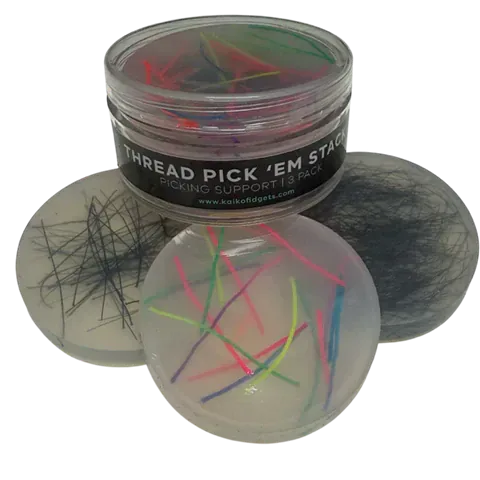
They can help some students regulate movement and attention, but they are not a treatment and they do not work for everyone. The honest tradeoff is that a fidget can become a distraction if the student has to watch it or if it makes noise. That is why the quiet test matters. For students who pick at skin or pull hair, a textured disc can redirect that urge; for students who need to move their whole body, a hand fidget will not be enough and you may need a movement break instead.
Teacher fidget rules at a glance
Rule 1: Hands only, below the desk
Fidgets stay in the lap or pocket, not on the desk where they can roll or become a visual distraction for neighbors. If it leaves the lap, it goes away for the rest of the lesson.
Rule 2: No sound, no light
If you can hear it or see it light up, it fails the quiet test. This covers clicking, beeping, and rattling parts. Test it yourself by dropping it on a desk before you allow it.
Rule 3: One tool per student, signed out
Keep a simple log of who has which fidget so you can check them back in and replace lost items without a class-wide search. Review after two weeks: keep what helps, retire what distracts.
Two tools that meet the quiet standard
- Fidget Folding Ruler, Quiet Twist-and-Fold Desk Fidget: Pocket-sized string of linked segments that bend, fold, and twist into shapes; flattens into a line or folds into a ball. It works silently in a lap or pocket and gives busy hands a repetitive motion without visual attention, so it passes the classroom quiet test.
- Thread Pick ‘Em Stack - 3 Picking & Hair Pulling Supports: Set of three silicone Pick ‘Em discs with different thread styles and resistance levels for a dig, grip, pull, and release experience. The different resistance levels let you match the tool to a student's picking or hair-pulling urge, and the silicone is silent when squeezed or pulled.