Quick answer
Store 5.5 inch kits horizontally on padded cradles so the airframe and fins carry no load, and transport them in a rigid case with the nose cone and fins blocked from shifting. If a fin or tube already flexes or shows a crack, stop and repair it before the next flight rather than adding more padding.
Why 5.5 inch kits get damaged in storage
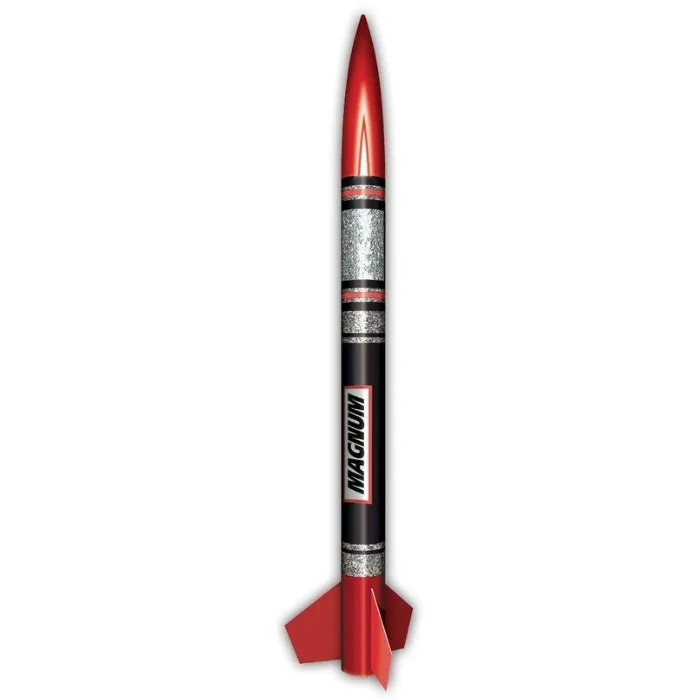
A 5.5 inch airframe is large enough that its own weight becomes a handling problem. Leaning a completed kit in a corner puts a bending load on the lower body tube, and the fin tips on a kit like the 5.5" LOC Magnum take that load first. The same kit ships with 3/8" fins, which are stiff but still bonded to the airframe at a small root area, so a side impact can crack the fillet instead of the fin itself.
Heat is the other quiet cause. A garage or shed that cycles between hot afternoons and cool nights can soften epoxy fillets over time. Keep completed kits indoors or in a climate-stable room, and keep them out of direct sun even when they are inside a case.
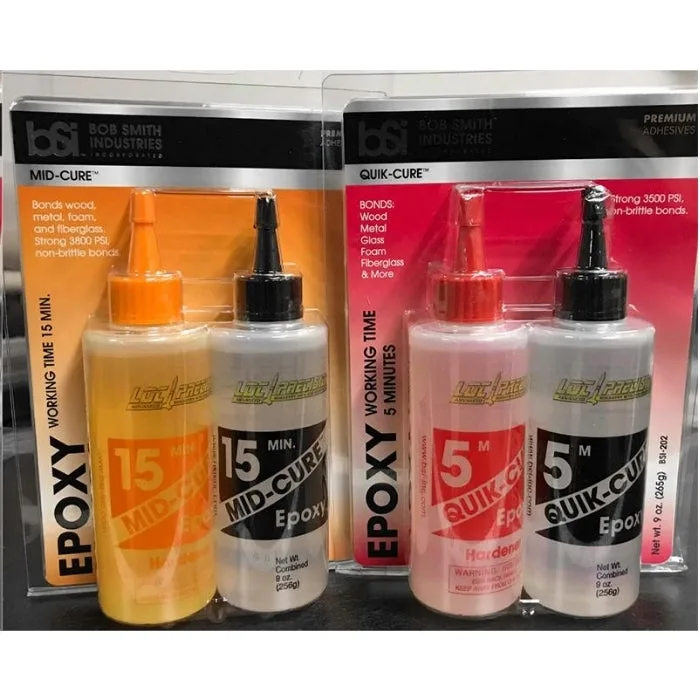
epoxy
Set up a storage rack that supports the airframe
Build or buy a horizontal rack with padded U-cradles spaced about 18 to 24 inches apart. The cradle should contact the body tube, not the fins, and the tube should rest so it cannot roll. Foam pipe insulation split lengthwise makes a cheap cradle liner that will not mar paint or decals.
For a kit with a boat tail or a large motor mount, add a third cradle near the aft end so the tail does not hang unsupported. If you store several kits, keep at least a hand-width of space between them so you can lift one out without dragging it across another.
Transport tips that prevent fin and tube damage
Transporting high power rockets is mostly about stopping movement. A rigid plastic or plywood case with foam blocks cut to the airframe diameter works better than a soft bag, because the case takes the impact and the foam takes the vibration. Block the nose cone so it cannot slide forward into the case wall, and block the aft end so the motor mount does not carry the kit's weight.
Never lay a kit on its fins in a vehicle. If you must use a vehicle without a case, lay the kit on a folded blanket and wedge soft items around the fins so they cannot flex. Check the case straps after the first few miles; a kit that shifts once will keep shifting.
- Use rigid cases, not soft bags, for 5.5 inch airframes.
- Support the body tube, never the fin tips.
- Pad the nose cone and aft end separately.
- Recheck tiedown tension after the first few miles.
When to stop and change your approach
If a fin moves when you press it gently, or if you see a white line at the fillet, stop handling the kit and repair the joint before the next flight. Adding more foam will not fix a cracked fillet, and flying it can turn a small repair into a destroyed airframe.
If your storage space cannot stay dry and out of the sun, choose a smaller kit or store only the components until you have a stable place. A 5.5 inch kit is worth protecting, but it is not worth fighting a damp shed.
Diagnosis: match the symptom to the fix
- Fin flexes or clicks when pressed: A moving fin usually means a cracked fillet or a broken internal bond. Do not transport or fly the kit until you have cleaned and re-glued the joint. Stop and repair before the next flight.
- Body tube has a flat spot or dent: This comes from long-term point loading, such as leaning the kit in a corner or resting it on a hard edge. Move it to a padded horizontal cradle and inspect the dent for cracks. Change storage before the dent becomes a crack.
- Nose cone or coupler is loose after transport: Vibration and shifting in the vehicle can work the nose cone loose. Block the nose cone in the case and check the fit before you load the kit for the next launch. If the fit is still loose, replace the coupler or add a positive retainer.
Kit details that affect storage and transport
- 5.5" LOC Magnum: The 5.5" LOC Magnum is a classic LOC design revised to a single 54mm motor mount, and it is sized for Level 1 and Level 2 certification flights. The 54mm mount and certification-level size mean the airframe is long and heavy enough that a horizontal padded rack and a rigid case are worth the effort.
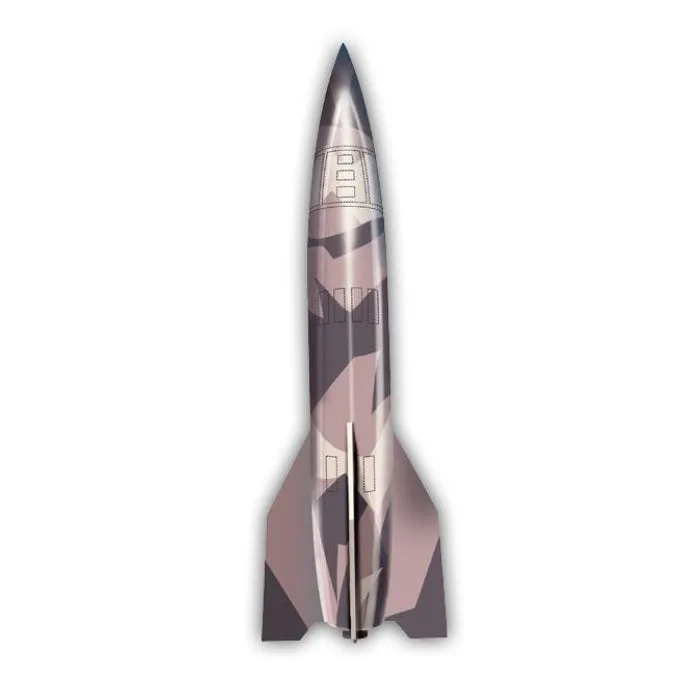
- V2 4": The 4" LOC V2 is an advanced series kit with factory pre-slotted airframe and through-the-wall fin construction, and it comes standard with a 38mm motor mount. Through-the-wall fins are strong, but the fin roots still need support in storage, so cradle the body tube rather than resting the kit on its fins.